Plan and listen to Sakharov Center with Audiala.
Audio guide in your pocket, itinerary in your browser. Built for the way you actually visit.
Introduction
The Sakharov Center in Moscow has stood as a vital institution dedicated to preserving the memory and legacy of Andrei Dmitrievich Sakharov—Nobel Peace Prize laureate, preeminent physicist, and a leading dissident of the Soviet era. The Center was established to foster open dialogue on political repression, human rights, and the development of civil society in Russia. Since opening in 1996, it has hosted exhibitions, educational programs, and public events, providing an invaluable space for reflection and learning about both historical and contemporary challenges to freedoms in Russia.
However, as of August 2023, the physical Sakharov Center was officially closed by a Moscow City Court amidst escalating legal and political pressures, including its designation as a "foreign agent." This closure reflects the broader difficulties faced by independent cultural and human rights institutions in Russia (WION News; PBS NewsHour). Nevertheless, the Center’s mission endures through a robust digital presence offering virtual exhibitions, archival resources, and educational outreach, ensuring Sakharov's legacy and the story of Russian dissent remain accessible worldwide (Sakharov Center official site).
This guide provides detailed and practical information for prospective visitors, history enthusiasts, and researchers, including the latest on Sakharov Center visiting hours, tickets, accessibility, digital alternatives, and recommendations for related historical sites in Moscow.

Historical Background and Founding
The Legacy of Andrei Sakharov
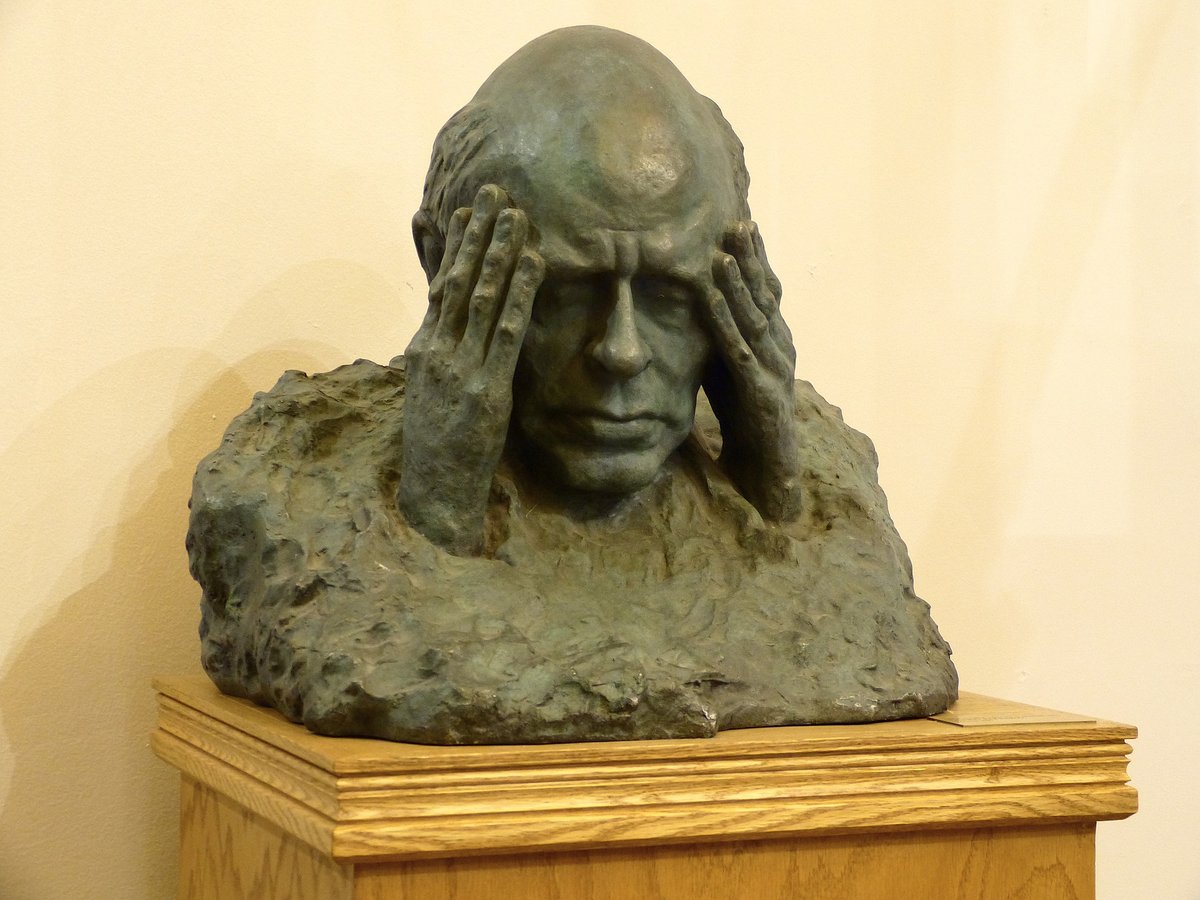
Andrei Sakharov (1921–1989) was one of the most influential physicists of the 20th century, credited as a key architect of the Soviet hydrogen bomb. Despite his scientific achievements, Sakharov is best remembered for championing nuclear disarmament, human rights, and civil liberties in defiance of the Soviet regime. His 1968 essay "Reflections on Progress, Peaceful Coexistence, and Intellectual Freedom" circulated widely in samizdat and marked him as a prominent voice of dissent. After enduring internal exile in Gorky (now Nizhny Novgorod) and later returning to Moscow during perestroika, Sakharov became a symbol of moral courage in the face of state repression.
Founding of the Sakharov Center
Established in 1996 by the Public Commission for the Preservation of the Legacy of Andrei Sakharov, with the support of Sakharov’s widow Yelena Bonner and numerous Russian intellectuals, the Center was intended as a hub for research, education, and advocacy on human rights and civic freedoms in Russia (Wikipedia). The Center’s headquarters at 57 Zemlyanoy Val Street in central Moscow included a museum, exhibition halls, archives, a library, and spaces for public events—all designed to support transparency and dialogue during a period of relative openness in Russian society (Lonely Planet).
Sakharov Center Mission and Activities
The Sakharov Center’s core mission was to preserve the memory of Soviet repression, foster critical engagement with Russia’s history, and promote human rights. Its main activities included:
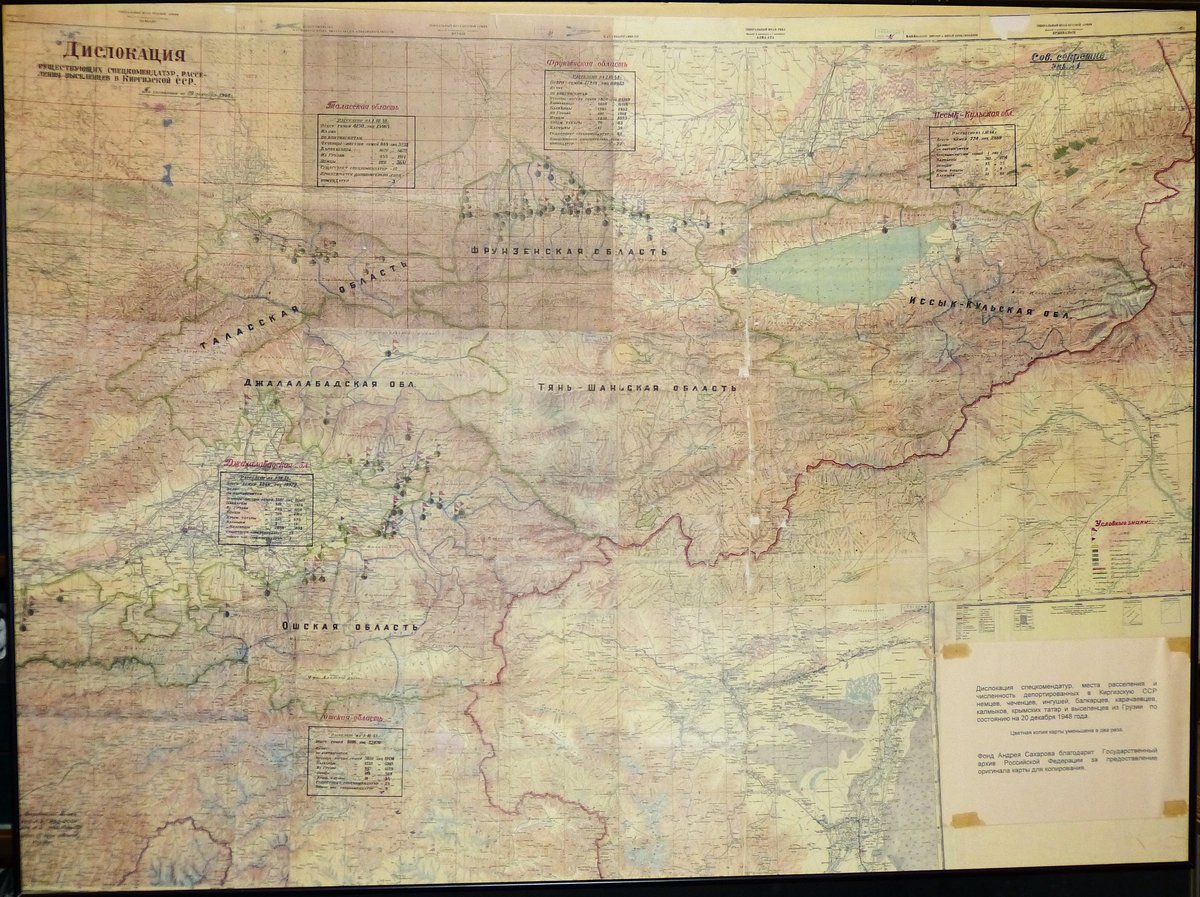
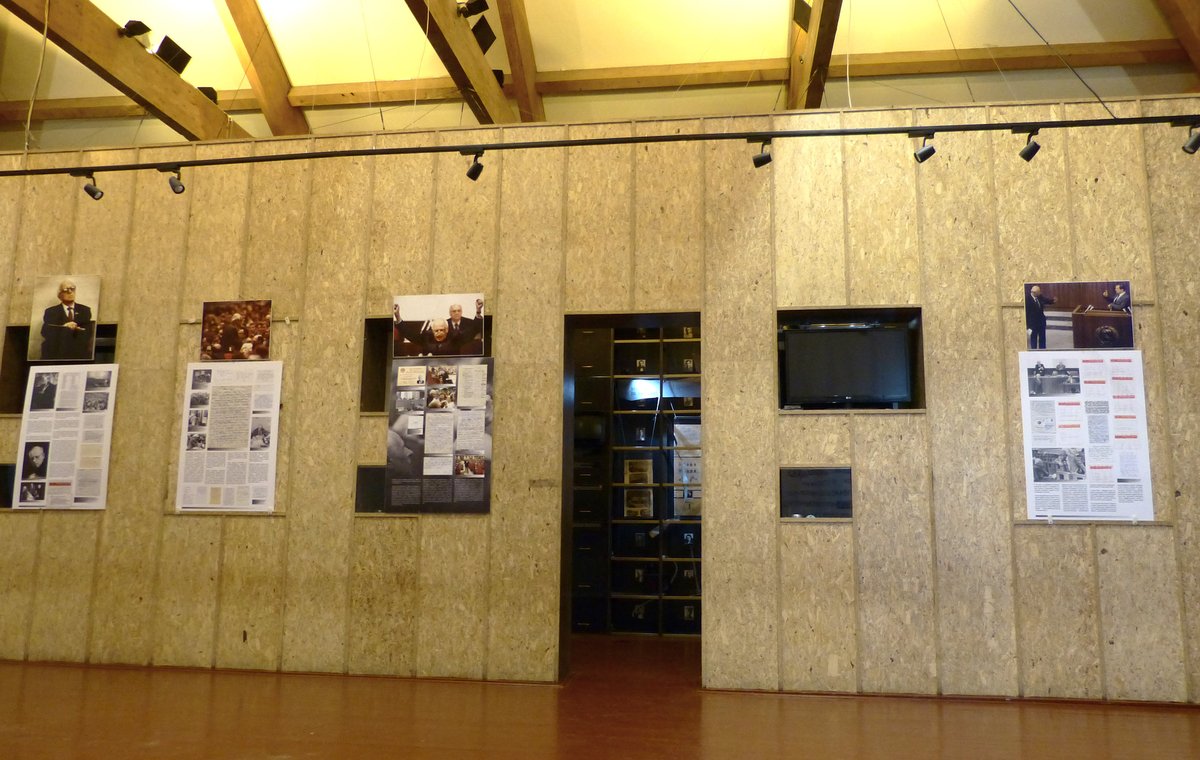
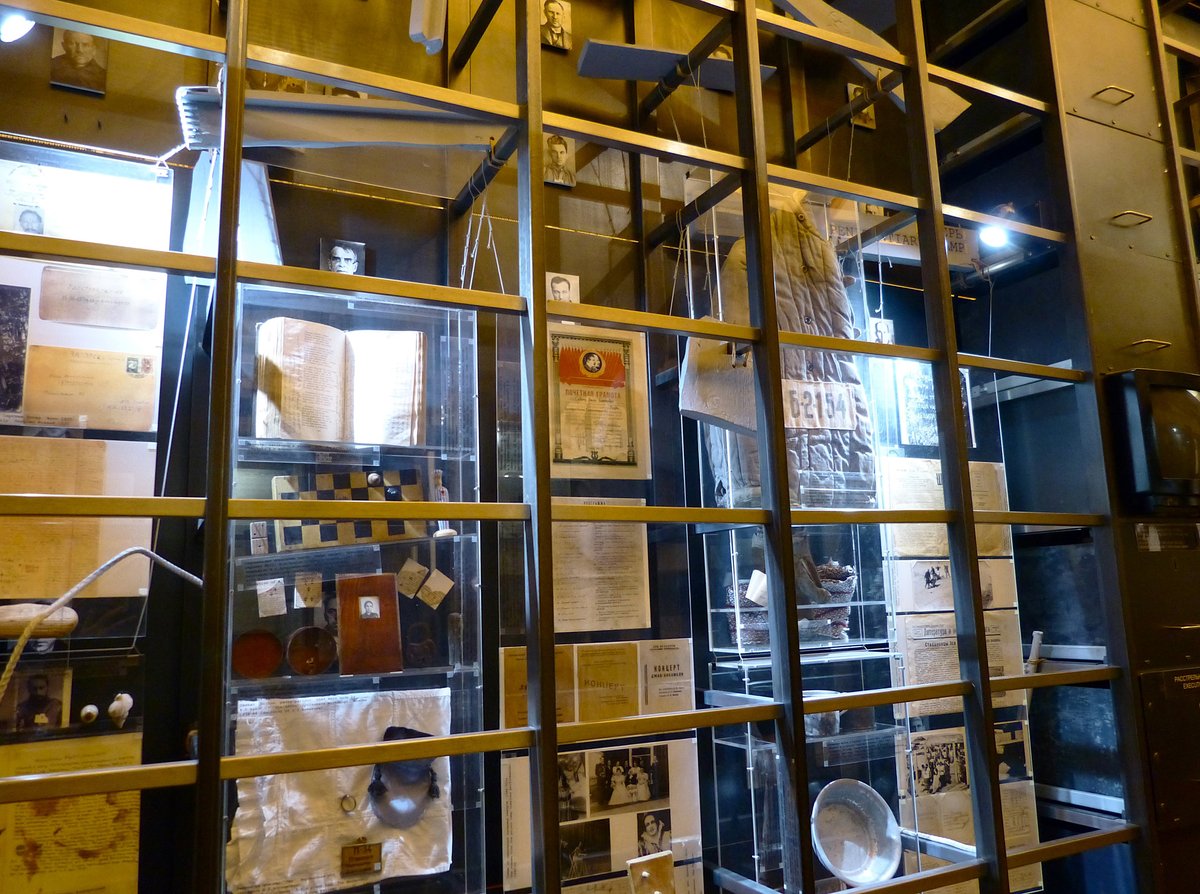
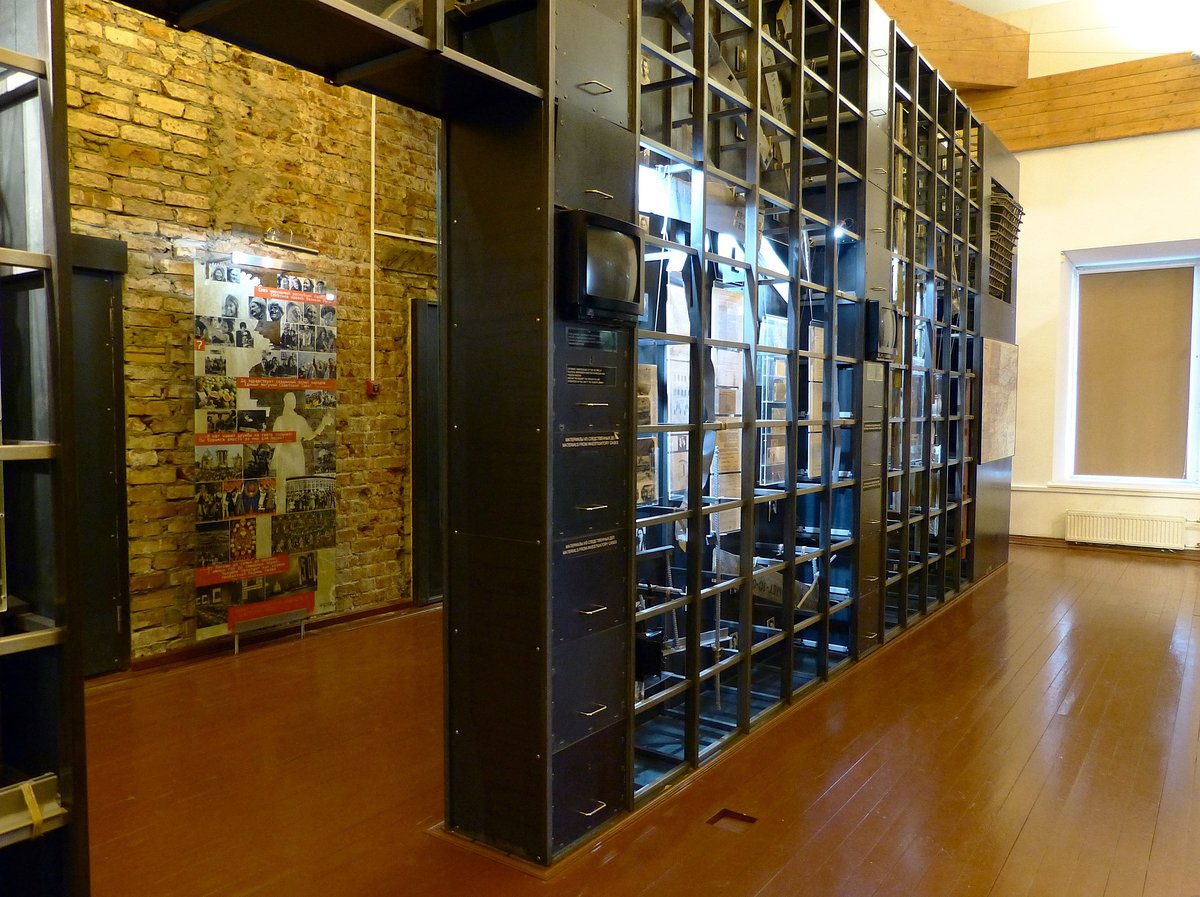
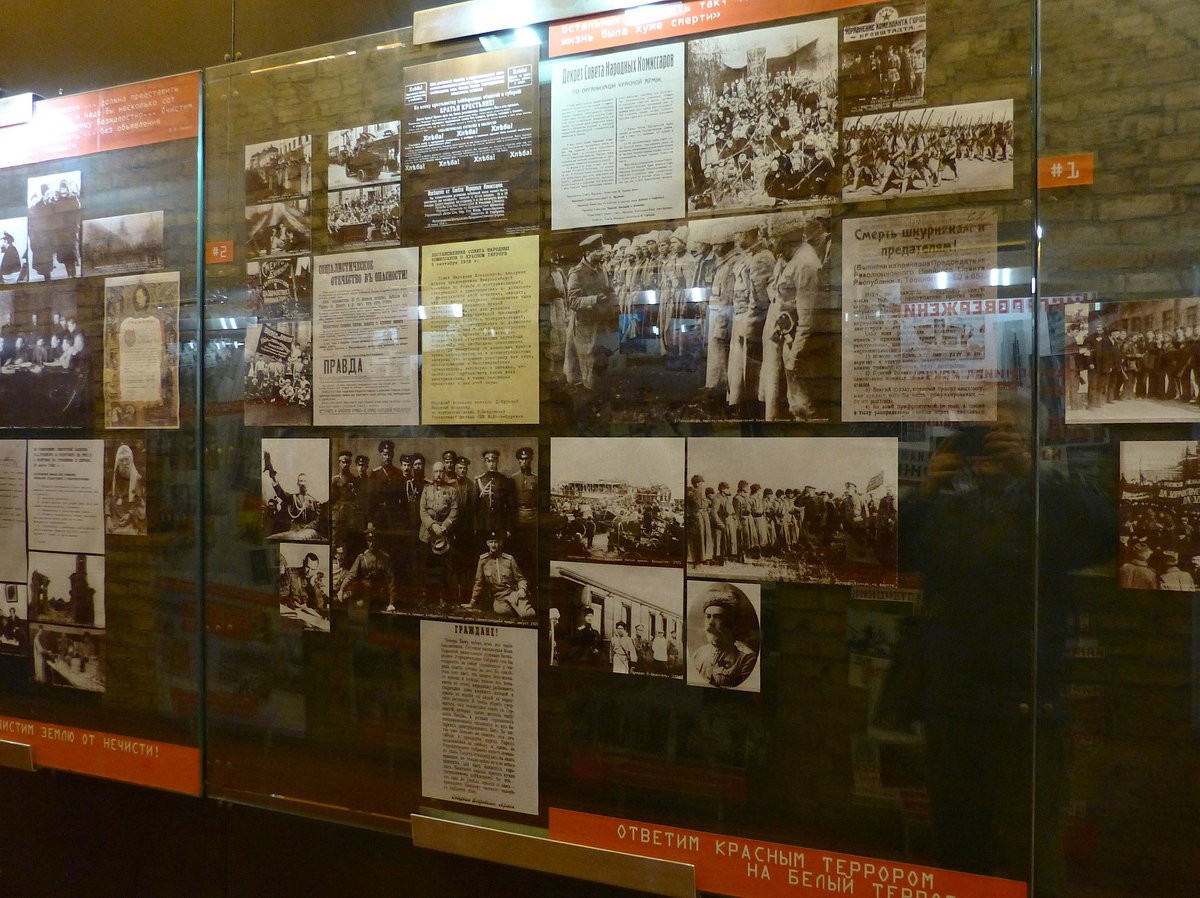
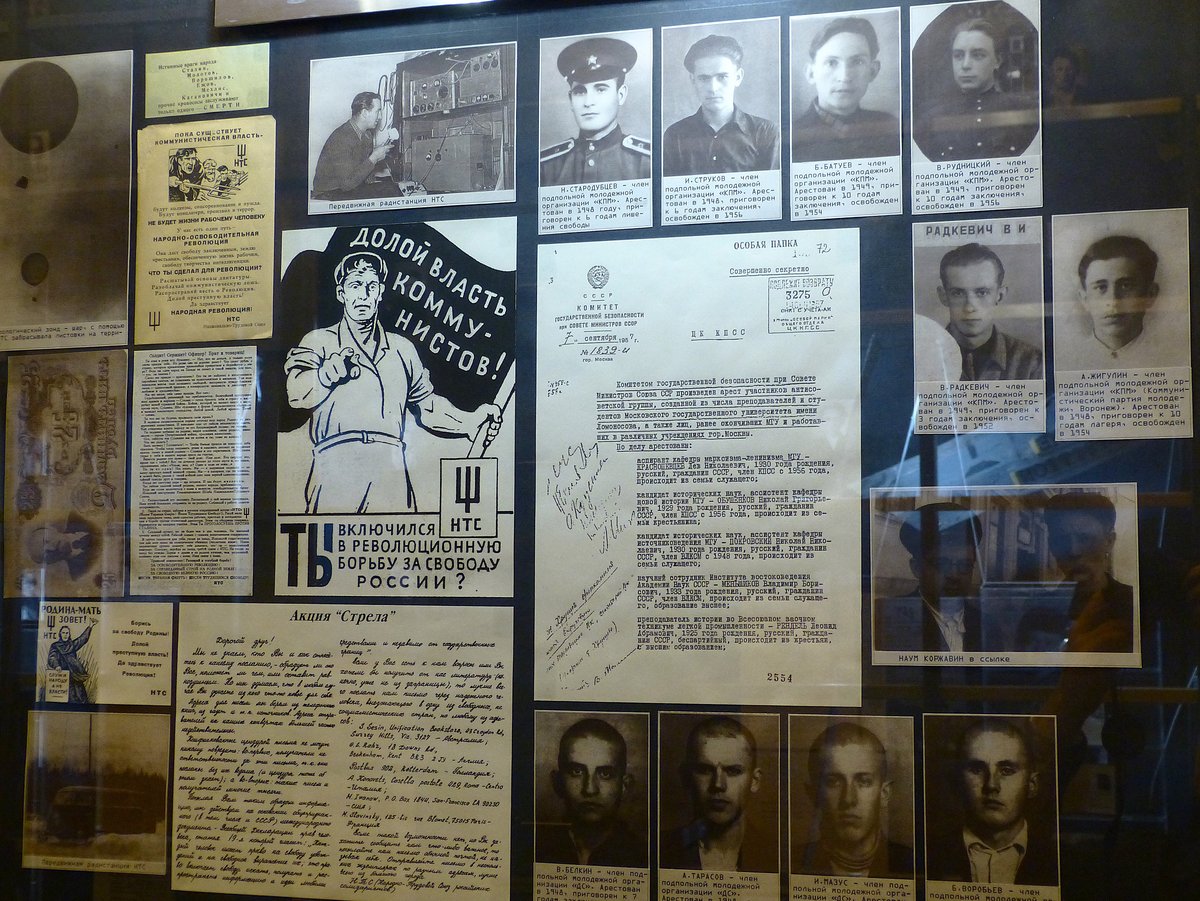
- Museum and Permanent Exhibitions: Showcasing Sakharov’s life, scientific work, and activism, with personal artifacts, documents, and multimedia installations.
- Archival Resources: Maintaining extensive archives on dissident movements, samizdat, and political repression, accessible to researchers and the public.
- Educational Programs: Organizing lectures, seminars, workshops, and national competitions to enhance historical education, especially on political repression and civil resistance (Sakharov Center official site).
- Public Events: Hosting film screenings, book presentations, debates, and commemorative activities, including the annual Sakharov Readings and the Festival of Freedom (Vreme).
- Advocacy: Supporting minority and LGBT rights, partnering with NGOs, and providing a platform for civil society initiatives.
Visiting Hours, Tickets, and Accessibility
Current Status (as of June 2025)
- Physical Premises: Closed since August 2023 by court order. No in-person visiting hours or ticket sales are available (Wikipedia).
- Digital Access: The Center maintains a strong online presence, offering virtual exhibitions, digitized archives, and educational resources (Sakharov Center official site).
Historical Information
- Typical Opening Hours: Tuesday–Sunday, 11:00 AM–7:00 PM; closed Mondays.
- Tickets: Admission to permanent exhibitions was generally free. Some special events or temporary exhibitions required advance reservations or a nominal fee (Lonely Planet).
- Guided Tours: Available by appointment, often in Russian and English. Recommended for groups or deeper exploration.
- Accessibility: The building was wheelchair accessible, with staff assistance available. Photography was generally permitted except during certain exhibitions.
Special Events and Unique Experiences
The Center was renowned for its dynamic events calendar:
- Annual Festivals: The Sakharov Readings and Festival of Freedom featured debates, art exhibitions, performances, and community gatherings (Sakharov Center official site).
- Memorialization: Hosted ceremonies for political repression victims and memorials for figures such as Boris Nemtsov.
- Contemporary Exhibitions: Showcased provocative art and performances, such as “Caution, Religion!” and “Moscow Trials,” which sometimes faced external disruption (Wikipedia).
Nearby Moscow Historical Sites
With the Sakharov Center’s physical closure, visitors interested in human rights and Soviet history can explore related sites in Moscow:
- Gulag History Museum: Explores the history of Soviet repression.
- Memorial Society Museum: Focuses on human rights and remembrance of Soviet-era victims.
- Museum of Political History of Russia: Offers a broader context on Russia’s political evolution.
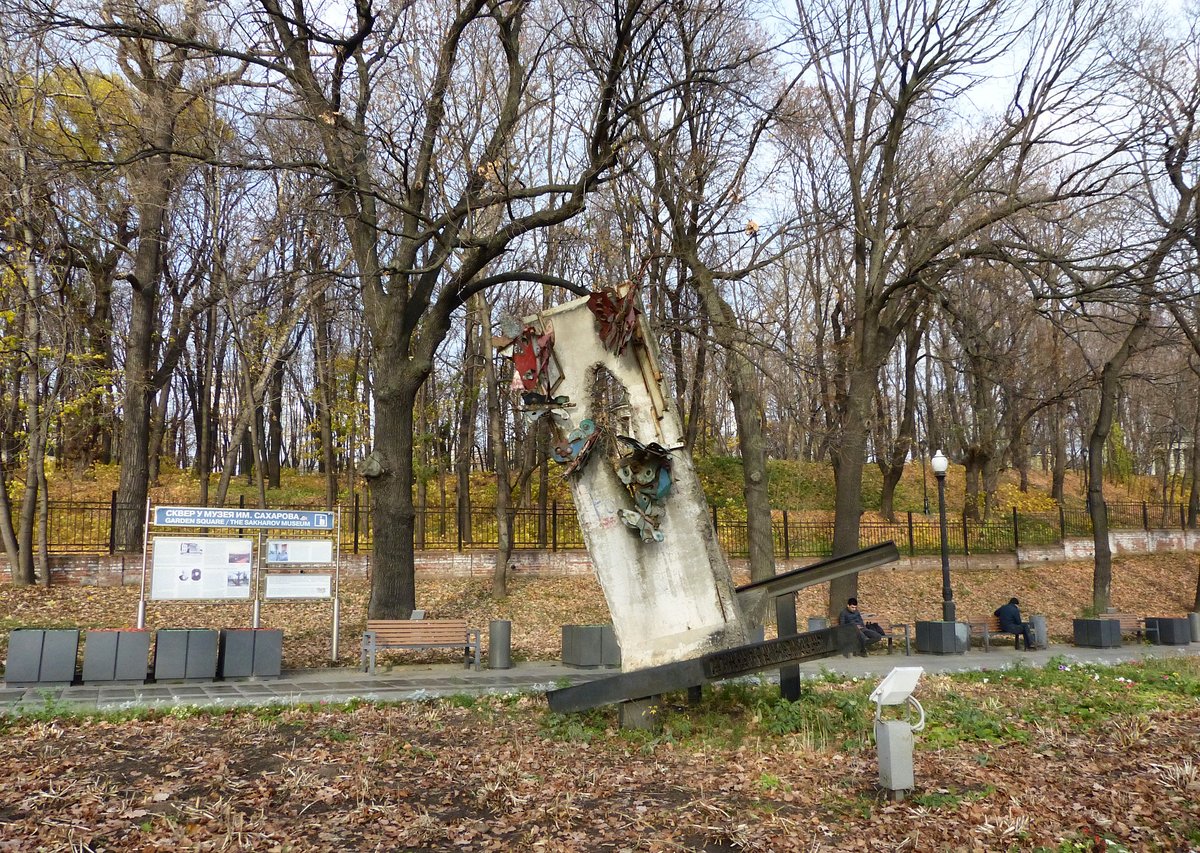
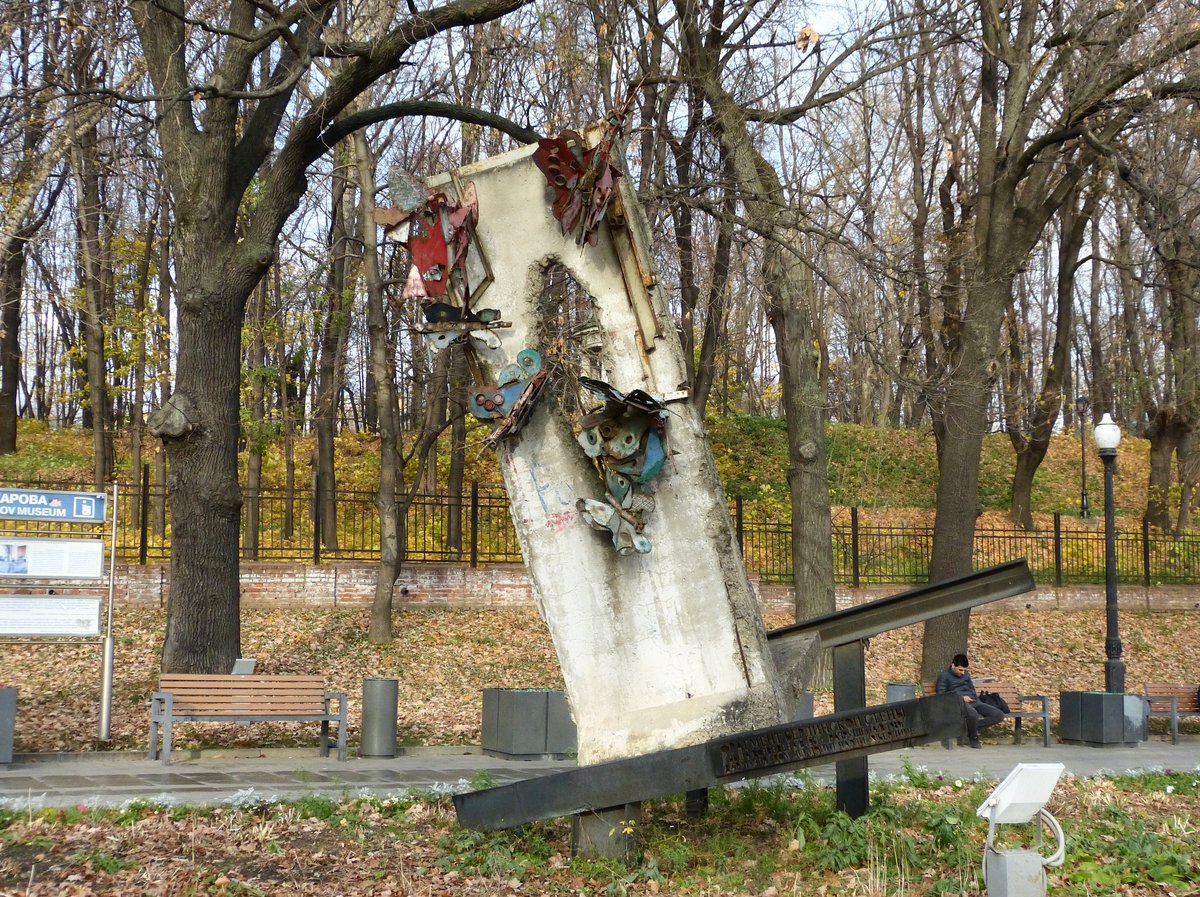
- Novodevichy Cemetery and Sakharov Monument: Important outdoor landmarks.
- Winzavod Contemporary Art Center and Moscow State Jewish Museum and Tolerance Center: Modern cultural venues that enrich an exploration of Moscow’s diverse history (Lonely Planet).
Challenges and Closure: Legal and Political Context
Increasing legal scrutiny and state pressure culminated in the Center’s designation as a "foreign agent" in 2014, followed by inspections, fines, and eventual liquidation in 2023 (FIDH). The closure aligns with a broader crackdown on independent organizations amid the political climate following the 2022 invasion of Ukraine (WION News; PBS NewsHour).
Digital Legacy and Preservation
Despite the loss of its physical home, the Sakharov Center continues its work through digital initiatives:
- Virtual Exhibitions and Archives: The official website provides online access to exhibitions, documents, and multimedia content.
- Educational Outreach: Online lectures, seminars, and collaborations with international partners ensure continued engagement.
- Social Media and Video: The Center’s YouTube channel and social media accounts share lectures, interviews, and event recordings, though they face ongoing regulatory risks.
- International Partnerships: Collaboration with global institutions helps safeguard digital archives and supports resilience against censorship (PBS NewsHour).
Frequently Asked Questions (FAQ)
Q: Is the Sakharov Center open to visitors?
A: No, the physical Center has been closed since August 2023. All exhibitions and archives are accessible online.
Q: Where can I access the Sakharov Center’s archives and exhibitions?
A: Visit the Sakharov Center’s official website for virtual exhibitions, documents, and educational materials.
Q: Are virtual tours available?
A: Yes, digital resources, virtual tours, and online lectures are available on the Center’s website and affiliated platforms.
Q: What are some alternative historical sites in Moscow?
A: The Gulag History Museum, Memorial Society Museum, Museum of Political History of Russia, Novodevichy Cemetery, and Sakharov Monument are recommended.
Q: How can I stay updated or support the Center?
A: Engage with the Center’s digital resources, participate in online events, and follow their social media channels.
Listen to the full story in the app
The whole Sakharov Center,
told well.
Audio guides for 1,100+ cities across 96 countries. History, stories, and local insight — offline ready.
Verified, and shown.
Researched and written by the Audiala editorial team from historical records, architectural archives, and local expertise.
Researched from Wikidata, Wikipedia & official sources · fact-checked · How we make our guides →