Plan and listen to Saint Vladimir Monument with Audiala.
Audio guide in your pocket, itinerary in your browser. Built for the way you actually visit.
Introduction
The Saint Vladimir Monument in Moscow is a towering tribute to Prince Vladimir the Great, celebrated for his pivotal role in the Christianization of Kievan Rus in 988 CE. Erected near the Kremlin in Borovitskaya Square, this monument is both a powerful symbol of Russian national identity and a testament to the enduring influence of Orthodox Christianity in the region. Whether you are a historian, traveler, or cultural enthusiast, visiting the Saint Vladimir Monument offers a unique lens into Russia’s past, present, and evolving national narrative (Medieval Chronicles; Pravmir).

Historical Background and Significance
Origins and Legacy of Saint Vladimir
Saint Vladimir, also known as Vladimir the Great, ruled as Grand Prince of Kiev from 980 to 1015 CE. He is most renowned for introducing Orthodox Christianity to the Kievan Rus, a move that shaped the spiritual and cultural foundations of Eastern Europe and established enduring ties between Russia and the Byzantine tradition (Medieval Chronicles). His reign marked a turning point, uniting diverse Slavic tribes and laying the groundwork for the Russian state.
Christianization of Kievan Rus
Vladimir’s conversion in 988 CE and subsequent Christianization of his realm initiated a period of religious, artistic, and social transformation. Byzantine-style architecture, iconography, and literacy spread throughout the region, positioning Kievan Rus as a major cultural power in medieval Europe.
Symbolism and Political Context
The monument’s prominent placement near the Kremlin reflects its role as a symbol of both religious and political unity. Its unveiling on National Unity Day in 2016, attended by President Vladimir Putin and Patriarch Kirill, highlighted the resurgence of Orthodox Christianity’s influence in Russian society and its deep entanglement with state identity (Pravmir; Artnet News).
Design and Construction
Designed by the acclaimed sculptor Salavat Shcherbakov, the monument stands approximately 16 to 17.5 meters tall and weighs around 300 tons (Artnet News; Tripomatic). Vladimir is depicted holding a cross and a sword, symbolizing his dual legacy as both a Christianizer and a warrior-ruler. The statue’s style merges Byzantine influences with Soviet monumentalism, encapsulating the layered history of Russia (Ruroom).
Controversies and International Reactions
The monument’s scale, symbolism, and location have been subjects of debate. Critics questioned its impact on Moscow’s skyline and its proximity to the Kremlin—concerns that led to a reduction in height and relocation from the originally proposed Sparrow Hills (BBC News; New East Archive). The monument’s unveiling, following the 2014 Crimea annexation, was seen by some in Ukraine as a provocative assertion over shared historical heritage, fueling ongoing debates about national identity.
Artistic and Architectural Influences
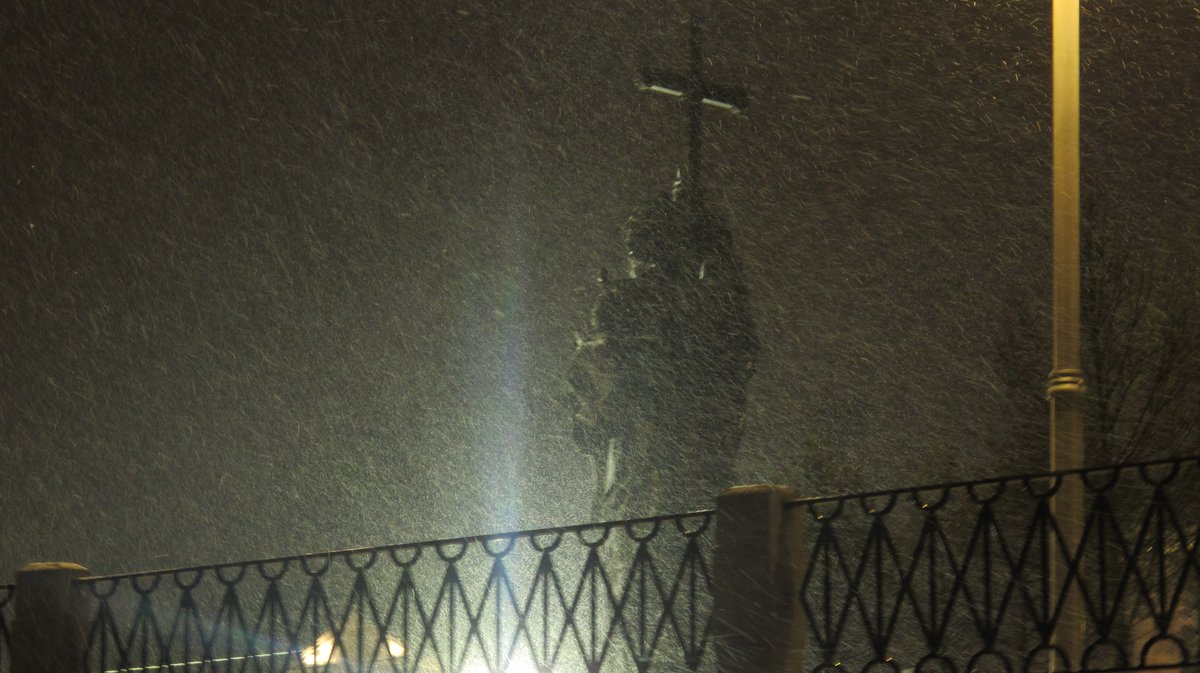
The statue’s monumental design features detailed princely attire and dramatic lighting, particularly striking at sunset and night. The pedestal is adorned with bas-reliefs depicting key episodes from Vladimir’s life, enhancing the site’s narrative impact (Ruroom).
Visitor Information
Location and Accessibility
The monument is situated in Borovitskaya Square, adjacent to the Kremlin’s southwestern walls, at 6s2 Mokhovaya ulitsa, Moscow. It is easily accessible via public transportation, with Borovitskaya Metro Station (Line 9) being the nearest stop (Tripomatic; thepresentperspective.com). The square is a short walk from Red Square and other central landmarks.
Visiting Hours and Best Times
The monument is outdoors and open to visitors around the clock, 24/7. There is no entrance fee. For optimal viewing and photography, visit during daylight hours, especially early morning or late evening to avoid crowds and capture the monument with favorable lighting (roadsandkingdoms.com).
Tickets and Admission
There are no tickets required, as the site is freely accessible at any time. Guided tours that include the monument as part of broader historical itineraries can be booked through local tour operators or official visitor centers.
Guided Tours
Many guided walking tours of Moscow’s historical core feature the Saint Vladimir Monument, providing rich background and cultural context. Booking in advance with reputable operators is advised, especially during peak seasons (thepresentperspective.com).
Practical Visitor Tips
- Safety: The area is generally safe, with a visible police presence due to proximity to government buildings. Be aware of pickpocketing in crowded areas.
- Photography: Photography is encouraged; the monument is particularly photogenic at golden hour or after snowfall. Drones are prohibited.
- Accessibility: The square is wheelchair-friendly with paved paths, but peak crowds may present challenges for those with mobility issues.
- Weather: Dress seasonally. Winters are cold and icy, so sturdy footwear is recommended; summers are warm, so bring sun protection and water (hikersbay.com).
Cultural Etiquette
Respectful behavior is expected, as the monument holds religious and national significance. Avoid climbing on the statue or disruptive conduct. Special religious observances, such as St. Vladimir’s feast day on July 15, may draw large crowds (e-vesti.ru).
Nearby Attractions and Suggested Itineraries
Combine your visit with other major Moscow sites:
- The Kremlin: Explore museums, cathedrals, and the Armoury Chamber.
- Red Square: Visit St. Basil’s Cathedral, Lenin’s Mausoleum, and the State Historical Museum.
- Arbat Street: Enjoy shopping, dining, and historic ambiance.
- Cathedral of Christ the Saviour: A short walk away and the tallest Orthodox church in the world.
A suggested itinerary: morning at the monument, a tour of the Kremlin and Red Square, lunch locally, then a stroll along Arbat Street (thepresentperspective.com).
Health, Safety, and Entry Requirements
- Visa: Most visitors need a visa, obtained in advance with an invitation letter, valid passport, and sometimes proof of insurance (ivisatravel.com; penguintravel.com).
- Registration: Register your stay within seven days of arrival; hotels typically handle this.
- Medical: Comprehensive travel insurance is recommended.
Costs and Amenities
- Admission: Free
- Nearby Attractions: Kremlin museums (700–2,000 rubles), St. Basil’s Cathedral (800 rubles), guided tours (1,500–5,000 rubles)
- Amenities: Cafes, restrooms, souvenir shops, and ATMs are available nearby.
Special Events and Seasonal Highlights
The monument is a focal point for major events, including Unity Day (November 4) and St. Vladimir’s Day (July 15). Evening illuminations make it a striking nighttime destination.
Architectural and Urban Impact
The monument has sparked debate over monumental art in Moscow’s historic core, with some critics concerned about its impact on the skyline and the symbolism of placing Vladimir—a ruler of Kiev—in Moscow (New East Archive; Straits Times). Despite this, it has become a defining feature of the cityscape, complementing the Kremlin and nearby Pashkov House, and contributing to Moscow’s evolving identity.
Frequently Asked Questions (FAQ)
Q: What are the visiting hours?
A: The monument is accessible 24/7, all year round.
Q: Is there an entrance fee?
A: No, visiting the monument is free.
Q: Are guided tours available?
A: Yes, many local tours include the monument.
Q: Is the monument accessible for people with disabilities?
A: Yes, there are paved paths and ramps.
Q: Can I use a drone for photography?
A: No, drones are not allowed due to proximity to the Kremlin.
Q: What nearby attractions can I visit?
A: The Kremlin, Red Square, Arbat Street, and Cathedral of Christ the Saviour.
Q: Do I need a visa to visit Moscow?
A: Most foreign visitors require a visa and must register upon arrival.
Summary and Visitor Recommendations
The Saint Vladimir Monument is a must-see for anyone interested in Russia’s rich spiritual, cultural, and political history. Its impressive scale, central location, and connection to key historical events make it an essential stop on any Moscow itinerary. Free to visit and open at all hours, the monument is both a symbol of national pride and a site for reflection on Russia’s multifaceted heritage. Enhance your experience by joining a guided tour and exploring nearby landmarks. Don’t forget to plan ahead regarding travel documents and seasonal weather.
For a deeper, more interactive experience, download the Audiala app for expert audio guides, insider tips, and detailed maps.
Listen to the full story in the app
The whole Saint Vladimir Monument,
told well.
Audio guides for 1,100+ cities across 96 countries. History, stories, and local insight — offline ready.
Verified, and shown.
Researched and written by the Audiala editorial team from historical records, architectural archives, and local expertise.
Vladimir the Great: Architect of Russia’s Christian Legacy and Cultural Renaissance
(2016). Vladimir Putin Erects Statue of Namesake Next to Kremlin
(2016). The Legacy of Vladimir the Great
(2016). Monument to St. Vladimir Duke Unveiled in Moscow
Monument to Vladimir the Great
Monument to Prince Vladimir
Moscow Travel Guide
(2016). Moscow’s Controversial Vladimir the Great Statue Finally Unveiled
Researched from Wikidata, Wikipedia & official sources · fact-checked · How we make our guides →