Plan and listen to Red Square with Audiala.
Audio guide in your pocket, itinerary in your browser. Built for the way you actually visit.
Introduction to Red Square Moscow
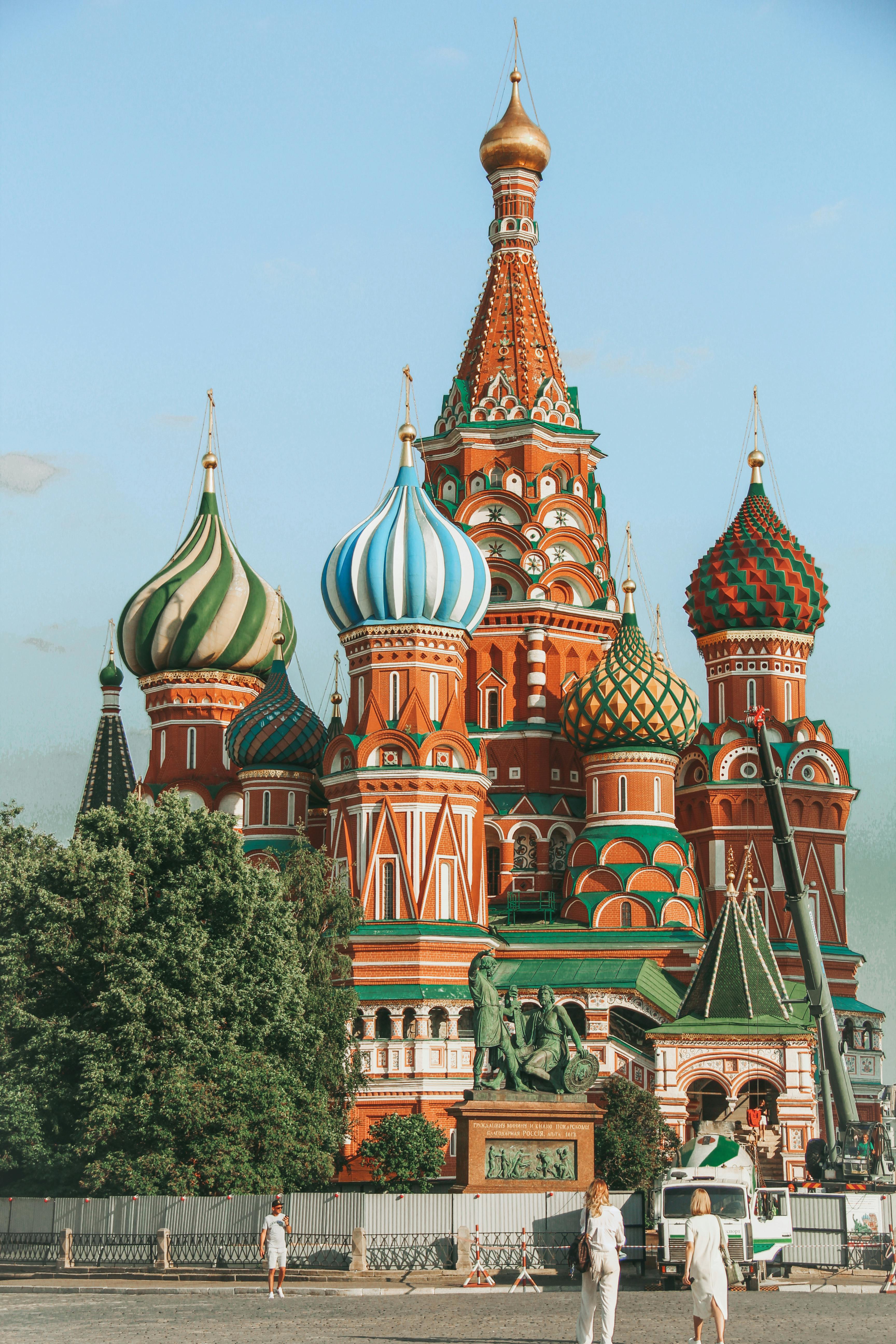
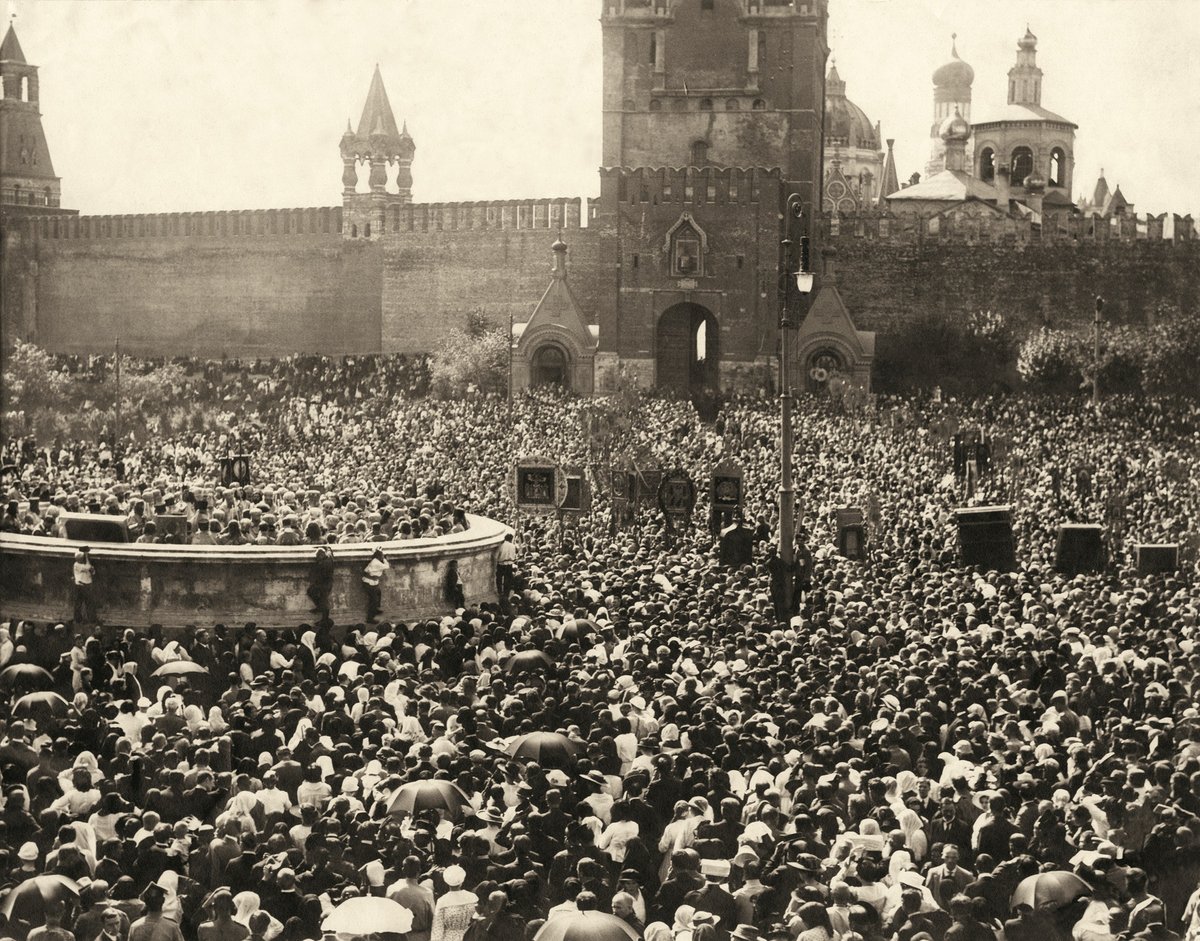
Red Square (Krasnaya Ploshchad) stands as Moscow’s most iconic and historically significant landmark, serving as a vibrant epicenter of Russia’s culture, politics, and architecture. Established in the late 15th century under Ivan III, Red Square has evolved from a humble marketplace into the symbolic heart of the Russian nation, witnessing tsarist coronations, Soviet parades, and modern celebrations. Its name, derived from the Old Russian word for “beautiful,” underscores its enduring aesthetic and cultural value. Today, Red Square is both a bustling public space and a living museum, bordered by architectural masterpieces like St. Basil’s Cathedral, the Kremlin, Lenin’s Mausoleum, and the State Historical Museum (History.com, National Geographic, Mad Traveller).
This guide provides a comprehensive overview of Red Square’s history, essential visitor information—including visiting hours, ticketing, and accessibility—and practical travel tips to maximize your experience at Moscow’s most famous destination.

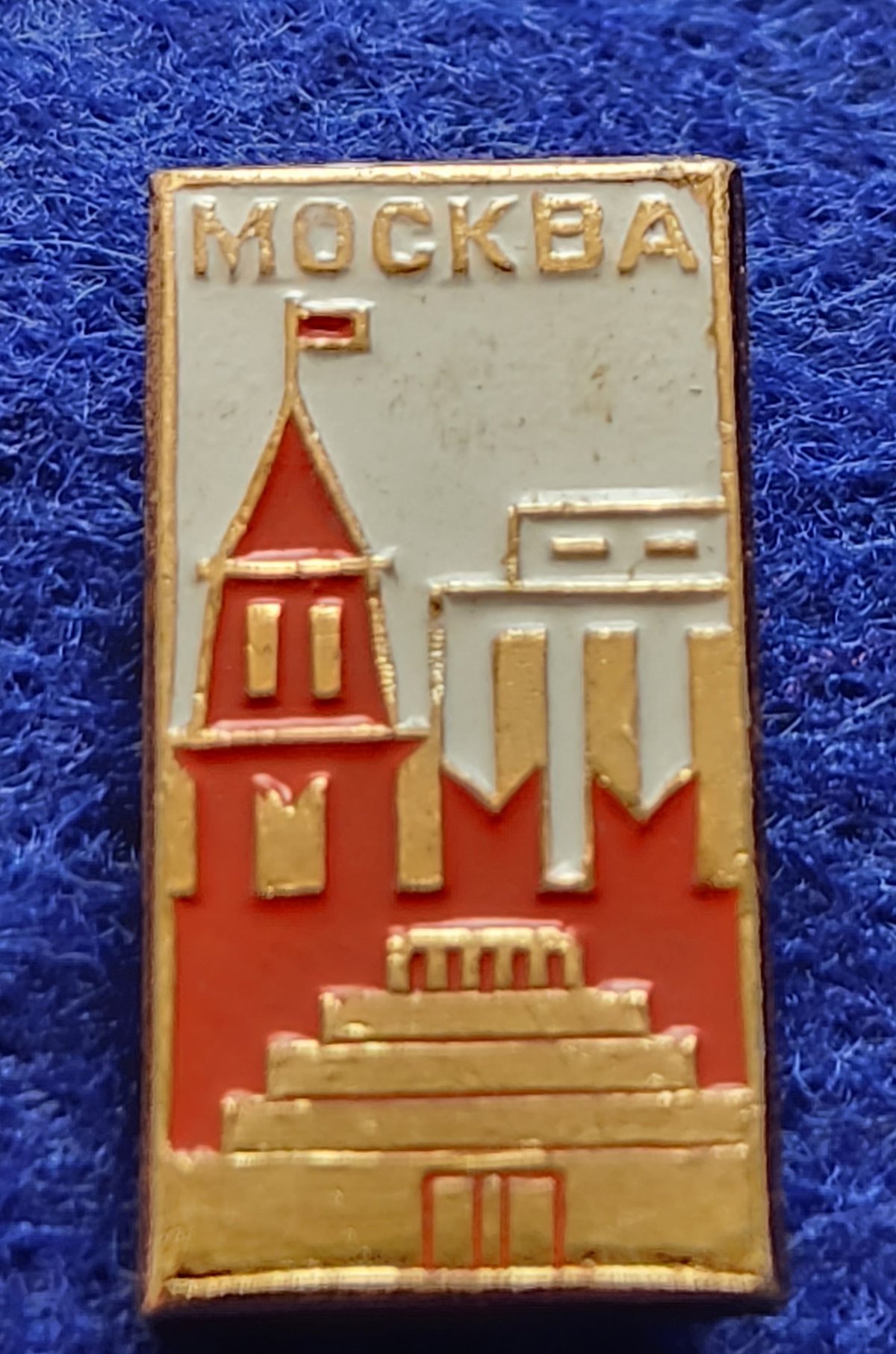
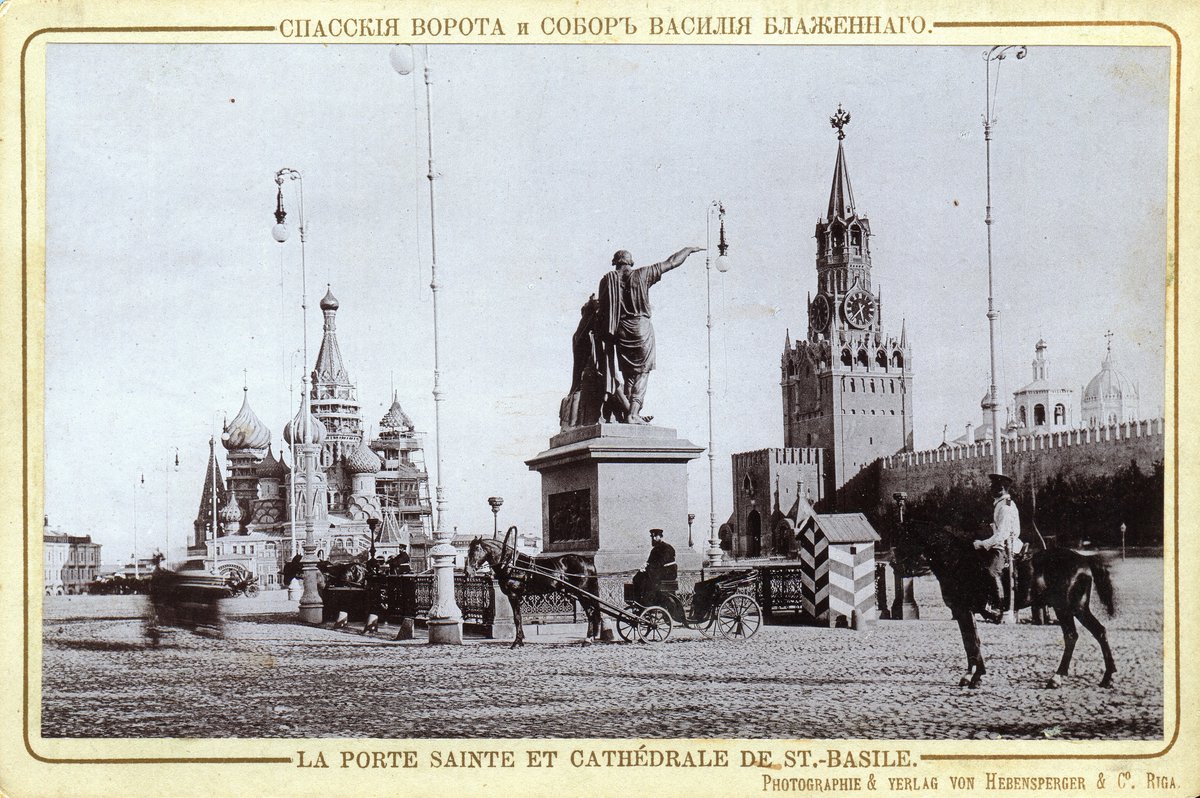
Early Development
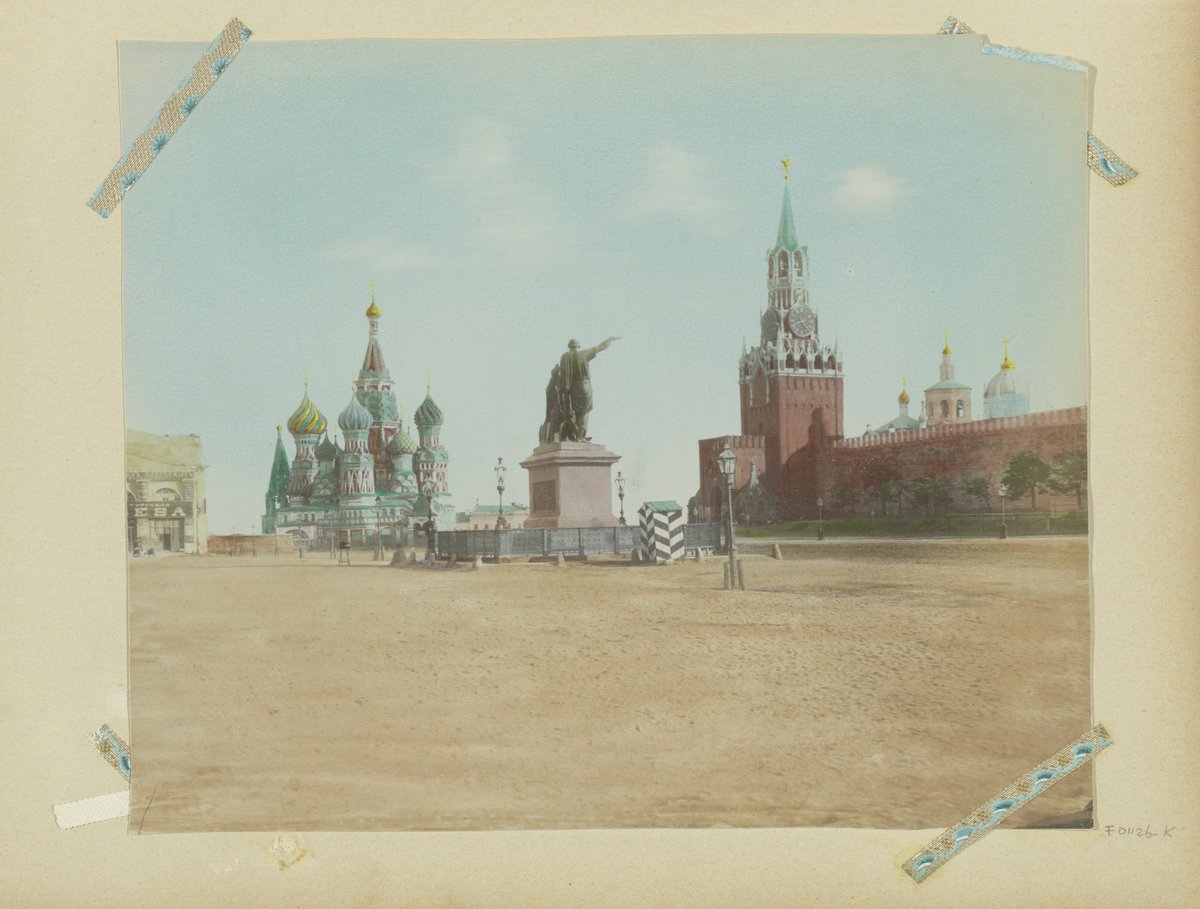
Red Square originated during Ivan III’s rule in the late 15th century, when the area east of the Kremlin served as a market and gathering place. Ivan III cleared the slums to create a grand public square adjacent to the newly rebuilt Kremlin, transforming it into Moscow’s main commercial and civic hub (History.com). The square’s name is often misconstrued as a reference to the color red or communism; however, “krasnaya” originally meant “beautiful” in Old Russian. The square was initially known as Trinity Square after the church that once stood at its southern end.
Tsarist Era Transformations
From the 16th to the 19th century, Red Square expanded its role beyond commerce, becoming a stage for religious ceremonies, royal proclamations, and even public executions. St. Basil’s Cathedral, constructed between 1555 and 1561 under Ivan IV (Ivan the Terrible), remains the most recognizable symbol of the square (National Geographic). The white stone platform Lobnoye Mesto was built in the 16th century for official announcements and ceremonies, further cementing Red Square’s central place in Russian public life (History.com).
Architectural and Cultural Landmarks
Red Square is surrounded by some of Russia’s most important landmarks:
- St. Basil’s Cathedral: Renowned for its colorful onion domes and intricate architecture, it commemorates Ivan the Terrible’s victory over Kazan. Open daily (except Wednesdays) from 11:00 AM to 6:00 PM, tickets approximately 500–700 RUB (Mad Traveller).
- The Kremlin: The seat of Russian power, with its red walls and grand towers, lies to the west of the square. Kremlin museums require separate tickets and are open daily (except Thursdays) from 10:00 AM to 5:00 PM (National Geographic).
- Lenin’s Mausoleum: Houses the embalmed body of Vladimir Lenin. Entry is free, open Tuesday–Thursday and Saturday from 10:00 AM to 1:00 PM, with strict security and no photography allowed (Russiable.com).
- State Historical Museum: Exhibits Russian history from ancient to modern times. Open daily (except Tuesdays) from 10:00 AM to 6:00 PM, tickets around 500–700 RUB (Mad Traveller).
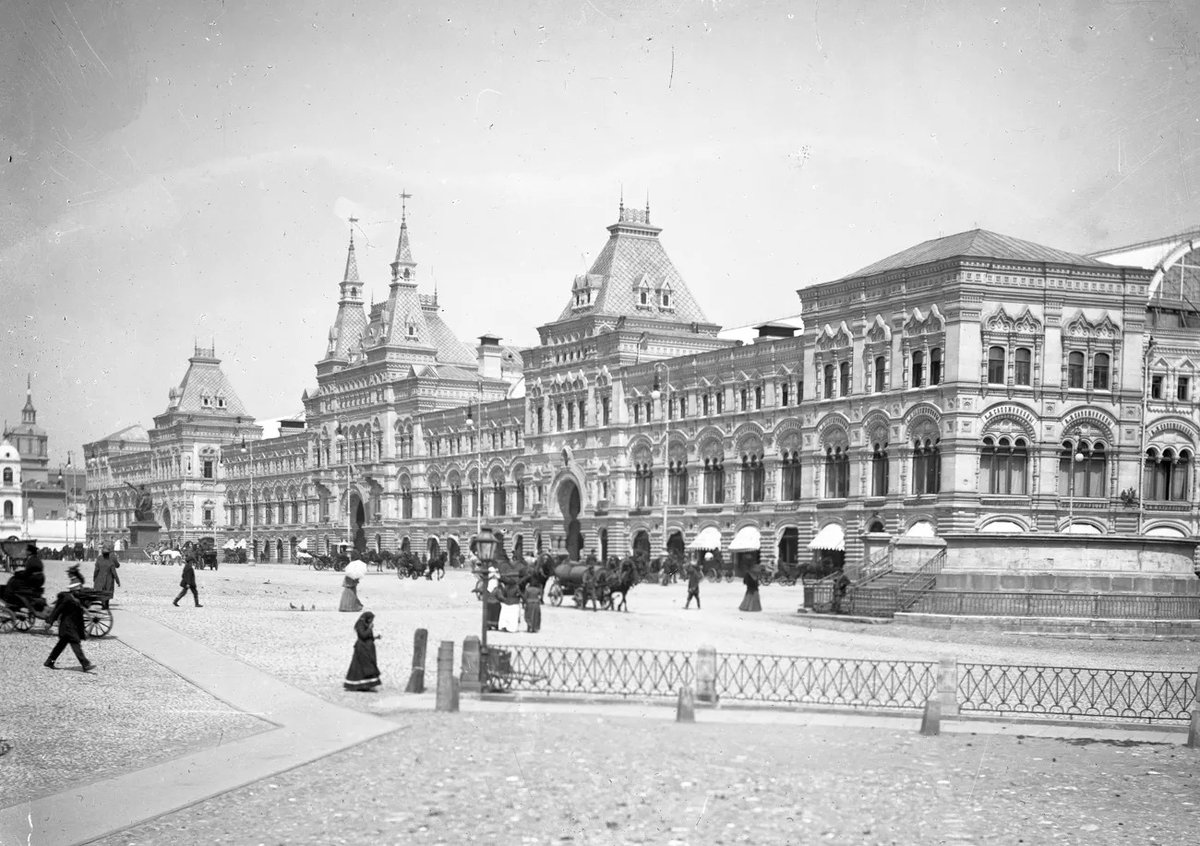
- GUM Department Store: A 19th-century shopping arcade hosting luxury boutiques, cafes, and art exhibitions, open daily from 10:00 AM to 10:00 PM (Russiable.com).
- Kazan Cathedral: A brightly colored Orthodox church rebuilt in the 1990s, open daily from 9:00 AM to 7:00 PM (Wikipedia).
- Lobnoye Mesto: A historic stone platform used for official proclamations (Sadaz Editions).
- Resurrection Gate and Iverskaya Chapel: The ceremonial entrance to Red Square, rebuilt in the 1990s, and home to a revered religious icon (Wikipedia).
Red Square in the Soviet and Modern Era
Soviet Period
Red Square was redefined as the ideological heart of the Soviet Union, hosting grand military parades and mass demonstrations. Lenin’s Mausoleum became a site of political pilgrimage after 1924. Notably, the 1941 parade saw Soviet troops march directly from Red Square to the front lines during World War II, and the 1945 Victory Parade celebrated the defeat of Nazi Germany (HistoryTools.org).
Post-Soviet Era
Since 1991, Red Square has emerged as a vibrant venue for cultural events, concerts, and festivals, while still hosting major state ceremonies like the annual Victory Day Parade. Its status as a UNESCO World Heritage Site since 1990 affirms its global cultural value (National Geographic).
Key Events and Symbolic Importance
Throughout its history, Red Square has witnessed:
- Coronations and Religious Ceremonies: Reinforcing its status as both a sacred and political space (HistoryHit.com).
- Parades and Demonstrations: Soviet-era military parades and public gatherings became iconic representations of state power (HistoryTools.org).
- Mathias Rust Incident: In 1987, a German pilot landed near Red Square, exposing Soviet air defense vulnerabilities (HistoryHit.com).
- Modern Festivals: Today, Red Square hosts events ranging from folk festivals to international concerts (Moscow Chamber Orchestra).
Red Square’s role as a gathering place for national triumphs and tragedies cements its place in the Russian collective memory.
Visiting Red Square: Hours, Tickets, and Accessibility
Red Square Visiting Hours
- Red Square (public area): Open 24/7 year-round. Access may be restricted during major state events or parades.
- St. Basil’s Cathedral: Daily (except Wednesdays) 11:00 AM–6:00 PM.
- Kremlin Museums: Daily (except Thursdays) 10:00 AM–5:00 PM.
- Lenin’s Mausoleum: Tuesday–Thursday, Saturday, 10:00 AM–1:00 PM.
- State Historical Museum: Daily (except Tuesdays) 10:00 AM–6:00 PM.
- GUM Store: 10:00 AM–10:00 PM daily.
Tickets
- Red Square: Free entry.
- St. Basil’s Cathedral: ~500–700 RUB.
- Kremlin: 700–1,500 RUB, depending on exhibitions and guided tours.
- Lenin’s Mausoleum: Free, but subject to security checks and timed entry.
- State Historical Museum: ~500–700 RUB.
- Tickets are available online and on-site; advance booking is recommended during peak seasons.
Accessibility
- Red Square is paved and generally accessible for wheelchair users, though cobblestones may pose challenges.
- GUM, State Historical Museum, and Kremlin offer ramps and elevators.
- Some historic buildings have limited accessibility due to preservation constraints. Always check official resources for up-to-date accessibility details.
Travel Tips and Seasonal Events
- Best Times to Visit: Early mornings and weekdays are less crowded. Spring and autumn offer pleasant weather and fewer tourists (Travellers Worldwide).
- Security: Expect bag checks and metal detectors at entrances.
- Guided Tours: Enhance your visit with English-language or multilingual tours for deeper historical context.
- Photography: Allowed outdoors and in many interiors, but prohibited in Lenin’s Mausoleum and during religious services.
- Events: Major parades (May 9 Victory Day, June 12 Russia Day), Christmas markets, and ice skating in winter. Check event calendars for possible access restrictions (ETS Russia Travel).
- Facilities: Restrooms and cafes available in GUM; ATMs and information desks in major buildings.
Nearby Attractions
- Alexander Garden: Adjacent to the Kremlin, home to the Tomb of the Unknown Soldier.
- Bolshoi Theatre: Renowned for ballet and opera (TravelSetu).
- Arbat Street: Historic pedestrian street with shops and street performers.
- Moskva River: Offers scenic views from nearby bridges (TripSavvy).
Frequently Asked Questions (FAQ)
Q: What are Red Square’s opening hours?
A: The square is open 24/7; individual attractions have specific hours. Check official sites before visiting.
Q: Do I need tickets to enter Red Square?
A: No, Red Square itself is free. Tickets are required for St. Basil’s Cathedral, the Kremlin, museums, and some exhibitions.
Q: Is Red Square wheelchair accessible?
A: The square and some attractions are wheelchair accessible, but cobblestones and historic structures may pose challenges.
Q: Can I take photos inside Lenin’s Mausoleum?
A: No, photography is strictly prohibited inside.
Q: What is the best time to visit?
A: May to September offers mild weather and lively festivals; early mornings and weekdays are ideal for fewer crowds.
Listen to the full story in the app
The whole Red Square,
told well.
Audio guides for 1,100+ cities across 96 countries. History, stories, and local insight — offline ready.
Verified, and shown.
Researched and written by the Audiala editorial team from historical records, architectural archives, and local expertise.
Researched from Wikidata, Wikipedia & official sources · fact-checked · How we make our guides →