Plan and listen to National Film Actors' Theatre with Audiala.
Audio guide in your pocket, itinerary in your browser. Built for the way you actually visit.
Introduction
The National Film Actors' Theatre (Национальный театр киноактёра) in Moscow stands as a unique bridge between Russian cinema and live drama, offering a rare blend of stage artistry and cinematic heritage. Founded in 1943, amid the turmoil of World War II, the theatre was envisioned as a creative haven for film actors to perfect their stagecraft and engage audiences off-screen (Russia-IC). Over the decades, it has nurtured generations of celebrated actors and evolved into a vital hub for both traditional and contemporary performing arts, reflecting the enduring importance of theatre and cinema in Russian culture.
This guide provides a comprehensive overview for visitors and cultural enthusiasts, detailing the theatre's history, practical information on visiting hours and ticketing, accessibility, nearby attractions, and essential travel tips.


Foundation and Early Years
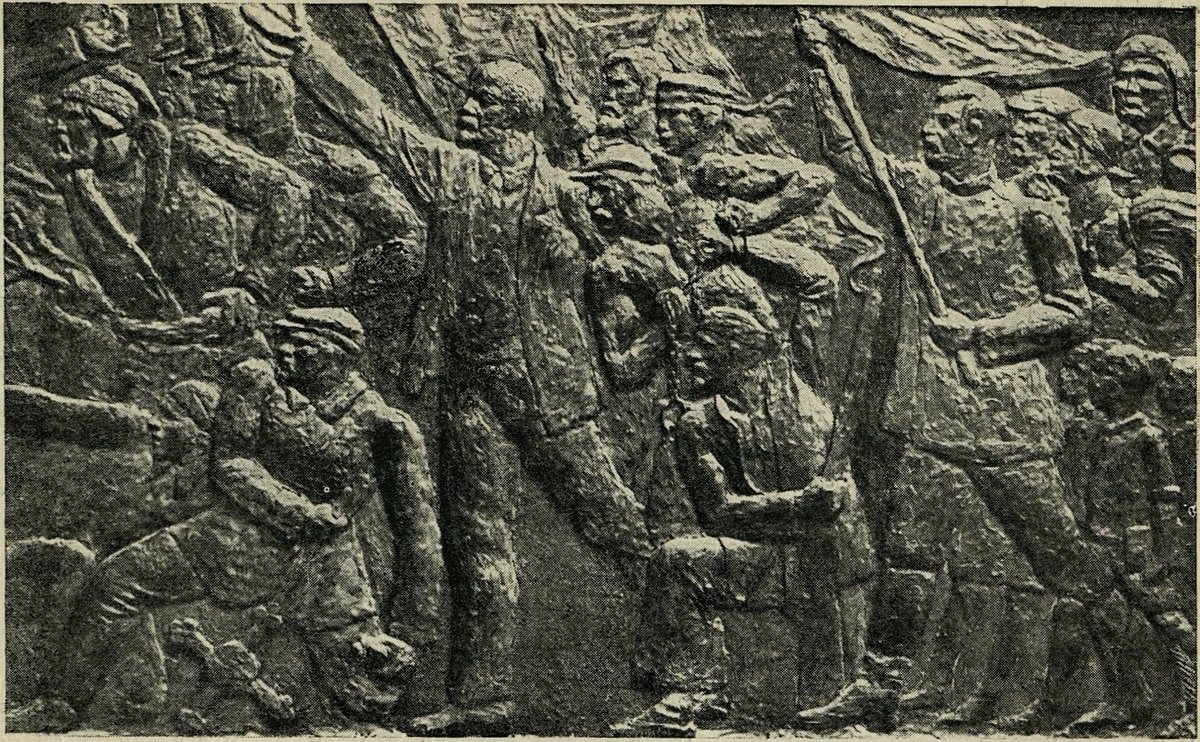
Established in 1943, the National Film Actors’ Theatre was conceived as a dedicated space for actors between film projects and as a means to support Soviet cultural goals. The initiative stemmed from state policies that viewed cinema and theatre as powerful tools for both artistic development and ideological communication (Britannica). The theatre quickly became a professional home for film actors, helping them adapt their craft to the unique demands of the stage.
Soviet Era Development
During the Soviet period, the theatre was instrumental in shaping performance styles rooted in psychological realism, drawing from the system developed by Konstantin Stanislavsky. Its productions often mirrored socialist themes and promoted Russian classics, responding to the ideological climate while maintaining artistic integrity (Big Think). The theatre also served as a training ground for students from prestigious institutions such as VGIK, contributing to the professionalization of Russian acting.
Postwar Expansion and Modernization
In the decades following World War II, the theatre expanded its repertoire, embracing modern works and innovative staging within the constraints of Soviet censorship. The 1960s and 1970s were particularly notable for artistic achievements and the rise of prominent actors and directors who would go on to influence Soviet and post-Soviet cultural life (Russia-IC). Touring productions, both domestic and international, helped to spread Russian culture and the theatre’s unique approach to performance.
Post-Soviet Transformation
With the collapse of the Soviet Union, the theatre faced new challenges, including reduced state funding and shifting audience expectations. Adapting to these changes, it diversified its programming to include contemporary Russian and international works, while also strengthening its educational initiatives through partnerships and workshops (Express to Russia). Today, it remains a dynamic centre for artistic exchange, embracing digital outreach and international collaborations.
Architectural and Institutional Features
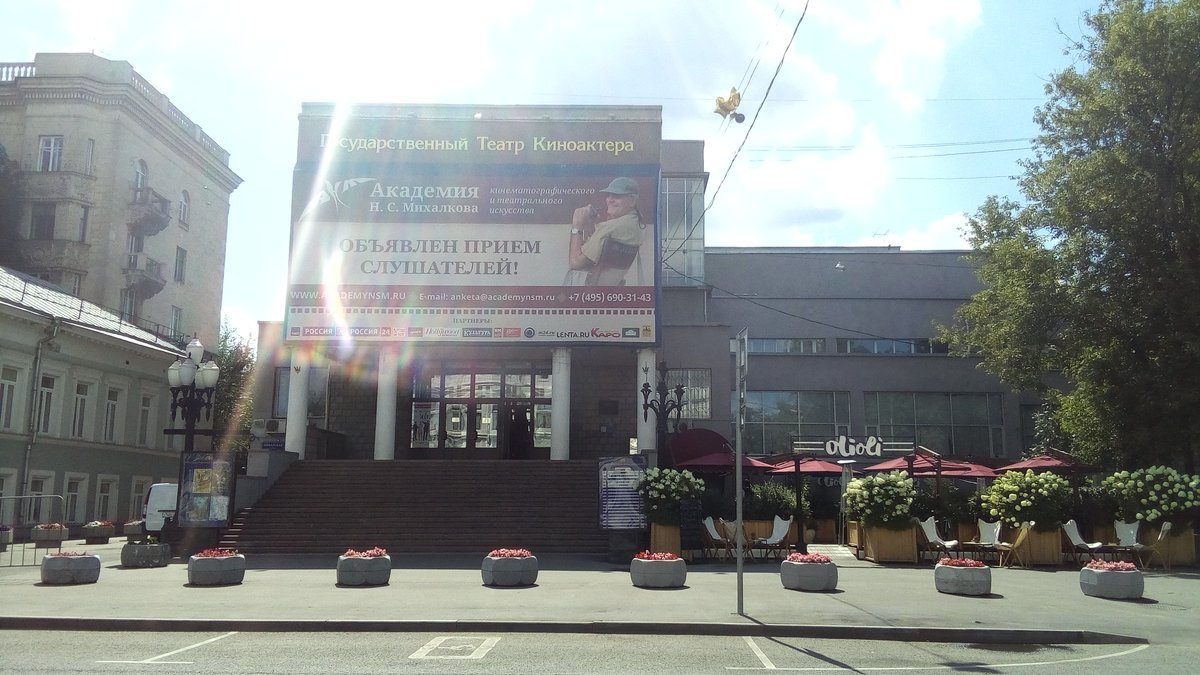
Housed in a mid-20th-century building designed by the Vesnin brothers, the theatre is an example of early Soviet functionalism blended with subtle decorative touches (Wikipedia). Its central Moscow location in the Arbat District makes it easily accessible, and its spaces—ranging from the main auditorium to smaller studios—are well-suited to both classical and experimental productions. The theatre’s archives preserve a wealth of memorabilia related to Russian cinema and theatre history.
Notable Productions and Artistic Influence
Over its history, the National Film Actors’ Theatre has staged works by Russian literary giants like Chekhov, Dostoevsky, and Pushkin, as well as international classics. It is recognized for its innovative stagings and has hosted acclaimed directors and actors who have shaped Russian performing arts.
Visiting the National Film Actors’ Theatre: Practical Information
Location and Getting There
- Address: 33 Povarskaya Street, Arbat District, Central Administrative Okrug, Moscow
- Metro: Arbatskaya (Lines 3 and 4), Smolenskaya (Line 3), and Okhotny Ryad and Teatralnaya stations are also within walking distance.
- Other Transport: Taxis (Yandex.Taxi, Uber), and various bus/trolleybus routes serve the area (Onmanorama).
Visiting Hours
- Box Office: Open from 11:00 AM until the start of the evening performance (usually 7:00 PM).
- Performance Times: Matinees at 12:00 PM and evenings at 7:00 PM; check the official website for the latest schedule.
- Closed: Mondays and select public holidays.
Ticket Information
- Purchase: Online via the official website or at the box office.
- Pricing: 800 to 3,500 RUB (approx. $10–$45 USD), with discounts for students, seniors, and groups.
- Entry: Bring valid photo ID, especially for e-tickets.
Accessibility
- Mobility: The theatre offers ramps and reserved seating but, as a historic building, some areas may have limited accessibility—contact in advance for specific needs.
- Audio Guides/Subtitles: Available for select performances; most shows are in Russian without translation (VisitRussia).
Facilities
- Cloakroom: Free, mandatory for coats and large bags.
- Café/Bar: Light refreshments available; more extensive dining options in the Arbat District (Facts.net).
- Security: Routine bag checks and metal detectors.
- Gift Shop: Theatre-related literature and souvenirs.
Audience Experience and Etiquette
- Dress Code: Smart casual is recommended; avoid overly casual attire (Onmanorama).
- Arrival: Arrive 20–30 minutes before showtime for security and seating.
- Conduct: Photography and recording are prohibited during performances. Mobile phones must be silenced.
- Applause: Enthusiastic clapping is customary at the end of scenes or acts.
Special Events and Educational Programs
The theatre regularly participates in major festivals, such as the Moscow International Film Festival and Chekhov International Theatre Festival (ETS Russia Travel). Special workshops, masterclasses, and guided tours are occasionally offered—check the official website for updates.
Nearby Attractions
Combine your theatre visit with nearby highlights:
- Red Square
- Bolshoi Theatre
- State Historical Museum
- Pushkin Museum of Fine Arts
- Arbat Street
These sites are easily accessible and enrich your cultural itinerary (Facts.net).
Frequently Asked Questions (FAQ)
Q: What are the visiting hours?
A: The box office is open from 11:00 AM until just before the evening performance, with shows at 12:00 PM and 7:00 PM.
Q: How can I buy tickets?
A: Online via the official website or at the box office.
Q: Are performances subtitled?
A: Most are in Russian; check for special events with English subtitles.
Q: Is the theatre wheelchair accessible?
A: Partially; contact the theatre for specific accommodations.
Q: Are children admitted?
A: Generally, children under 6 are not admitted; some shows have higher age restrictions.
Travel Tips
- Plan ahead: Book tickets in advance, especially for festivals.
- Language: Familiarize yourself with the plot or bring a Russian-speaking friend if you don’t speak Russian.
- Combine visits: Take advantage of the theatre’s central location to explore other sites.
- Weather: Moscow’s climate in June ranges from 13°C to 23°C (55°F–73°F), with intermittent rain (Weather25). Dress accordingly.
Summary and Recommendations
The National Film Actors’ Theatre is a cornerstone of Moscow’s vibrant arts scene, offering visitors a unique convergence of cinematic and theatrical traditions. Its rich program of classic and contemporary works, combined with its accessible location and rich historical context, make it an essential stop for anyone interested in Russian culture. Plan your visit by consulting the official website for the latest schedules and ticketing information, and consider downloading the Audiala app for up-to-date listings and exclusive content.
Listen to the full story in the app
The whole National Film Actors' Theatre,
told well.
Audio guides for 1,100+ cities across 96 countries. History, stories, and local insight — offline ready.
Verified, and shown.
Researched and written by the Audiala editorial team from historical records, architectural archives, and local expertise.
Researched from Wikidata, Wikipedia & official sources · fact-checked · How we make our guides →