Plan and listen to Nabatnaya Tower with Audiala.
Audio guide in your pocket, itinerary in your browser. Built for the way you actually visit.
Introduction
Nestled within the fortified walls of the Moscow Kremlin, the Nabatnaya Tower stands as both a guardian of Russia’s medieval past and a symbol of civic unity. Constructed in 1495 under Ivan III, this 38-meter red-brick tower played a crucial role as an early warning post—its “nabat” (alarm bell) once sounded to alert Muscovites of fires, invasions, and emergencies. Over the centuries, the tower has witnessed pivotal moments, including the Tatar raids and the 1771 Plague Riot. Today, although the tower’s interior remains closed to visitors, its imposing exterior and strategic location make it a must-see for anyone exploring the Kremlin. This guide covers the Nabatnaya Tower’s origins, architectural evolution, historical role, visitor information (hours, tickets, accessibility), and nearby attractions, ensuring a comprehensive and engaging experience.
For more about the Kremlin’s architecture and visitor details, see the Kremlin Architectural Ensemble, Russia Beyond, and World of Wanderlust.


Historical Background
Origins and Construction
The Nabatnaya Tower (Russian: Набатная башня) was erected in 1495 as part of Ivan III’s ambitious plan to transform the Kremlin into a formidable fortress. Italian architects, invited to Moscow, blended Russian and Renaissance military styles in their design. The tower’s name, derived from the Russian word “nabat” (alarm), reflects its original function as a watchtower equipped with an alarm bell (World of Wanderlust).
Role in Moscow’s Defense
Strategically positioned on the Kremlin’s southeastern wall, the Nabatnaya Tower overlooked the Moskva River, giving sentries a commanding view to spot fires, enemy approaches, or other emergencies. The tower’s alarm bell was integral to the city’s early warning system, rallying both citizens and garrison during times of crisis.
The Alarm Bell and the Plague Riot
The tower’s defining feature was its “nabat” bell, cast in 1680 and recast in 1714, which could be heard throughout Moscow. During the 1771 Plague Riot—when citizens protested quarantine measures—Empress Catherine the Great ordered the bell’s tongue removed to prevent its use as a rallying signal. The bell was eventually removed in 1803, later preserved in the Kremlin’s Armoury Chamber (Russia Beyond).
Architectural Features
Exterior Structure and Evolution
Built from red brick, the Nabatnaya Tower rises to 38 meters (125 feet) and features a four-sided plan with a tented roof added in the late 17th century. The green-tiled hipped roof and weather vane distinguish the tower against the skyline (Friendly Local Guides). Its façade is more austere than ceremonial towers like Spasskaya, emphasizing function over ornament.
In addition to narrow slit windows for observation and defense, the tower has thick walls and a fortified entrance. The upper quadrangle and tented roof were added between 1676 and 1686, reflecting advances in military architecture.
Restoration and Preservation
Despite enduring historical upheavals, including the 1812 French invasion and later foundation subsidence in the 1970s, the tower has been carefully restored to maintain its structural integrity and historical authenticity (Russia Beyond). Today, it remains one of the Kremlin’s best-preserved medieval towers.
Visiting Information
Location and Access
The Nabatnaya Tower is situated on the Kremlin’s eastern wall, between the Spasskaya and Tsarskaya towers. The Kremlin is centrally located in Moscow, adjacent to Red Square and the Moskva River (Kremlin Architectural Ensemble).
Getting There
- By Metro: Nearest stations are Biblioteka Imeni Lenina (Red Line), Aleksandrovsky Sad (Blue Line), and Okhotny Ryad (Red Line), all within a 5–10 minute walk to the Kremlin.
- On Foot: The Kremlin is easily reached from most central hotels and attractions.
- By Taxi: Taxis and ride-sharing apps like Yandex Go are widely available.
Visiting Hours
- Kremlin Grounds: Open daily except Thursdays, typically 10:00–17:00. Last admission is at 16:00. Hours may vary due to official events (Kremlin Official Site).
- Nabatnaya Tower: The interior is not open to visitors, but the exterior can be admired from within the Kremlin.
Ticketing
- Tickets: Admission to the Kremlin grounds is required to view the Nabatnaya Tower. Tickets cost approximately 700–1000 RUB for adults, with discounts for students, seniors, and children. Additional tickets are needed for entry to museums like the Armoury Chamber. Tickets can be purchased online or at the Kutafya Tower ticket office (kreml.ru).
Accessibility
- Mobility: The Kremlin grounds are largely accessible, with ramps at main entrances. Some areas have cobblestones and steps; not all towers or upper levels are accessible.
- Facilities: Modern restrooms and visitor amenities are available within the Kremlin.
Guided Tours and Travel Tips
- Guided Tours: Official tours are available in multiple languages and include historical context about the towers. Advance booking is recommended (Moscow.Info).
- Audio Guides: Audio guides can be rented at the entrance for a self-guided experience.
- Travel Tips:
- Arrive early to avoid crowds, especially in peak season (May–September).
- Bring your passport and ticket for security checks.
- Photography is permitted outdoors.
Nearby Attractions
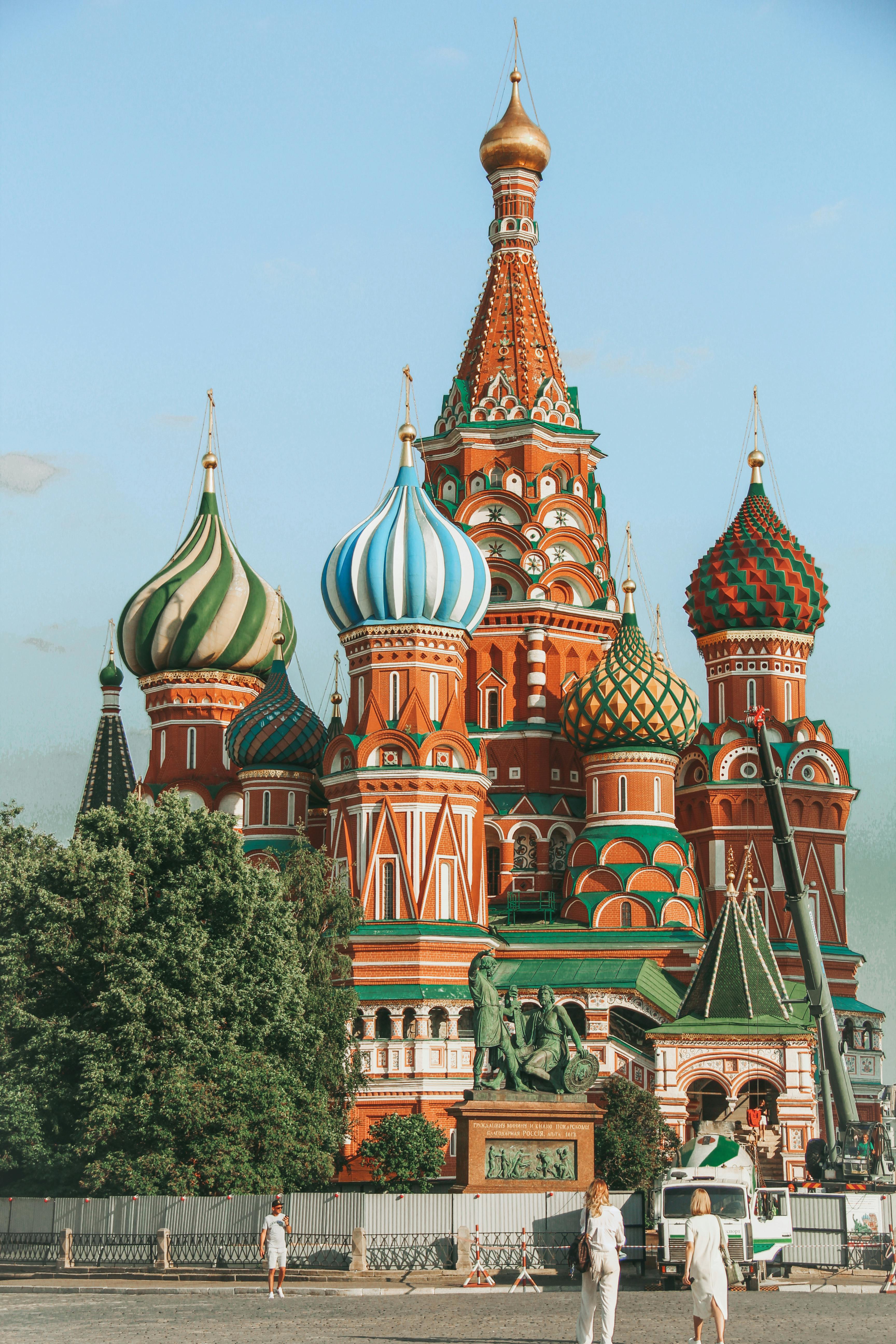
- Red Square: Home to St. Basil’s Cathedral, GUM department store, and Lenin’s Mausoleum.
- Alexander Garden: Landscaped park adjacent to the Kremlin, ideal for scenic walks and views of the walls and towers.
- Armoury Chamber: Houses royal regalia, Fabergé eggs, and historic weaponry (separate ticket required).
- Cathedral Square: Surrounded by Moscow’s oldest cathedrals.
Frequently Asked Questions (FAQ)
Can you enter the Nabatnaya Tower?
No, only the exterior can be viewed as the tower is not open to the public.
What are the Kremlin’s visiting hours?
The Kremlin is open daily (except Thursdays) from 10:00 to 17:00, with last entry at 16:00.
Where can I buy tickets?
At the Kutafya Tower ticket office or online via the official Kremlin website.
Is the Kremlin wheelchair accessible?
Main entrances are accessible, but some historic areas may be challenging due to uneven surfaces.
Are guided tours available?
Yes, both group tours and audio guides are offered in multiple languages.
Listen to the full story in the app
The whole Nabatnaya Tower,
told well.
Audio guides for 1,100+ cities across 96 countries. History, stories, and local insight — offline ready.
Verified, and shown.
Researched and written by the Audiala editorial team from historical records, architectural archives, and local expertise.
Researched from Wikidata, Wikipedia & official sources · fact-checked · How we make our guides →