Plan and listen to Moscow South River Terminal with Audiala.
Audio guide in your pocket, itinerary in your browser. Built for the way you actually visit.
Introduction
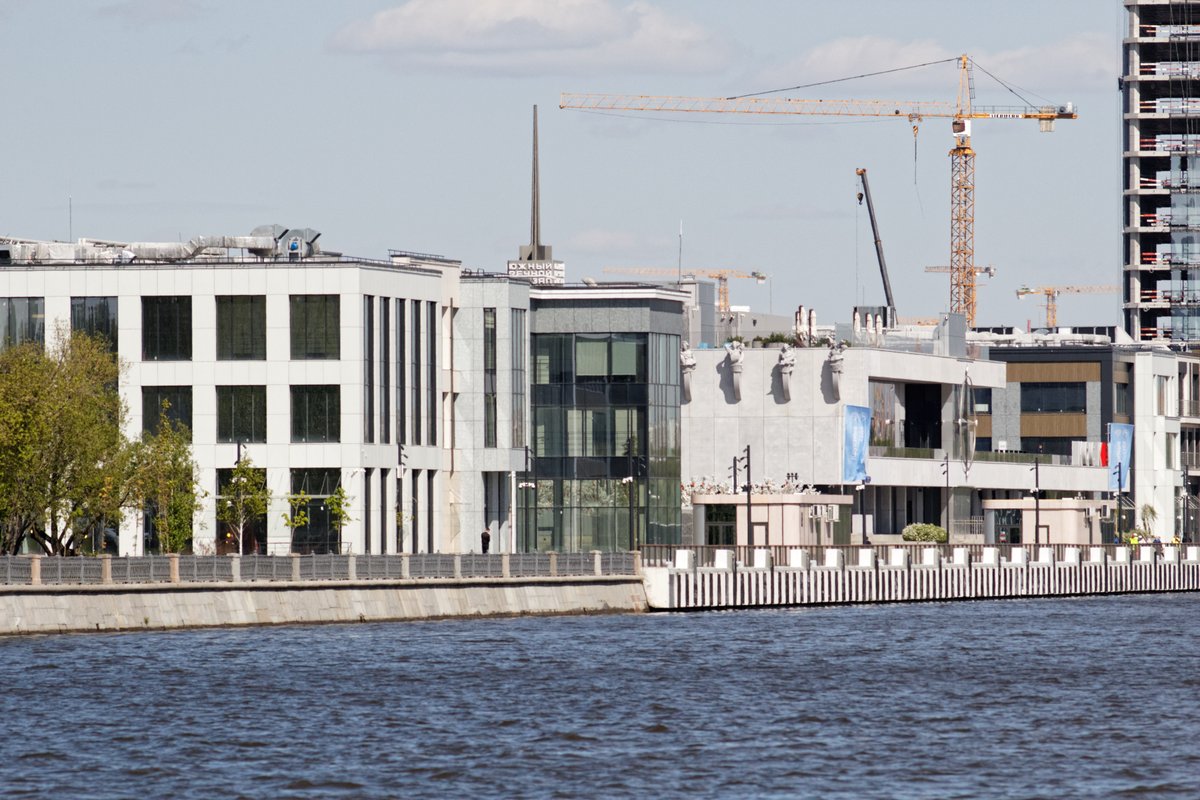
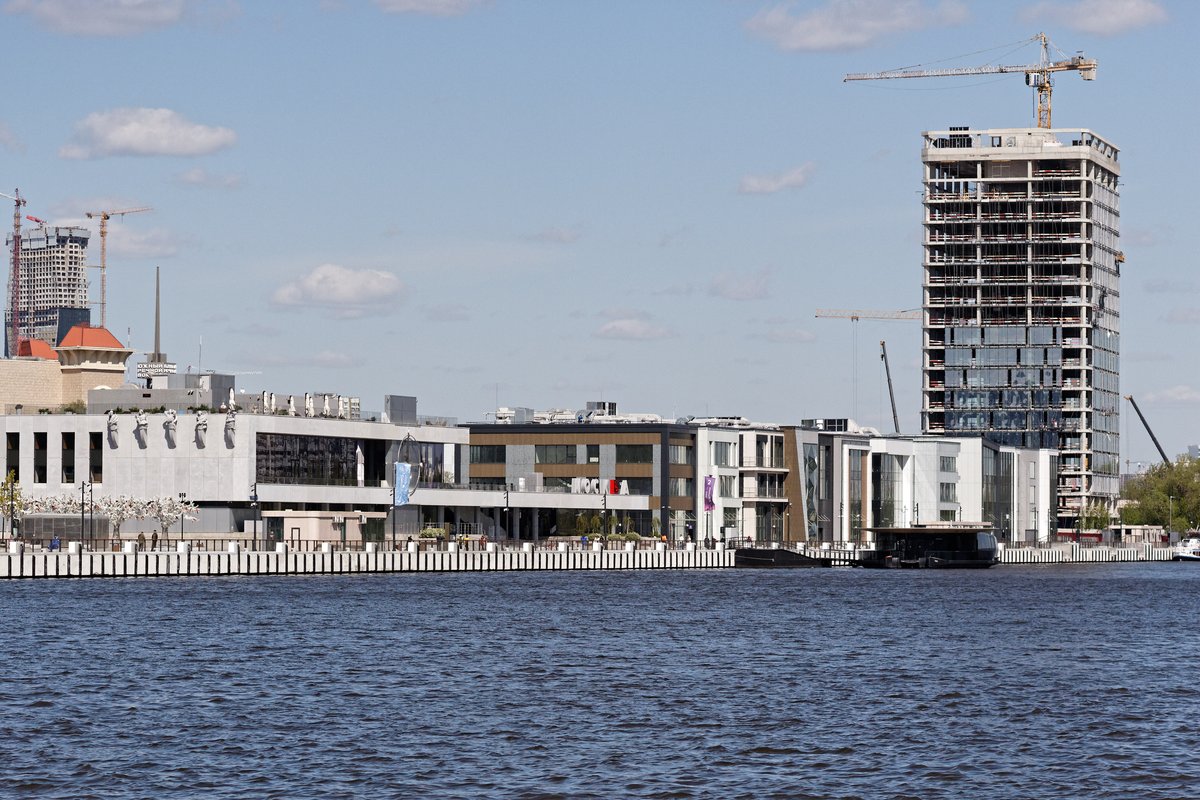
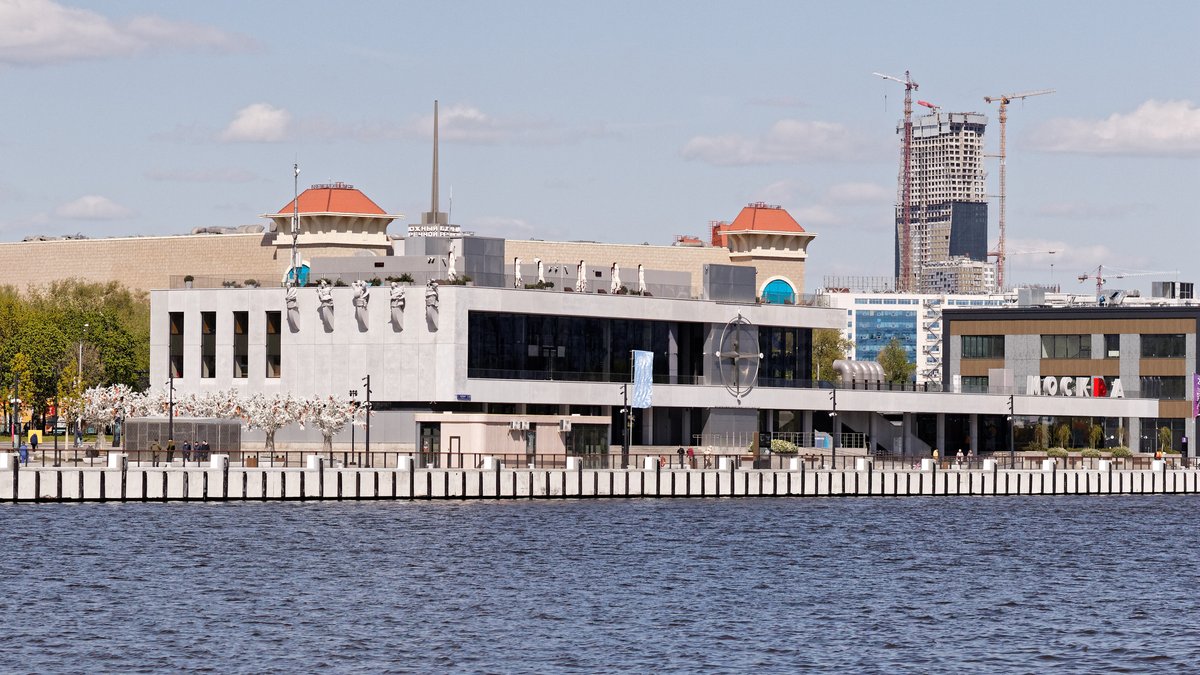
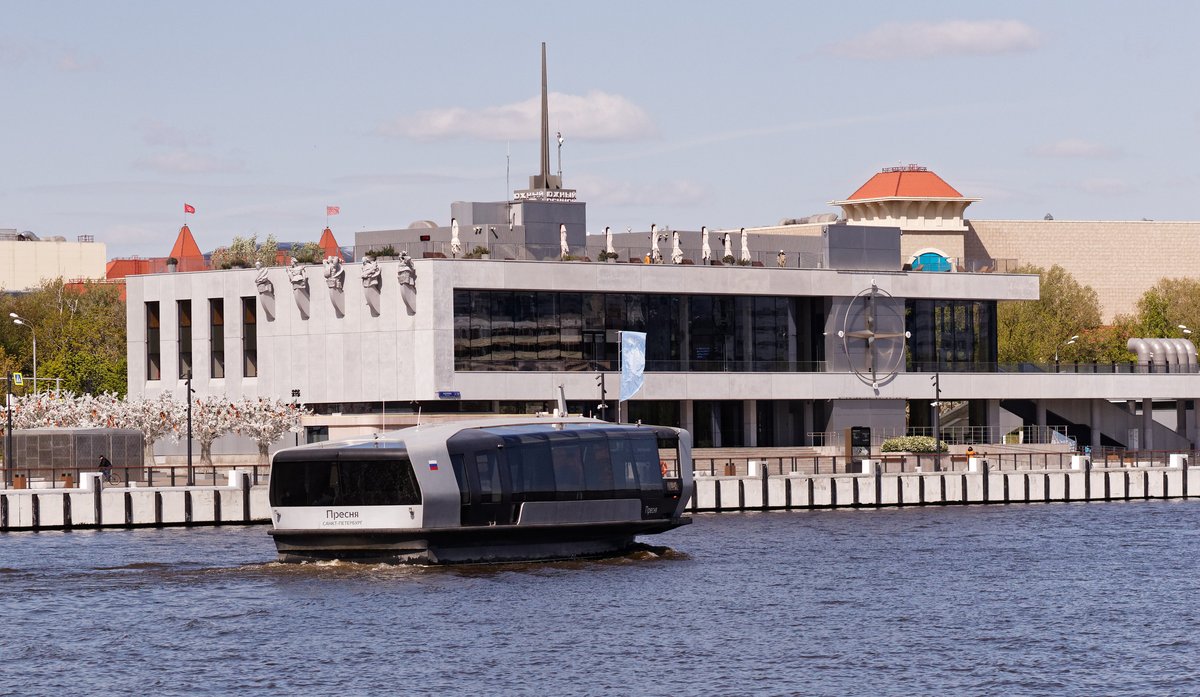
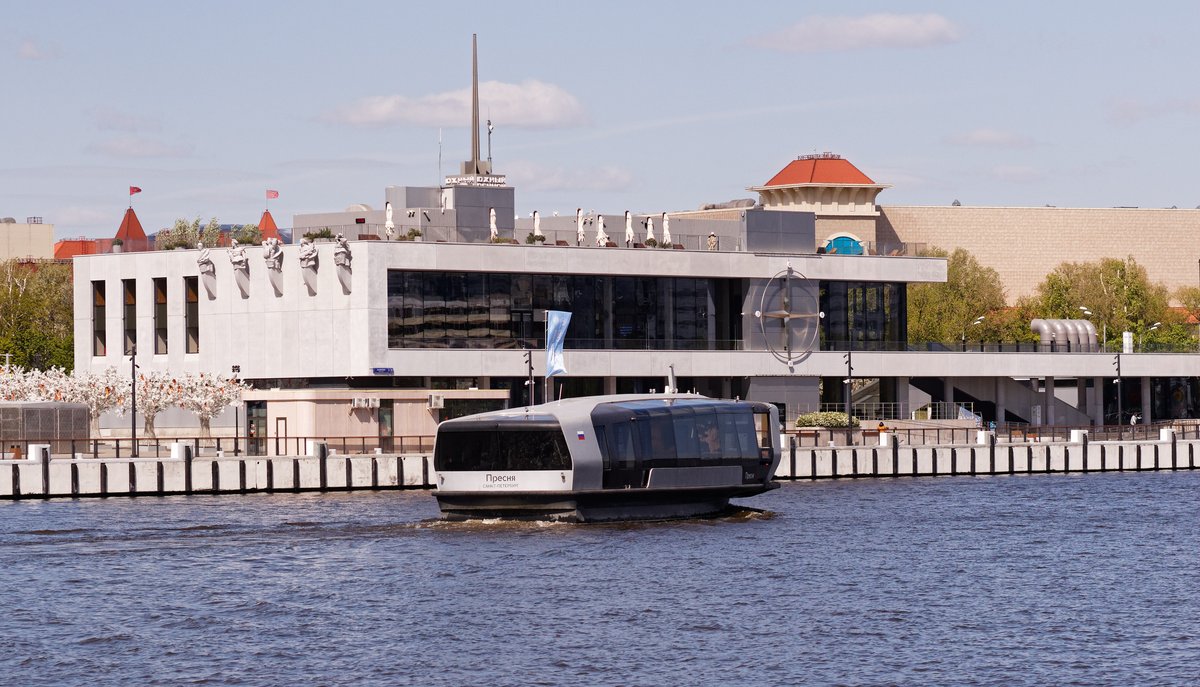
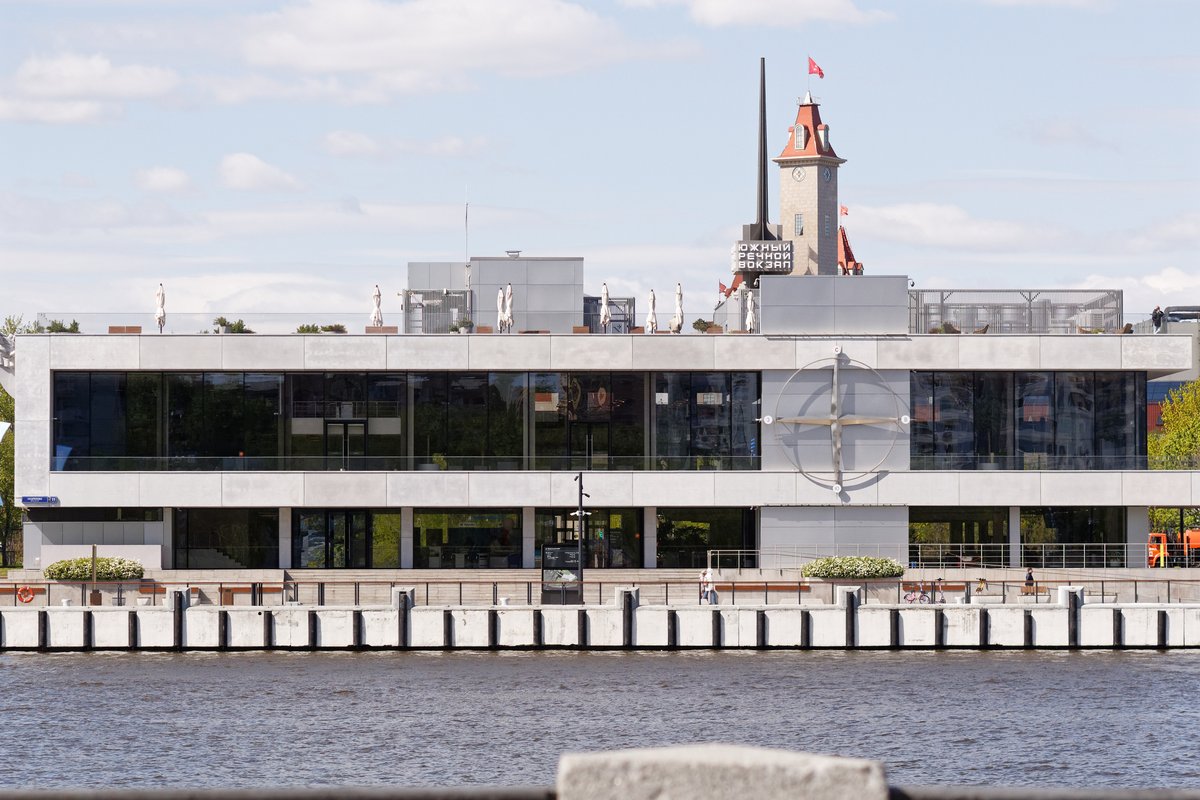
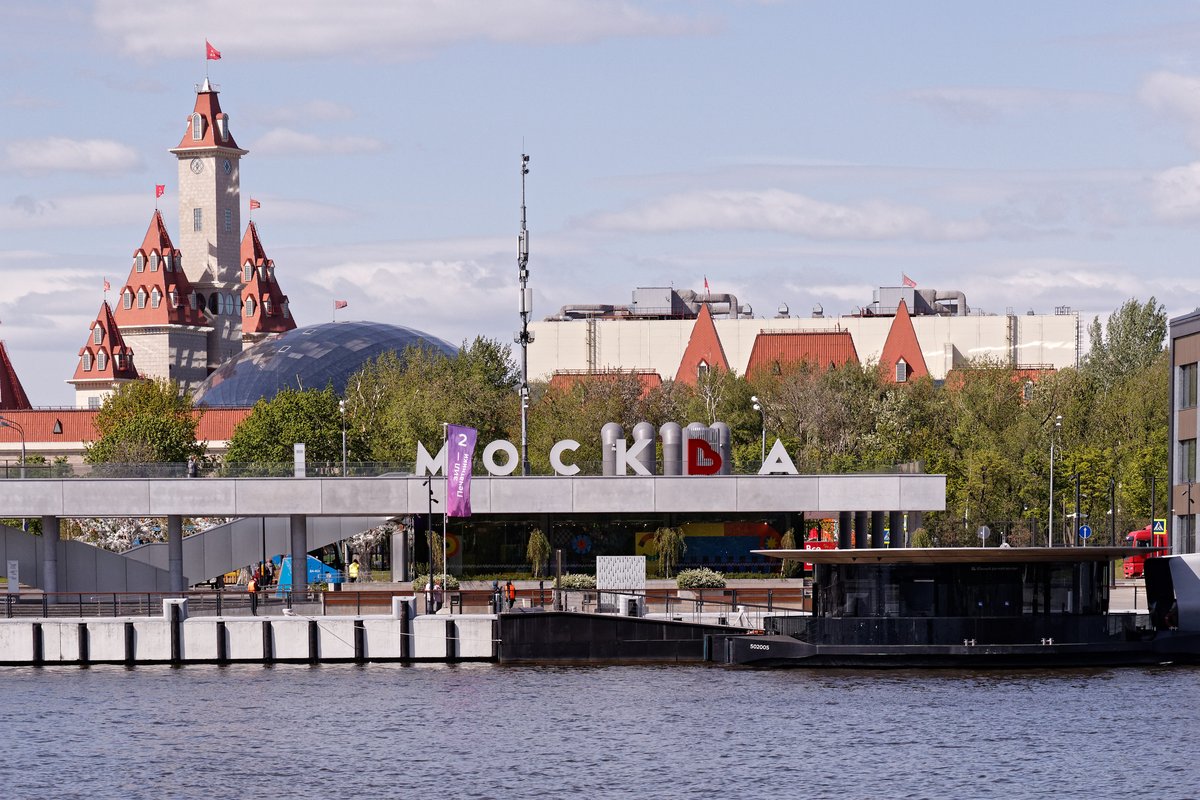
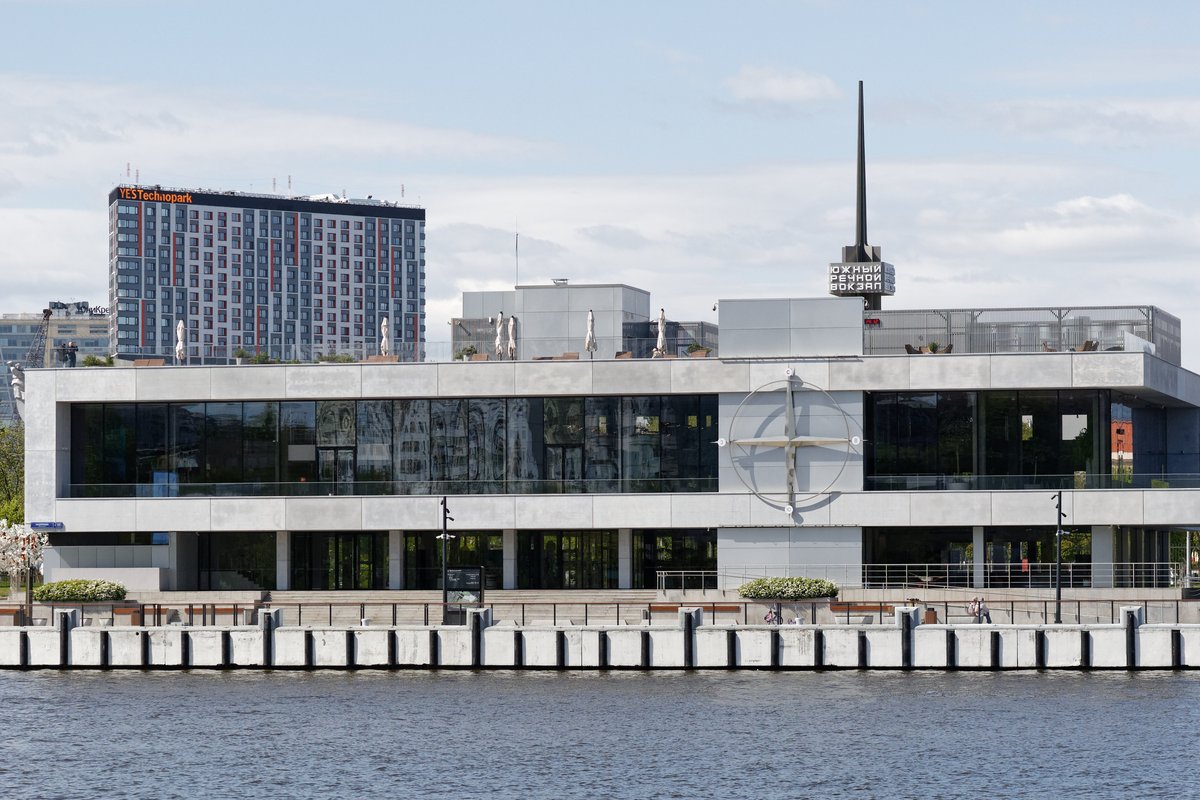
The Moscow South River Terminal, also known as Yuzhny Rechnoy Vokzal, is a landmark of Soviet modernist architecture and a vibrant gateway to Moscow’s southern waterways. Established in 1985 in the Nagatinskiy Zaton district, it complements the North River Terminal and anchors the city’s river cruise network toward the Oka, Volga, and other southern Russian regions. Today, the terminal stands as a dynamic transport hub, blending historical significance with modern amenities, eco-friendly initiatives, and cultural attractions. This detailed guide provides essential information on visiting hours, tickets, facilities, recent renovations, travel tips, and the terminal’s role within Moscow’s evolving urban landscape (RBTH; WeHeart.Moscow; PortNews; Kremlin.ru).

Historical Development
The Moscow South River Terminal (Южный речной вокзал) emerged in the late Soviet era as part of an ambitious effort to expand Moscow’s river transport infrastructure. Following the North River Terminal’s opening in 1937, the South Terminal was inaugurated in 1985 to serve the city’s southern regions and improve access to the Oka and Volga rivers. Its creation marked a period when river transport was crucial, providing commuter and leisure connections for millions of Muscovites and visitors (RBTH).
Throughout the 1980s and 1990s, the terminal thrived as a hub for both local ferries and long-distance cruises. Over time, with shifts in transportation trends, its prominence diminished, but recent decades have seen a revitalization that highlights its architectural heritage and adapts it for contemporary needs.
Architectural Significance and Restoration
Soviet Modernism and Design Features
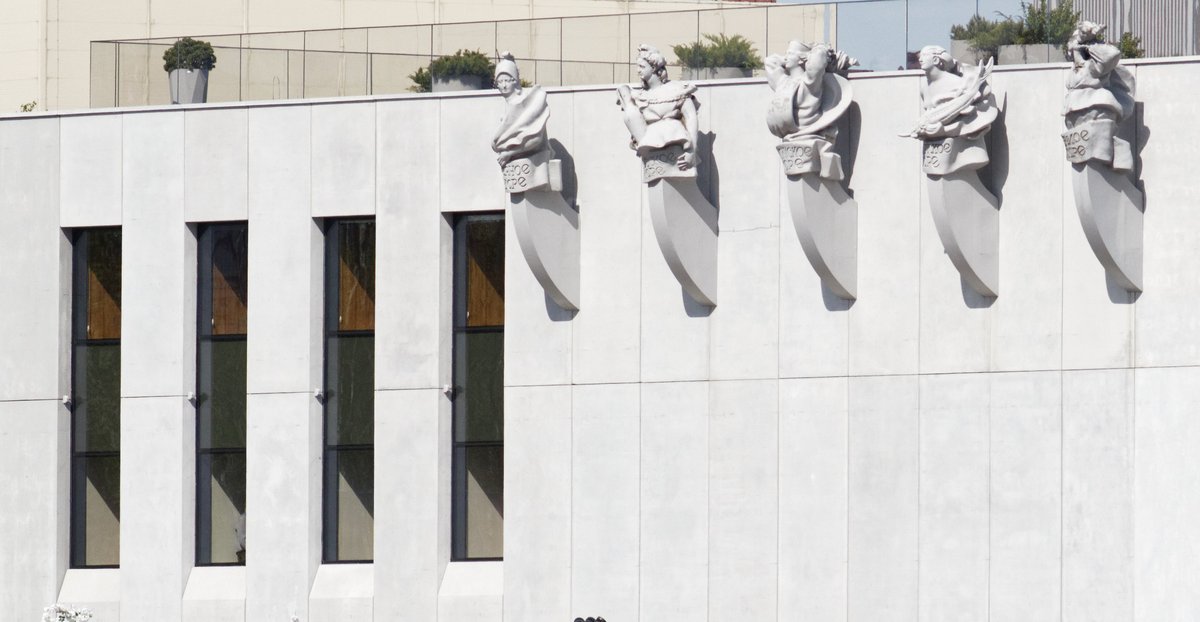
The terminal exemplifies late Soviet modernist architecture, distinct for its functionalism, clean lines, geometric forms, and minimal ornamentation. In contrast to the ornate, Stalinist Empire style of the North River Terminal, the South Terminal’s design prioritizes utility and movement. Key features include:
- Main Hall: High ceilings, panoramic river-facing windows, and spacious waiting areas for large crowds.
- Riverfront Terraces: Broad outdoor promenades landscaped with greenery and benches, offering scenic views and leisure space.
- Functional Zoning: Clearly separated areas for ticketing, waiting, boarding, and administration to streamline passenger flow.
- Minimalist Aesthetics: Focused on natural light and open space, with a restrained decorative approach (WeHeart.Moscow).
Restoration Efforts
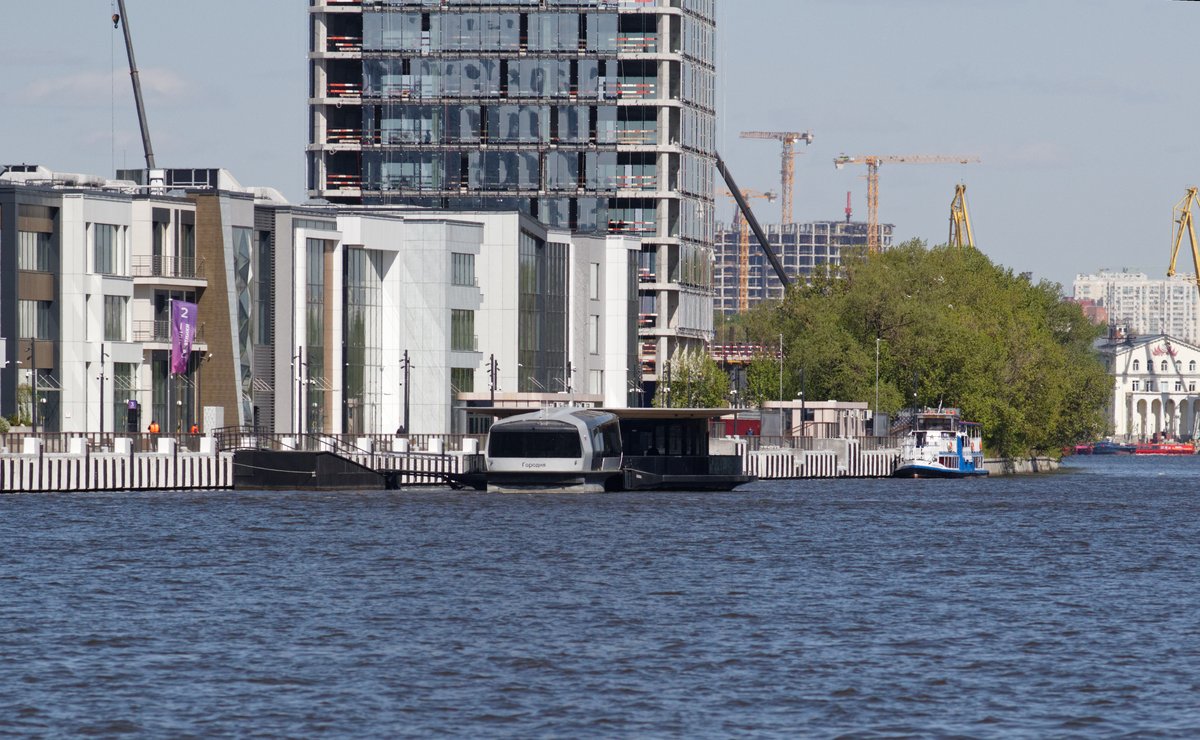
A major reconstruction completed in 2023 restored the terminal’s original character while modernizing infrastructure. Renovations addressed structural repairs, refreshed facades, modernized interiors, and revitalized surrounding embankments with sustainable landscaping (PortNews). Technological upgrades included digital ticketing systems, real-time information displays, and enhanced security.
Modernization and Sustainability
In recent years, the South River Terminal has been at the forefront of Moscow’s push for sustainable, multimodal transport. Key developments include:
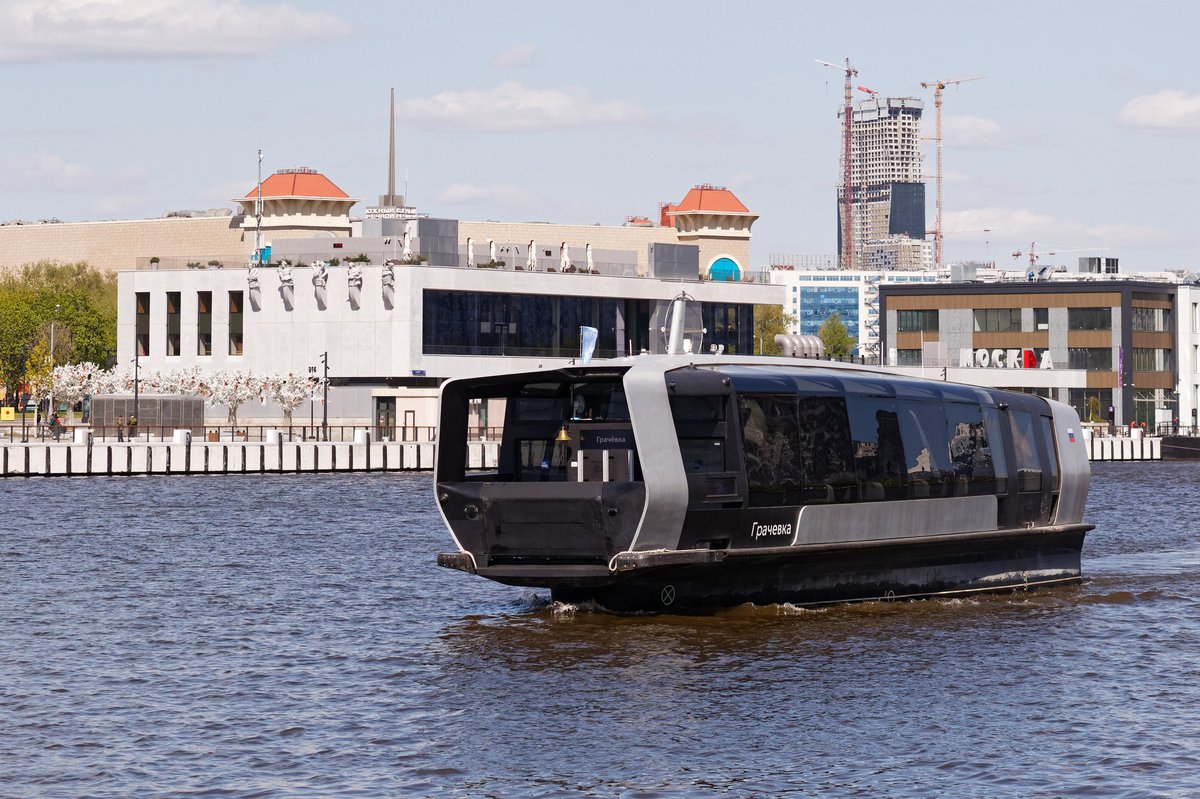
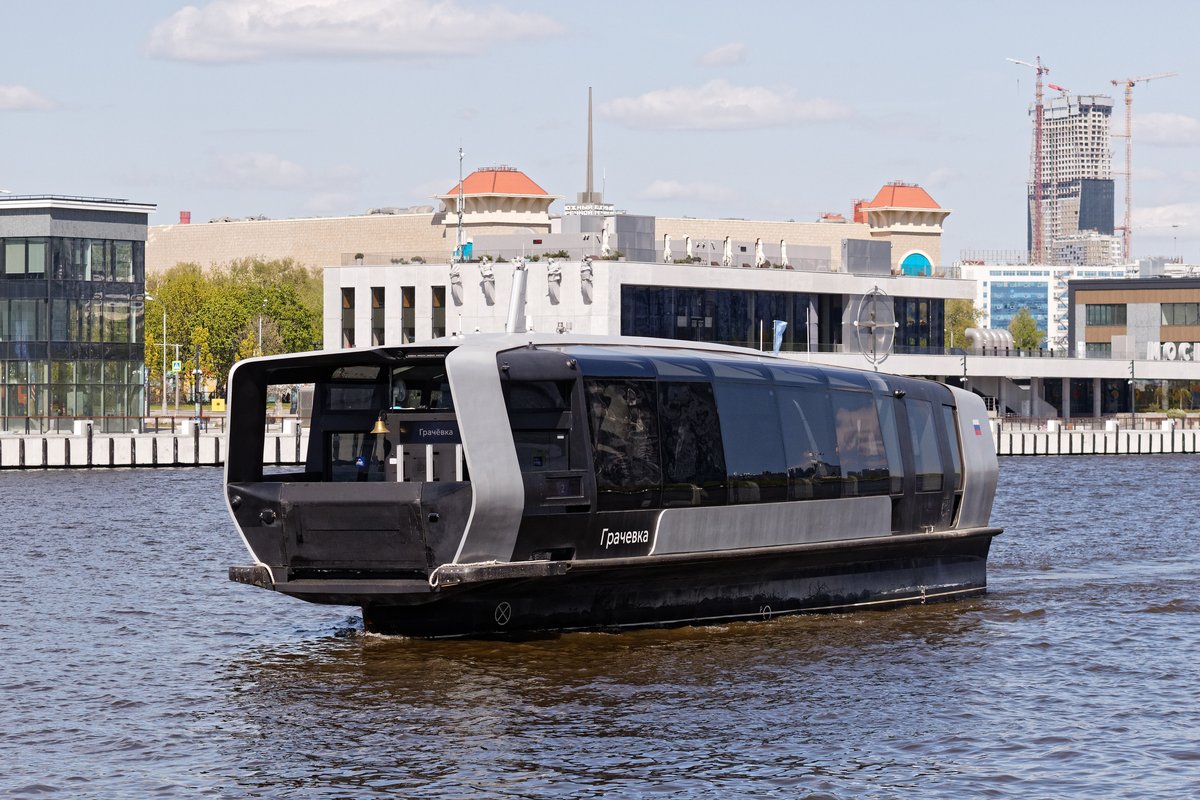
- Electric Riverboats: The introduction of electric “river trams” supports zero-emission transport and quiet operation, with plans for further fleet expansion and dedicated charging infrastructure (Kremlin.ru).
- Digital Services: Contactless ticketing via the Troika card, digital information displays, and integration with apps like Yandex Metro and Yandex GO streamline travel and improve the passenger experience.
- Urban Integration: Enhanced connections to metro, bus, and tram networks facilitate seamless transfers and support citywide mobility goals (UITP PDF).
Cultural and Social Role
Soviet Era Symbolism
The terminal was more than a transport node; it symbolized Soviet ambitions for unity, mobility, and modernization. Public events, concerts, and festivals made it a social focal point, and river terminals were celebrated as architectural icons (RBTH).
Contemporary Functions
Today, the revitalized terminal supports tourism, community activities, and cultural programming. Its multifunctional spaces host exhibitions, seasonal festivals, and recreational events, while landscaped promenades and playgrounds make it a destination for locals and visitors alike.
Visiting Hours and Tickets
- Visiting Hours: Generally open daily from 8:00 AM to 8:00 PM during the navigation season (late April to early October). During off-season or special events, hours may vary—check the official website for updates.
- Ticketing: Tickets for cruises and commuter routes can be purchased at the terminal, online, or through mobile apps. Prices for short sightseeing cruises start around 500 RUB, with long-distance and themed cruises costing more. Discounts are available for children, seniors, and groups (CruiseMapper).
- Guided Tours: The terminal offers guided tours and themed cruises. Booking in advance is recommended, especially during peak season.
Facilities and Accessibility
- Ticket Offices and Waiting Lounges: Modern, climate-controlled areas with seating, restrooms, and multilingual staff.
- Cafés, Shops, and Services: Onsite dining, bakeries, souvenir shops, secure luggage storage, and free Wi-Fi.
- Accessibility: Fully accessible with ramps, elevators, and accessible restrooms. Assistance is available for visitors with reduced mobility (AffordableTours).
- Family-Friendly Amenities: Playgrounds, multimedia centers, and activity spaces enhance the travel experience for all ages.
River Cruises and Visitor Experience
Types of Cruises
- Short Excursions: Sightseeing cruises offering panoramic views of Moscow’s skyline and riverbanks.
- Long-Distance Cruises: Multi-day journeys to cities like Nizhny Novgorod, Kazan, and Astrakhan.
- Themed Cruises: Dinner, music, or historical cruises with onboard entertainment and guided commentary.
Boarding and Onboard Services
Arrive 60–90 minutes before departure with your passport, ticket, and visa (if required). The boarding process is efficient, with porters for luggage and security checks. Onboard amenities include comfortable cabins, dining, entertainment, and shore excursions (AffordableTours).
Practical Visitor Information
Getting There
- By Metro: Kolomenskaya Station (Line 2, Zamoskvoretskaya Line) is closest; the terminal is a 15–20 minute walk or short taxi ride away.
- By Taxi/Ride-Sharing: Services like Yandex.Taxi and Uber connect the terminal to the city center in 20–40 minutes, depending on traffic (JustRussian).
- By Bus: Several city bus routes serve the Nagatinskiy Zaton district.
Best Time to Visit
- Peak Season: June–August for warm weather and long days.
- Shoulder Seasons: May and September for fewer crowds.
- Winter: Terminal is open, but river cruises are limited due to ice.
Payments and Language
- Currency: Russian Ruble (RUB); credit cards widely accepted, but cash is useful for small purchases (IVisaTravel).
- Language: Russian is primary; English is spoken at the terminal and on most cruises.
Safety
The terminal is regularly patrolled; standard precautions against pickpocketing are advised in crowded areas (The Broke Backpacker).
Nearby Attractions
- Kolomenskoye Park: UNESCO-listed former royal estate with historic churches, 2 km from the terminal.
- Novospassky Monastery: 14th-century monastery, accessible by taxi.
- Moskva River Promenade: Ideal for walking or cycling along landscaped embankments.
- Other River Terminals: The North River Terminal, Gorky Park, and Zaryadye Park are easily reached for extended exploration (TravelTriangle).
Frequently Asked Questions (FAQ)
Q: What are the South River Terminal’s visiting hours?
A: Typically 8:00 AM to 8:00 PM daily during navigation season; check ahead for seasonal variations.
Q: How can I buy tickets?
A: Purchase tickets at the terminal, online, or via mobile apps. Advance booking is recommended, especially in peak season.
Q: Is the terminal accessible for people with disabilities?
A: Yes, it features ramps, elevators, accessible restrooms, and staff assistance.
Q: Are there guided tours?
A: Yes, guided tours and themed cruises are available seasonally.
Q: Can I use credit cards?
A: Most vendors accept major credit cards; cash is useful for small purchases.
Q: What attractions are nearby?
A: Kolomenskoye Park, Novospassky Monastery, and the Moskva River Promenade.
Listen to the full story in the app
The whole Moscow South River Terminal,
told well.
Audio guides for 1,100+ cities across 96 countries. History, stories, and local insight — offline ready.
Verified, and shown.
Researched and written by the Audiala editorial team from historical records, architectural archives, and local expertise.
Researched from Wikidata, Wikipedia & official sources · fact-checked · How we make our guides →