Plan and listen to Moscow International House Of Music with Audiala.
Audio guide in your pocket, itinerary in your browser. Built for the way you actually visit.
Introduction
The Moscow International House of Music (MMDM), also known as the Moscow International Performing Arts Centre (MIPAC), stands as a beacon of cultural innovation on Kosmodamianskaya Embankment. Since its opening in 2003, the venue has symbolized Moscow’s transformation into a global arts capital, blending Russia’s musical heritage with world-class contemporary programming and cutting-edge architectural design. This comprehensive guide details everything you need to plan your visit: from history and architecture to visiting hours, ticketing, accessibility, and nearby attractions. For the latest updates and ticket purchases, always refer to the official MMDM website, as well as trusted resources like ASEF Culture360 and Live the World.

Historical Background
Post-Soviet Moscow and Modernization
The Moscow International House of Music was conceived in the decade following the fall of the Soviet Union, reflecting Moscow’s drive toward modernization and international openness (ASEF Culture360). As the first classical music hall built in Moscow in over a century, its inauguration in 2003 marked a significant milestone in the city’s cultural evolution. The debut of the National Philharmonic of Russia further established its importance in Moscow’s musical landscape (Harvard Omeka).
International Ambitions
Beyond being a concert venue, the House of Music was designed as a multipurpose center for festivals, conferences, and international gatherings, signifying Moscow’s ambition to be a cosmopolitan hub for cultural exchange (Harvard Omeka).
Architectural Highlights
Design and Materials
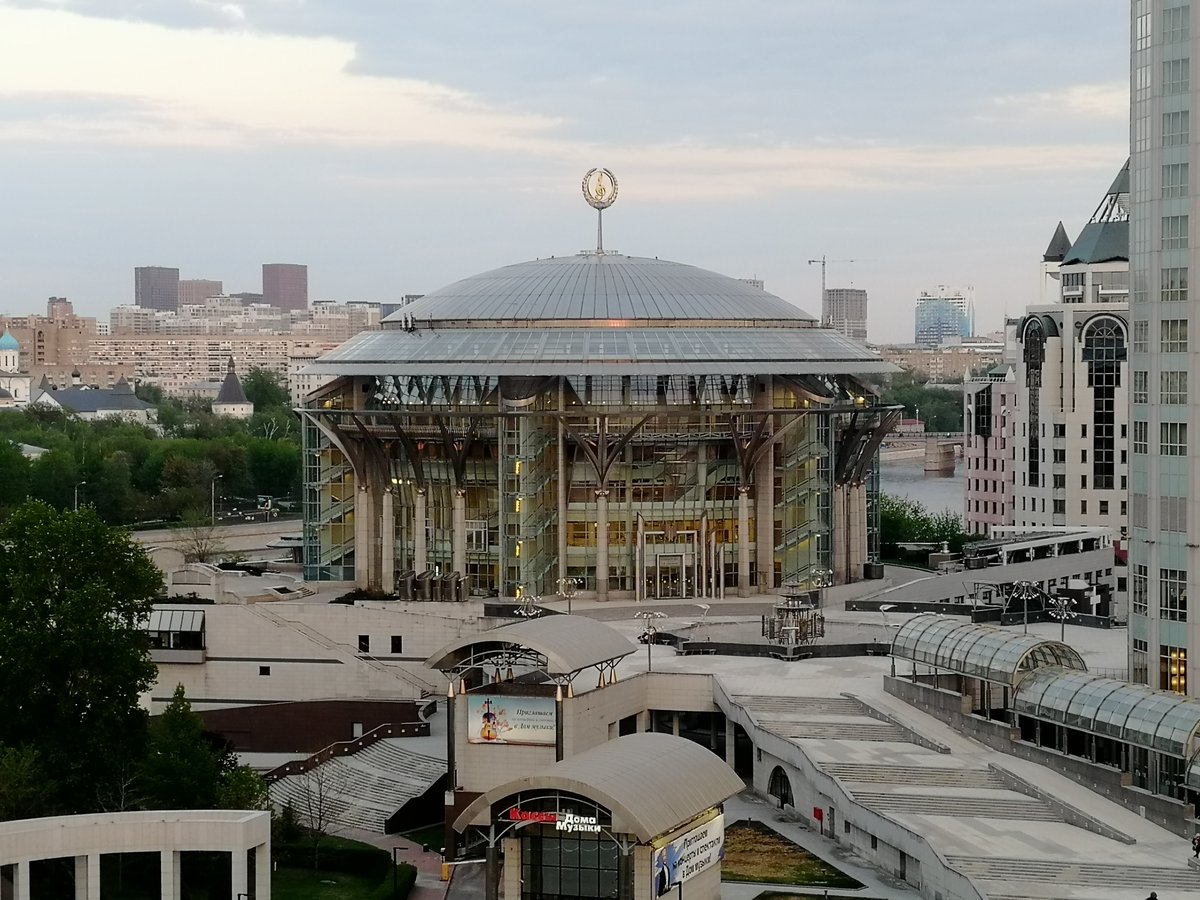
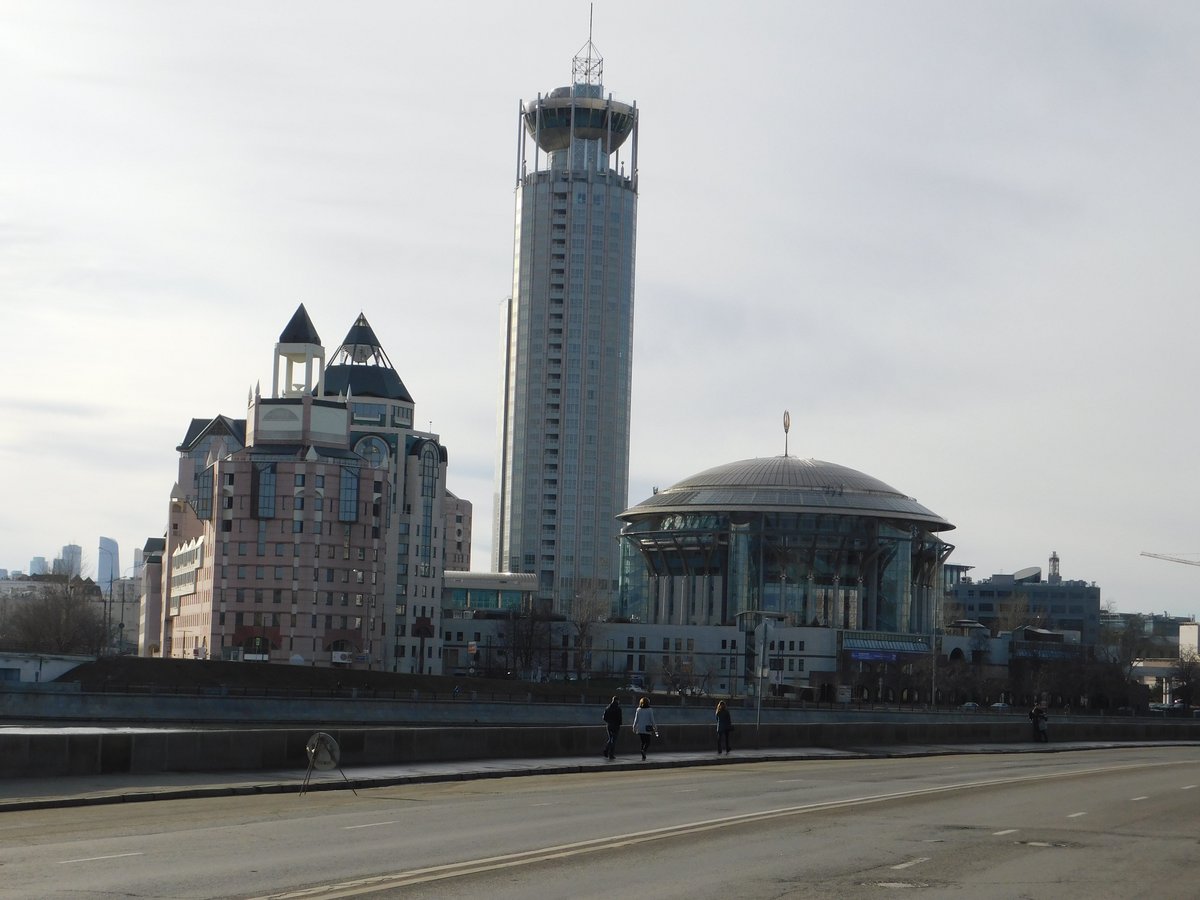
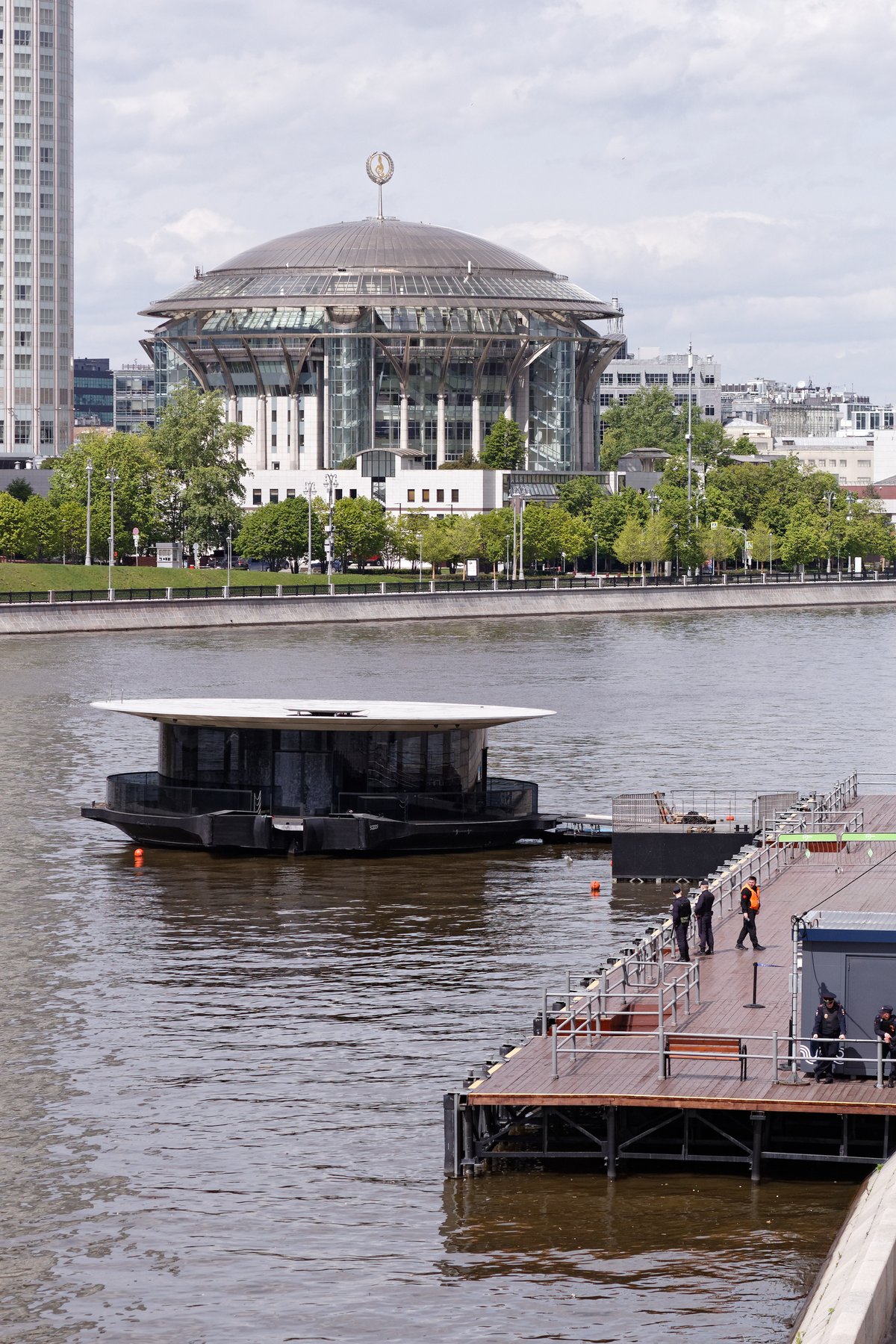
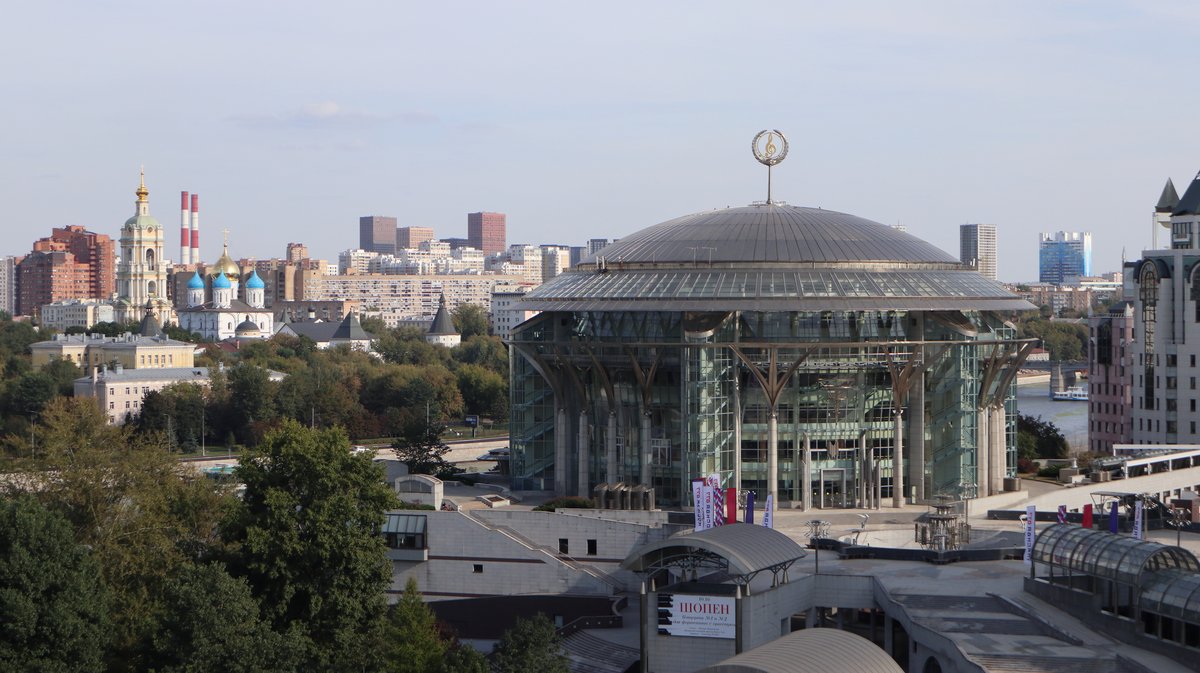
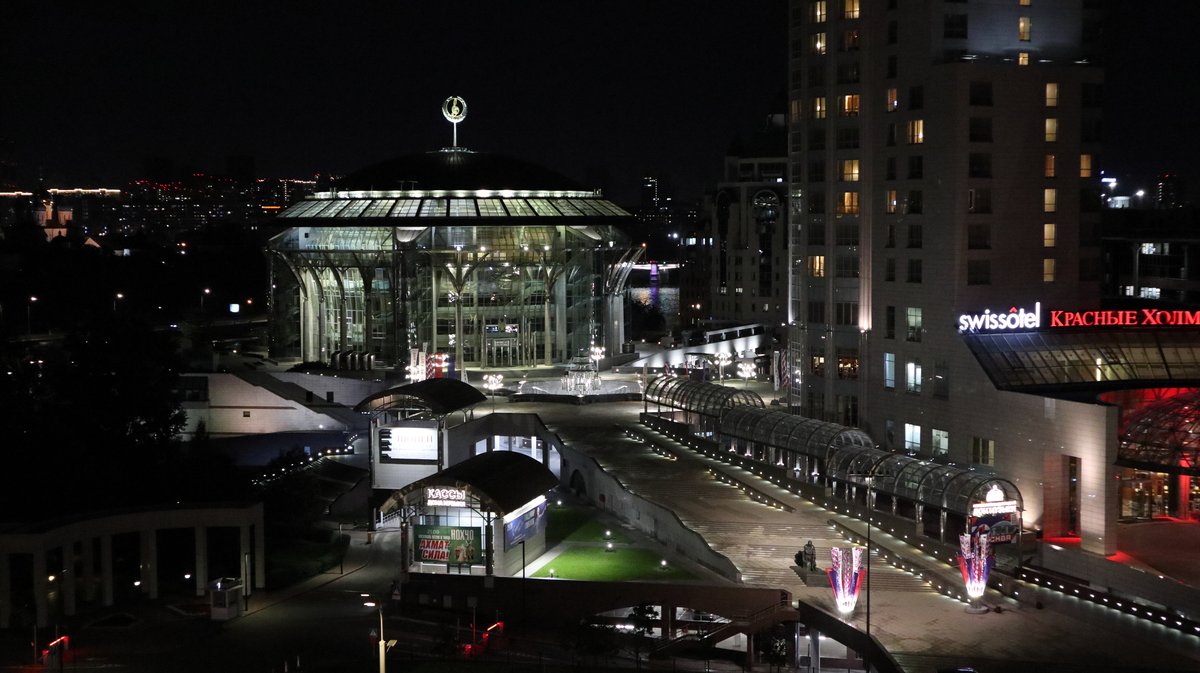
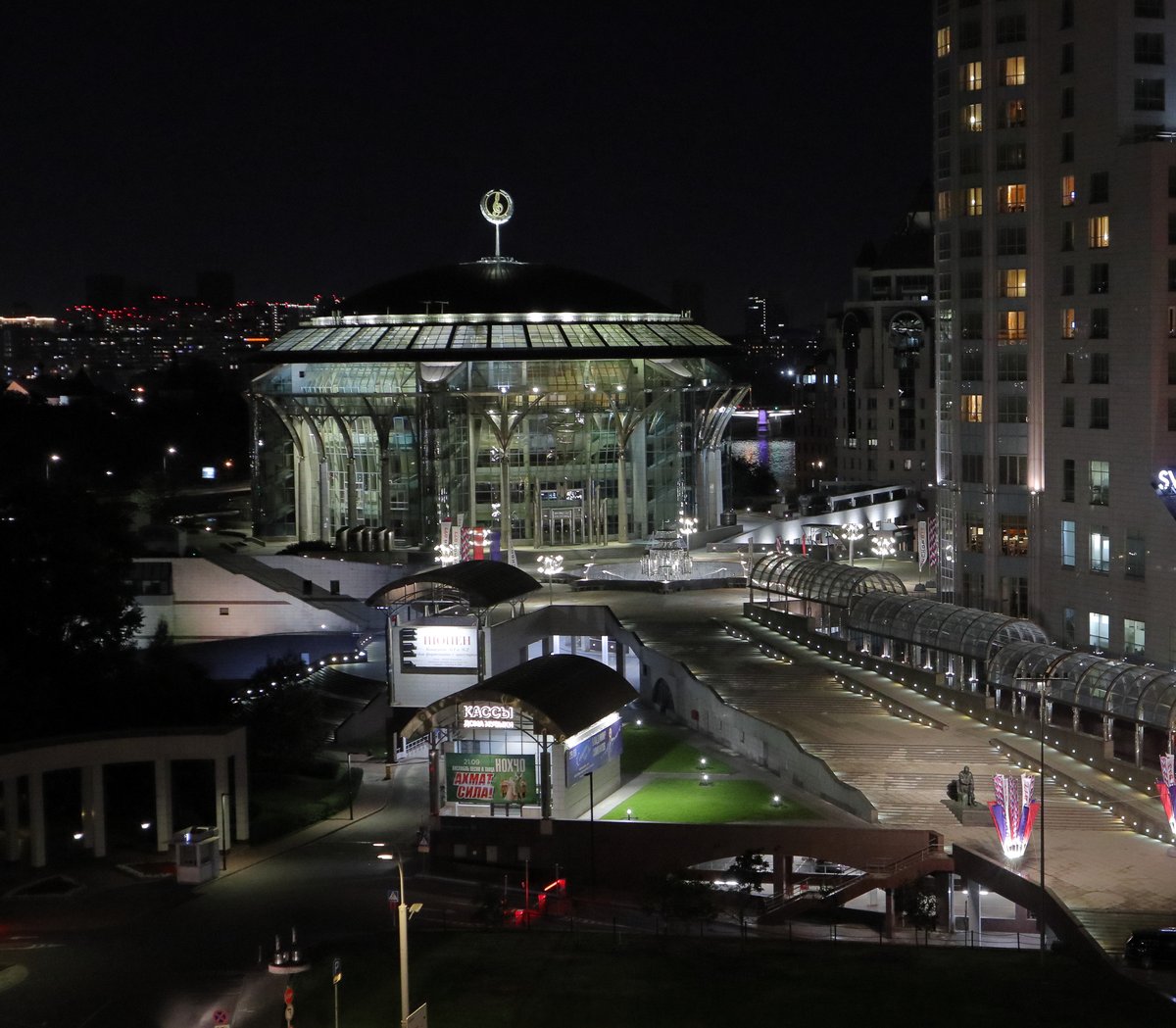
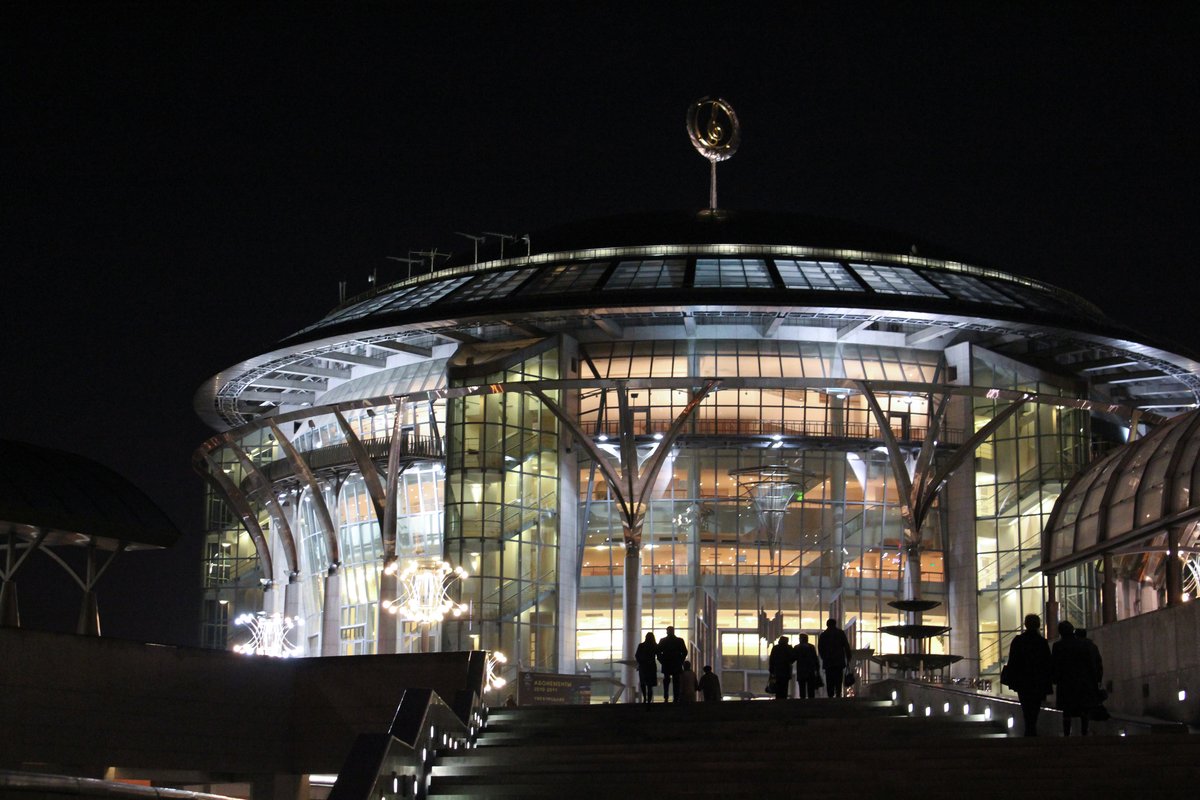
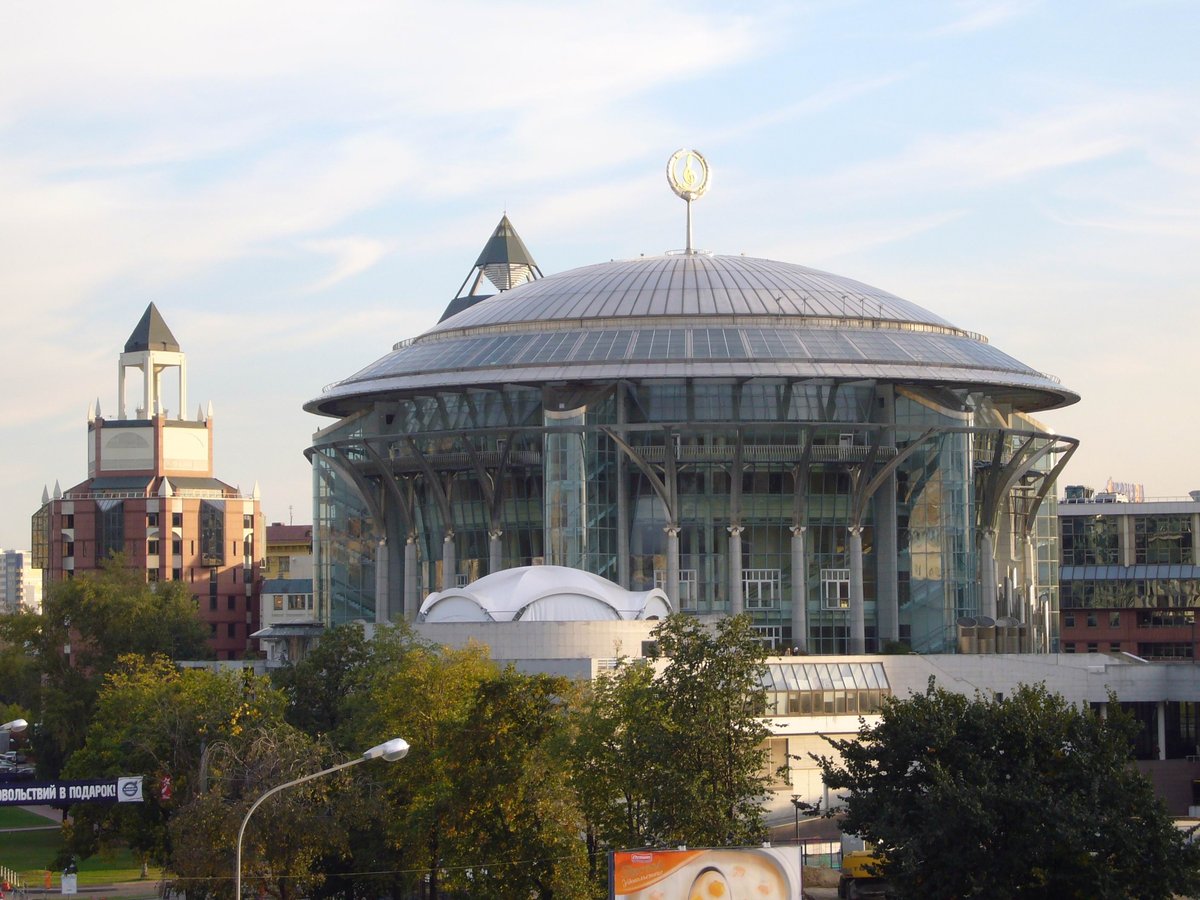
Architects Yury Gnedovsky, Vladilen Krasilnikov, Dmitry Solopov, Margarita Gavrilova, and Sergey Gnedovsky created a cylindrical glass-and-steel structure, breaking away from traditional Russian styles and conveying modernity (Harvard Omeka). The extensive use of glass creates transparency and fills interiors with natural light, while steel elements ensure both visual impact and structural strength.
Treble Clef Sculpture
Crowning the dome is a 9.5-meter-high rotating treble clef by Zurab Tsereteli, acting as a dynamic weathervane and symbolizing the venue’s artistic purpose (Harvard Omeka).
Concert Halls
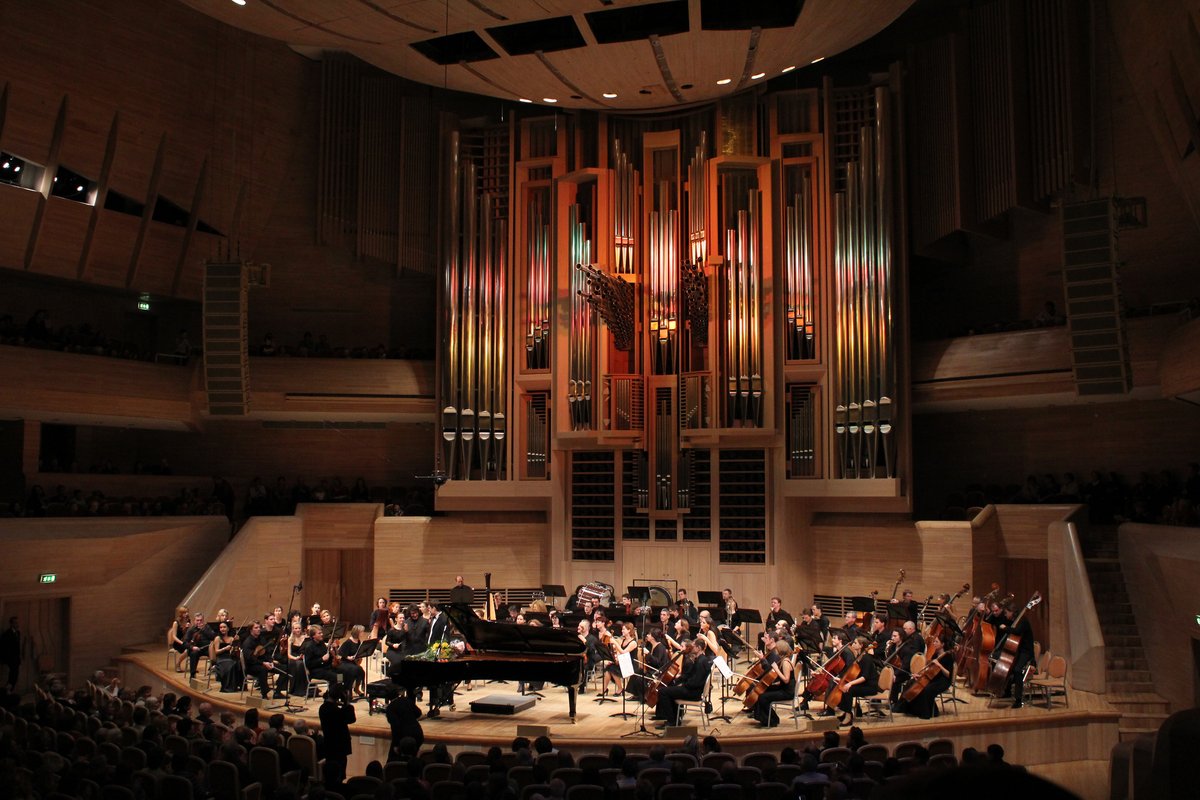
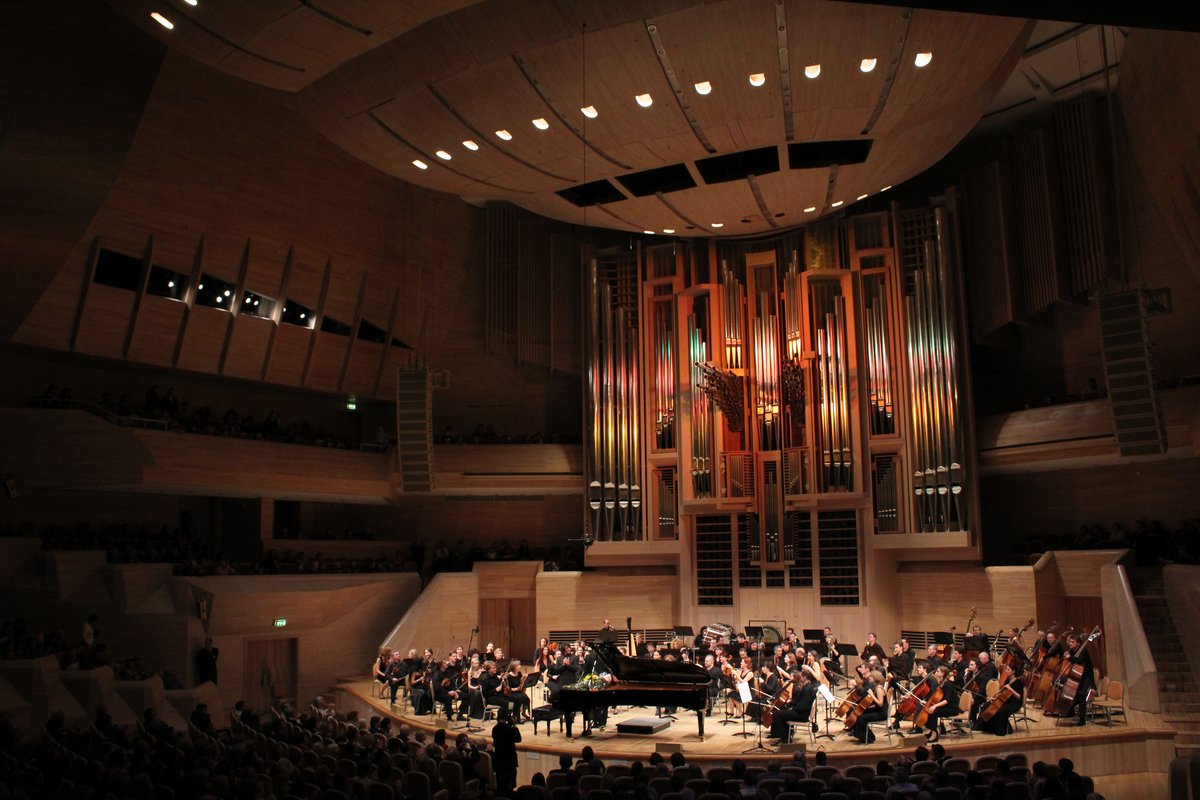
- Svetlanov Hall: The largest, accommodating up to 1,735 guests, is famed for its acoustics and adjustable panels, supporting everything from symphonic performances to solo recitals.
- Chamber Hall: Seats around 532, ideal for chamber music, recitals, and educational events.
- Theatre Hall: With 558 seats, it hosts theatre, dance, and multimedia presentations (Live the World).
Each hall is designed for optimal acoustics and separate audience flow, allowing simultaneous events.
Outdoor Spaces
The summer terrace on the podium hosts open-air concerts and offers panoramic views of the Moscow River (ASEF Culture360).
Urban Integration
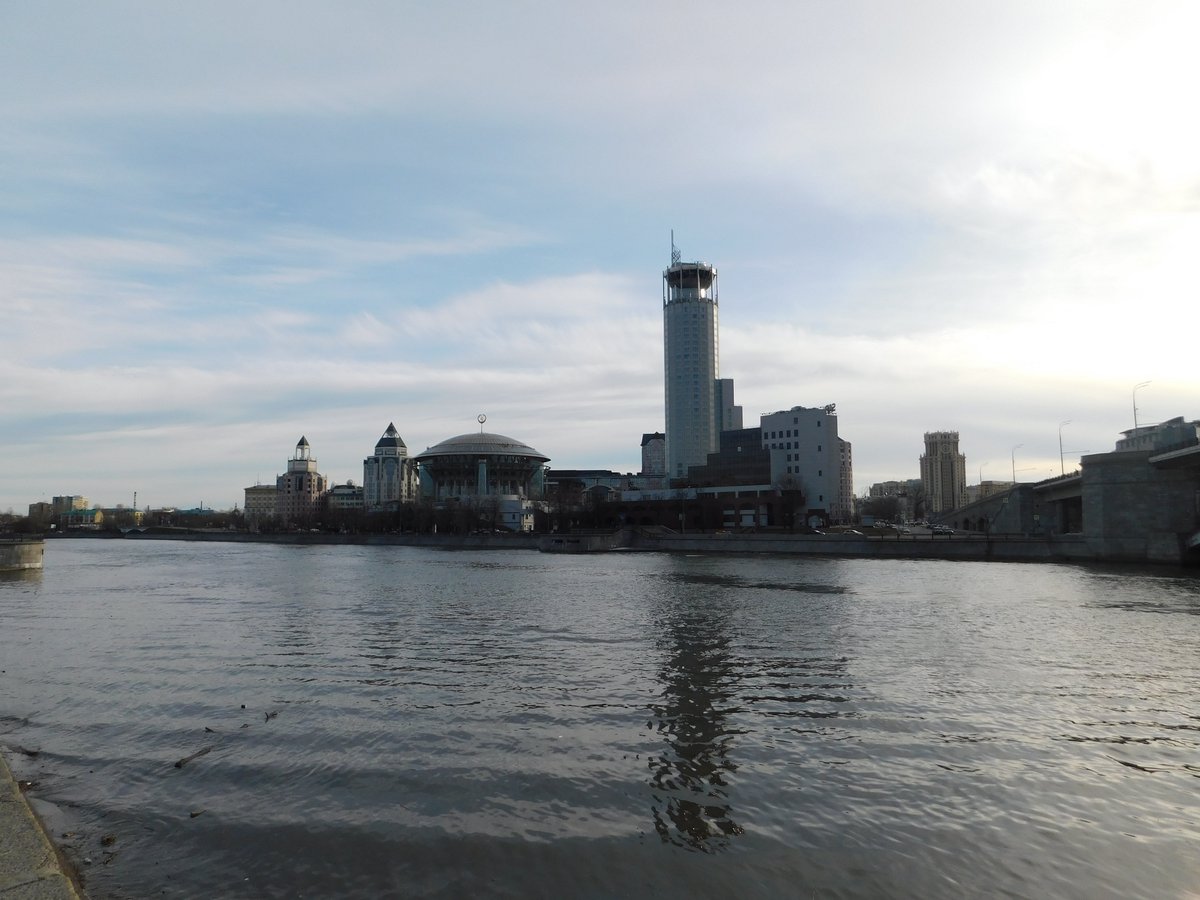
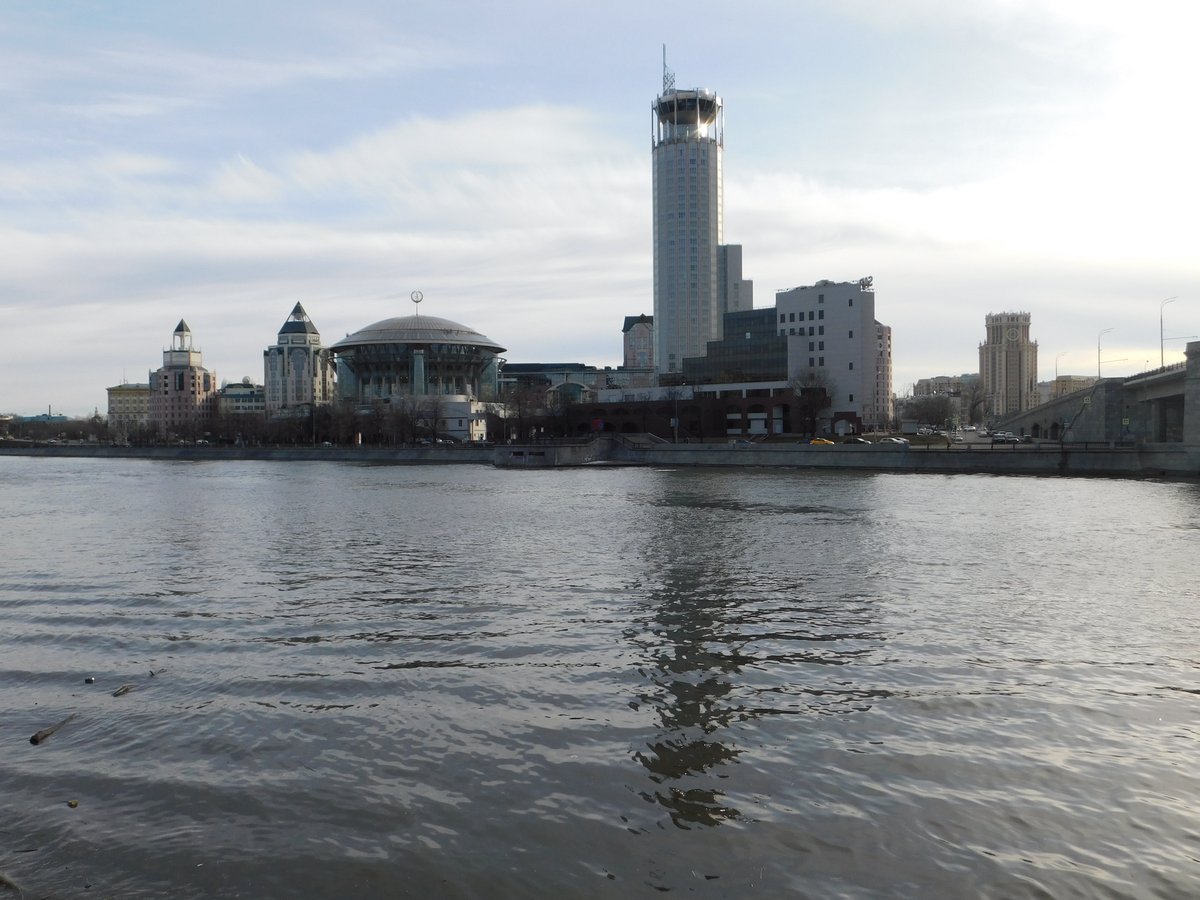
Strategically located near Gorky Park, the Tretyakov Gallery, and the Cathedral of Christ the Savior, the venue revitalizes the embankment and stands as a modern landmark in Moscow’s evolving cityscape (Harvard Omeka).
Cultural Significance and Programming
Role in Moscow’s Cultural Life
Since its opening, the House of Music has been a cornerstone of Moscow’s arts scene, connecting Russian musical traditions with international performing arts (Live the World). It houses Russia’s largest pipe organ and regularly hosts world-renowned orchestras, soloists, and festivals.
Education and Outreach
The House of Music engages audiences through masterclasses, family concerts, and interactive events, making the arts accessible to all ages (Live the World).
Notable Performers
Past guests include Vladimir Spivakov, Valery Gergiev, Denis Matsuev, Anna Netrebko, and renowned international orchestras (Songkick).
Visitor Information
Visiting Hours
- General Hours: Open daily from 10:00 AM to 10:00 PM, but hours may vary with scheduled events.
- Box Office: Open from morning until showtime.
Always check the official MMDM website for the most current hours and schedules.
Ticketing
- Purchase Options: Buy online via the official website, at the box office, or through authorized agents (Songkick).
- Pricing: Varies by event and seat; discounts available for students, seniors, and groups.
- E-Tickets: Accepted on mobile or printed.
Accessibility
- Wheelchair Access: Step-free entrances, elevators, and accessible seating in every hall.
- Restrooms: Accessible on all main levels.
- Assistance: Staff provide support for visitors with special needs.
- Signage: Increasingly bilingual; programs often in English and Russian.
Getting There
- Address: 52, building 8, Kosmodamianskaya Naberezhnaya.
- Metro: Paveletskaya and Taganskaya stations (10–15 minute walk).
- Bus/Taxi: Multiple routes and convenient drop-off points.
- Parking: Two-level underground garage with direct access (ENKA).
Amenities
- Dining options with Russian and European cuisine.
- Souvenir shops.
- Complimentary cloakrooms.
- Free public Wi-Fi (connection may vary; download maps in advance).
Travel Tips
- Arrive 30 minutes early for security and seating.
- Smart casual attire is recommended.
- Photography and recording are prohibited during performances.
- Combine your visit with nearby attractions like the Tretyakov Gallery and Gorky Park.
Visuals and Media
- Exterior View: Glass and steel cylindrical design with treble clef sculpture (ENKA).
- Svetlanov Hall Interior: Amphitheater seating and grand organ (My Guide Moscow).
- Summer Terrace: Overlooking the Moscow River.
- Virtual Tours: Available on the official website.
Frequently Asked Questions (FAQ)
Q: What are the Moscow International House of Music visiting hours?
A: Typically 10:00 AM–10:00 PM, but check the official website for event-specific times.
Q: How do I buy tickets?
A: Purchase online, at the box office, or via authorized partners.
Q: Is the venue accessible for disabled visitors?
A: Yes, with ramps, elevators, accessible seating, and restrooms.
Q: Are guided tours available?
A: Yes, book in advance for a behind-the-scenes experience.
Q: Which metro station is closest?
A: Paveletskaya and Taganskaya are both nearby.
Q: Can I photograph inside?
A: Not during performances; public areas only, unless otherwise indicated.
Listen to the full story in the app
The whole Moscow International House Of Music,
told well.
Audio guides for 1,100+ cities across 96 countries. History, stories, and local insight — offline ready.
Verified, and shown.
Researched and written by the Audiala editorial team from historical records, architectural archives, and local expertise.
Researched from Wikidata, Wikipedia & official sources · fact-checked · How we make our guides →