Plan and listen to Moscow Frontier Institute with Audiala.
Audio guide in your pocket, itinerary in your browser. Built for the way you actually visit.
Introduction
The Moscow Frontier Institute, officially known as the Moscow Border Institute of the Federal Security Service (FSB) of the Russian Federation, is an institution deeply rooted in Russia’s military heritage. Established in 1932, it has evolved from its early role of training border guard officers during the Soviet era to a modern center for border security and defense education. Though the institute itself is a closed facility, its historical and cultural importance is reflected in many public sites and events throughout Moscow, offering visitors a window into Russia’s border protection legacy (Wikipedia).
This guide provides a detailed overview of the institute’s history, its continuing role in Russian society, and practical advice for exploring related public attractions such as the Central Museum of the Federal Border Service. It also includes essential information on visitor protocols, accessibility, and cultural etiquette, ensuring a rewarding experience for anyone interested in Russia’s frontier history (GoingRus).
Institute History and Cultural Significance
Foundation and Early Development
The Moscow Frontier Institute was founded on February 4, 1932, as the Third School of Frontier Guard and OGPU Troops. Its establishment marked a pivotal moment in the Soviet Union’s efforts to professionalize border defense, with a curriculum that combined military training, legal education, and political instruction. The institute played a central role in preparing officers to secure the USSR’s extensive and often vulnerable frontiers (Wikipedia).
Wartime Contributions
During World War II, the institute expedited training to meet wartime demands, graduating hundreds of cadets who protected critical sites such as the Yalta Conference. Its alumni include nine Heroes of the Soviet Union, and the institute’s personnel famously participated in the 1945 Moscow Victory Parade—an honor the cadets continue to uphold in annual ceremonies.
Postwar Evolution
After the war, the institute underwent several reorganizations, aligning with the Ministry of Internal Affairs and later the KGB. It received the Order of the Red Banner in 1967 and was granted the Moscow City Council title in 1977. The addition of a postgraduate research school in 1979 cemented its academic standing.
Modern Era and Current Mission
Following the dissolution of the Soviet Union, the institute adapted to new security challenges, becoming part of the Federal Security Service (FSB) and updating its programs to include modern law, security, and military science. Today, it offers a rigorous five-year curriculum, with graduates serving across Russia’s borders and contributing to the country’s national security.
Practical Visitor Information
Can I Visit the Moscow Frontier Institute?
The institute is a secure military facility and not open for regular public visits. However, there are indirect ways to explore its history and traditions:
- Public Events: On special occasions such as Border Guard Day (May 28) and select national holidays, the institute may host open house events, ceremonies, or exhibitions. Advance registration is typically required.
- Organized Tours: Academic delegations or professional groups may arrange visits through official channels.
- Museum Visits: The Central Museum of the Federal Border Service, located in Moscow, is open to the public and provides comprehensive exhibitions on the history and legacy of Russia’s border service (Central Museum of the Federal Border Service).
Central Museum of the Federal Border Service
- Location: Central Moscow, easily accessible by metro and public transport.
- Hours: Generally open Tuesday–Sunday, 10:00 AM–6:00 PM; closed Mondays. Check official websites for updates.
- Tickets: Modest entry fees; discounts for students and seniors.
- Accessibility: Wheelchair accessible; guided tours available.
Events and Ceremonial Participation
While direct access to the institute is restricted, its cadets feature prominently in public events such as the annual Victory Day Parade on Red Square. These ceremonies provide an opportunity to witness the traditions and discipline of Russia’s border service.
Exploring Related Museums and Nearby Attractions
Beyond the institute and the Central Museum, visitors can enrich their understanding of Russia’s military heritage by exploring:
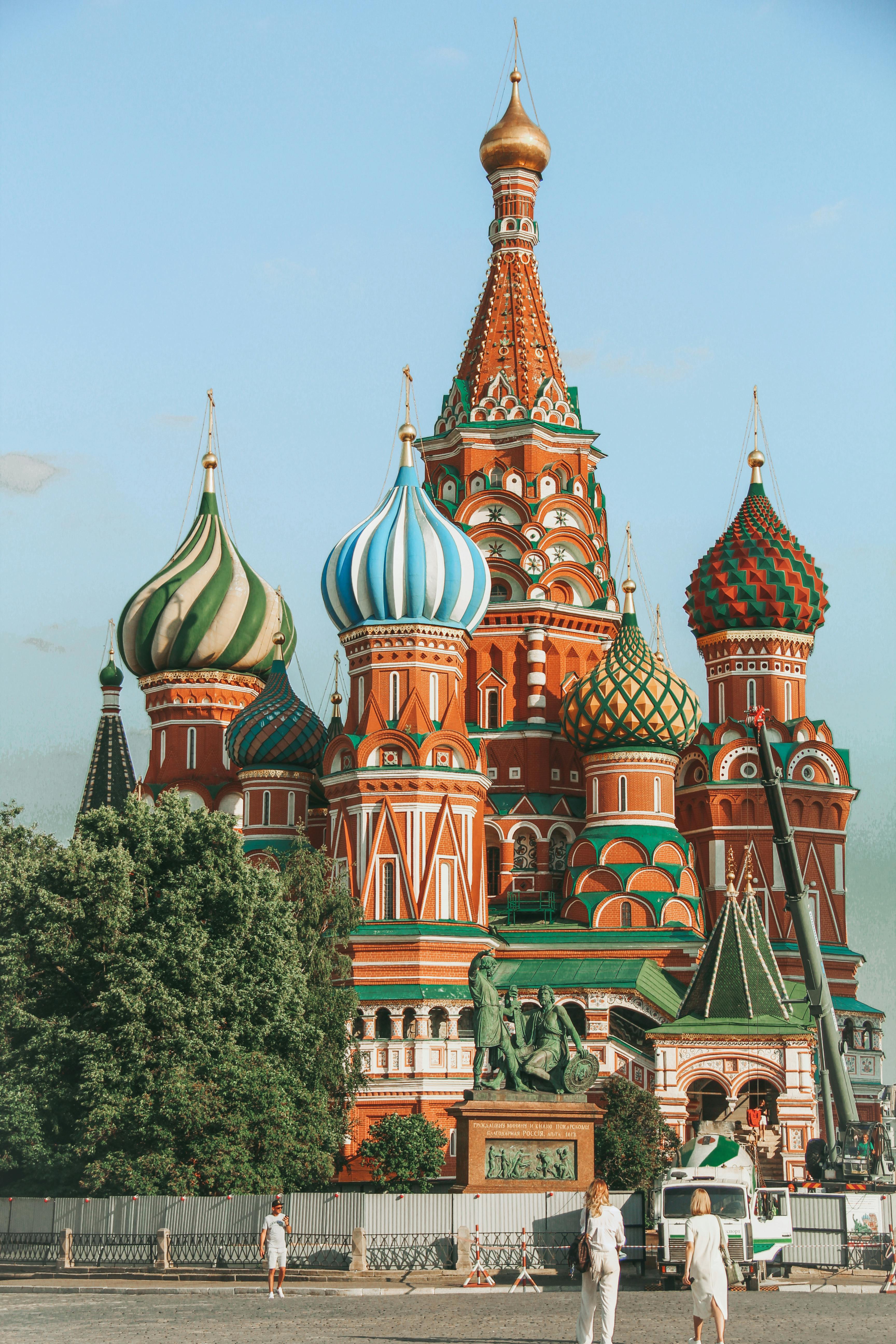
- Red Square and the Kremlin: Iconic historical sites central to Moscow’s political and military history.
- Memorial Museum of Cosmonautics: Located near VDNKh, highlighting Russia’s space achievements.
- VDNKh Exhibition Center: Showcasing Soviet-era pavilions and cultural exhibitions.
- Notable Moscow Metro Stations: Renowned for their architectural beauty.
Visitor Experience and Etiquette
- Access Restrictions: Always observe security protocols and follow staff instructions. Photography is restricted in sensitive areas.
- Dress Code: Business casual or formal attire is recommended, especially during ceremonies.
- Language: Russian is predominant. English-speaking tours may be available for groups; arranging a translator is advisable for individual visitors.
- Behavior: Show respect at memorials and during ceremonies. Gifts are not required but may be appropriate for official delegations.
Frequently Asked Questions (FAQs)
Q: Can I visit the Moscow Frontier Institute as an individual tourist?
A: Individual visits are not permitted. Access is limited to organized group tours or open house events on select holidays.
Q: Are tickets required for museum or event access?
A: The Central Museum requires tickets, often with discounts available. Institute events are free but require advance registration.
Q: Is the Central Museum accessible for visitors with disabilities?
A: Yes, the museum is equipped with ramps and accessible restrooms.
Q: Is photography allowed?
A: Photography is generally allowed in museum areas but restricted at the institute and during official ceremonies.
Essential Travel Tips for Moscow
- Weather in June: Mild temperatures (around 22°C/72°F) with occasional rain—bring layers and an umbrella.
- Visa Requirements: Most visitors need a visa. As of 2025, electronic visas are available for citizens of 55 countries.
- Tourist Tax: A 1% lodging tax applies, payable in rubles.
- Transport: Use a Troika card for easy access to metro, buses, and trams.
- Safety: Moscow is generally safe, but carry ID and follow local guidelines.
Summary and Key Takeaways
The Moscow Frontier Institute is a cornerstone of Russia’s border security tradition and military education. While its campus is closed to the public, its legacy is accessible through Moscow’s military museums, ceremonial events, and related historical sites. Special occasions like Border Guard Day provide rare opportunities for guided tours and public engagement, while the Central Museum offers year-round exhibitions for history enthusiasts (Wikipedia, GoingRus). Preparing in advance, respecting local customs, and leveraging guided resources will enrich your visit to Moscow’s military and historical landscape.
Listen to the full story in the app
The whole Moscow Frontier Institute,
told well.
Audio guides for 1,100+ cities across 96 countries. History, stories, and local insight — offline ready.

Verified, and shown.
Researched and written by the Audiala editorial team from historical records, architectural archives, and local expertise.
Researched from Wikidata, Wikipedia & official sources · fact-checked · How we make our guides →