Plan and listen to Maly Theatre with Audiala.
Audio guide in your pocket, itinerary in your browser. Built for the way you actually visit.
Introduction: The Legacy of the Maly Theatre
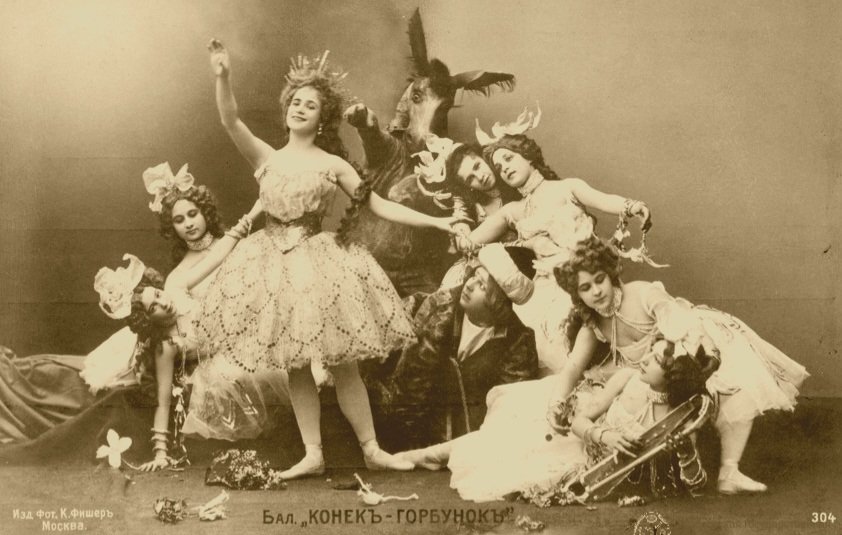
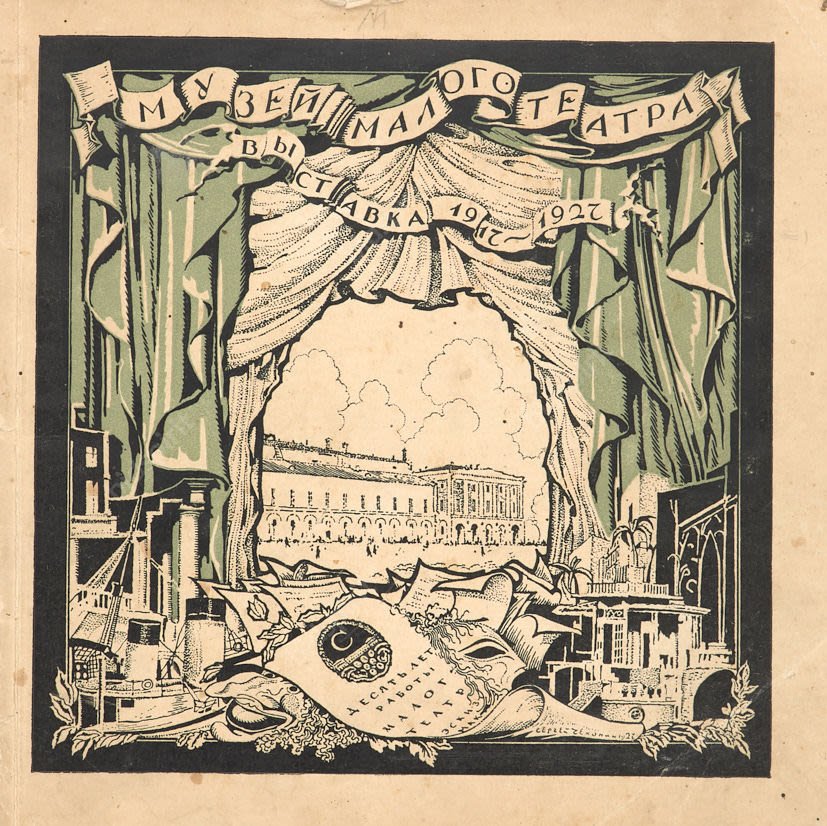
Located in the heart of Moscow on Theatre Square, the Maly Theatre stands as a testament to Russia’s enduring cultural and theatrical heritage. Officially established in the early 19th century, but with roots dating back to the mid-18th century, the Maly Theatre has played a pivotal role in shaping Russian drama and realism. Its neoclassical architecture and storied auditorium have witnessed the premieres of significant works by literary luminaries such as Alexander Ostrovsky, Anton Chekhov, and Alexander Pushkin. Renowned as “The House of Ostrovsky,” and closely tied to the Shchepkin Theatre School, the Maly Theatre continues to be both a cultural landmark and an educational institution. Conveniently situated near other major sites like the Bolshoi Theatre, Red Square, and the Kremlin, the Maly Theatre offers visitors an immersive journey into Russian history and the performing arts (Maly Theatre Official History; Advantour; Wikipedia; Express to Russia).

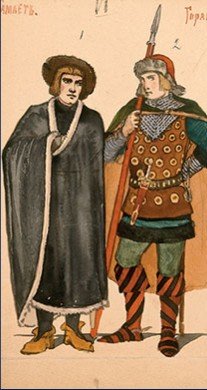
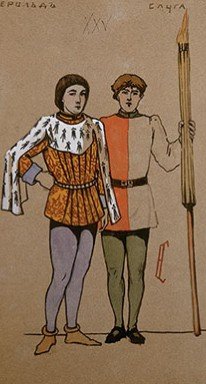
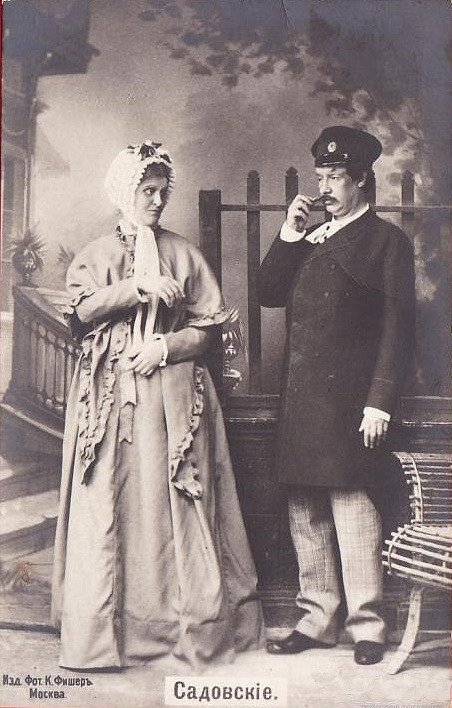
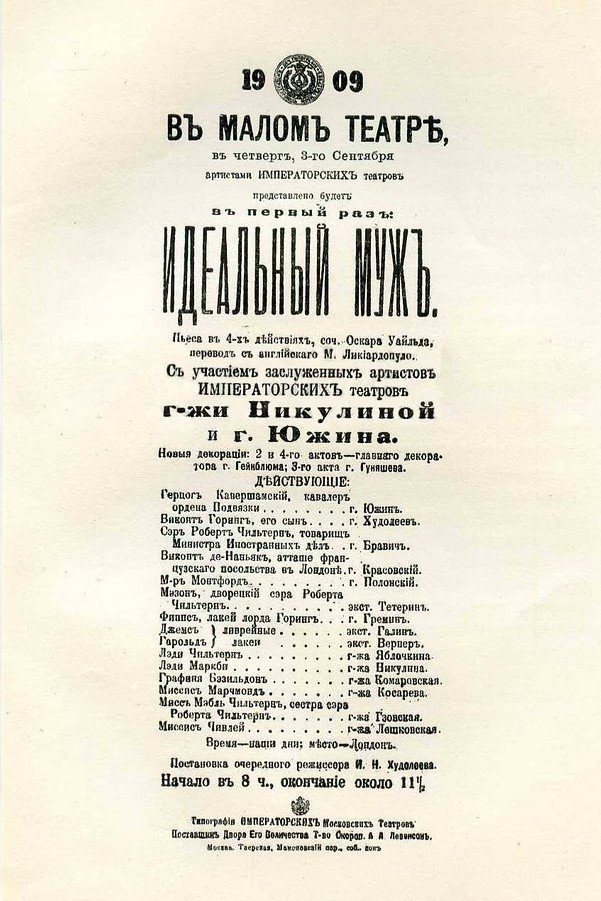
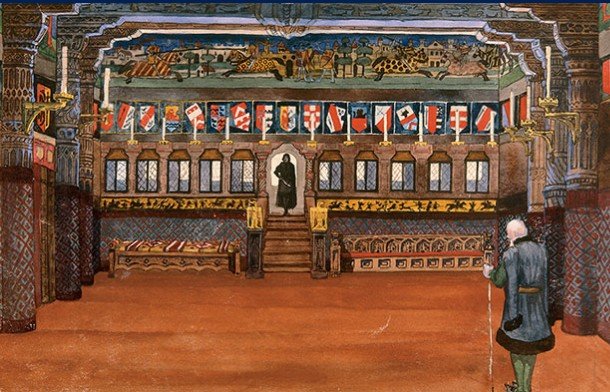
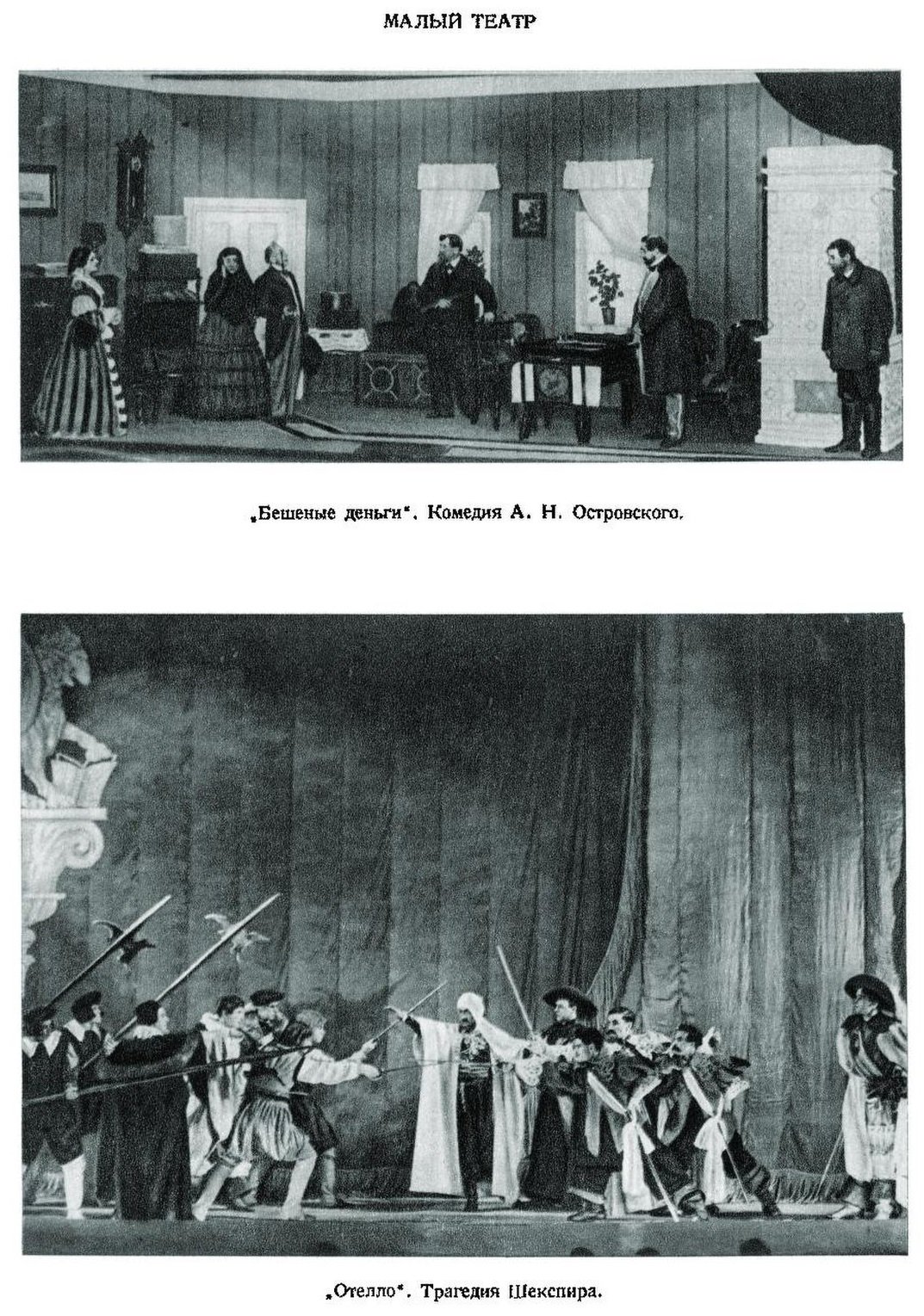
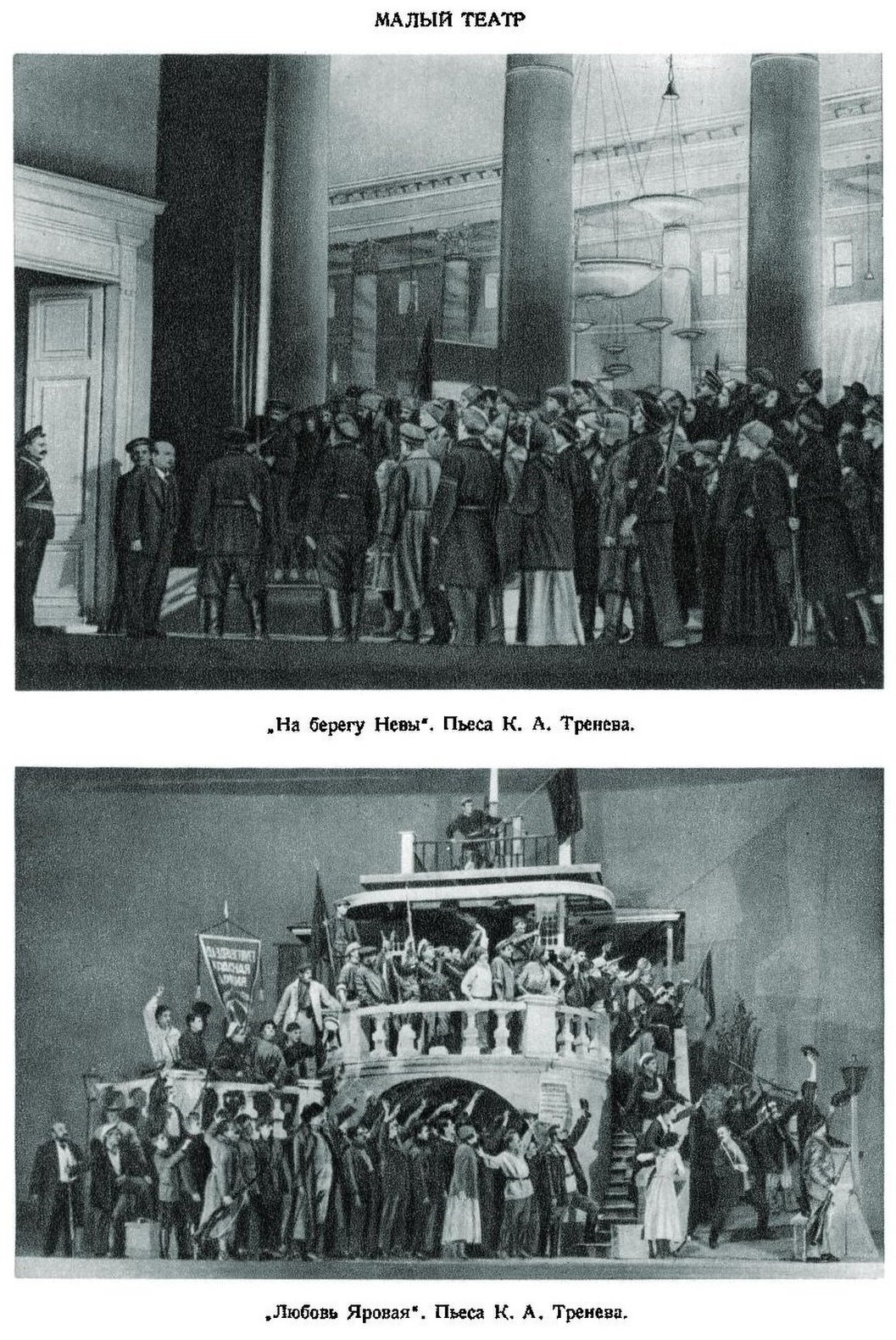
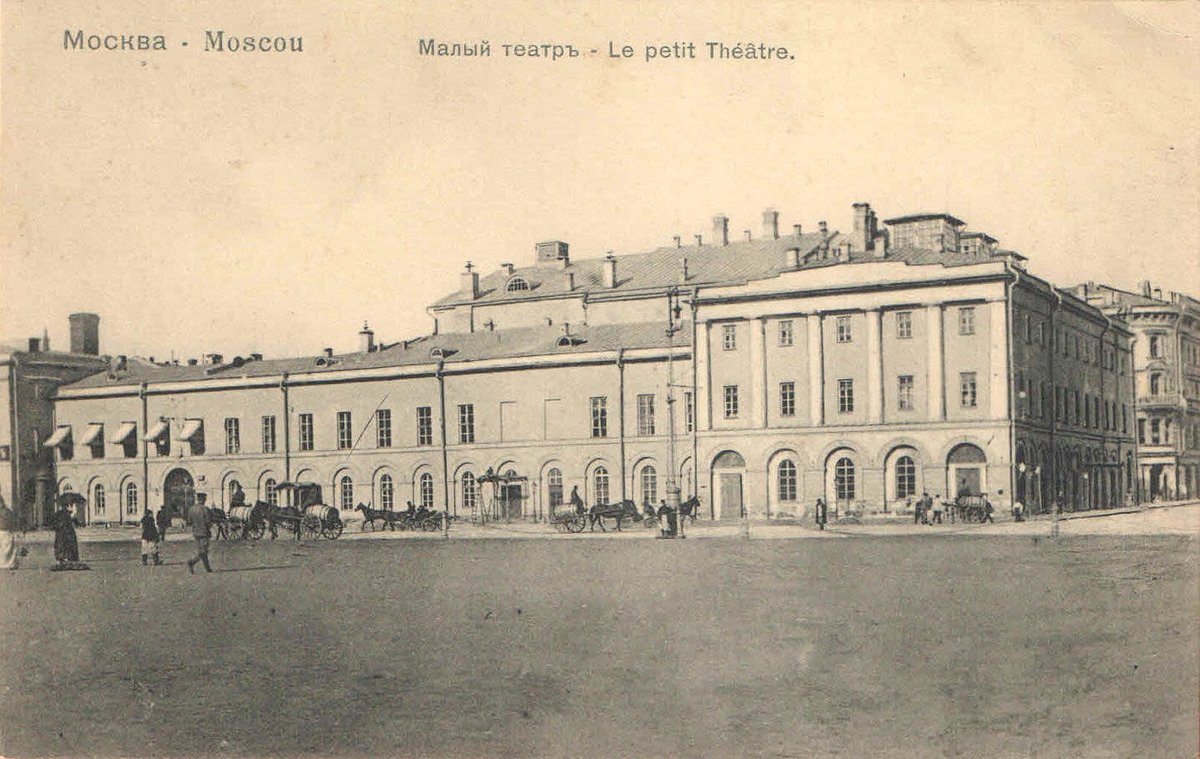
Early Foundations and Imperial Origins
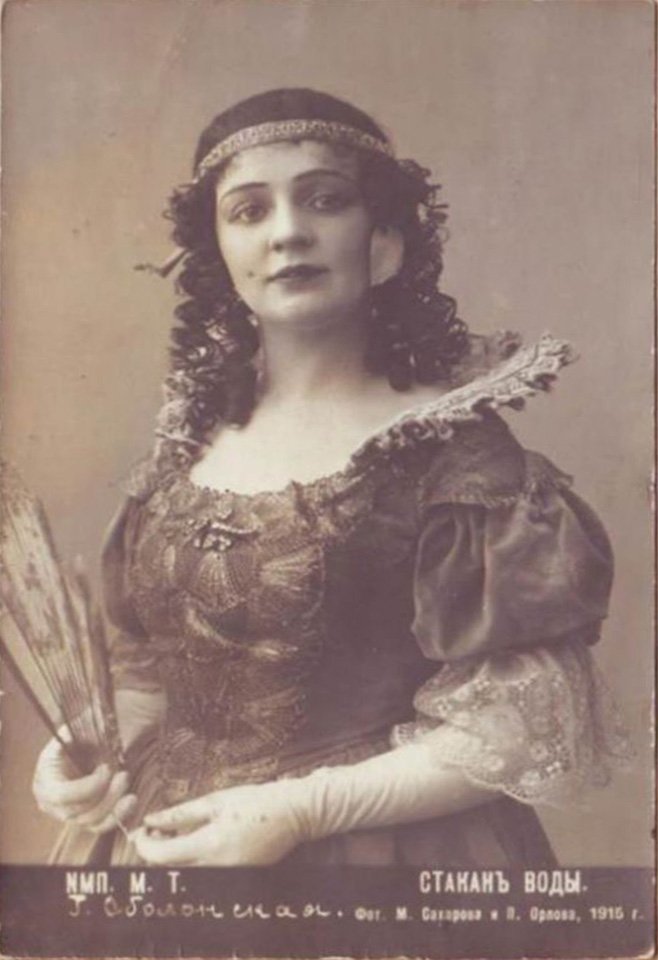
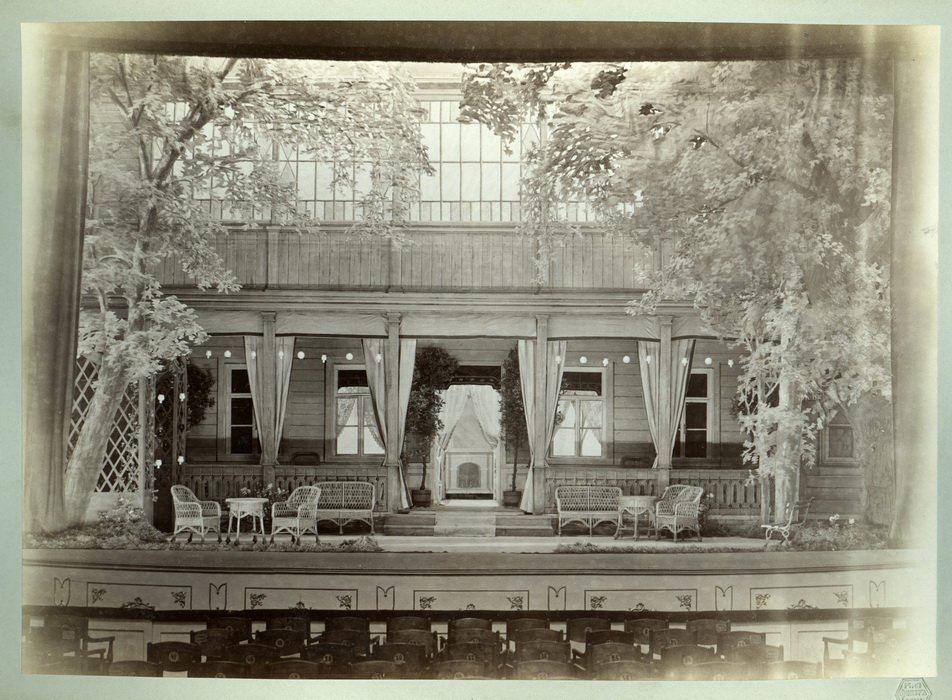
The origins of the Maly Theatre trace back to the mid-18th century, during the era of Empress Elizabeth Petrovna, who championed the establishment of a Russian theatre in 1756. This initiative led to the formation of a Moscow-based company, mainly comprised of students from Moscow University under the guidance of Mikhail Matveyevich Kheraskov. The first public theatre in Moscow, operational by 1759, laid the foundations for what would become the city’s first permanent theatre company (Maly Theatre Official History; Advantour).
Private entrepreneurs, especially Michael Maddox, further shaped the Moscow theatre scene by constructing the Petrovsky Theatre in 1780—a key venue for dramatic arts that paved the way for the future Imperial Moscow Theatre (Wikipedia).
Establishment and Early Development (1806–1824)
The Imperial Moscow Theatre was officially established in 1806 through a government initiative under Alexander I, consolidating actors from state and private companies and even acquiring serf actors from noble families. The first official performance took place in 1808 at the Pashkov House, featuring Carlo Goldoni’s "Servant of Two Masters" and August von Kotzebue’s "Poverty and Chivalry" (Liquisearch). Foreign works dominated the repertoire in the early years, but by the 1820s, Russian plays and playwrights began to come to the fore, reflecting a burgeoning national identity.
The Move to Theatre Square and the Birth of “Maly”
In 1824, the theatre relocated to the Vargin House on Theatre Square, marking the birth of the name “Maly” (meaning “Small”) to distinguish it from the nearby Bolshoi (“Grand”) Theatre, which focused on opera and ballet. The Maly Theatre’s new home was designed specifically for dramatic performances, and it opened with Alexey Verstovsky’s "Lily of Narbonne" (Liquisearch). The close proximity to the Bolshoi fostered a unique synergy, with both institutions initially sharing resources and operating under the same company (Wikipedia).
The Golden Age: 19th Century Flourishing
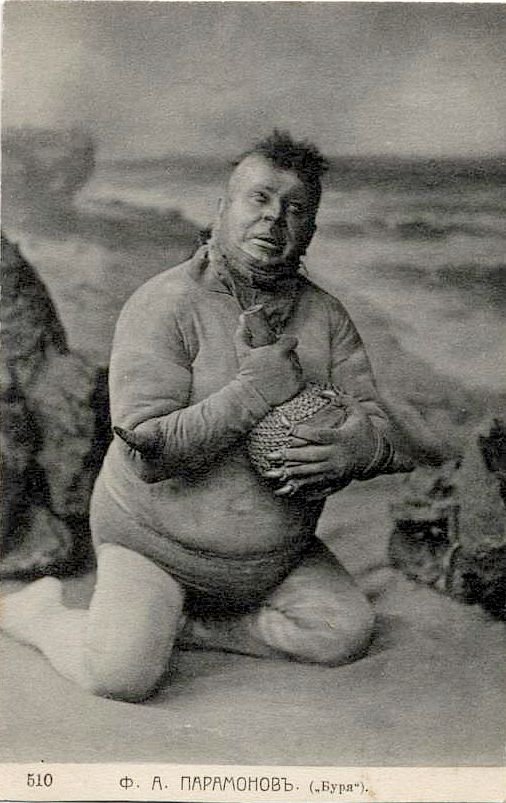
The 19th century was the Maly Theatre’s Golden Age, as it became the premier stage for Russian drama and earned its moniker as “The House of Ostrovsky.” Alexander Ostrovsky’s close relationship with the theatre resulted in 40 of his 54 plays premiering on its stage (Advantour). The repertoire also featured works by Pushkin, Griboedov, and Gogol, performed by legendary actors such as Mikhail Shchepkin and Pavel Mochalov (Maly Theatre Official History).
This period saw a transition towards realism, championed by Shchepkin, who mentored future stars and influenced acting styles. The Vargin House was expanded and modernized under architect Konstantin Thon, allowing for more sophisticated stagecraft and set design (Liquisearch).
Institutional Independence and Cultural Impact
A new Moscow Board of Theatres, established in 1823, granted the city’s theatres independence from St. Petersburg oversight. Governor Dmitry Golitsyn played a pivotal role in emancipating serf actors and supporting the theatre’s growth (Liquisearch). The Maly Theatre democratized Russian theatre, making dramatic arts accessible to a broad audience and earning the nickname “the second University” for its educational influence (Advantour).
Twentieth Century and Modern Era
Throughout the 20th century, the Maly Theatre maintained its dedication to classical Russian drama, surviving periods of political upheaval and cultural change. Notable anniversaries, such as its centenary in 1924 and bicentennial in 2006, have been celebrated amid ongoing debate about its founding date (Wikipedia). Today, the theatre is recognized as a national heritage site, maintaining a repertoire rooted in Russian and world classics, and operates the Shchepkin Theatre School—Russia’s oldest drama school (Wikipedia).
Architectural Evolution and Facilities
The Main Building
The Maly Theatre’s main building on Theatre Square, with a seating capacity of 935, is an outstanding example of Russian neoclassicism. Designed for optimal acoustics and sightlines, the interior features gilded moldings, red velvet seating, and a grand chandelier, creating an atmosphere of imperial elegance (WeHeart.Moscow). The auditorium’s design supports both intimate plays and grand historical dramas.
The Bolshaya Ordynka Stage
The secondary stage, located in the Zamoskvorechye District, was originally built as a cinema in the early 20th century and later adapted for theatre use. With 760 seats, it now serves as a venue for contemporary and experimental works, expanding the Maly’s artistic reach (Wikipedia).
Visiting Information
Location: Theatre Square, Tverskoy District, Moscow, Russia
Metro Access: Teatralnaya (Lines 2, 9, 10), Okhotny Ryad (Line 1), and Ploshchad Revolyutsii (Line 3) are all within a short walk (Trek Zone).
Visiting Hours: The theatre generally operates from Tuesday to Sunday, with box office hours from 12:00 PM to 8:00 PM. Performances typically begin at 7:00 PM, with some matinees on weekends. Doors open 45 minutes before showtime.
Ticketing: Tickets can be purchased via the official Maly Theatre website, at the box office, or through authorized agencies. Prices range from 500 to 5,000 rubles, depending on seat category and performance. Early booking is recommended, especially for popular shows (56th Parallel).
Discounts: Available for students, seniors, and groups. Check for seasonal promotions and special events.
Accessibility and Visitor Facilities
The Maly Theatre is committed to accessibility, with ramps, designated seating areas, and accessible restrooms. Audio guides and printed materials are available for visitors with hearing or visual impairments. While the building is historic, staff can assist guests with special needs—advance notice is encouraged (Official Website).
Travel Tips and Nearby Attractions
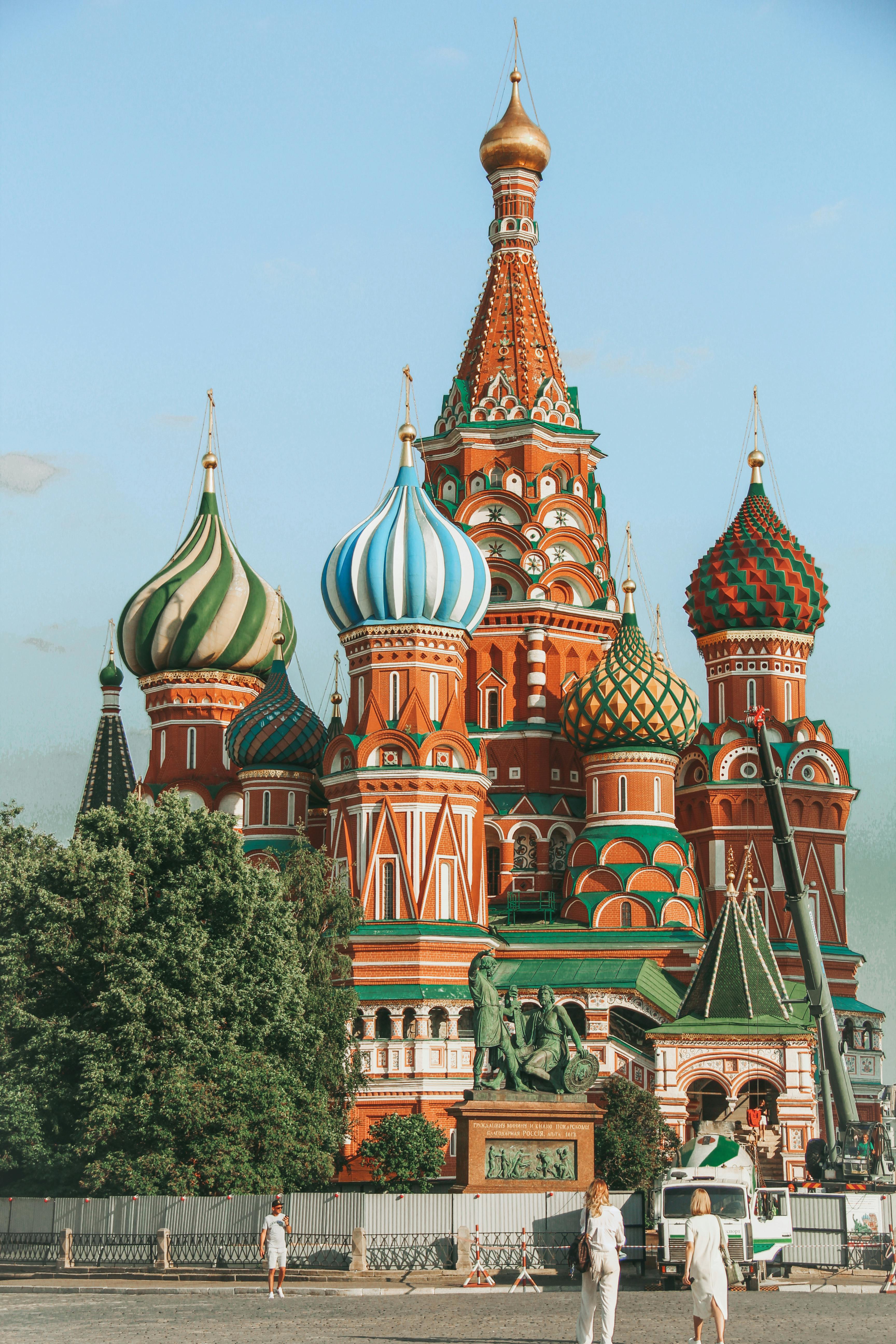
Located at the center of Moscow’s cultural life, the Maly Theatre is near the Bolshoi Theatre, Red Square, the Kremlin, State Historical Museum, Tverskaya Street, and Kuznetsky Most (Trek Zone). Numerous cafés, bars, and restaurants are nearby. For an enriched visit, explore these sites before or after your theatre experience.
Special Events and Guided Tours
The Maly Theatre hosts special events including premieres, festivals, and anniversary celebrations. Guided tours, available by advance booking, offer insights into the theatre’s history, architecture, and backstage areas. Tours are typically conducted in Russian, with occasional English-language tours available (Maly Theatre Official History).
Photographic Highlights
The theatre’s neoclassical façade is especially photogenic, particularly when illuminated in the evening. Inside, the grand staircase and ornate auditorium offer excellent photo opportunities. Photography during performances is prohibited, but is allowed in public areas before and after shows.
Frequently Asked Questions (FAQ)
Q: What are the Maly Theatre’s visiting hours?
A: The theatre opens for visitors and ticket sales from 12:00 PM to 8:00 PM, Tuesday through Sunday. Performances typically start at 7:00 PM.
Q: How can I buy tickets?
A: Tickets are available online via the official website, at the box office, and through reputable agencies.
Q: Are guided tours available?
A: Yes, guided tours are available by advance booking and provide historical and architectural insights.
Q: Is the theatre wheelchair accessible?
A: Yes, the theatre has ramps and accessible seating, but contact staff in advance for assistance.
Q: What is the dress code?
A: Smart casual or semi-formal attire is recommended, especially for evening performances.
Q: Are performances in English?
A: Performances are in Russian, but English synopses or subtitles may be available for select shows.
Legacy and Contemporary Relevance
The Maly Theatre remains a vibrant center for Russian drama, upholding the traditions of realism and classic repertory while embracing modern productions (Maly Theatre Official History). Its close association with the Mikhail Shchepkin Higher Theatre School ensures the continued training of talented actors and the preservation of artistic standards (Maly Theatre History). Recognized as a national treasure, the theatre draws audiences from around the world and stands among Moscow’s leading cultural monuments (Advantour; Biblioteka Nauki).
Visitor Recommendations
- Arrive at least 30 minutes before your performance to allow time for security and to enjoy the theatre’s architecture.
- Book tickets early, especially for in-demand productions.
- Explore nearby cultural sites for a complete Moscow experience.
- For up-to-date schedules, ticket bookings, and special events, visit the official Maly Theatre website or download the Audiala app.
Listen to the full story in the app
The whole Maly Theatre,
told well.
Audio guides for 1,100+ cities across 96 countries. History, stories, and local insight — offline ready.
Verified, and shown.
Researched and written by the Audiala editorial team from historical records, architectural archives, and local expertise.
Maly Theatre Moscow: Visiting Hours, Tickets, and Historical Insights
Maly Theatre (Moscow) )
Maly Theatre Moscow History
Visiting the Maly Theatre in Moscow: Hours, Tickets, History, and Cultural Significance
Maly Theatre Moscow
Reasons to Visit Moscow
Theatres
Moscow Cultural Life
10 Best Known Russian Plays to See in Moscow and St. Petersburg
Russian Theatre Cultural Significance
Researched from Wikidata, Wikipedia & official sources · fact-checked · How we make our guides →