Plan and listen to Kosino with Audiala.
Audio guide in your pocket, itinerary in your browser. Built for the way you actually visit.
Introduction to Kosino Moscow: History, Culture, and Visitor Essentials
Nestled in Moscow’s Eastern Administrative Okrug, Kosino is a captivating district where ancient heritage, spiritual traditions, and vibrant modern life come together. Once a rural settlement whose name likely comes from “kos” (Russian for “scythe” or “meadow”), Kosino is famed for its picturesque lakes—most notably, the sacred Lake Svyatoye (Holy Lake)—and its deep historical roots. Archaeological research places human habitation here as far back as the Neolithic and Bronze Ages, with burial mounds and settlement remains underscoring Kosino’s long-standing importance (RBTH; History of Moscow – Wikipedia).
Despite significant urban development and integration into Moscow, Kosino has retained its unique character through the preservation of wooden churches, green spaces, and enduring local customs. The district serves as a spiritual center, notably with the Church of the Life-Giving Trinity and annual Orthodox Christian rituals at Lake Svyatoye, which continue to draw pilgrims and visitors (Meduza). Modern Kosino is home to a diverse population, reflecting Moscow's evolving social fabric and embodying both tradition and contemporary vibrancy.
This comprehensive guide presents everything you need to know about visiting Kosino, including historical highlights, key attractions, ticketing and visiting hours, accessibility tips, local cuisine, and practical advice for an unforgettable visit (Moscow Tourism; ETS Russia Travel).

Early History and Origins
Kosino’s earliest traces date to the Neolithic and Bronze Ages, with burial mounds and settlements unearthed near its lakes. These finds, attributed to the Abashevskaya culture, illustrate the area’s antiquity. The name “Kosino” references the meadows that once dominated its landscape, and the lakes—White (Beloe), Holy (Svyatoye), and Black (Chyornoye)—have long been central to local life.
By the 17th and 18th centuries, Kosino was a rural outpost on Moscow’s edge, renowned for its springs, lakes, and wooden churches. The district’s spiritual significance endures, with Orthodox and pre-Christian rituals centered around Lake Svyatoye (RBTH).
Urban Development and Integration into Moscow
In the mid-20th century, Moscow’s rapid expansion absorbed Kosino, transforming it from a village into a vital urban district. Infrastructure like the Moscow Metro and new residential complexes spurred demographic growth. While many traditional structures gave way to modernization, green spaces, lakes, and select wooden buildings remain as reminders of Kosino’s rural heritage (RBTH).
Religious and Cultural Significance
Lake Svyatoye: Spiritual Heart of Kosino
Lake Svyatoye is pivotal to Kosino’s identity. It hosts annual Orthodox processions, traditional swimming ceremonies, and is the site of the revered Church of the Life-Giving Trinity. Pilgrims gather especially during religious festivals, drawn by the lake’s sacred aura and legendary healing properties (Meduza).
Religious Pluralism and Social Dynamics
Kosino reflects Moscow’s religious diversity, highlighted by debates over plans for a large mosque near Lake Svyatoye. While the project was eventually relocated, the episode underscored ongoing challenges of cultural coexistence in a rapidly changing city (Meduza).
Key Historical Sites and Natural Attractions
Archaeological Landmarks
- Bronze Age Burial Mounds: Four groups of kurgans, with three excavated and artifacts displayed at the Museum of Anthropology at Moscow State University.
- Neolithic Sites: Evidence of early settlements, accessible via guided tours (bookings required).
Legendary Sites
- The Lost Church Beneath Holy Lake: Local lore speaks of a sunken church, immortalized in Konstantin Savitsky’s 1887 painting “Landscape. Kosino.”
Kosino Lakes
- White Lake (Beloe Ozero): The largest lake, ideal for swimming and picnicking. Lifeguarded beaches in summer.
- Holy Lake (Svyatoye Ozero): Spiritual site, perfect for walks and contemplation.
- Black Lake (Chyornoye Ozero): A quieter spot beloved by birdwatchers.
Pathways connect the lakes, and bike rentals are available during summer months.
Parks and Green Spaces
Kosino’s parklands offer year-round recreation—jogging, cycling, cross-country skiing, and ice skating. Most paths are wheelchair accessible, with convenient parking (Kosino Lakes – Thrillophilia).
Religious and Cultural Sites
- Church of the Nativity of the Blessed Virgin Mary: Restored after historical damage, open daily with guided tours on weekends.
- Annual Religious Festivals: Processions and celebrations, especially in late summer.
Modern Social Dynamics
Kosino is home to over 150,000 residents from across Russia and neighboring countries. Community life revolves around neighborhood associations, schools, and cultural centers. While diversity has enriched the district, it has also sparked occasional social tensions, particularly concerning religious infrastructure (Meduza).
Visitor Information: Hours, Tickets, and Accessibility
Visiting Hours & Entry
- Lakes and Parks: Open dawn to dusk, year-round; free entry.
- Churches: Open daily, typically 9:00 AM–6:00 PM; donations welcome.
- Archaeological Sites: Guided tours available by appointment; free, but booking required.
Accessibility
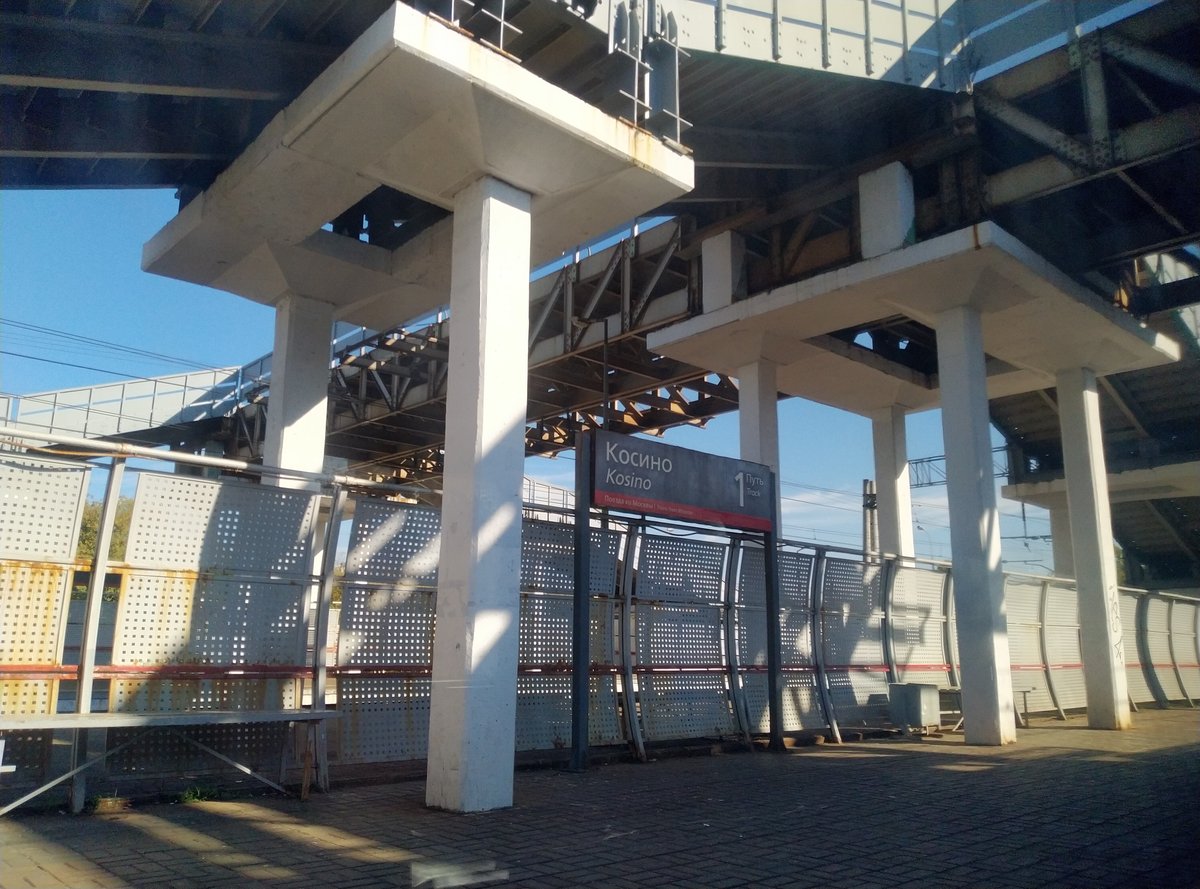
- Transport: Kosino Metro station (Nekrasovskaya Line) and local buses provide easy access.
- Facilities: Most major attractions offer wheelchair access; adapted restrooms at key sites.
- Parking: Free near White Lake and the main church.
Photography
Kosino’s lakes, wooden churches, and festivals offer outstanding photo opportunities. Respect religious ceremonies and seek permission for close-up photography of people.
Kosino’s Festivals, Events, and Local Cuisine
Annual Events
- Maslenitsa (Pancake Festival): Winter’s end, with traditional blini, folk music, and games.
- Victory Day (May 9th): Parades, concerts, and fireworks.
- Outdoor Concerts & Art Exhibitions: May–September, especially by the lakes.
Local Markets and Cuisine
Sample Russian classics—borscht, pelmeni, and blini—at cafes near the lakes and church. Markets offer fresh produce and handicrafts, including Khokhloma-painted woodenware (Events Calendar Moscow – ETS Russia Travel).
Zamania Kosino Park: Family-Friendly Recreation
Zamania Kosino Park is a top attraction for families, featuring rides, play zones, and seasonal festivals.
Hours and Tickets
- Opening: 10:00 AM–9:00 PM (varies seasonally).
- Tickets: ~500 RUB (children under 3 free). Family and group discounts available. Purchase online or at the entrance.
Access and Amenities
- Location: Short walk from Kosino Metro station.
- Facilities: Accessible restrooms, food outlets, and play areas.
Additional Tips
- Book tickets in advance during peak seasons.
- Download translation and transport apps (such as Yandex.Metro).
- The park is designed for accessibility, but confirm features if needed.
Frequently Asked Questions (FAQ)
Q: What are typical visiting hours for Kosino attractions?
A: Parks and lakes: dawn to dusk; churches: 9:00 AM–6:00 PM; Zamania Park: 10:00 AM–9:00 PM.
Q: Are tickets required?
A: Lakes, parks, and churches are free (donations welcomed). Zamania Park and spa require tickets.
Q: Is Kosino accessible for visitors with disabilities?
A: Yes, most major sites are wheelchair-accessible.
Q: How do I reach Kosino from central Moscow?
A: Take the Moscow Metro (Nekrasovskaya Line) to Kosino. Buses and taxis are also available.
Q: Are English-speaking guides available?
A: Yes, particularly through official tourism services.
Q: Is Kosino safe?
A: Yes, with well-maintained public spaces and visible security.
Listen to the full story in the app
The whole Kosino,
told well.
Audio guides for 1,100+ cities across 96 countries. History, stories, and local insight — offline ready.
Verified, and shown.
Researched and written by the Audiala editorial team from historical records, architectural archives, and local expertise.
Researched from Wikidata, Wikipedia & official sources · fact-checked · How we make our guides →