Plan and listen to Gogol Center with Audiala.
Audio guide in your pocket, itinerary in your browser. Built for the way you actually visit.
Introduction
Located at 8 Kazakova Street in the heart of Moscow, the Gogol Center was a beacon of contemporary Russian theater and cultural innovation until its closure in 2022. As a pioneering venue, it redefined Moscow’s arts scene by blending avant-garde performance, experimental dance, music, film, and intellectual dialogue with the city’s rich theatrical traditions. Although the Center no longer hosts performances, its building and legacy remain significant for visitors interested in Russia’s artistic evolution and the dynamic interplay between tradition and modernity (Arterritory; Moscow Theatre Guide; The Moscow Times).
This guide provides a comprehensive overview of the Gogol Center’s history, its pivotal role in Moscow’s cultural landscape, practical visitor information, and tips for exploring nearby historical sites.

Origins and History
From Drama Theater to Cultural Powerhouse
Originally established as the Gogol Moscow Drama Theater, the venue struggled for relevance in the early 21st century. In 2012, the Moscow Department of Culture appointed visionary director Kirill Serebrennikov to transform the theater into a multidisciplinary space. The renovated Gogol Center opened in 2013 with the ambitious “00:00” project, featuring over 60 artists and four new plays, immediately establishing itself as a hub for boundary-pushing performance and radical experimentation (Arterritory; Russian Art Archive).
Leadership, Political Context, and Closure
Under Serebrennikov, the Center became a symbol of artistic freedom in Russia, hosting resident companies like Studio Seven, Dialogue Dance, and SounDrama, and presenting works that explored social, political, and cultural issues. The Center’s progressive vision led to both acclaim and controversy: Serebrennikov’s legal battles and house arrest in 2017 drew international attention to the challenges faced by Russia’s independent arts sector (New East Archive). In 2022, the Center was officially closed, but its legacy endures as a touchstone for artistic innovation and free expression.
Artistic Innovation and Cultural Impact
Interdisciplinary Approach
The Gogol Center’s unique programming wove together drama, contemporary dance, music, film, and public discussion. Its open, industrial-chic spaces, complete with a café, bookstore, and media library, encouraged creative exchange between artists and audiences (Moscow Theatre Guide).
Social Engagement
More than a performance venue, the Center fostered community among Moscow’s youth, artists, and activists. Events like "Gogol+" and the "Gogol Cinema" program created platforms for dialogue on pressing social themes—gender, sexuality, and political dissent—often absent from mainstream Russian discourse.
International Recognition
With English subtitles for major productions and collaborations with global artists, the Center attracted international visitors and raised Moscow’s profile as a forward-thinking cultural destination. During the COVID-19 pandemic, “Gogol-Online” streamed performances globally, further expanding the theater’s reach (Visit Russia; New East Archive).
Visiting Gogol Center: Key Information
Location and Access
- Address: 8 Kazakova Street, Basmanny District, Moscow, Russia (Wikipedia)
- Metro: Kurskaya (Circle Line, Arbatsko–Pokrovskaya Line) and Chkalovskaya stations are both within a 10-minute walk.
- Public Transport: Moscow’s metro system is efficient; taxis and Yandex.Taxi are also available (MakeMyTrip).
Visiting Hours
- Current Status: As of 2025, the Gogol Center is closed for regular performances. The site is accessible as part of walking tours and remains a point of interest during daylight hours. No formal visiting hours are in effect (The Moscow Times).
- Tip: Confirm with local tourism offices for any temporary exhibitions or public events at the location.
Tickets and Reservations
- Performances: No tickets are sold for the Gogol Center since its closure in 2022.
- Nearby Events: For theater experiences, explore tickets to other Moscow venues via official tourism portals (Express to Russia).
Accessibility
- Venue: The building is generally accessible, with ramps and restrooms for visitors with limited mobility. However, as a historic structure, some areas may be less accessible. Visitors should verify arrangements in advance (Gogol Center; Spotted by Locals).
Amenities
- Café and Bookstore: Previously, the Center’s café and bookstore were popular gathering spots for artists and visitors. While these services may no longer operate, the building’s ambiance still offers a glimpse into Moscow’s artistic energy.
- Media Library: A unique feature, the media library provided access to performance archives and global theater recordings.
Safety and Security
- General Safety: Moscow is safe for tourists, but standard precautions apply. Security checks are standard at major venues. Always check current travel advisories and health guidelines (iVisaTravel).
Nearby Attractions
The Gogol Center’s central location makes it an excellent starting point for exploring Moscow’s rich cultural landscape:
- Red Square and the Kremlin: Moscow’s most iconic sites, a 15-minute walk away.
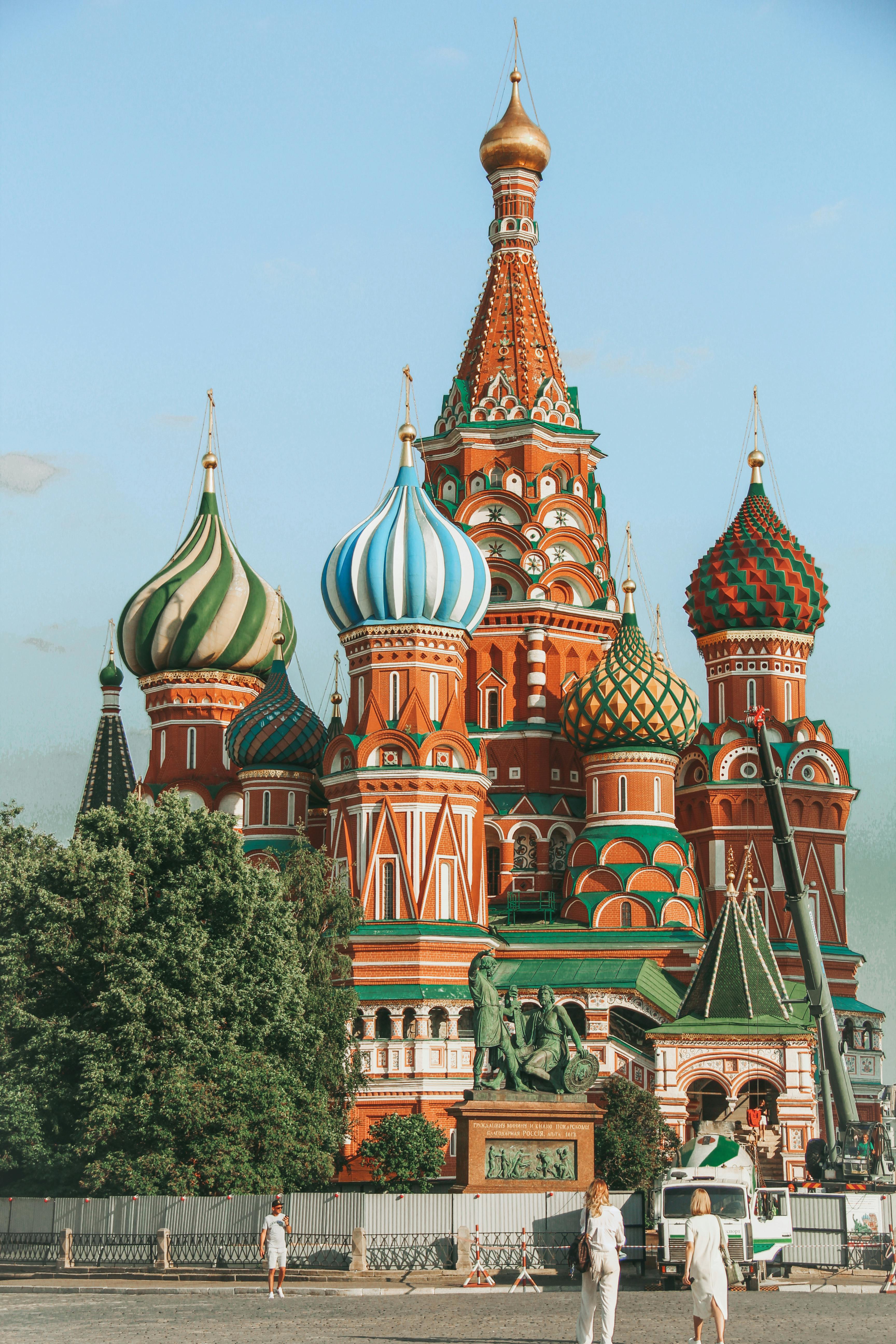
- St. Basil’s Cathedral: Famed for its colorful domes, adjacent to Red Square.
- Moscow Art Theatre: A cornerstone of Russian dramatic tradition.
- Winzavod Contemporary Art Center: A hub for modern art, located nearby.
- Basmanny District: Full of historical architecture, trendy cafes, and vibrant street art.
Combine a visit to the Gogol Center’s site with these attractions for a full day of cultural exploration.
Frequently Asked Questions (FAQ)
Q: Can I visit the Gogol Center today?
A: The Center is closed, but its building remains a cultural landmark, often included in walking tours.
Q: Are any performances held at the Gogol Center?
A: No, but you can find performances at other Moscow theaters via official tourism resources.
Q: Is the building accessible?
A: The area is generally accessible for those with mobility needs; contact local guides for specifics.
Q: What else can I visit nearby?
A: Red Square, the Kremlin, St. Basil’s Cathedral, and several major art centers are within walking distance.
Q: Where can I find updated information about Moscow’s theater scene?
A: Check official tourism websites, cultural guides, and platforms like Express to Russia and News18.
Listen to the full story in the app
The whole Gogol Center,
told well.
Audio guides for 1,100+ cities across 96 countries. History, stories, and local insight — offline ready.
Verified, and shown.
Researched and written by the Audiala editorial team from historical records, architectural archives, and local expertise.
Researched from Wikidata, Wikipedia & official sources · fact-checked · How we make our guides →