Plan and listen to Borovitskaya Tower with Audiala.
Audio guide in your pocket, itinerary in your browser. Built for the way you actually visit.
Introduction
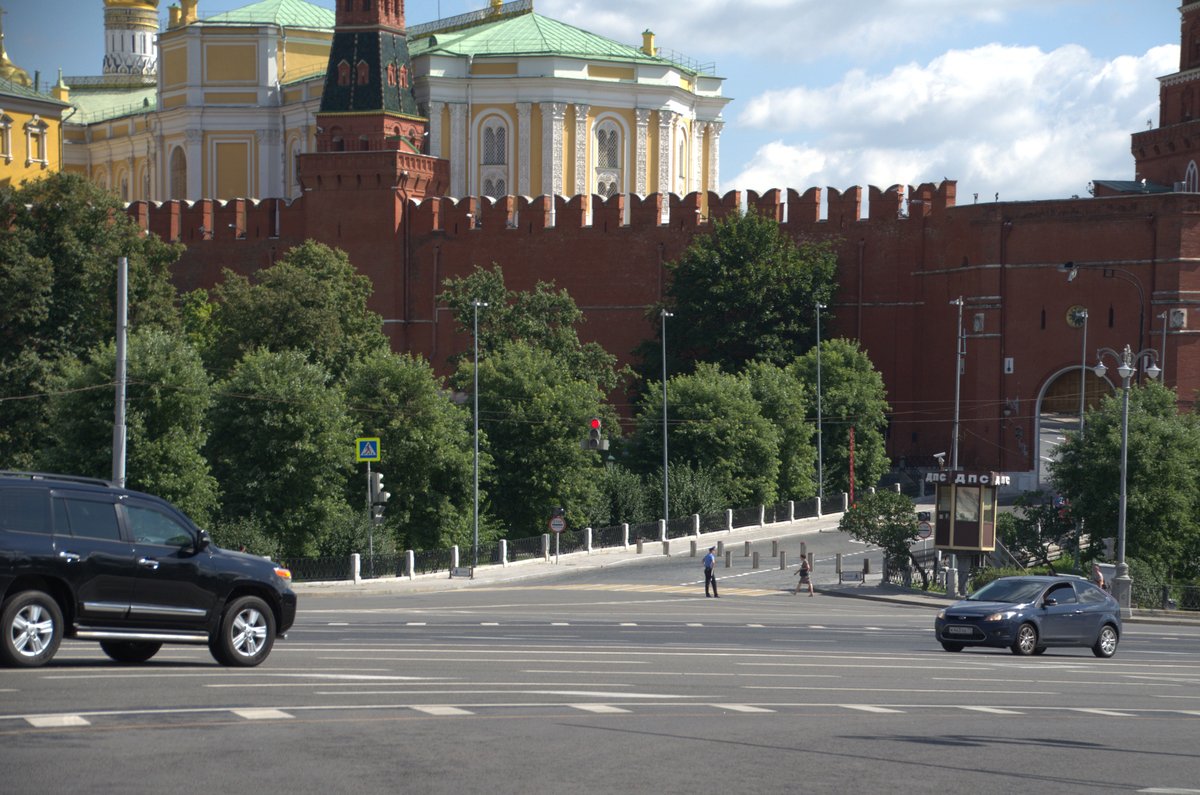
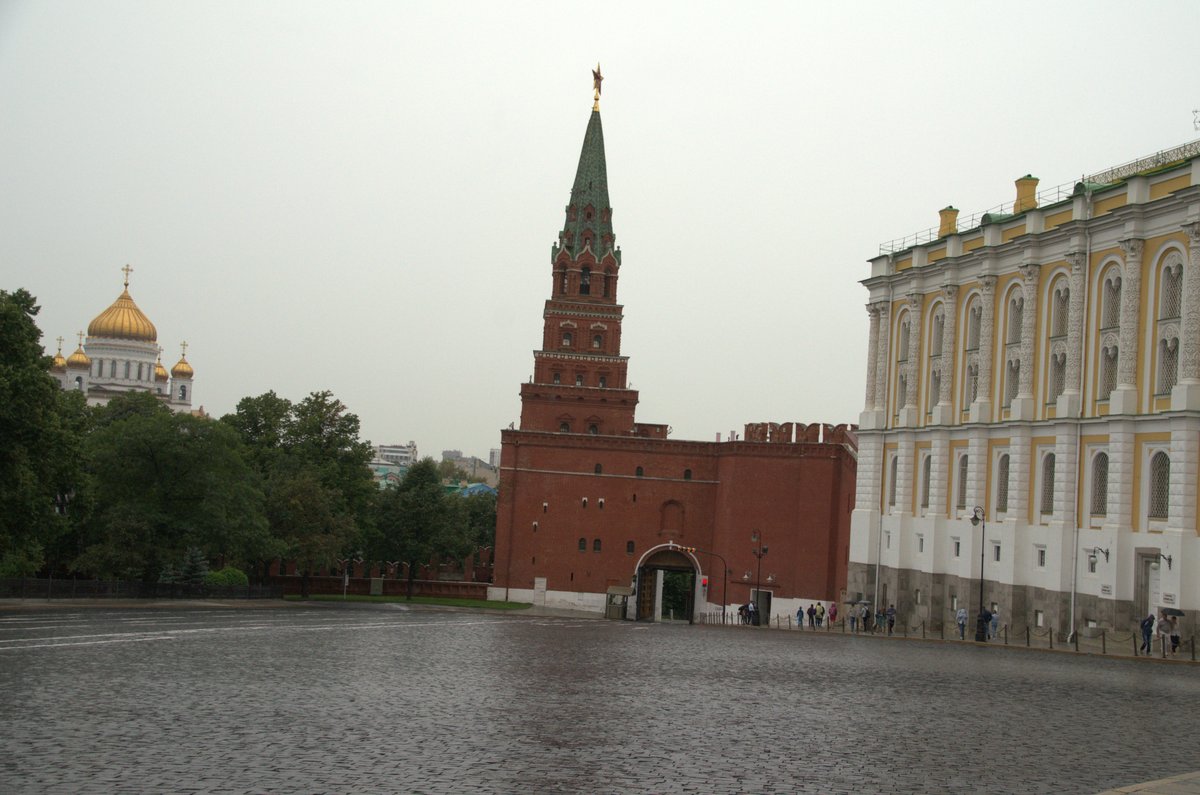
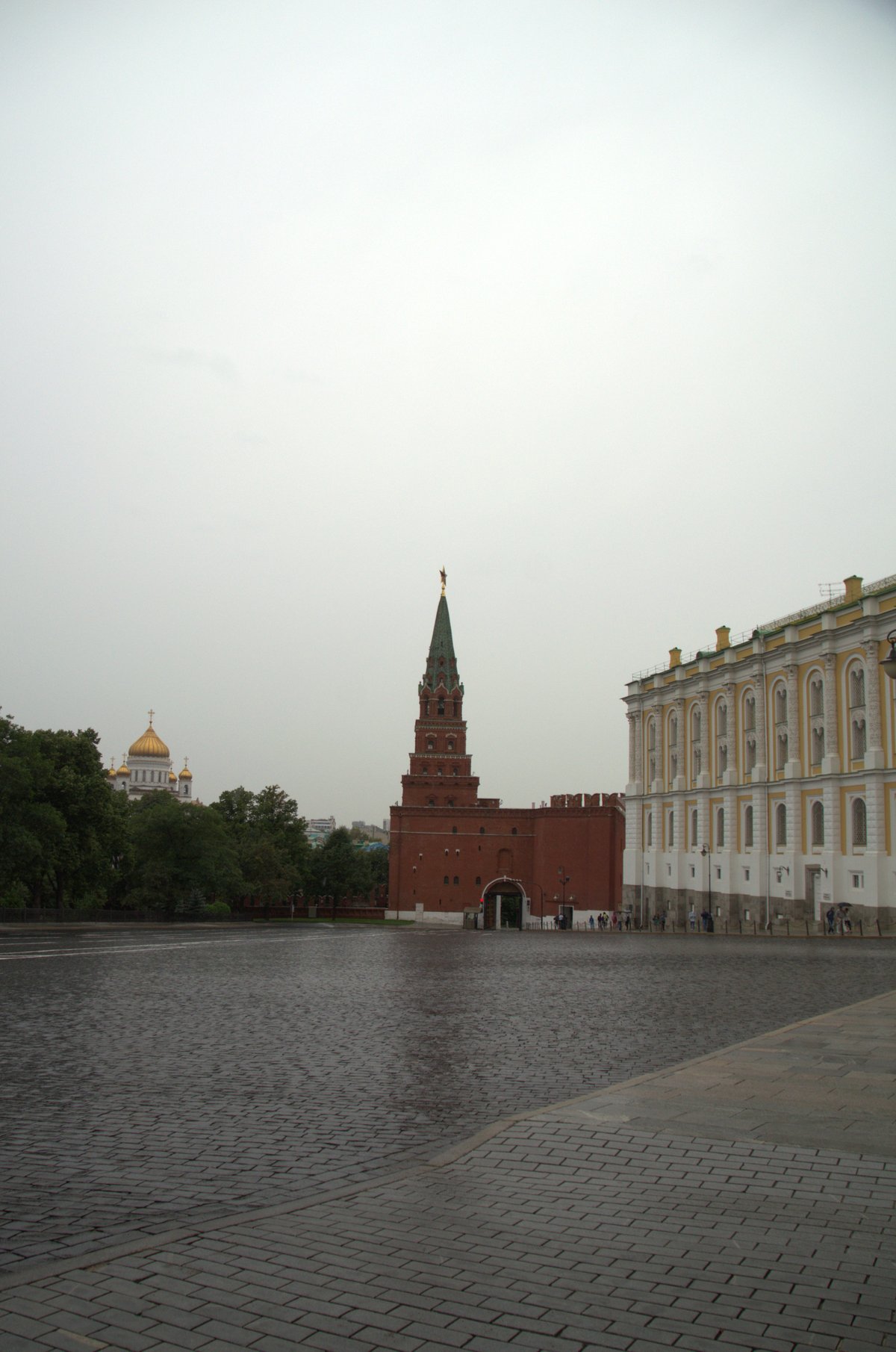
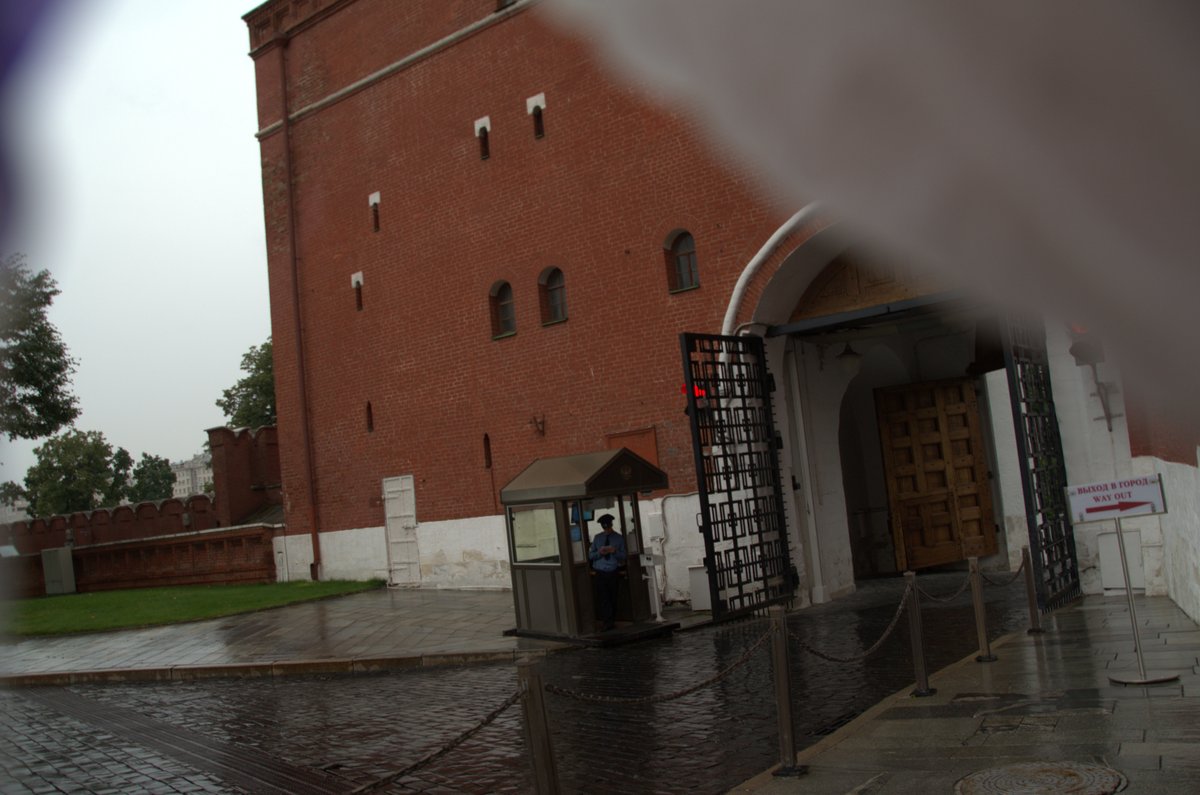
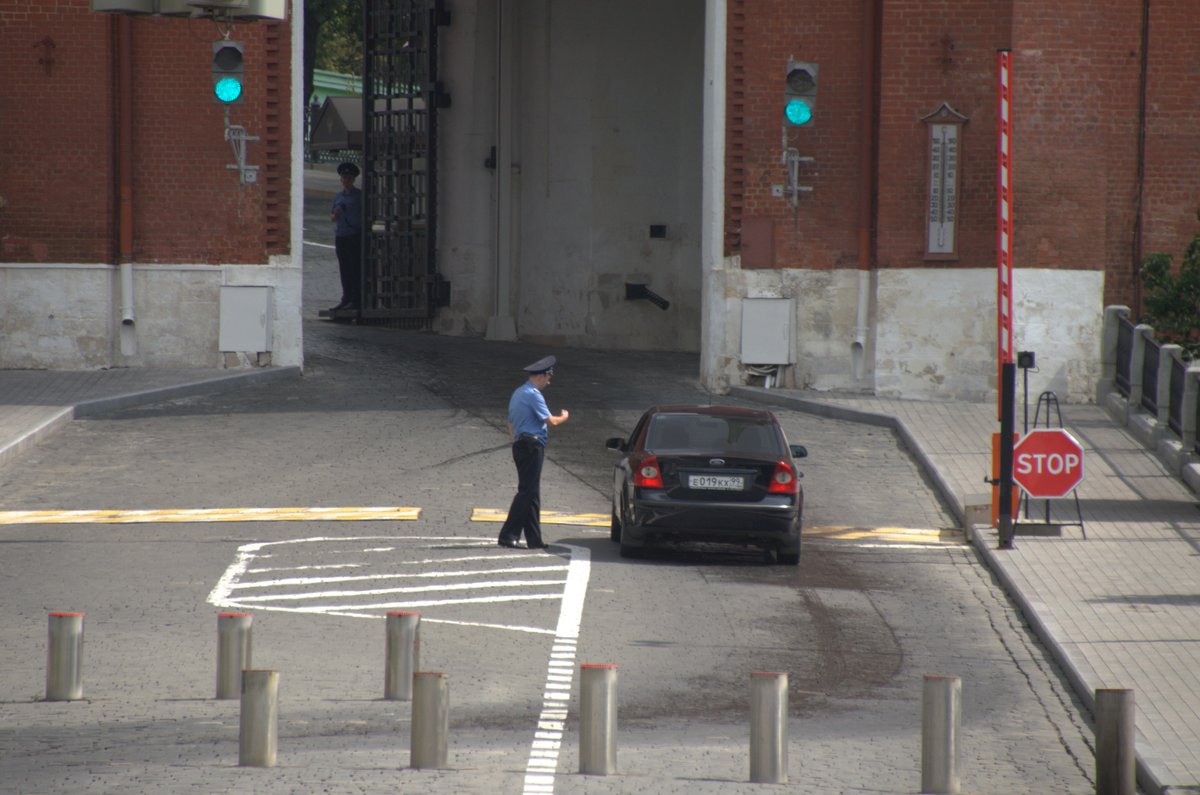
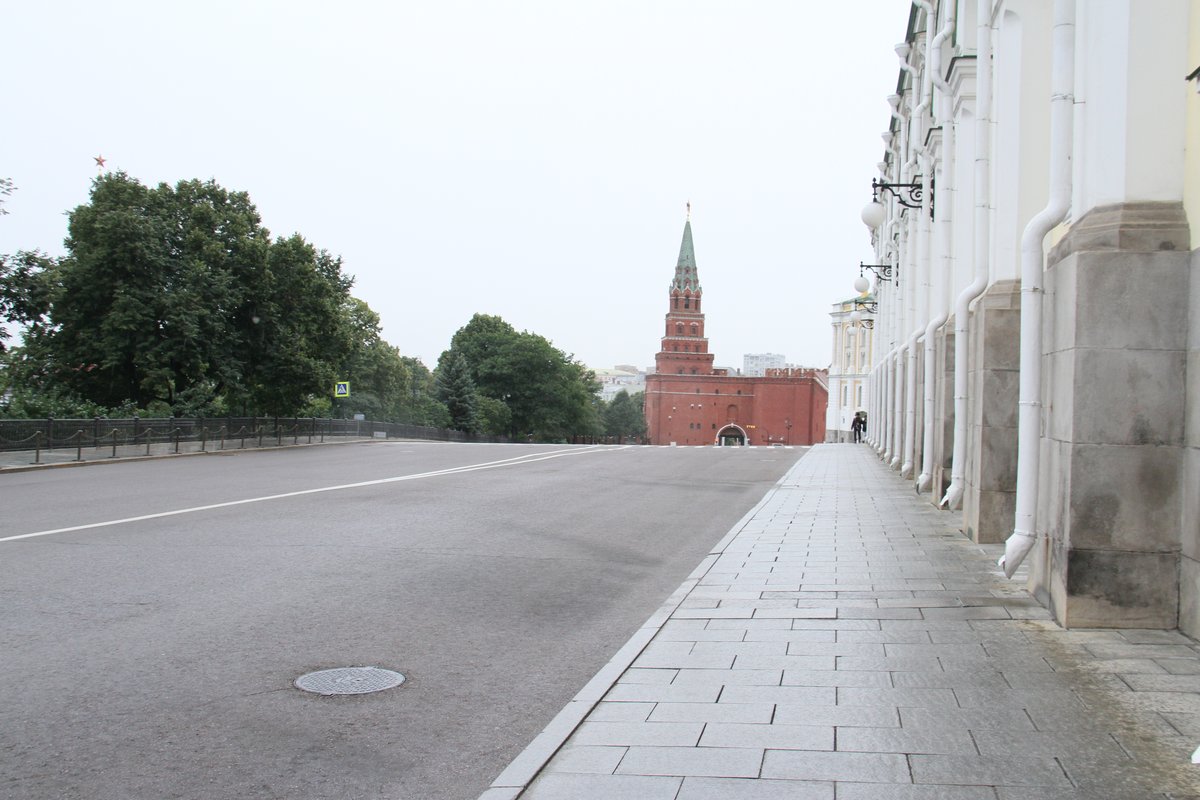
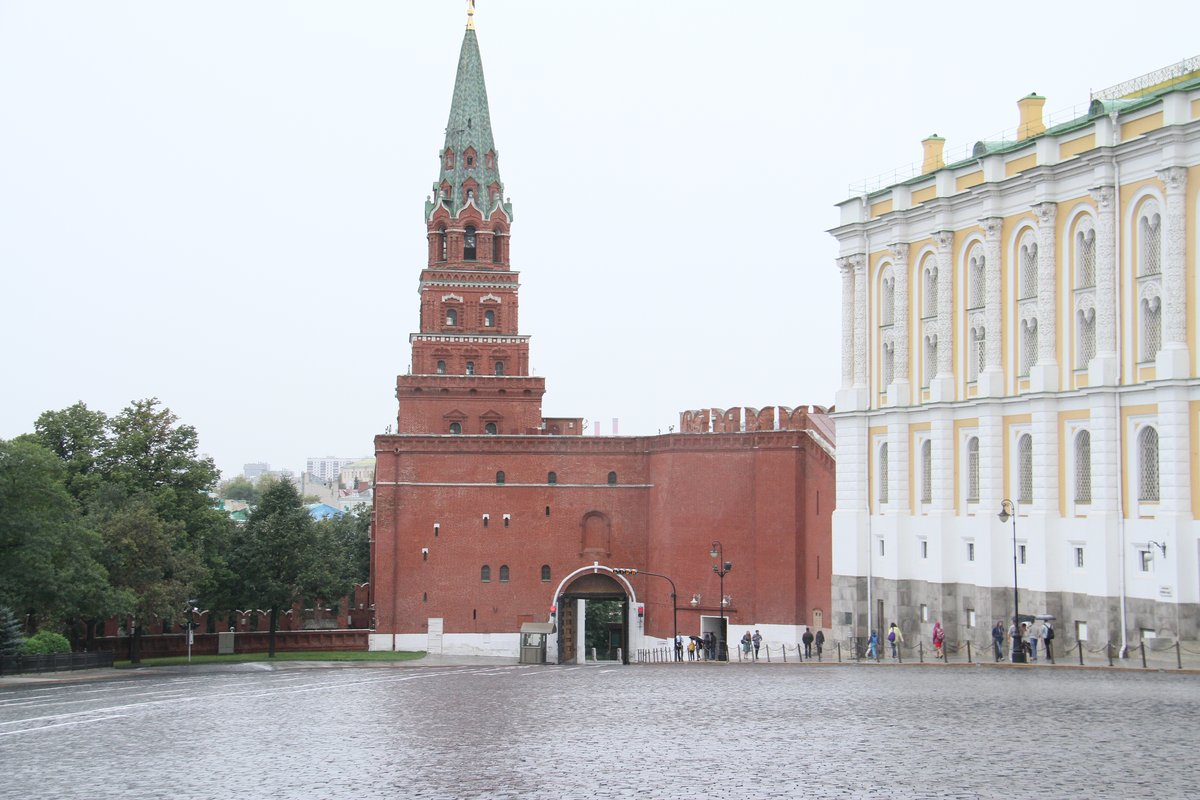
Borovitskaya Tower, known in Russian as Боровицкая башня, stands as a prominent historical and architectural landmark within the Moscow Kremlin. Nestled in the southwestern part of the Kremlin, this tower offers a captivating glimpse into Russia's rich and multifaceted history, making it an essential stop for any visitor to Moscow (Wikipedia). The name 'Borovitskaya' is derived from the ancient coniferous forest that once covered Borovitsky Hill, one of Moscow's seven hills, adding a layer of natural history to its cultural significance (Advantour).
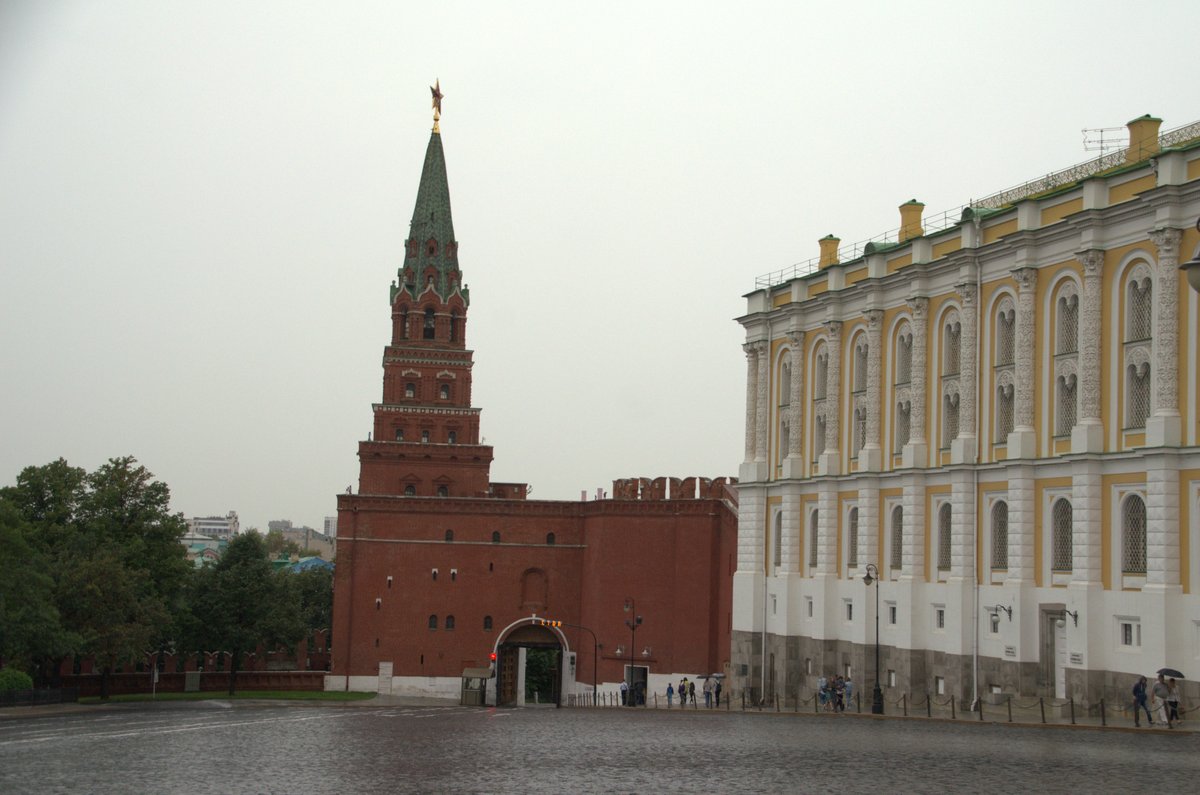
Constructed in 1490 by the Italian architect Pietro Antonio Solari, the Borovitskaya Tower has undergone numerous architectural transformations and restorations, reflecting the dynamic history of Moscow itself (Wikipedia). Initially part of the wooden fortress of Dmitry Donskoy, it evolved into a brick structure, symbolizing the transition from medieval to modern Russian architecture (Ermakvagus). The tower's unique pyramid-like shape and prismatic branch arch set it apart from other Kremlin towers, making it a focal point for architectural historians and enthusiasts alike (Ermakvagus).
The Borovitskaya Tower has not only served as a defensive stronghold during various sieges but also as a ceremonial gateway during significant events such as the coronation of Catherine II (Kremlin Architectural Ensemble). Its resilience and continuous restoration efforts underscore its importance as a historical and cultural icon. Today, the tower remains a testament to Moscow's architectural ingenuity and historical depth, drawing countless visitors who seek to explore its storied past and unique architectural features.

Historical Background
Early History and Construction
The Borovitskaya Tower, also known as the Predtechenskaya or Chertolsky Gate, is a significant historical structure located in the southwestern part of the Moscow Kremlin. The name 'Borovitskaya' is derived from the ancient coniferous forest (bor) that once covered Borovitsky Hill, one of the seven hills on which Moscow stands (Advantour).
The Borovitskaya Gate is one of the earliest constructions in Moscow, dating back to the wooden fortress of Dmitry Donskoy. The current tower above the gate was built in 1490 during the reconstruction of the Kremlin from white stone to brick. This reconstruction was overseen by the Italian architect Pietro Antonio Solari, also known as Petr Fryazin (Wikipedia).
Architectural Evolution
The Borovitskaya Tower has undergone several architectural changes since its initial construction. In the 17th century, a hipped roof with a tiled covering was added. Until 1935, the tower was adorned with a gilded double-headed eagle, a symbol of the Russian Empire. In 1937, this was replaced by a ruby star, a symbol of Soviet power (Ermakvagus).
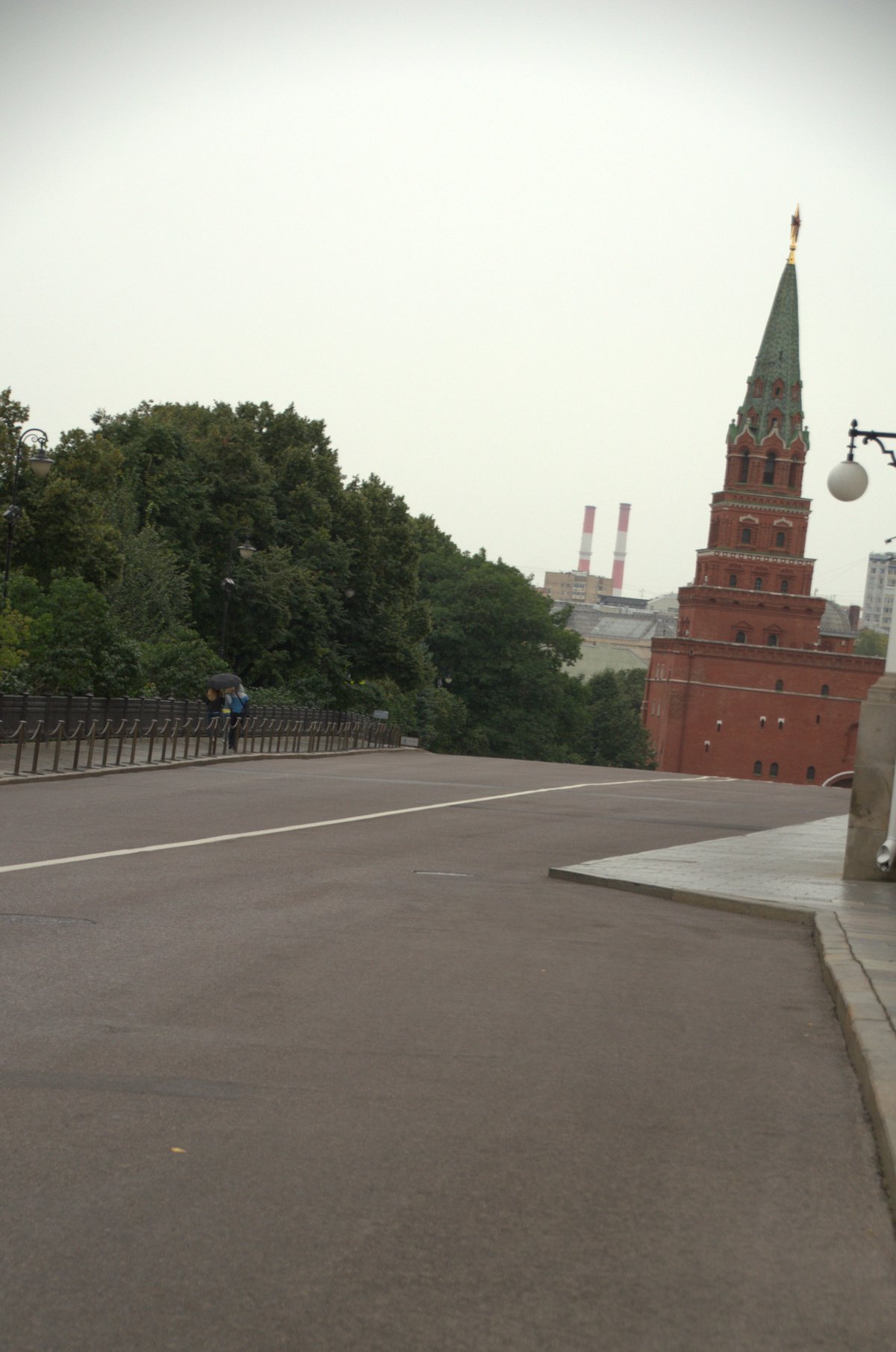
The tower's powerful square base is topped with three tetrahedrons of various sizes, culminating in a tall stone dome. The height of the Borovitskaya Tower without the star is 50.7 meters, and with the star, it reaches 54.5 meters (Advantour).
Renaming and Restoration
In 1658, Tsar Alexey Mikhailovich ordered the tower to be renamed Predtechenskaya after the nearby Church of St. John the Forerunner. However, this new name never gained popularity, and the original name persisted (Kremlin Architectural Ensemble).
The tower has faced several instances of damage and subsequent restoration. In 1812, it was damaged by an explosion staged by the retreating French army. Between 1817 and 1819, the tower was restored by architect Osip Bove (Wikipedia). Further restoration efforts were made in 1935 when the Soviets installed the red star on top of the tower.
Modern Enhancements and Preservation
In the 20th century, the Borovitskaya Tower underwent significant enhancements and preservation efforts. On June 1, 1707, by order of Peter I, additional fortifications were added, including earthworks from the side of the Moskva River and a bastion facing the Borovitsky Gate (Ermakvagus).
During the preparations for the coronation of Catherine II in 1762, the tower was repaired and decorated with solemn illumination. Architect Ivan Michurin and carpenter Erich Gampus were responsible for these works, which included the use of 36 pounds of paint and 400 lanterns of different colors to decorate the facade (Ermakvagus).
Unique Architectural Features
The Borovitskaya Tower is unique among the Kremlin towers due to its pyramid-like shape and prismatic branch arch. Historian S. P. Bartenev noted that it is impossible to find a prototype for this tower among the many towers in Italy and other European countries. The only similar monument in Russia is the Sumbeki Tower in Kazan (Ermakvagus).
The tower is divided into eight floors, with internal stairs from the first to the fourth floor comprising 75 steps. The main body of the tower features three tetrahedrons of varying sizes, enhancing its distinctive architectural style (Ermakvagus).
Historical Significance
The Borovitskaya Tower has played a crucial role in the history of Moscow and the Kremlin. It served as a passage to the housekeeping part of the royal estate, separated from its formal part by a stone wall erected in 1499 (Kremlin Architectural Ensemble).
In the 19th century, the tower was part of the preparations for the coronation of Catherine II, highlighting its importance in Russian ceremonial traditions. The tower's resilience and continuous restoration efforts underscore its significance as a historical and architectural landmark in Moscow.
Visitor Information
Visiting Hours and Tickets
Borovitskaya Tower is open to visitors daily from 10:00 AM to 5:00 PM. Tickets can be purchased online or at the Kremlin ticket office. Prices vary depending on the type of tour and the areas you wish to visit.
Travel Tips
- Best Time to Visit: Early morning or late afternoon to avoid crowds.
- What to Wear: Comfortable shoes are recommended as there are many steps to climb.
- Photography: Photography is allowed, but the use of tripods is restricted.
Nearby Attractions
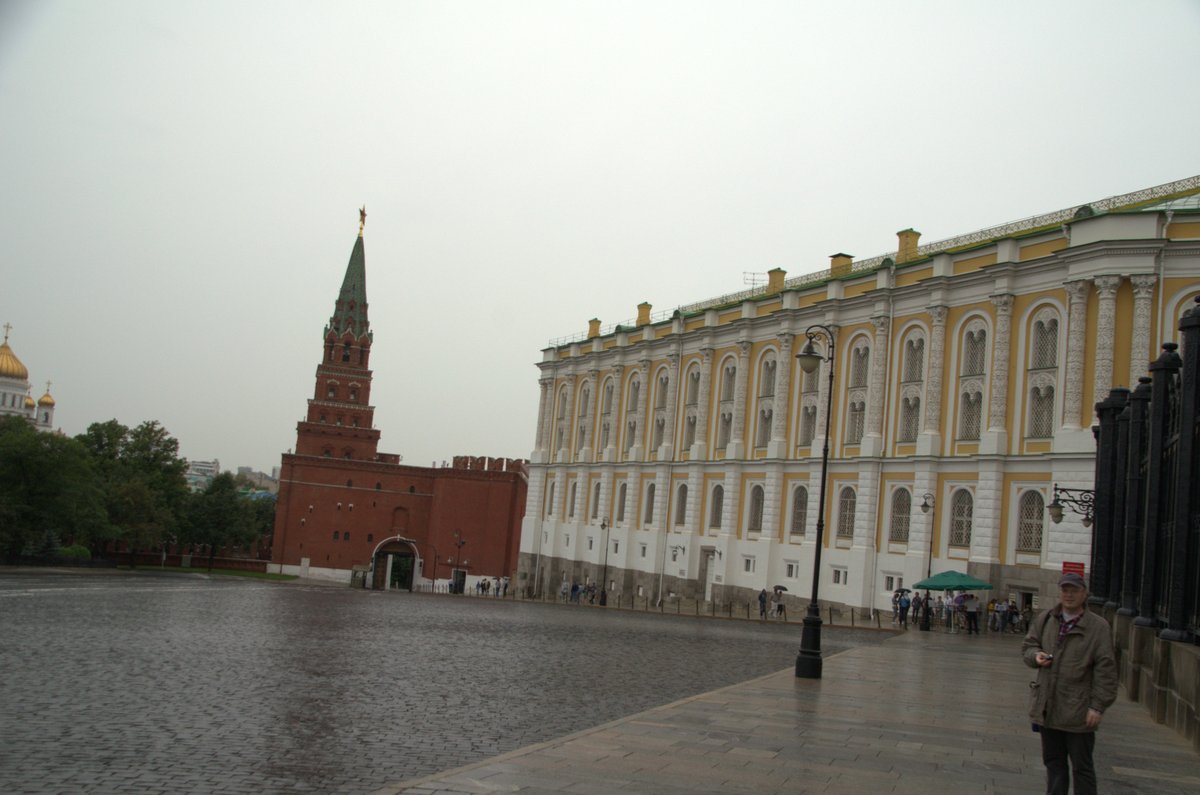
- Kremlin Armoury: A must-see museum housing Russian treasures.
- Cathedral of the Annunciation: One of the beautiful cathedrals within the Kremlin.
- Red Square: Just a short walk away, offering even more historical sites.
Accessibility
The Borovitskaya Tower has limited accessibility for visitors with mobility issues due to its historical structure and numerous steps. However, efforts are being made to improve access where possible.
FAQ
Q: What are the visiting hours for Borovitskaya Tower? A: The tower is open daily from 10:00 AM to 5:00 PM.
Q: How much do tickets cost? A: Ticket prices vary depending on the type of tour and areas visited. It's best to check online or at the Kremlin ticket office for current prices.
Q: Is photography allowed inside the tower? A: Yes, photography is allowed, but the use of tripods is restricted.
Listen to the full story in the app
The whole Borovitskaya Tower,
told well.
Audio guides for 1,100+ cities across 96 countries. History, stories, and local insight — offline ready.
Verified, and shown.
Researched and written by the Audiala editorial team from historical records, architectural archives, and local expertise.
Borovitskaya Tower
List of Moscow Kremlin towers
Borovitskaya Tower
Borovitskaya Tower
Researched from Wikidata, Wikipedia & official sources · fact-checked · How we make our guides →