Plan and listen to Bolshoy Moskvoretsky Bridge with Audiala.
Audio guide in your pocket, itinerary in your browser. Built for the way you actually visit.
Introduction
The Bolshoy Moskvoretsky Bridge (Большой Москворецкий мост) is an architectural marvel and a significant historical monument in Moscow, Russia. Spanning the Moskva River, this iconic bridge connects Red Square and the Kremlin with the Zamoskvorechye district. Its construction, which began in the 1930s as part of an ambitious urban development plan under Joseph Stalin, was overseen by prominent Soviet engineer V. P. Konstantinov and architect A. V. Shchusev. The bridge is not only a vital transportation link but also a symbol of Moscow’s rich cultural and historical tapestry, having witnessed numerous key events over the decades (BBC News). Visitors to the Bolshoy Moskvoretsky Bridge can expect to be captivated by its monumental granite cladding, neoclassical decorative elements, and stunning views of the Kremlin and St. Basil’s Cathedral. This guide provides a comprehensive overview of the bridge's history, architectural features, cultural significance, and practical information for tourists planning their visit.

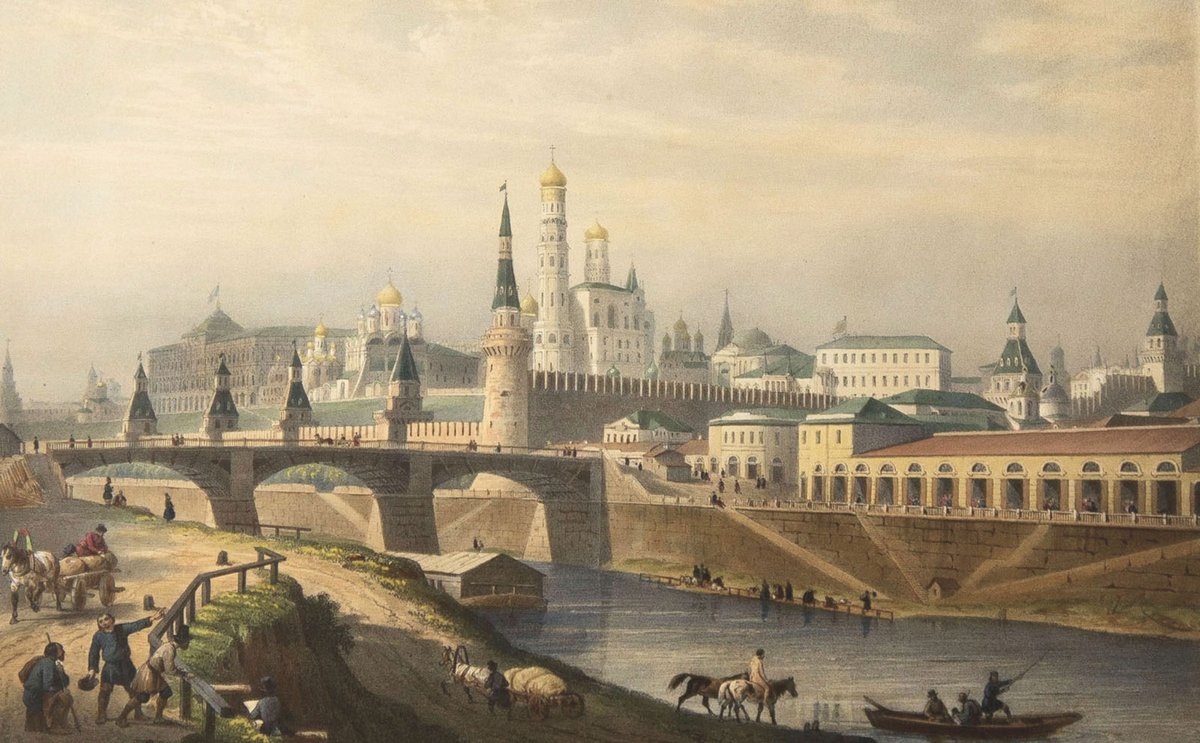
History
Early Conception and Construction
The Bolshoy Moskvoretsky Bridge is a significant architectural and historical landmark in Moscow, Russia. Spanning the Moskva River, it connects Red Square and the Kremlin with the Zamoskvorechye district. Its construction was part of a broader urban development plan initiated in the early 20th century to modernize Moscow's infrastructure.
Conceived in the 1930s during a period of extensive urban planning under Joseph Stalin, the bridge aimed to replace older wooden and stone bridges that could no longer support the increasing traffic demands of a rapidly growing city. The design and construction were overseen by the prominent Soviet engineer V. P. Konstantinov and architect A. V. Shchusev, tasked with creating a structure that was both functional and aesthetically pleasing.
Architectural Design and Features
The Bolshoy Moskvoretsky Bridge is a concrete arch bridge, a design chosen for its durability and ability to support heavy loads. The bridge measures approximately 554 meters in length and 40 meters in width, making it one of the largest bridges in Moscow at the time of its completion. The main span of the bridge is 92 meters, and it features a series of smaller arches that provide additional support and stability.
One of the most striking features of the bridge is its use of granite cladding, which gives it a monumental and enduring appearance. The granite was sourced from quarries in Karelia, a region known for its high-quality stone. The bridge's design also includes decorative elements such as balustrades and lampposts, crafted in a neoclassical style to complement the surrounding architecture of the Kremlin and Red Square.
Historical Significance
The Bolshoy Moskvoretsky Bridge holds significant historical importance due to its proximity to key landmarks and its role in various historical events. During World War II, the bridge was a critical transportation route for military and civilian traffic. It withstood several bombing raids and remained operational throughout the war, a testament to its robust construction.
In more recent history, the bridge has been the site of numerous political demonstrations and public gatherings. One of the most notable events occurred on February 27, 2015, when Russian opposition politician Boris Nemtsov was assassinated on the bridge. This tragic event brought international attention to the bridge and highlighted its role as a focal point for political activity in Moscow (BBC News).
Visitor Information
Visiting Hours and Tickets
The Bolshoy Moskvoretsky Bridge is accessible to visitors 24 hours a day, and there are no ticket fees for crossing the bridge. However, guided tours that include the bridge as part of a broader exploration of Moscow's historical sites may have associated costs. It's advisable to check with local tour operators for more details.
Travel Tips
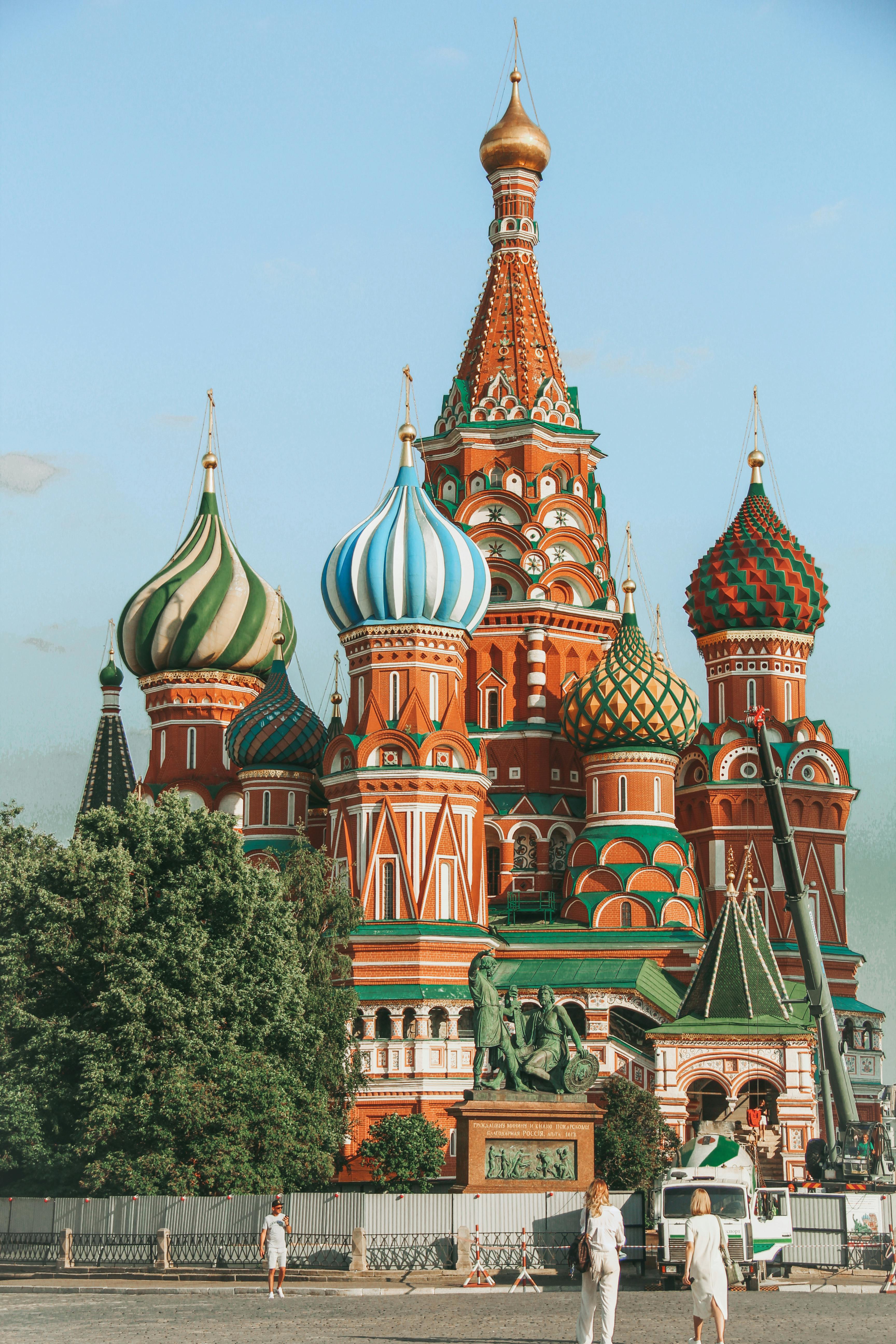
The best time to visit the Bolshoy Moskvoretsky Bridge is during the early morning or late evening when the traffic is lighter, and the views are particularly stunning. The bridge offers picturesque vistas of the Kremlin, St. Basil's Cathedral, and the Moskva River, making it a prime spot for photography.
Nearby Attractions
Nearby attractions include:
- The Kremlin - A historic fortified complex at the heart of Moscow.
- St. Basil's Cathedral - Renowned for its colorful, onion-shaped domes.
- Red Square - The most famous city square in Moscow.
Accessibility
The Bolshoy Moskvoretsky Bridge is accessible to pedestrians and vehicles, including those with disabilities. The pathways are wide and well-maintained, ensuring a safe crossing for all visitors.
Cultural Impact
The Bolshoy Moskvoretsky Bridge has also made its mark on Russian culture and literature. It has been featured in numerous works of art, literature, and film, often symbolizing the connection between Moscow's historical past and its modern present. The bridge's imposing presence and strategic location have made it a favorite subject for photographers and artists, who are drawn to its architectural beauty and historical resonance.
In literature, the bridge has been mentioned in various works that explore the social and political changes in Moscow over the decades. It serves as a metaphor for the city's resilience and ability to adapt to changing times. The bridge's role in significant historical events has also been the subject of documentaries and historical studies, further cementing its place in Russian cultural heritage.
Preservation Efforts
Given its historical and cultural significance, there have been ongoing efforts to preserve and protect the Bolshoy Moskvoretsky Bridge. These efforts are led by both government agencies and private organizations dedicated to the conservation of Moscow's architectural heritage. Preservation initiatives include regular maintenance, structural assessments, and public awareness campaigns to highlight the bridge's importance.
In recent years, there has been a growing interest in promoting the bridge as a cultural landmark and tourist destination. Guided tours and informational plaques have been introduced to educate visitors about the bridge's history and significance. These efforts aim to ensure that the Bolshoy Moskvoretsky Bridge remains a cherished part of Moscow's urban landscape for future generations.
FAQ
What are the visiting hours for Bolshoy Moskvoretsky Bridge?
- The bridge is accessible 24/7.
How much do tickets to Bolshoy Moskvoretsky Bridge cost?
- Access to the bridge is free.
Are guided tours available?
- Yes, guided tours are available.
Listen to the full story in the app
The whole Bolshoy Moskvoretsky Bridge,
told well.
Audio guides for 1,100+ cities across 96 countries. History, stories, and local insight — offline ready.
Verified, and shown.
Researched and written by the Audiala editorial team from historical records, architectural archives, and local expertise.
Basil's Cathedral official website, 2024, 'Visitor Information',
Researched from Wikidata, Wikipedia & official sources · fact-checked · How we make our guides →