Plan and listen to Ascension Convent with Audiala.
Audio guide in your pocket, itinerary in your browser. Built for the way you actually visit.
Introduction
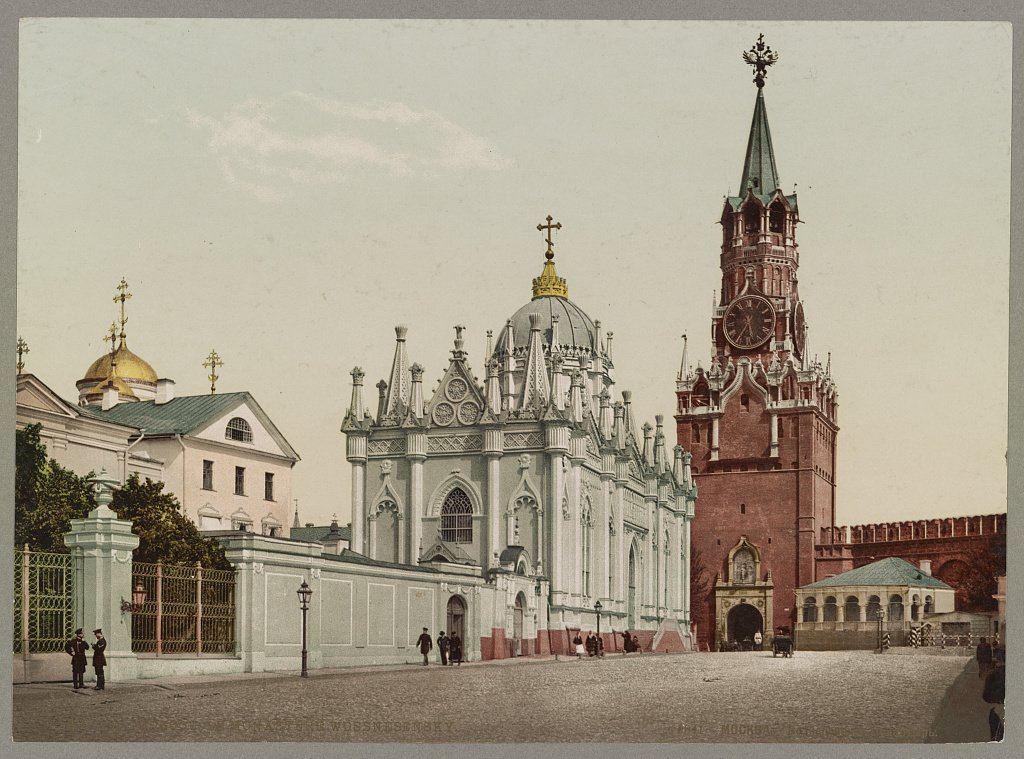
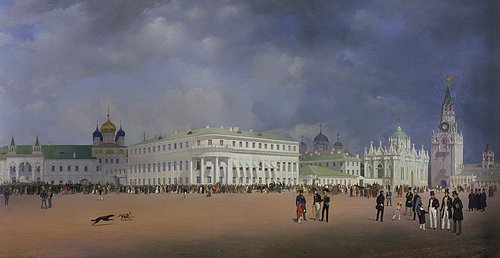
Located in the heart of the Moscow Kremlin, the Ascension Convent—also known as Voznesensky Monastery or Starodevichy Convent—represents a cornerstone of Russia’s royal, religious, and cultural heritage. Founded in 1389 by Grand Duchess Eudokia Dmitrievna to commemorate the Battle of Kulikovo, the convent served as a spiritual sanctuary for noblewomen and a dynastic burial site for grand princesses and tsarinas like Sophia Palaiologina and Anastasia Romanovna. Over time, the convent was shaped by both architectural evolution and the political tides of Moscow, with designs by renowned architects such as Aleviz Novy and Carlo Rossi.
Though the original convent was demolished in 1929 under Soviet rule, its legacy endures as part of the Kremlin Museums complex. Visitors today can explore its rich past through archaeological discoveries, preserved relics, and curated exhibitions. The convent’s site offers a unique perspective on the intricate relationship between church and state in medieval Russia, the spiritual devotion of royal women, and the artistry of Moscow’s religious architecture.
This comprehensive guide provides essential information on visiting the Ascension Convent site: hours, ticketing, accessibility, travel tips, and its ongoing historical significance. Whether you are a history enthusiast, cultural explorer, or pilgrim, this article equips you to fully appreciate one of Moscow’s most treasured sites (Kremlin Museums, OrthoChristian, Express to Russia).

Welcome to the Ascension Convent: Essential Visitor Guide
The Ascension Convent is a historic and spiritual landmark within the Moscow Kremlin. Dating to 1389, it offers visitors an unparalleled glimpse into Russia’s royal and religious legacy. This guide outlines everything you need to plan your visit—including hours, ticket information, accessibility, and travel tips—so you can make the most of your experience at this important site.
Founding and Early Development
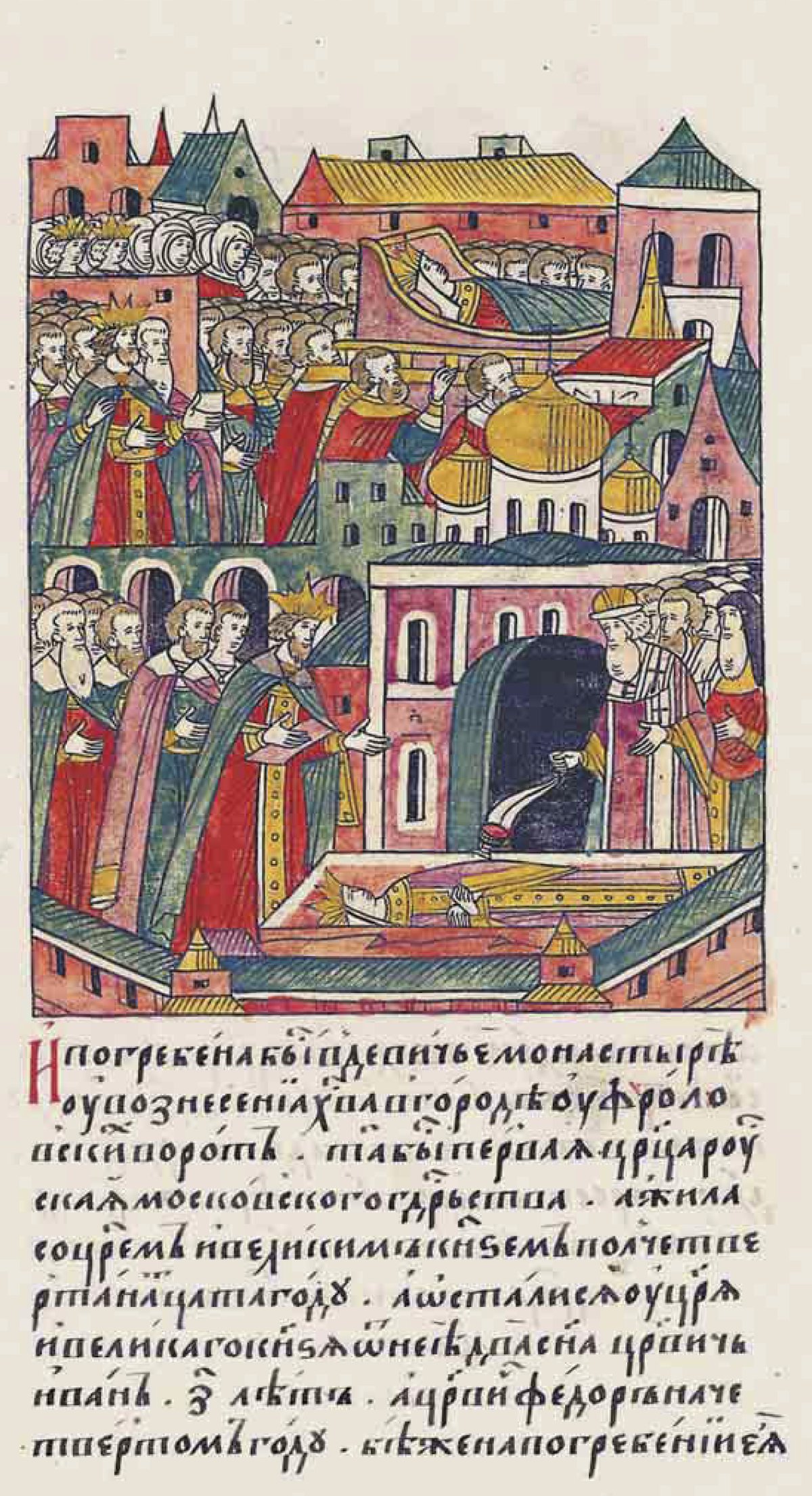
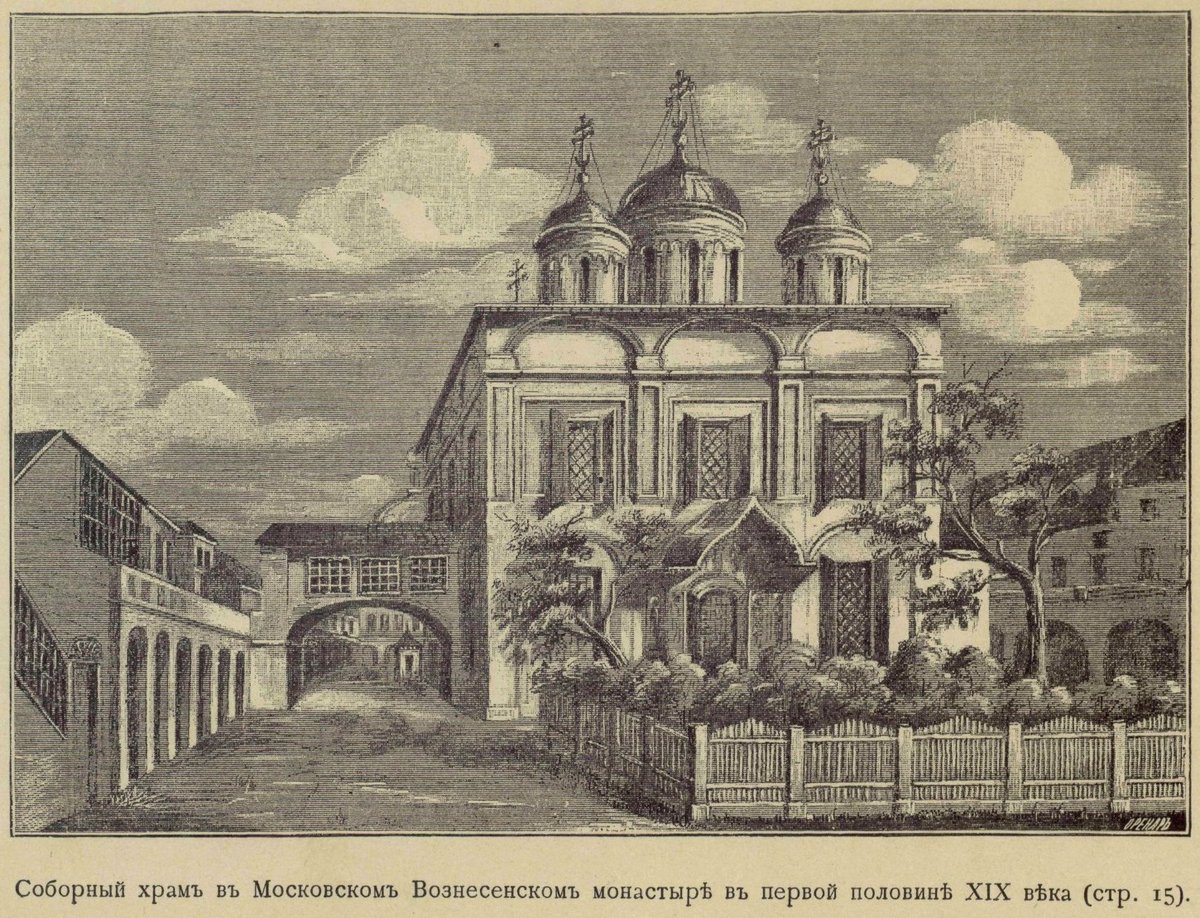
The convent was founded in 1389 by Grand Duchess Eudokia Dmitrievna, widow of Prince Dmitry Donskoy, as a memorial to the victory at the Battle of Kulikovo. The original wooden Cathedral of the Ascension of the Lord became both a spiritual retreat for noblewomen and a revered burial place—Eudokia herself took monastic vows here and was interred within its walls.
Architectural Evolution
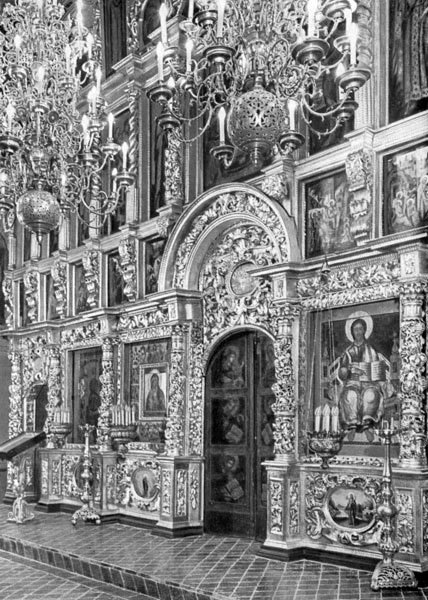
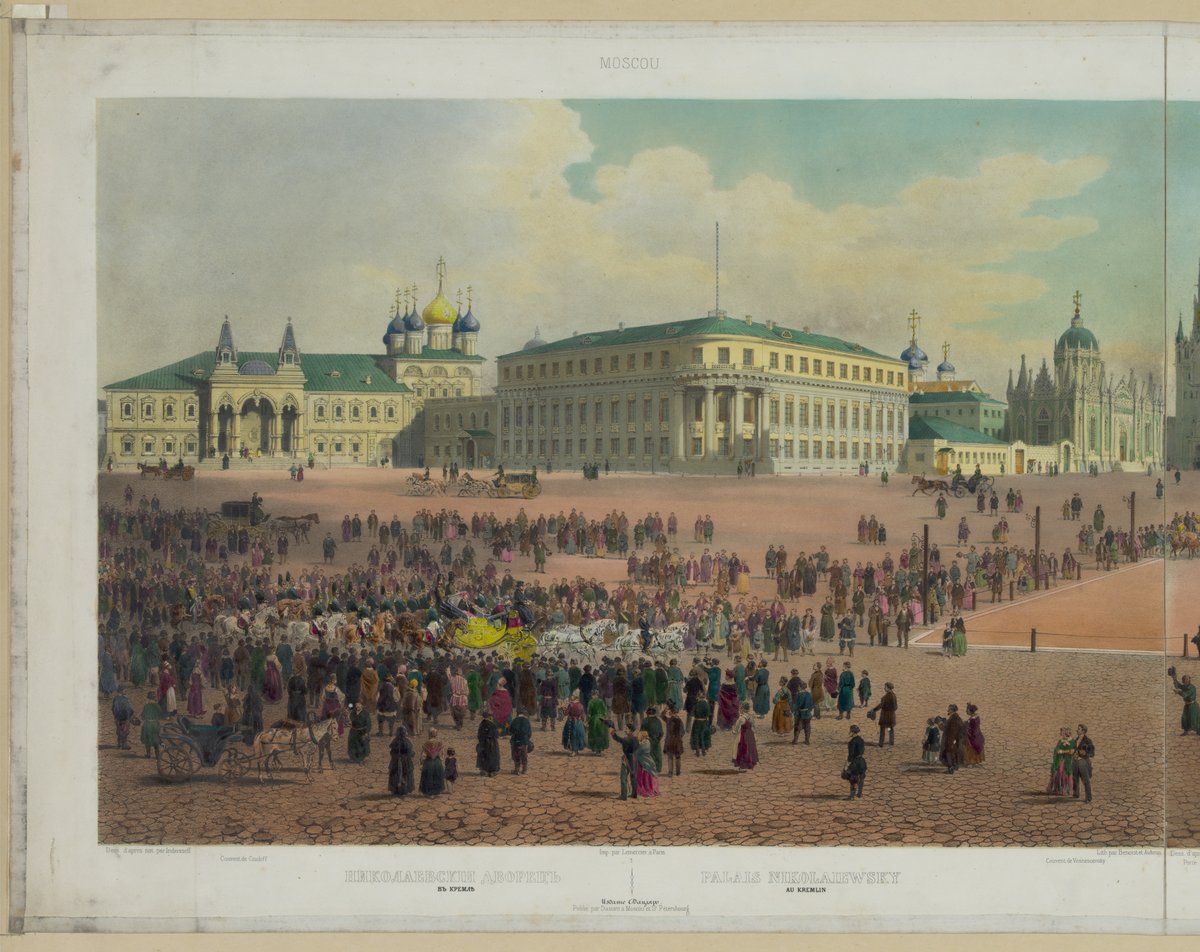
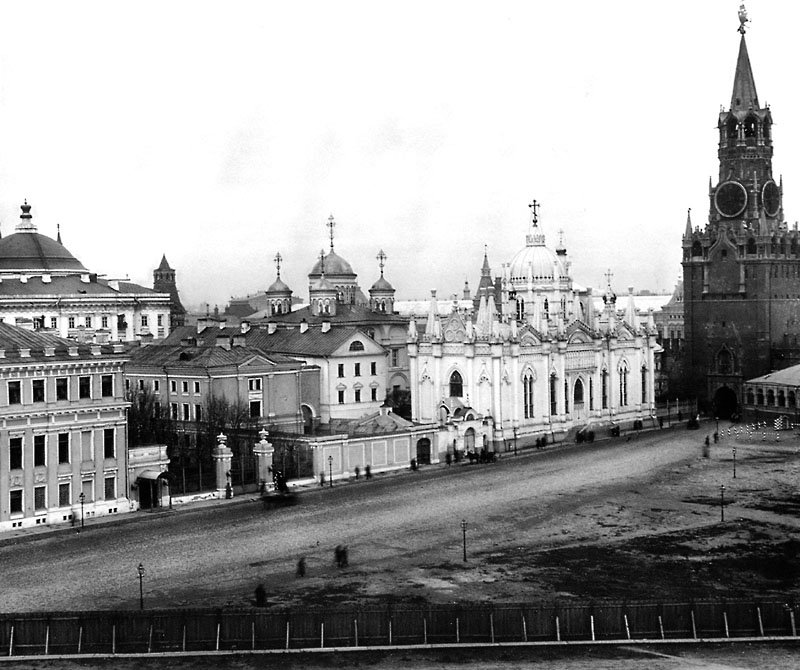
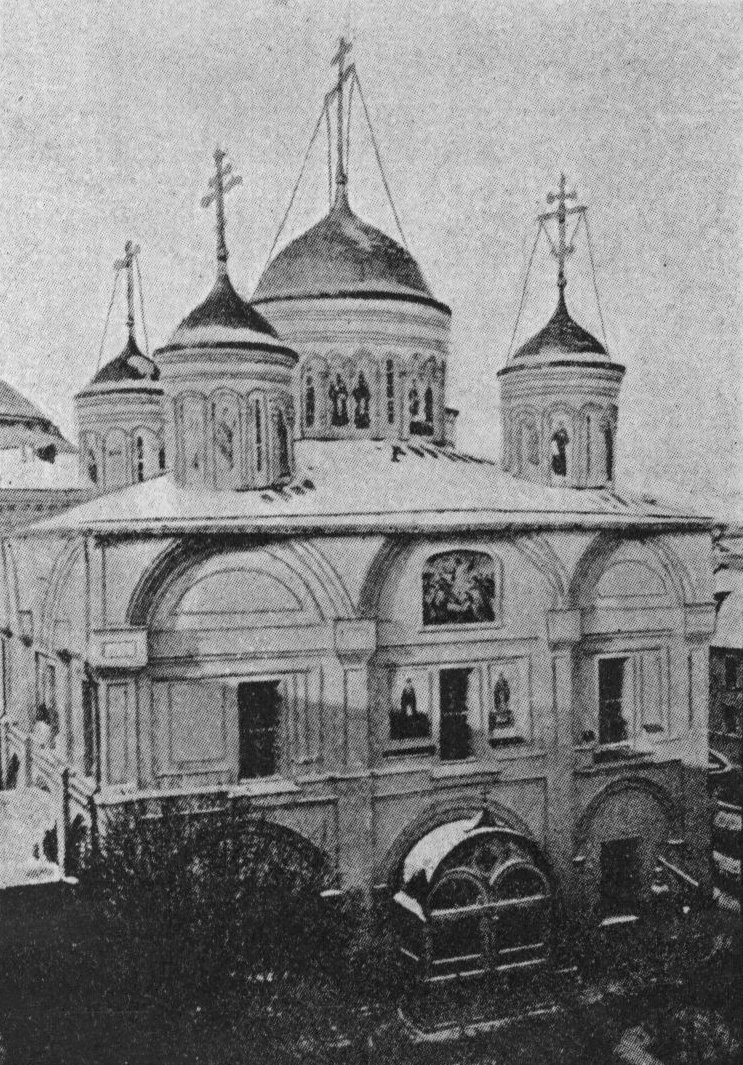
Through the centuries, the convent underwent significant architectural changes, often prompted by fires or expansion. In the early 16th century, Italian architect Aleviz Novy constructed a new five-domed cathedral, modeled after the nearby Archangel Cathedral. In the 19th century, Carlo Rossi contributed Neo-Gothic elements, most notably the Church of Saint Catherine, blending traditional Russian and European styles.
Royal Connections and Burial Site
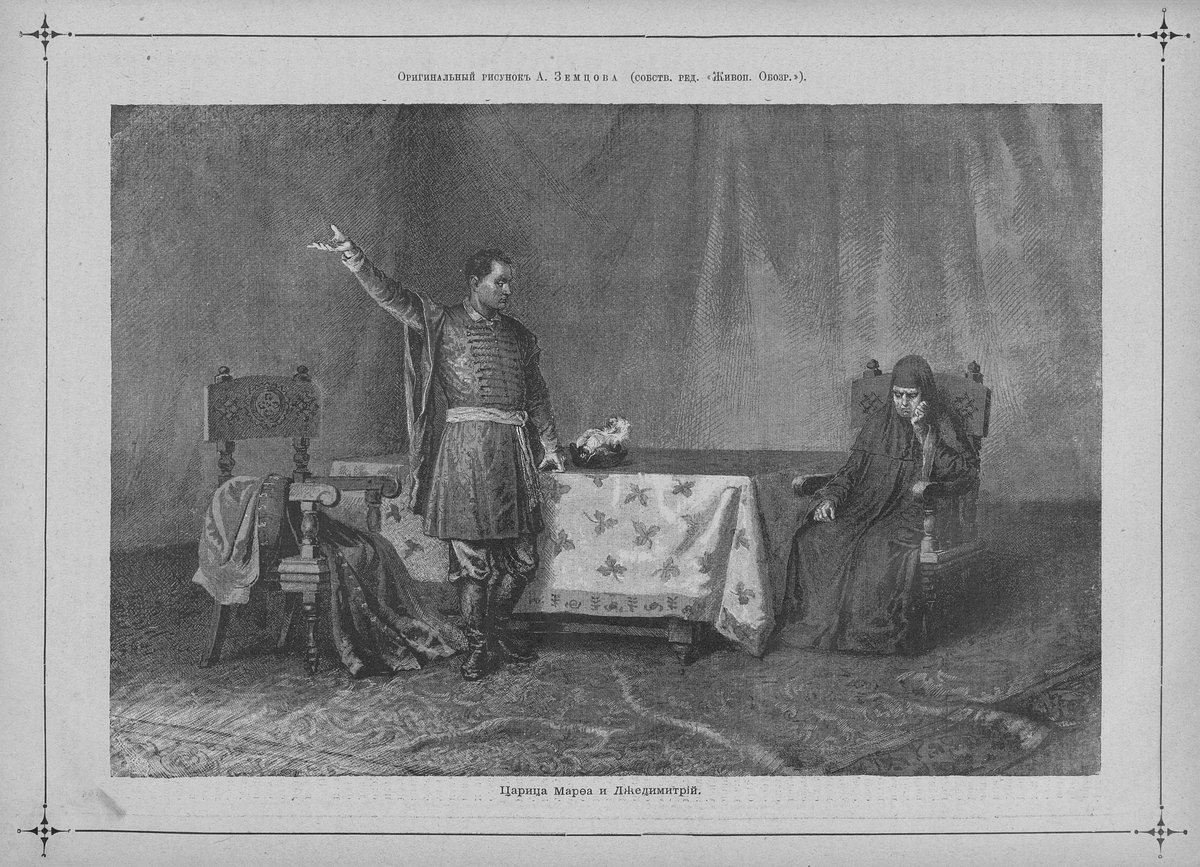
The convent’s close relationship with the Russian royal family cemented its importance. It served as the burial site for grand duchesses, tsarinas, and other noblewomen, including Sophia Palaiologina and Anastasia Romanovna. Royal widows often retired here, underlining the convent’s significance as both a spiritual and dynastic institution.
Fires, Renovations, and 19th-Century Changes
Repeated fires led to several reconstructions. The convent’s treasures, including icons and relics, were evacuated during the 1812 Patriotic War. By the early 20th century, the convent thrived as an active religious community.
Revolution, Soviet Era, and Destruction
The 1917 Revolution marked the beginning of the convent’s decline. Its treasures were confiscated, the nuns were forced to leave, and in 1929, the Soviet government demolished the site to make way for the Red Commanders School. This act erased a vital piece of Moscow’s architectural and spiritual landscape.
Preservation of Relics and Legacy
Despite the physical destruction, numerous icons and royal tombs were relocated to Kremlin museums and nearby cathedrals, notably the Archangel Cathedral. Ongoing archaeological research since the 1990s has revealed foundations and artifacts, keeping the convent’s memory alive.
Modern Archaeology and Restoration Proposals
Archaeological excavations since 2015, including neighboring Chudov Monastery, continue to reveal the convent’s layout and history. Proposals for reconstruction face challenges due to preservation concerns and UNESCO’s guidelines. Currently, the area serves as a tranquil park space within the Kremlin.
Planning Your Visit
Visiting Hours
The Ascension Convent site, as part of the Moscow Kremlin Museums, is typically open to visitors from 10:00 AM to 5:00 PM, Tuesday through Sunday. Hours may change due to state events or maintenance; always verify current times on the official Kremlin Museums website.
Tickets and Admission
Entry to the Kremlin grounds, including the convent site, requires a ticket. Ticket prices start around 1,000 rubles for adults, with discounts for students and children. Tickets can be purchased online or at the Kremlin ticket office—advance purchase is recommended, especially during peak seasons.
Guided Tours
Guided tours focusing on the Kremlin’s religious history often include details about the Ascension Convent. Audio guides and group tours are available in several languages, providing historical context and enriching your visit.
Accessibility
The Kremlin complex offers accessible routes for visitors with mobility needs, though some paths are cobblestoned or uneven. Contact the Kremlin Museums in advance for specific accessibility accommodations.
Nearby Attractions
Enhance your visit by exploring Kremlin highlights such as:
- Archangel Cathedral (royal tombs)
- Ivan the Great Bell Tower (panoramic views)
- Armoury Chamber Museum (treasures of the tsars)
- Red Square and Kremlin gardens
Travel Tips
- Arrive early to avoid crowds.
- Wear comfortable shoes for walking on historic grounds.
- Photography is allowed in most outdoor areas, but restricted inside certain museum interiors.
- Dress modestly when entering active religious buildings.
Cultural and Religious Significance
Spiritual Role in Russian Orthodoxy
The convent was a major center for Russian Orthodox spirituality, serving royal women and preserving monastic traditions (OrthoChristian). Its proximity to the Kremlin reinforced the connection between church and state.
Architectural and Artistic Heritage
The site featured a blend of Muscovite, Baroque, and Neo-Gothic styles. Though the original buildings are lost, archaeological remains and museum exhibits convey the convent’s unique artistic legacy (OrthoChristian).
Dynastic and Political Importance
As a burial ground for royal women and a sanctuary for widowed princesses, the convent symbolized dynastic stability and the unity of political and religious power in pre-modern Russia (Facts and Details).
Monastic Life and Cultural Memory
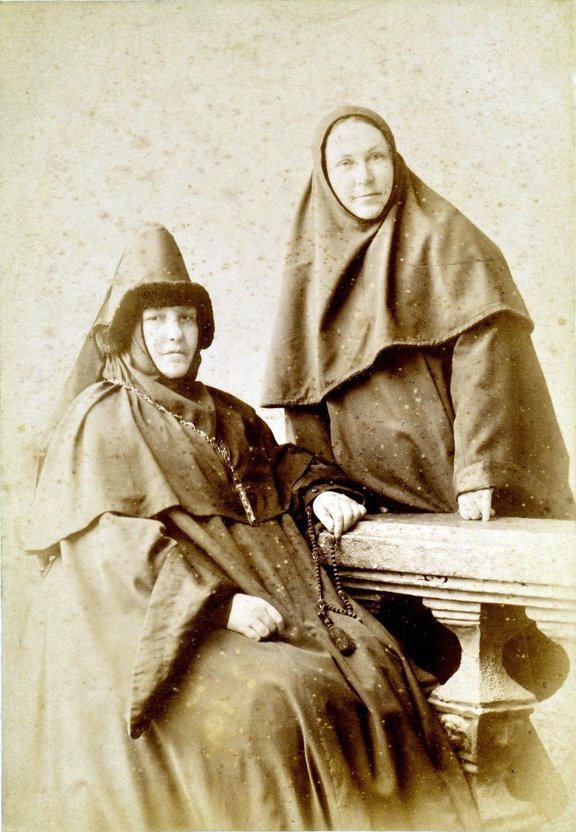
The nuns of the convent contributed to cultural life by copying manuscripts, painting icons, and producing liturgical textiles (Moscow.Info). Despite its destruction, the convent endures through art, literature, and ongoing research.
UNESCO Status and Heritage Preservation
The Kremlin complex, including the convent site, is a UNESCO World Heritage Site, highlighting the need for continual preservation and commemoration.
Exploring the Ascension Convent Site
Location and Accessibility
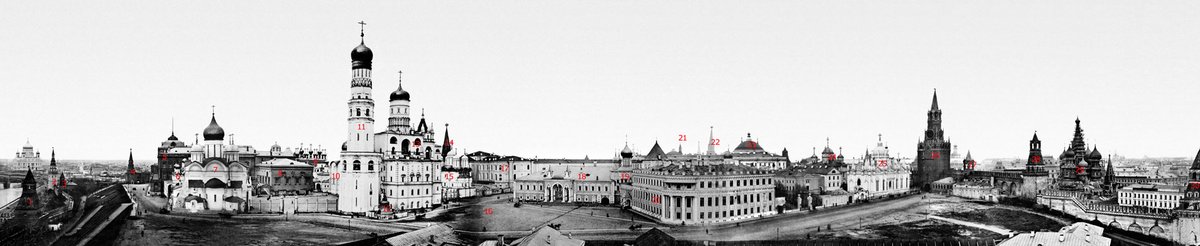
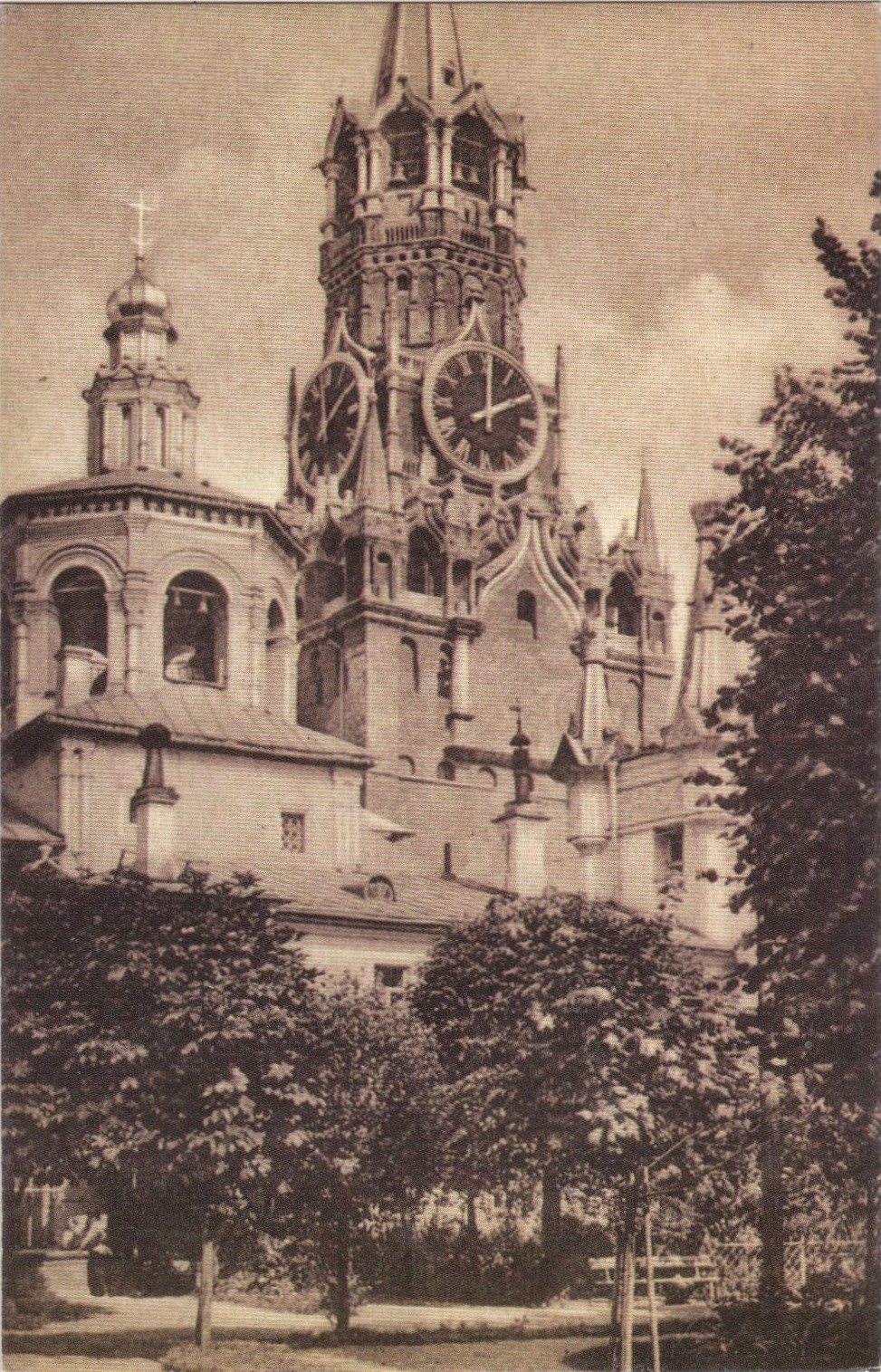
The convent’s site is adjacent to the Spasskaya (Saviour’s) Tower within the Kremlin. Visitors enter via the Kutafya Tower, with the nearest metro stations being Biblioteka Imeni Lenina, Borovitskaya, and Aleksandrovsky Sad (Express to Russia).
What Remains Today
No original structures survive, but the site is marked and interpreted through informational panels and guided tours. Royal tombs and relics are preserved in the Archangel Cathedral (Kremlin Architectural Ensemble).
Practical Visitor Information
- Security screening is required at the entrance.
- Large bags must be checked at the cloakroom.
- Restrooms, cafés, and souvenir shops are available on-site.
Special Events
The Kremlin hosts events such as Museum Night (May), Victory Day parades (May 9), and Easter festivals, which may affect access or provide additional programming (ETS Russia Travel).
Frequently Asked Questions (FAQs)
Q: What are the Ascension Convent visiting hours?
A: 10:00–17:00, Tuesday through Sunday; closed on Mondays or during special events.
Q: How can I purchase tickets?
A: Tickets are available online or at the Kremlin ticket office. Advance online purchase is recommended.
Q: Is the site wheelchair accessible?
A: Most main routes are accessible, though assistance may be needed on uneven surfaces.
Q: Are guided tours available in English?
A: Yes, English-language tours are available and highly recommended.
Q: Can I take photos?
A: Photography is allowed outdoors; indoor restrictions may apply.
Listen to the full story in the app
The whole Ascension Convent,
told well.
Audio guides for 1,100+ cities across 96 countries. History, stories, and local insight — offline ready.
Verified, and shown.
Researched and written by the Audiala editorial team from historical records, architectural archives, and local expertise.
Researched from Wikidata, Wikipedia & official sources · fact-checked · How we make our guides →