
Bucharest’s Historical Evolution
Early Origins and Medieval Foundations
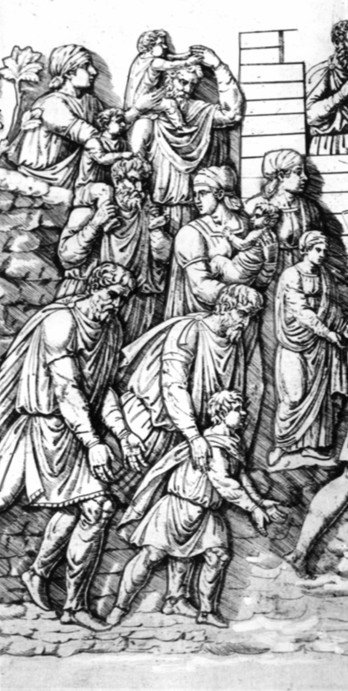
The area now known as Bucharest has been inhabited since the Paleolithic era, but the city's documented history begins in 1459, when Vlad III (Vlad the Impaler) established the Old Princely Court (Curtea Veche) as his seat. Located in what is now the Old Town, the ruins of Curtea Veche remain a significant historical attraction.
Visiting Curtea Veche:
- Open daily: 9:00 AM – 5:00 PM
- Admission: ~15 RON (~3 EUR), discounts for students/seniors
(Romania Experience, Uncover Romania)
Ottoman Influence and Urban Expansion
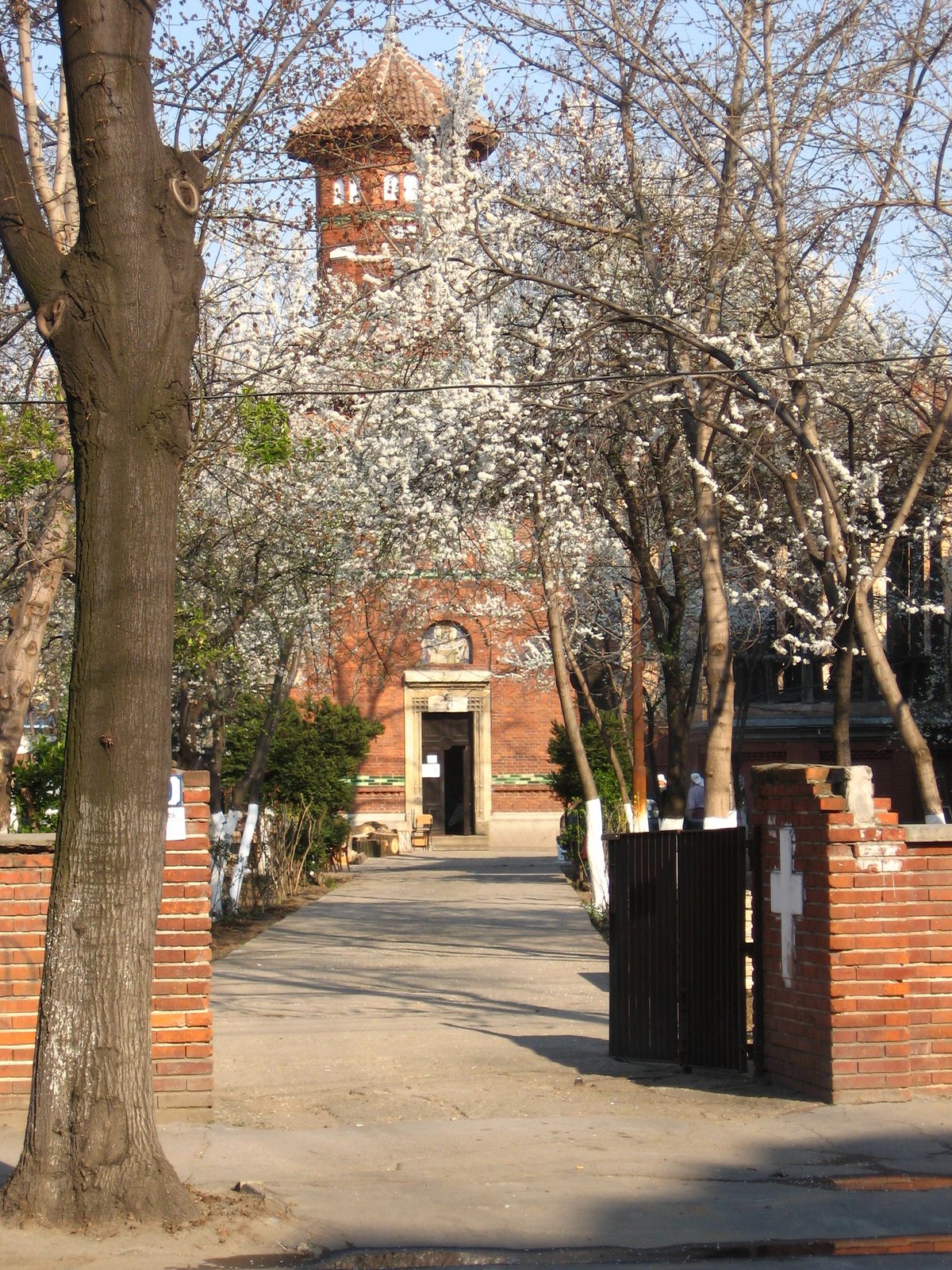
Between the 16th and 18th centuries, Bucharest’s position as a Wallachian capital under Ottoman suzerainty fostered a blend of Byzantine, Ottoman, and European influences. The city expanded, with distinctive churches, monasteries, and palaces. The Stavropoleos Church is a standout example of the Brâncovenesc architectural style.
Visiting Stavropoleos Church:
- Mon–Sat: 9:00 AM – 5:00 PM; Sun: 10:00 AM – 12:00 PM
- Entry: Free (donations welcome)
19th Century: “Little Paris”
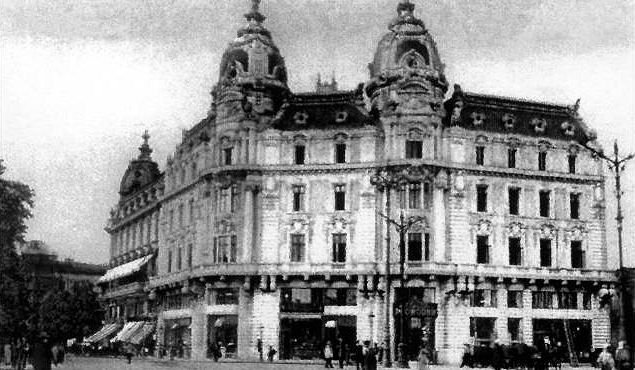
Bucharest became the capital of the United Principalities in 1862 and rapidly adopted French architectural and cultural styles, earning its nickname “Little Paris.” Grand boulevards and landmarks like the Romanian Athenaeum and CEC Palace were constructed.
Romanian Athenaeum:
- Tours: Mon–Fri 10:00 AM – 4:00 PM
- Tour tickets: 20 RON (~4 EUR)
- Concert tickets vary by event
CEC Palace:
- Admire exterior daily; interior visits require special arrangement
20th Century: War, Communism, and Transformation
The interwar period saw Bucharest flourish, only to be dramatically altered by WWII and communist urban planning under Nicolae Ceaușescu. The Palace of the Parliament, built in the 1980s, became a symbol of this era, notable for its immense scale and controversial legacy.
Palace of the Parliament:
- Tours: Tue–Sun 10:00 AM – 4:00 PM
- Tickets: ~60 RON (~12 EUR), book in advance
- Photo ID required
Architectural and Cultural Landmarks
Bucharest’s cityscape displays a striking mix of styles:
- Palace of the Parliament A must-see for its scale and significance (Visit Bucharest)
- Romanian Athenaeum Premier concert hall, symbol of national culture
- Stavropoleos Monastery Renowned for stonework and a tranquil courtyard
- CEC Palace Iconic building on Calea Victoriei
- Arch of Triumph Built post-WWI, symbolizing national unity
- Old Princely Court Medieval heart of the city
Essential Historical Sites and Museums
- National Museum of Romanian History Tue–Sun 10:00 AM – 6:00 PM; ~25 RON (~5 EUR)
- Village Museum Daily 9:00 AM – 5:00 PM; ~15 RON (~3 EUR)
- Museum of the Romanian Peasant Tue–Sun 10:00 AM – 6:00 PM; ~15 RON
- Cotroceni Palace Guided tours on select days, advance booking required
- Choral Temple Open during services and select hours
Neighborhoods, Walking Routes, and Hidden Gems
- Lipscani (Old Town) Lively bars, restaurants, and restored buildings
- Calea Victoriei Grand avenue with museums and shops
- Cotroceni Leafy, elegant, and historically rich
Hidden Gems:
- Cărturești Carusel Bookstore 10:00 AM – 10:00 PM; stunning architecture
- Macca-Vilacrosse Passage Unique glass-roofed arcade
- Graffiti Walls Gallery Outdoor street art
- Pura Vida Sky Bar Rooftop views of Old Town
(Where Goes Rose, Full Suitcase)
Day Trips from Bucharest
- Bran Castle Daily 9:00 AM – 6:00 PM (summer), 9:00 AM – 4:00 PM (winter); tickets 8–12 EUR
- Peles Castle 9:00 AM – 5:00 PM (closed Mondays); tickets ~10 EUR
- Brasov Medieval old town, Black Church open 9:00 AM – 5:00 PM; tickets ~5 EUR
- Transfagarasan Highway Open June–September; car rental recommended
- Dealu Mare Wine Region Book tours year-round
- Slanic Prahova Salt Mines 9:00 AM – 6:00 PM; therapeutic air
- Constanta & Black Sea Archaeology Museum open 9:00 AM – 7:00 PM
- Danube Delta Boat tours mainly spring/summer
- Ruse, Bulgaria Cross-border day trip (check visa requirements)
(Romanian Friend, The Crazy Tourist, Trip101)
Practical Visitor Information
Getting Around
- Metro 2 EUR (2 rides), 8 EUR (10 rides); 5 AM – midnight
- Taxis ~0.5 EUR/km; use Uber or Bolt for transparency
- Buses/Trams Cover large areas but can be slow in traffic
Accommodation
Stay central for convenience:
- Old Town, University Square, near metro stations
- Recommended: Hilton Garden Inn, Mansion Boutique, Epoque Hotel, Cismigiu Hotel
- Airbnb options widely available
Costs
- Meals: 6–15 EUR
- Coffee: 2–3 EUR
- Museum tickets: 3–5 EUR
- Budget travelers: ~30 EUR/day is feasible
Safety and Health
- Generally safe; watch for pickpockets in crowded areas
- Use official taxis or ride-hailing apps at night
- Travel insurance is recommended
Best Visiting Seasons
- Spring (April–June) and Autumn (September–October): Mild weather, fewer crowds
- Summer Hot, lively, busier
- Winter Cold, festive
Food & Dining
- Traditional Romanian and international cuisine
- Vegetarian/vegan-friendly due to religious fasting traditions
Cultural Etiquette
- Dress modestly in churches
- Tipping: 5–10%
- English widely spoken in tourist areas
Frequently Asked Questions (FAQ)
Q: What are the visiting hours for major historical sites?
A: Most are open 9:00/10:00 AM – 5:00/6:00 PM, often closed Mondays. Check official sites for specifics.
Q: Are tickets required?
A: Yes, for most museums and major sites. Buy online or at entrance; advance booking suggested for popular spots.
Q: Is Bucharest accessible for those with mobility issues?
A: Most major sites have accessibility features; some older sites may be limited—check ahead.
Q: What’s the best way to travel for day trips?
A: Car rental or guided tours offer flexibility; public transport possible but less convenient for some destinations.
Internal Links
- Top Bucharest Attractions
- Traditional Romanian Festivals
- Romanian Cuisine and Dining Experiences
- Cultural Events and Festivals in Bucharest
- Top Castles to Visit Near Bucharest