
Piața Romană, Bucharest
What Piața Romană Is
Piața Romană is a central Bucharest square and a major intersection at Bulevardul Magheru and Bulevardul Lascăr Catargiu. One of the city’s most emblematic and historically layered public spaces, it brings together architectural styles, transport links, educational institutions, and busy urban life. Bucharest’s blend of architectural influences has earned it the nickname “Little Paris” (Visiting Piața Romană, Bucharest: History, Attractions, and Travel Tips).
The square is a transport hub served by the M2 metro line, buses, and trams. Its proximity to the Academy of Economic Studies (ASE) and the University of Bucharest contributes to its youthful, intellectual atmosphere. Broad sidewalks and pedestrian crossings make it a useful starting point for exploring Bucharest (Exploring Piața Romană: Visiting Hours, Tickets, and Architectural Significance).
History and Urban Development
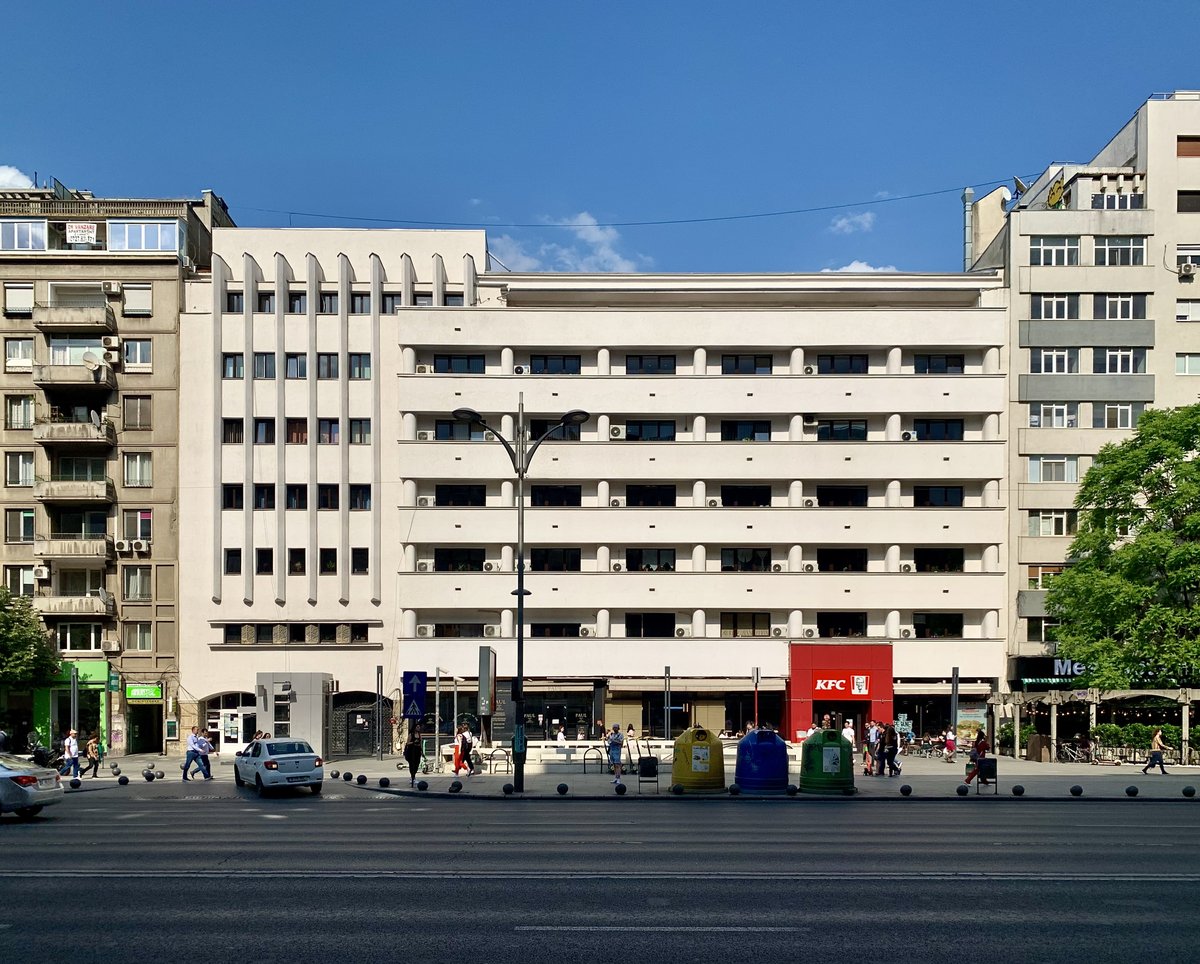
Piața Romană developed as an important urban node during Bucharest’s modernization in the late 19th and early 20th centuries. Its varied architecture reflects the city’s ambition to emulate Paris, particularly during the interwar period. Buildings from the late 19th century onward—including those from the communist era and the present day—show how the area has changed over time.
The communist period brought further changes, including the Piața Romană metro station, which opened in 1988. Today, the square combines educational, commercial, and cultural spaces, as well as serving as a major transport and social hub (Piața Romană Visiting Hours, Tickets, and Guide to Bucharest's Historic Square).
What to See and Do
Architecture and landmarks
Piața Romană’s architectural landscape includes French Renaissance, neoclassical, Art Nouveau, Art Deco, Neo-Romanian, and modernist buildings (Travel Romania).
- Academy of Economic Studies (ASE) A grand neoclassical building that helps shape the square’s intellectual identity.
- Historic villas and palaces Some now house embassies, hotels, or cultural institutions; many retain ornate façades and gardens.
- Modernist buildings High-rise offices, including the Bucharest Tower Center, reflect ongoing urban renewal.
The area’s broad sidewalks, pedestrian crossings, and public transport connections link its buildings and streets. Conservation efforts include restoring historic façades and adapting older buildings for new uses. Former residences now include cafes, galleries, and co-working spaces, while retaining aspects of their historic character (Bucharest Architectural Landmarks).
Culture, dining, and nightlife
The neighborhood has cafes, bistros, restaurants, boutique shops, and bars frequented by students, professionals, and travelers. The presence of embassies and international businesses adds to its cosmopolitan character (Expat Arrivals). Cărturești Verona is a cultural hub for literary events, exhibitions, and community gatherings (Interesting Times).
Dining options range from traditional Romanian food to international cuisine (Travel Notes & Beyond). In the evening, terrace bars, pubs, and clubs become active, especially along Calea Victoriei (ThingstodoinBucharest).
Events and urban culture
The area’s cultural calendar includes concerts at the Romanian Athenaeum, art exhibitions, book fairs, and pop-up markets (Romania Insider). Piața Romană is also a starting point for street art tours. Seasonal activities include outdoor terraces in summer and festive markets in winter.
Practical Visiting Information
Hours, tickets, and accessibility
- Square Piața Romană is an open public space accessible 24/7, with no entry fee.
- Metro The station generally operates from 5:00 AM to midnight.
- Metro tickets Available at stations; options include single rides, day passes, and tourist cards. Fares start at 5 RON (Rome2Rio).
- Accessibility Wide sidewalks, ramps, and elevators at the metro station support visitors with mobility needs. Most sidewalks and the station accommodate visitors with disabilities, though some older buildings and historic venues may have limitations.
Getting there and getting around
- Metro The M2 line connects the city center with northern districts. Trains run every 5–10 minutes.
- Bus, trolleybus, and tram Multiple lines stop at or near the square, including night routes for buses and trolleybuses. Tickets cost about 3 RON.
- Taxi and rideshare Use official taxis or apps such as Uber and Bolt (Travel Like a Boss).
- Walking and cycling The area has wide sidewalks and pedestrian crossings, and bike-sharing options are available (Visit Bucharest Today).
- From the airport Express buses and train/metro connections are available.
- On foot Piața Romană is easily reachable from University Square.
ATMs, pharmacies, convenience stores, and medical facilities are available nearby.
Tips for Visitors
- When to visit Spring and autumn bring mild weather and vibrant street life. Early mornings and late afternoons may have fewer crowds.
- What to bring A camera can be useful for the varied architecture and street scenes. Wear comfortable shoes for walking tours.
- Navigation Free maps, navigation apps, and bilingual signage can help with getting around.
- Tours and events Local operators offer architectural and street art walking tours that cover the stories behind buildings and other local highlights (Interesting Times; GPSmyCity). Check local calendars for festivals and special activities. The Audiala app and local guided tours are also options for exploring the area (Piața Romană Visiting Hours, Tickets, and Guide to Bucharest's Historic Square; Practical Information: Visiting Piața Romană - Safety, Accessibility, Transportation & Nearby Attractions).
- Safety The area is generally safe, well-lit, and patrolled, with a visible police presence. Take standard city precautions, especially against petty theft in crowded transport areas (Romanian Friend; TripJive).
- Etiquette and emergencies Locals are friendly, and English is widely spoken. Tipping about 10% is customary in restaurants and bars. Dial 112 for emergencies; clinics and pharmacies are accessible nearby (Travel Like a Boss).
Nearby Places
- University Square A nearby landmark from which Piața Romană is easily reached on foot.
- Academy of Economic Studies A prominent neoclassical building beside the square.
- Cărturești Verona A nearby bookstore and cultural venue hosting literary events, exhibitions, and community gatherings.
- Romanian Athenaeum A concert venue featured in the area’s cultural calendar.
- Bulevardul Magheru and Calea Victoriei Places for shopping, cafes, bars, pubs, and clubs.
Frequently Asked Questions (FAQ)
What are the Piața Romană visiting hours?
The public square is accessible 24/7 and has no entry fee.
Are tickets required to visit?
No ticket is needed for the square. Nearby attractions may require tickets.
How do I get there?
Take the M2 metro, a bus or tram, or a taxi, or walk from University Square.
Is it accessible for people with disabilities?
The area and metro station include accessible sidewalks, ramps, and elevators, though some historic venues may have limitations.
What are the best times to visit?
Spring and autumn offer mild weather; early mornings and late afternoons may have fewer crowds.
Is it safe at night?
The area is generally safe and well-lit, but standard city precautions apply.