Plan and listen to National Museum Of Romanian History with Audiala.
Audio guide in your pocket, itinerary in your browser. Built for the way you actually visit.
Introduction
The National Museum of Romanian History (Muzeul Național de Istorie a României, MNIR) is a premier cultural institution in Bucharest, Romania, inviting visitors to delve into the country’s rich and diverse past. Housed in the neoclassical former Palace of Post Offices on Calea Victoriei, the museum is both an architectural marvel and a repository of Romania’s most significant historical treasures. With collections spanning from prehistoric artifacts to the modern era, MNIR is essential for anyone seeking to understand Romanian heritage and its role in European history. This guide provides everything you need to plan your visit, including up-to-date visiting hours, ticketing details, accessibility information, must-see exhibits, and tips for exploring Bucharest’s vibrant historical core (Romania Insider, mnir.ro, bucharest.net).

Historical Background and Architectural Significance
Origins and Evolution
Built at the dawn of the 20th century, the Palace of Post Offices was inaugurated in 1903 and served as the headquarters of Romania’s postal system until the early 1970s. Designed by Alexandru Săvulescu, the building reflects grand neoclassical influences, with a stately façade, Doric columns, and a central dome. In 1972, the building was repurposed as the National Museum of Romanian History, becoming the country’s most important historical museum and one of the largest in Southeast Europe (Romania Insider).
Architectural Features
- Grand Portico and Columns: The entrance is marked by ten imposing Doric columns.
- Central Dome: A striking dome crowns the main hall.
- Expansive Interiors: The marble staircases and high-ceilinged halls provide an elegant backdrop to the museum’s exhibitions.
- Preserved Elements: The adaptive reuse of the building preserved its original neoclassical details, blending history and modern museum design.
Recent Restoration and Modernization
As of 2024–2025, MNIR is undergoing a major restoration and modernization project valued at over EUR 100 million. This initiative aims to:
- Reinforce structural integrity
- Expand exhibition spaces
- Install advanced conservation labs
- Enhance visitor amenities and accessibility
- Digitize collections and offer interactive exhibits
During restoration, some galleries may be temporarily closed. Always check the official museum website for the latest updates (Romania Insider).
Visitor Information
Location and Getting There
- Address: Calea Victoriei 12, Sector 3, Bucharest
- Metro: Universitate or Piața Unirii stations (5–10 min walk)
- Bus/Tram: Several lines serve Calea Victoriei and the Old Town
- Parking: Limited nearby; public transport is recommended
Visiting Hours
- Standard: Tuesday–Sunday, 10:00 AM–6:00 PM
- Closed: Mondays and major public holidays
- Note: Hours may vary during restoration or special events
Tickets and Pricing
- Adults: 20–25 RON (approx. €4–€5)
- Seniors: 10–11 RON (approx. €2–€2.20)
- Students: 5–5.50 RON (approx. €1–€1.10)
- Children under 7: Free
- Discounts: For groups, seniors, students; free for students during certain holidays
- Purchase: On-site or online via the official website
Facilities and Accessibility
- Restrooms, cloakroom, and gift shop available
- Wheelchair access: Most areas accessible; contact in advance for specific needs
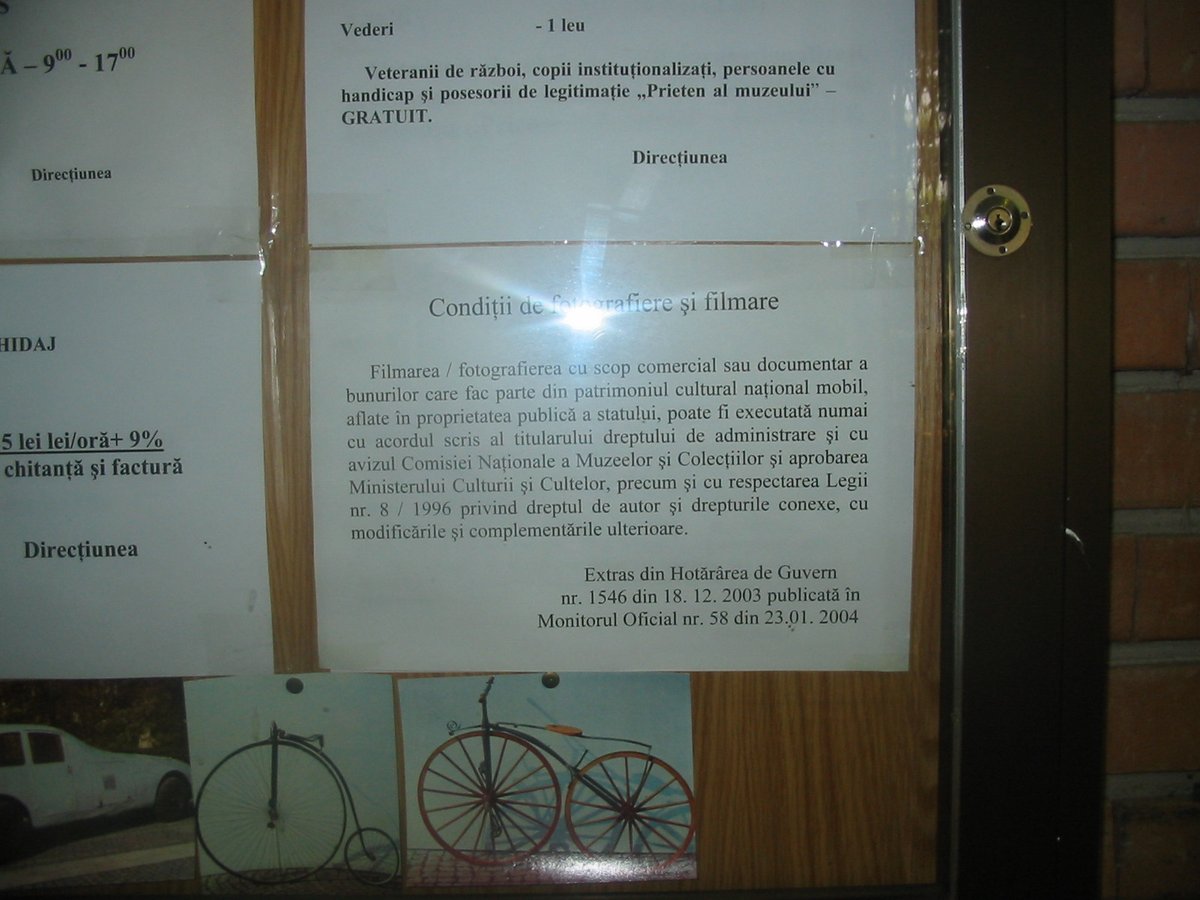
- Photography: Non-flash allowed in most exhibitions, with restrictions in select areas
- Guided Tours: Available in Romanian, English, and other languages by prior arrangement
Museum Collections and Must-See Exhibits
MNIR’s vast collections are displayed over 8,000 square meters and approximately 60 exhibition rooms, covering Romania’s journey from prehistory to the present.
Permanent Exhibitions
- The Romanian Treasury (Tezaurul Istoric):
- Pietroasele Treasure: 4th-century AD gold hoard with legendary pieces like the “Hen with Golden Chicks”
- Royal Regalia: Including the Steel Crown of King Carol I and other royal insignia
- Replica of Trajan’s Column: A full-scale plaster cast of the Roman monument, with detailed reliefs narrating the Roman conquest of Dacia
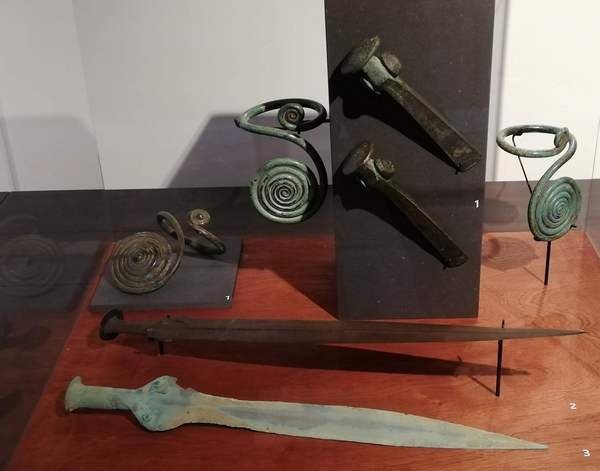
- Prehistoric and Ancient Artifacts: Tools, jewelry, and pottery spanning the Neolithic, Bronze Age, Geto-Dacian, Greek, and Roman periods
- Medieval and Modern Collections: Weapons, religious art, textiles, documents from the unification and World Wars
- Lapidarium: Stone inscriptions, sarcophagi, and architectural fragments from antiquity and medieval Romania
- Philatelic Museum: Rare stamps and postal history artifacts
Highlights
- Pietroasele Treasure
- Crown Jewels of Romania
- Trajan’s Column Replica
- Dacian Gold Bracelets
- Helmet of Coțofenești (note: currently missing as of 2025)
Visitor Tips and Accessibility
- Best Times to Visit: Weekday mornings or late afternoons for fewer crowds
- Visit Duration: 1.5–3 hours recommended
- Language: Most labels are in Romanian and English; guided tours offer deeper insight
- Accessibility: Contact ahead for special requirements; most galleries are accessible, though some areas in the historic building may have limitations
- Nearby Cafés: No café on-site, but many options are available in the adjacent Old Town
Nearby Attractions
- Romanian Athenaeum: Iconic concert hall and architectural gem
- University Square: Cultural and historical hub
- Old Town (Lipscani District): Vibrant pedestrian area with historic churches, shops, and restaurants
- National Museum of Art of Romania: Houses extensive European and Romanian collections
Frequently Asked Questions (FAQ)
Q: What are the National Museum of Romanian History’s visiting hours?
A: Tuesday to Sunday, 10:00 AM–6:00 PM; closed Mondays and public holidays.
Q: How much do tickets cost?
A: Adult tickets are 20–25 RON; discounts for students, seniors, and children. Children under 7 enter free.
Q: Is the museum accessible for visitors with disabilities?
A: Most areas are accessible; contact the museum in advance for details.
Q: Are guided tours available?
A: Yes, in several languages; booking ahead is recommended.
Q: Can I take photos?
A: Non-flash photography is allowed in most areas. Some restrictions apply to temporary exhibitions.
Q: Is the Helmet of Coțofenești on display?
A: As of 2025, it is missing due to theft while on loan abroad.
Visuals and Virtual Experiences
MNIR offers virtual tours, high-resolution images, and interactive maps on its official website, allowing visitors to preview key exhibits and explore the museum remotely.
Upcoming Events and Future Plans
- European Night of Museums (May 2025): Free late-night entry and special programming
- Major upcoming exhibition: Commemorating the 35th anniversary of the 1989 Revolution, focusing on the history of Romanian democracy
For the latest events, visit the official museum website.
Listen to the full story in the app
The whole National Museum Of Romanian History,
told well.
Audio guides for 1,100+ cities across 96 countries. History, stories, and local insight — offline ready.
Verified, and shown.
Researched and written by the Audiala editorial team from historical records, architectural archives, and local expertise.
Researched from Wikidata, Wikipedia & official sources · fact-checked · How we make our guides →