Visiting the National Museum of Contemporary Art (MNAC)
Opening Hours and Admission
As of July 2025, MNAC operates on the following schedule:
- Opening Days Wednesday to Sunday
- Hours 11:00 AM – 7:00 PM
- Closed Mondays, Tuesdays, and certain public holidays
Always confirm current hours on the official MNAC website before your visit, as special events or public holidays may affect opening times.
Ticket Prices and Purchase Options
- Standard Adult ~32 RON (€6.50)
- Students and Seniors Discounted rates available
- Children under 12 Free admission
- Special Exhibitions May require separate tickets
Tickets can be purchased:
- Online via the official MNAC website
- At the museum entrance (both cash and card accepted)
Advance online purchase is recommended during busy periods or for special events.
Accessibility and Visitor Facilities
MNAC is committed to accessibility:
- Wheelchair Access Elevators, ramps, and accessible restrooms on all floors
- Information Panels Available in Romanian and English
- Assistance Staff trained to support visitors with special needs
Visitor Guidelines and Tips
- Best Times to Visit Weekday mornings or late afternoons are generally quieter
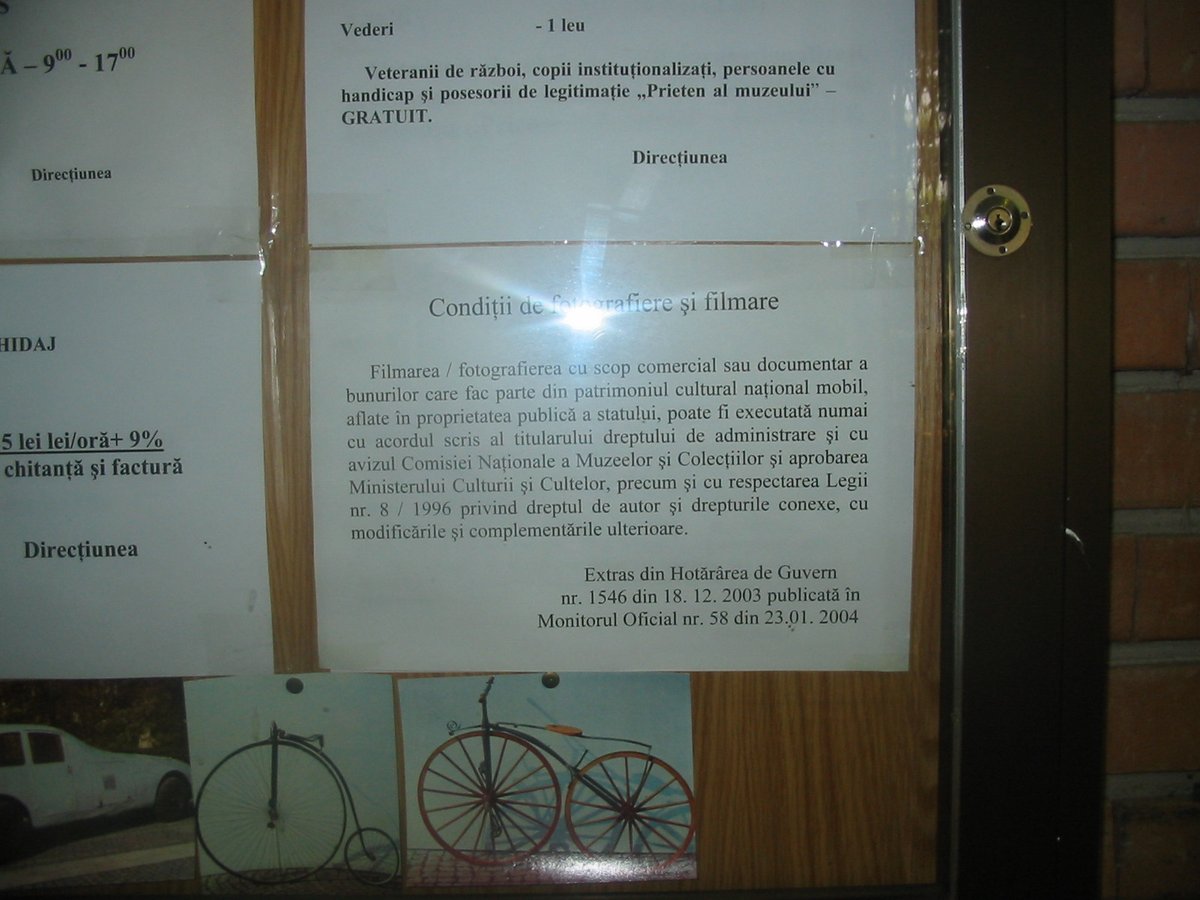
- Photography Personal, non-flash photography is permitted; some exhibitions may have restrictions
- Rooftop Terrace Offers panoramic city views—ideal for photography and relaxation
- Museum Shop & Café Unique souvenirs, books, and refreshments are available
Guided Tours and Special Events
- Tours Guided tours in Romanian and English are available by advance booking or subject to availability on-site
- Events Regularly hosts workshops, artist talks, performances, and temporary exhibitions
- Educational Programs Suitable for all ages, including school groups (MNAC Education)
Historical and Architectural Context
Origins and Evolution of MNAC
Founded in 2004, MNAC was established as a symbol of Romania’s cultural renaissance after the fall of communism. Its location within the Palace of the Parliament—a structure originally designed as a seat of power during Nicolae Ceaușescu’s regime—reflects a transformation from authoritarian symbolism to creative expression (My Art Guides).
Significance of the Palace of the Parliament
- Palace Facts The world’s second-largest administrative building, with 12 above-ground and 8 underground levels
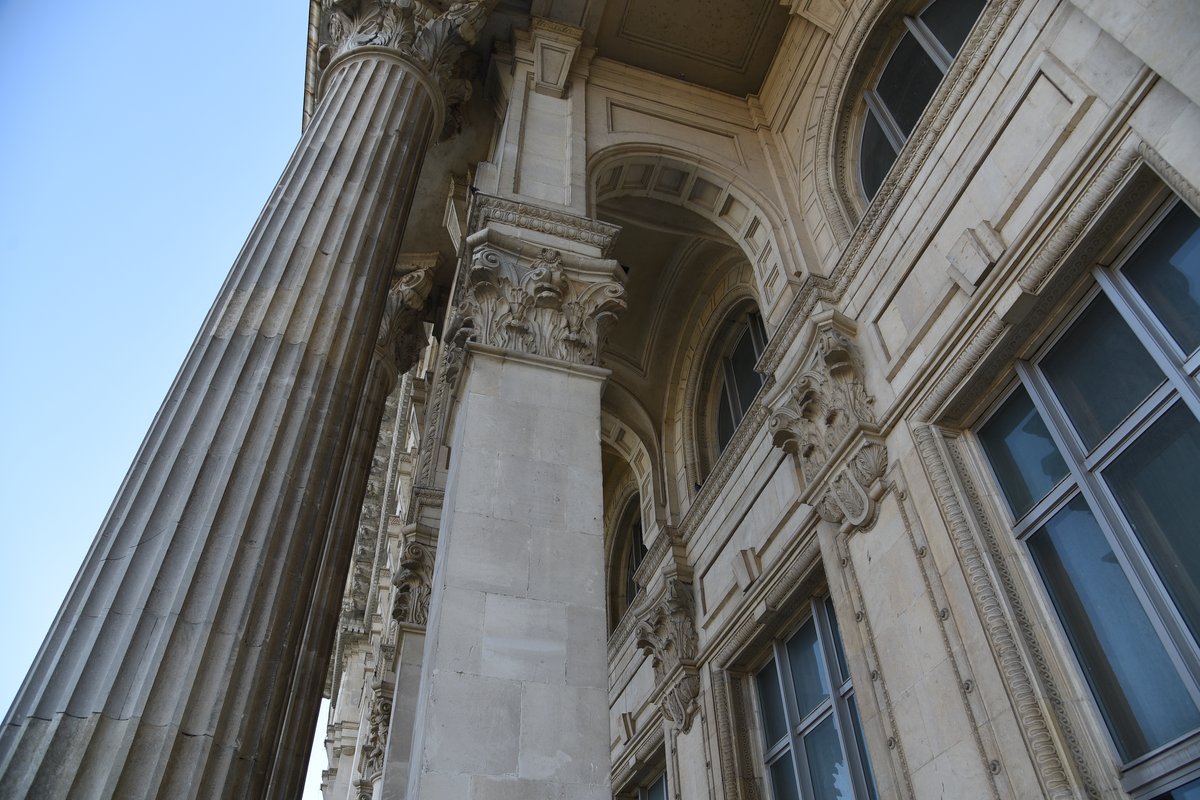
- Architectural Juxtaposition MNAC’s glass-and-steel wing, completed in 2004, stands in stark contrast to the Palace’s neoclassical mass. The transparent design embodies a new era of openness in Romanian society
- Context The museum’s placement within this iconic building underscores the nation’s ongoing dialogue with its past and commitment to modernization (Romanian Friend)
Architectural Features
- Light-Filled Galleries High ceilings and extensive glazing create a dynamic viewing space
- Rooftop Terrace Accessible by panoramic elevator, offering sweeping city views
- Materials Modern glass, steel, and concrete interiors contrast with the Palace's traditional stone
- Security Visitors pass through airport-style security due to the building’s governmental function
Collections and Exhibitions
Permanent Collection
MNAC’s permanent collection spotlights pivotal Romanian and international contemporary artists, with a focus on post-1945 developments:
- Ion Grigorescu Performance and conceptual art reflecting life under communism
- Geta Brătescu Groundbreaking collage, textile, and drawing
- Dan Perjovschi Satirical wall drawings engaging social commentary
- Ana Lupaș Textile and installation art centered on memory and tradition
Other featured artists include Horia Bernea, Paul Neagu, and Corneliu Baba, covering movements from neo-avant-garde to postmodernism (ArtNet: Romanian Contemporary Art).
Media Represented
- Painting, sculpture, photography, video, installation, performance, and digital art
Acquisition Policy
MNAC prioritizes works that represent pivotal moments in contemporary art, emphasizing underrepresented voices and experimental practices (MNAC Collection Policy).
Temporary Exhibitions
Rotating exhibitions highlight emerging trends and established voices:
- “The Afterlife of the Image” (2024) Examines visual culture in the digital age (MNAC Exhibitions)
- “Rewriting Histories” (2023) Artists reinterpret historical narratives
- Solo Shows Featuring Mircea Cantor, Alexandra Pirici, and others
International Collaborations
The museum partners with international institutions and participates in events like the Venice Biennale Romania.
Thematic Approaches
Exhibitions often address memory, identity, migration, and the communist legacy.
Special Projects and Site-Specific Installations
- Site-Specific Works Artists respond critically to the Palace’s architecture and history (Palace of the Parliament)
- Rooftop Art Large-scale sculptures and outdoor events set against Bucharest’s skyline
Visitor Information
Location and Getting There
- Address Palatul Parlamentului, Intrarea E1, Calea 13 Septembrie 1-3, București 050563, Romania
- Public Transport Nearest metro—Izvor (M1 line); multiple bus/tram routes available
- Parking Limited near the Palace; public transport is recommended (Bucharest Tickets)
Facilities and Amenities
- Restrooms Available on each floor
- Lockers Free for bags and coats
- Wi-Fi Complimentary throughout the museum
- Bookstore & Café On-site, with city views from the terrace
Nearby Attractions
- Palace of the Parliament Guided tours available
- Cathedral of National Salvation Major new religious landmark
- Old Town (Lipscani District) Historic core with nightlife and cafes
- Romanian Athenaeum & National Museum of Romanian History Within easy reach
Frequently Asked Questions (FAQ)
Q: What are MNAC’s visiting hours?
A: Wednesday to Sunday, 11:00 AM–7:00 PM. Closed Mondays, Tuesdays, and certain holidays.
Q: How much do tickets cost?
A: Standard adult tickets are ~32 RON (€6.50); discounts for students/seniors; children under 12 free.
Q: Is the museum accessible?
A: Yes, with elevators, ramps, and accessible restrooms.
Q: Are guided tours available?
A: Yes, in Romanian and English. Booking in advance is advised.
Q: Can I take photos?
A: Yes, for personal use except where otherwise indicated.
Q: How do I get there by public transport?
A: Use the Izvor metro (M1) or local buses/trams.
Cultural Insights
A visit to MNAC offers more than art appreciation; it is an immersion into Romania’s evolving identity. The museum’s programming reflects debates on national memory, democratization, and the role of art in society, often engaging with the Palace’s symbolic history. Collaborations with local artists and institutions ensure a vibrant, ever-changing cultural scene (Romanian Friend).
Tips for a Memorable Visit
- Allocate 2–3 hours To fully enjoy exhibitions, the rooftop terrace, and the café
- Combine with a Palace tour Book in advance for a complete experience
- Check the event calendar Participate in workshops, artist talks, or performances
- Visit the shop Unique art books and souvenirs available only at MNAC