Plan and listen to National Archives Of Romania with Audiala.
Audio guide in your pocket, itinerary in your browser. Built for the way you actually visit.
Introduction
The National Archives of Romania (Arhivele Naționale ale României), centrally located in Bucharest, stands as the guardian of the nation’s documentary heritage. Established in the early 19th century, the Archives chronicle Romania’s journey from the formation of its principalities, through the communist era, to its present-day status as a modern, accessible institution. The Archives are an essential destination for historians, genealogists, researchers, and visitors keen to explore Romania’s multifaceted past through original documents, photographs, and digitized resources.
This comprehensive guide details the National Archives’ history, visiting hours, ticketing policies, access procedures, collections, facilities, and nearby attractions, ensuring you have all the information needed for a fulfilling visit. For the most current details, always consult the official National Archives of Romania website (source, source).
Historical Development of the National Archives
Early Foundations and Pre-Communist Era
The roots of the National Archives trace back to the establishment of archival offices in Wallachia (1831) and Moldavia (1832). These institutions underscored the growing importance of recordkeeping as Romania moved toward modern statehood. With the union of the principalities in 1859, the archives were centralized, ultimately forming the basis of today’s institution. In the pre-communist era, access to archives was highly restricted; documents were safeguarded to protect state interests, with limited access for the public and scholars (source).
The Communist Period: Centralization and Secrecy
During the communist regime, the Archives were centralized following the Soviet model, prioritizing secrecy and state control. Access was limited mainly to party officials and state-approved historians, with archives functioning as tools for political surveillance and control. Legislation emphasized state security over public transparency, shaping decades of archival policy (source).
Post-1989 Transition: Democratization and Reform
The fall of the communist regime in 1989 marked a transformative period for the Archives. Legislative reforms in the 1990s and 2000s improved access, strengthened researcher rights, and modernized preservation standards. Significant digitization initiatives and online catalog development have expanded access for both domestic and international users, while ongoing efforts balance transparency with the protection of sensitive information (source).
Modernization and Public Engagement
In the 21st century, the National Archives of Romania has embraced modernization, offering digitized collections, thematic exhibitions, and educational programs. The institution actively participates in international collaborations, aligning with European archival standards and expanding its role as a resource for legal, academic, genealogical, and civic research (source).
Visiting Information
Location and Accessibility
- Address: Strada Știrbei Vodă 27-29, Bucharest 010102, Romania
- Alternate Historic Address: Bd. Regina Elisabeta nr. 49, Sector 5, 050013, Bucharest
- Nearby Metro Stations: Izvor, Universitate
- Public Transport: Several bus and tram lines serve the area
- Accessibility: The building includes ramps and elevators for visitors with mobility needs
Opening Hours and Admission
- General Opening: Monday to Friday, 9:00 AM – 3:00 PM (check official website for updates)
- Closed: Weekends and public holidays
- Admission: Entry is free for individual visitors and general exhibitions. Fees apply for certain special events, research permits, or guided tours.
Tickets, Registration, and Research Access
- Research Permits: Required for those wishing to access archival materials; valid for two years and non-transferable. Apply on-site with a valid ID and local address.
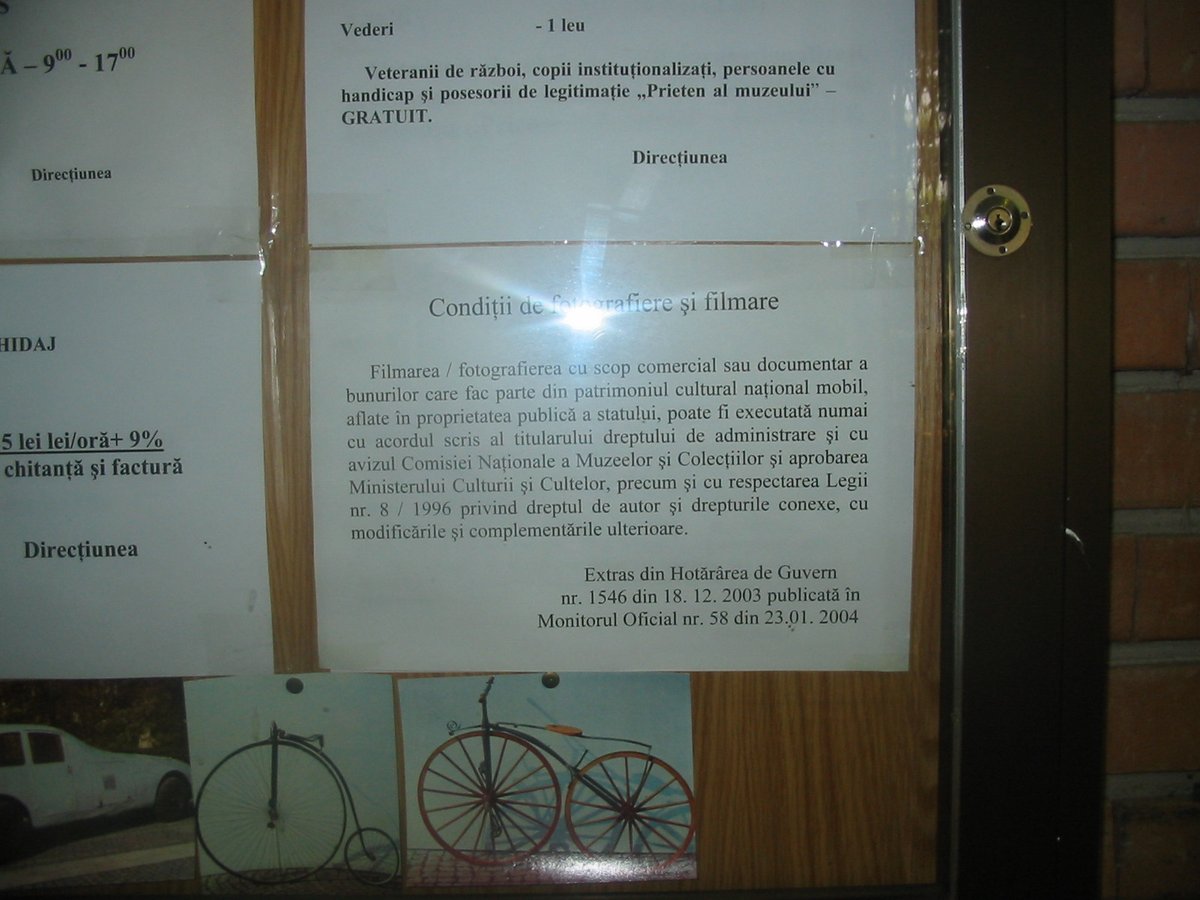
- Photography & Copying: Allowed for a daily fee; photocopying services are available for an additional charge. Payments are processed offsite.
- Visitor Registration: All visitors consulting archival documents must register at the entrance. Friendly staff assist with the process and provide necessary orientation.
Guided Tours and Educational Programs
- Guided Tours: Offered periodically and must be booked in advance. Tour content covers the history of the Archives, highlights of the collection, and behind-the-scenes insights.
- Educational Programs: The Archives organize workshops, lectures, and thematic exhibitions throughout the year. Details and booking information are available on the website.
Visitor Facilities and Accessibility
- Reading Rooms: Two main reading rooms and a microfilm room are available.
- Lockers: Provided for personal belongings.
- Wi-Fi: Limited access; bring offline research materials if needed.
- Café: Small café on-site; additional cafes are nearby.
- Restrooms: Available; carrying tissues is advisable.
- Accessibility: Wheelchair accessible; contact ahead for specific needs.
Highlights of the Collections
- Medieval Charters and Royal Decrees: Over 1,400 digitized documents, accessible via arhivamedievala.ro
- Church and Civil Registers: Invaluable for genealogical research
- Communist-Era Records: Political, legal, and security files from the 20th century
- Photographic and Audio-Visual Archives: Includes collections from 1921–1989, with thousands of images available online
- Maps, Manuscripts, and Diplomatic Records: Covering centuries of Romanian history
Nearby Attractions
Enhance your visit by exploring Bucharest’s other historical and cultural sites, including:
- Romanian Athenaeum: World-renowned concert hall
- National Museum of Romanian History: Comprehensive overview of Romania’s past
- Revolution Square: Key site in recent Romanian history
- Cismigiu Gardens: A tranquil urban park nearby
- University Square: Historical and architectural hub
Frequently Asked Questions (FAQs)
Q: What are the National Archives of Romania's visiting hours?
A: Monday to Friday, 9:00 AM – 3:00 PM; closed weekends and public holidays.
Q: Is there an admission fee?
A: Entry is free for general visits; fees apply for research permits, photocopying, and special events.
Q: How do I register to access archival materials?
A: Register in person at the entrance with a valid ID and local address. Research permits are issued on-site.
Q: Are guided tours available?
A: Yes, but they require advance booking. Check the official website for schedules.
Q: Can I take photographs inside?
A: Personal photography is allowed in designated areas for a daily fee. Always ask staff before photographing archival materials.
Q: Is the building wheelchair accessible?
A: Yes, with ramps and elevators. Contact in advance for specific accommodations.
Q: Are there digital resources available?
A: Yes, many collections are digitized and accessible via the official portals.
Q: Are there services for non-Romanian speakers?
A: Limited assistance is available in English or French. For complex research, consider hiring a local researcher.
Planning Your Visit: Practical Tips
- Carry a copy of your ID; keep originals secure.
- Prepare your research topics in advance using online finding aids.
- Respect reading room rules: silence, no food or drink, and proper handling of documents.
- For genealogy research, know the locality and approximate dates of your ancestors’ records.
- Contact the Archives in advance for large research projects or group visits.
- Consider public transport due to limited parking.
Regional Branches and Remote Research
The National Archives maintain 42 regional branches, each housing documents relevant to its territory. Remote research requests can be made via email or post; protocols and contact details are available on the official website.
Discover More
The National Archives of Romania encapsulate the nation’s evolving narrative through a remarkable array of documents and artifacts. With free entry, central location, and a commitment to modernization and public engagement, the Archives are a must-visit for anyone seeking to understand Romania’s past or conduct original research. Enhance your experience by exploring digital collections, joining guided tours, and visiting nearby cultural sites.
For updated information, schedules, and digital resources, consult the official website and consider following the Archives on social media. To enrich your visit, download the Audiala app for curated cultural guides and interactive historical experiences in Bucharest.
Listen to the full story in the app
The whole National Archives Of Romania,
told well.
Audio guides for 1,100+ cities across 96 countries. History, stories, and local insight — offline ready.

Verified, and shown.
Researched and written by the Audiala editorial team from historical records, architectural archives, and local expertise.
Researched from Wikidata, Wikipedia & official sources · fact-checked · How we make our guides →