Plan and listen to Cotroceni Palace with Audiala.
Audio guide in your pocket, itinerary in your browser. Built for the way you actually visit.
Introduction
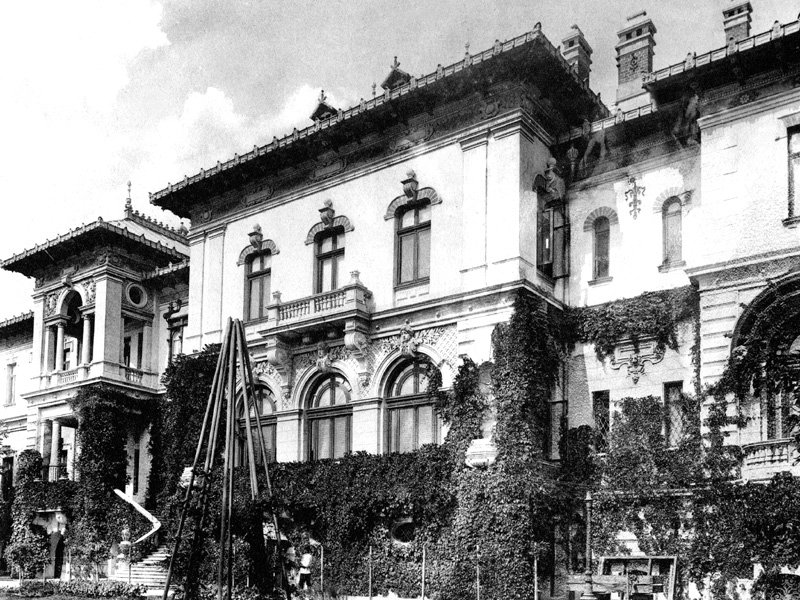
Rising majestically atop Cotroceni Hill, Cotroceni Palace is a beacon of Romania’s royal heritage and architectural grandeur. Originally founded as a monastic complex in the late 17th century by Șerban Cantacuzino, the site has undergone significant transformations—serving as a royal residence, a symbol of state power, and today, the official home of Romania’s President as well as the Cotroceni National Museum. The palace’s evolution mirrors Romania’s historical journey through monarchy, communism, and modern democracy, blending French academic design with distinctive neo-Romanian motifs thanks to architects Paul Gottereau and Grigore Cerchez.
This guide provides essential information on Cotroceni Palace’s visiting hours, ticketing, guided tours, accessibility, and nearby attractions. Whether you’re a history enthusiast, architecture buff, or cultural traveler, you’ll find everything needed for a rewarding visit to one of Bucharest’s most storied landmarks. For further details, consult official resources and trusted cultural platforms (Cotroceni Palace Official Website, Romania Insider, Google Arts & Culture).

Founding and Monastic Beginnings (1679–1883)
Cotroceni Palace stands on land once occupied by a wooden hermitage, later replaced by the Cotroceni Monastery in 1679 at the behest of Wallachian ruler Șerban Cantacuzino. The monastery, completed in 1682, became a vital religious and cultural center, laying the groundwork for the site’s future significance.
Royal Transformation (1883–1926)
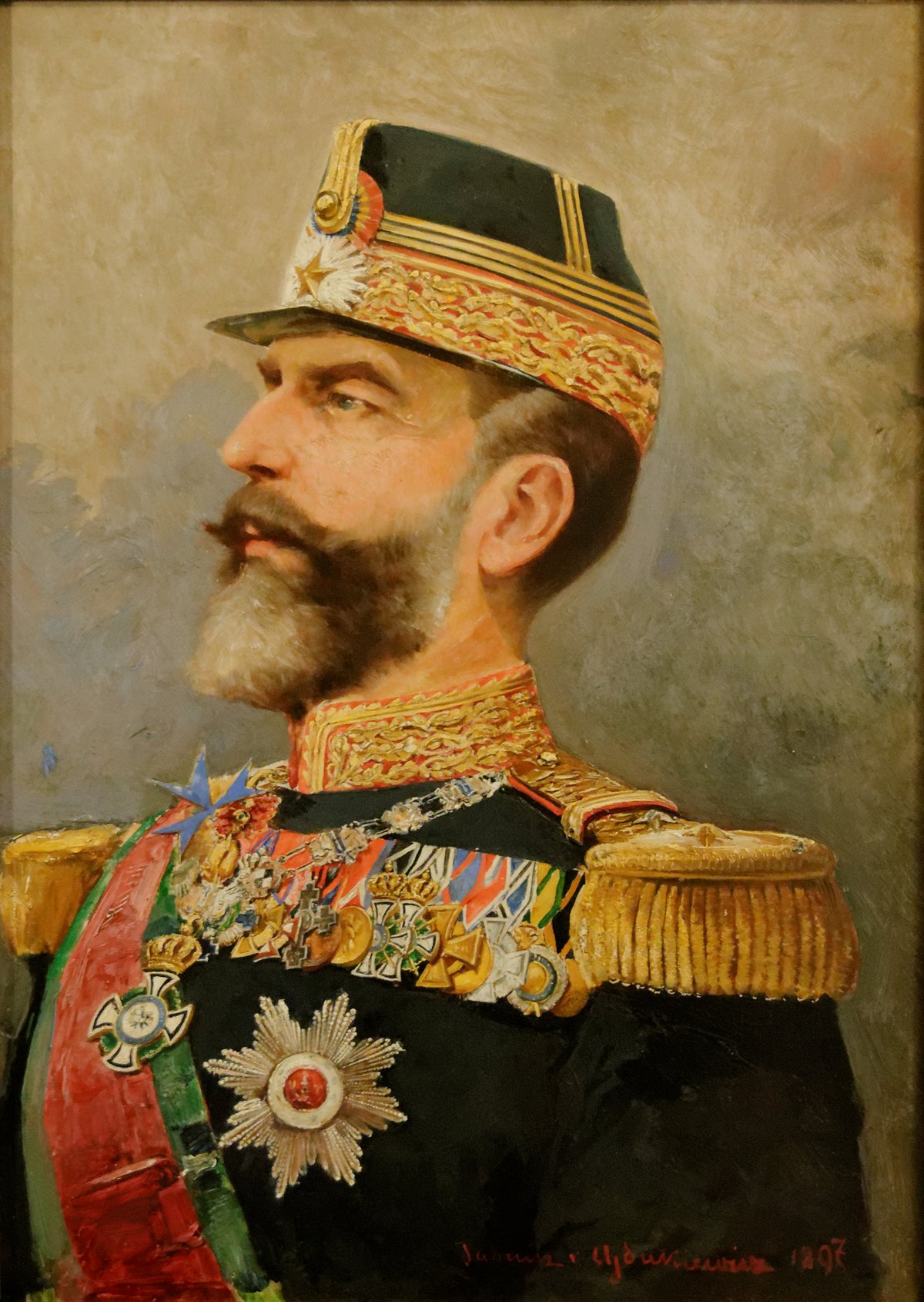
In 1883, King Carol I demolished older structures to create a palatial residence that would reflect a modernizing Romania. Designed by Paul Gottereau, the palace, completed in 1895, featured French academic architecture with subtle Romanian touches. Queen Marie and architect Grigore Cerchez oversaw further expansions (1915–1926), introducing neo-Romanian elements and modern amenities, and transforming Cotroceni into a symbol of national identity.
Communist Era and Nationalization (1947–1989)
After King Michael I’s abdication in 1947, the palace was nationalized, repurposed as the “Pioneers’ Palace” for youth activities, and later served as a state guest house. The 1977 earthquake caused severe damage, prompting major restoration and the construction of a new administrative wing (Google Arts & Culture).
Post-1989 Revival
Since 1991, Cotroceni Palace has housed the Romanian president. Its historic wing operates as the Cotroceni National Museum, displaying royal apartments, ceremonial halls, and over 20,000 artifacts illustrating Romania’s political and cultural history (Romania Insider).
Architectural Evolution & Styles
Cotroceni Palace’s architecture is a blend of French academic grandeur and neo-Romanian style. Key features include:
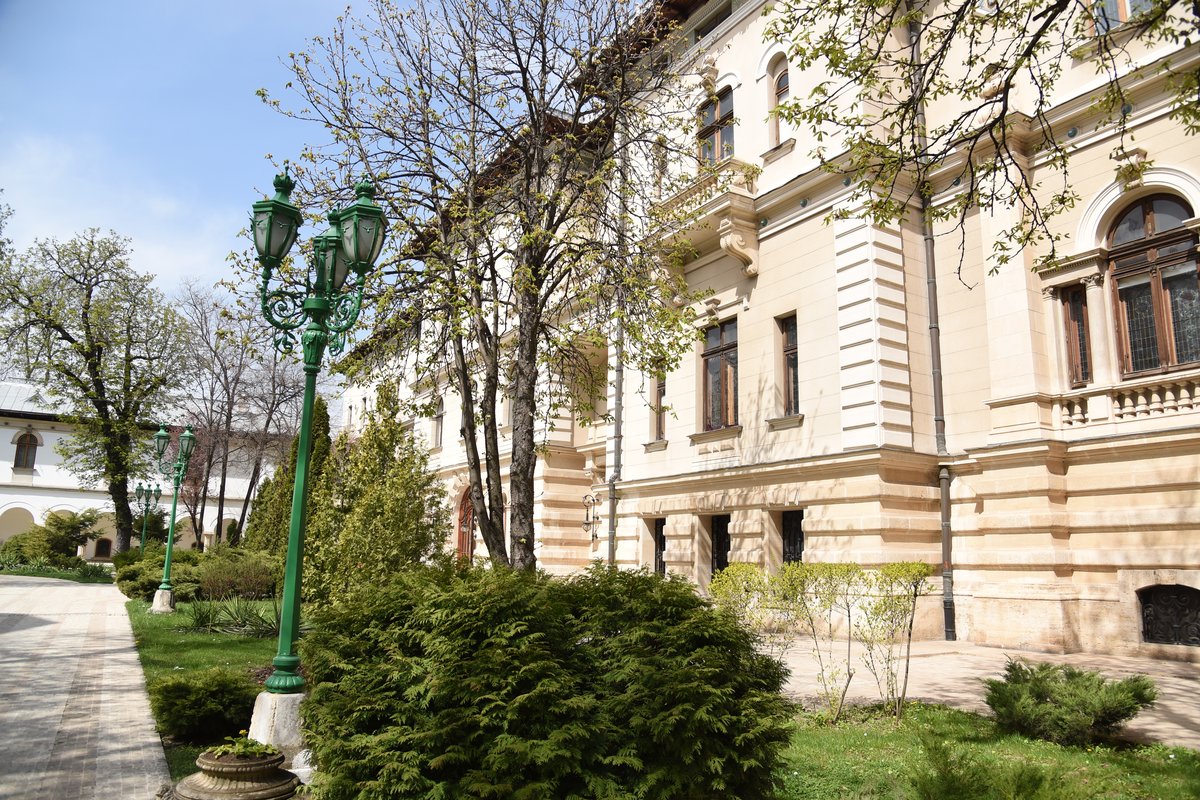
- French Academic Style: Symmetrical facades, grand staircases, and ornate detailing by Paul Gottereau.
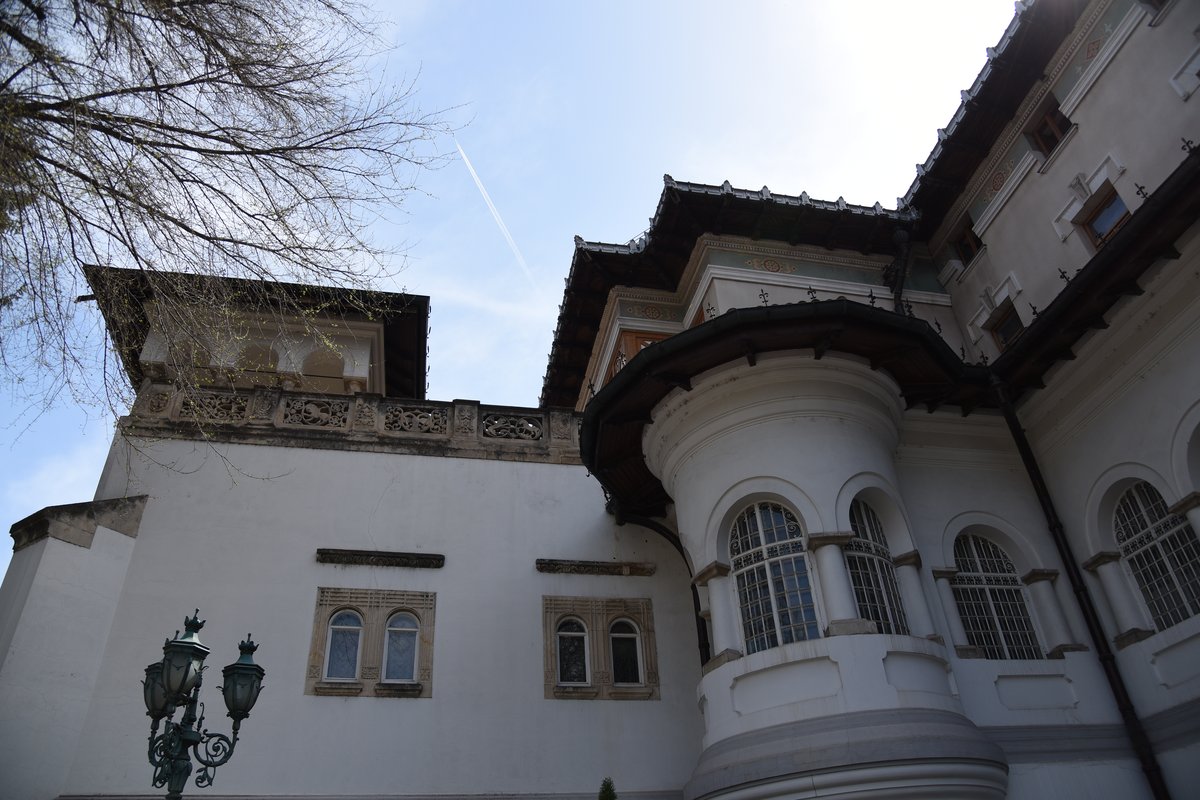
- Neo-Romanian Motifs: Introduced by Grigore Cerchez, these include arched windows, loggias, and decorative stonework inspired by local traditions and monasteries (Google Arts & Culture).
- Technological Advancements: Among the first Bucharest buildings with electric lighting and telephones.
- Restoration & Adaptation: The 1977 reconstruction respected the original design while adding functional spaces for modern administration.
Architectural highlights for visitors include the Hall of Honor, richly restored royal apartments, and museum galleries with rotating exhibitions.
Cultural Significance
Cotroceni Palace is a living testament to Romania’s evolution:
- Royal & Political Heritage: Royal residence until 1947, then a symbol of modern Romanian statehood (Romania Insider).
- Religious Roots: The monastic origins are reflected in the preserved chapel and ecclesiastical art.
- Artistic Legacy: The interiors feature exquisite woodwork, stained glass, royal portraits, and curated museum collections (Google Arts & Culture).
- Public Engagement: The Cotroceni National Museum connects visitors with Romania’s cultural narrative through exhibitions and educational programs.
Visitor Information: Hours, Tickets & Tours
Opening Hours (as of June 2025)
- Tuesday–Sunday: 10:00 AM – 6:00 PM (last admission at 5:00 PM)
- Closed: Mondays and public holidays
Admission Fees
- Weekdays (Guided Museum Tour): 50 RON
- Weekends (Full Tour incl. Presidential spaces): 70 RON
- Temporary Exhibitions: 10 RON
- Discounts: Students (75% off), pensioners (50% off)
- Children under 7: Free
(Romania Insider, Bucharest.net)
Free Admission on Weekends
- Northern Garden, Baroque Terrace, Ceremonial Plateau, Cotroceni Church, and certain courtyards are accessible without charge during the open-door program (Romania Insider).
Booking & Identification
- Weekdays: Advance booking required for guided tours (official museum website), or via authorized agencies (Imperial Transilvania).
- Weekends: No reservation needed for the open-door program; guided tours not available.
- ID Requirement: All visitors must present a valid passport or national ID (Lonely Planet).
Guided Tours
- Languages: English, Romanian, Spanish, and others.
- Duration: Approx. 1 hour, covering over 30 rooms, including royal apartments and ceremonial halls (HelloTickets).
- Highlights: Hall of Union, palace chapel, richly decorated interiors, historical narratives (Imperial Transilvania).
Visitor Experience & Facilities
- Expected Visit Duration: 1–2 hours (TripHobo)
- Accessibility: Partial wheelchair access; contact the museum for assistance.
- Security: Airport-style checks; large bags are not allowed.
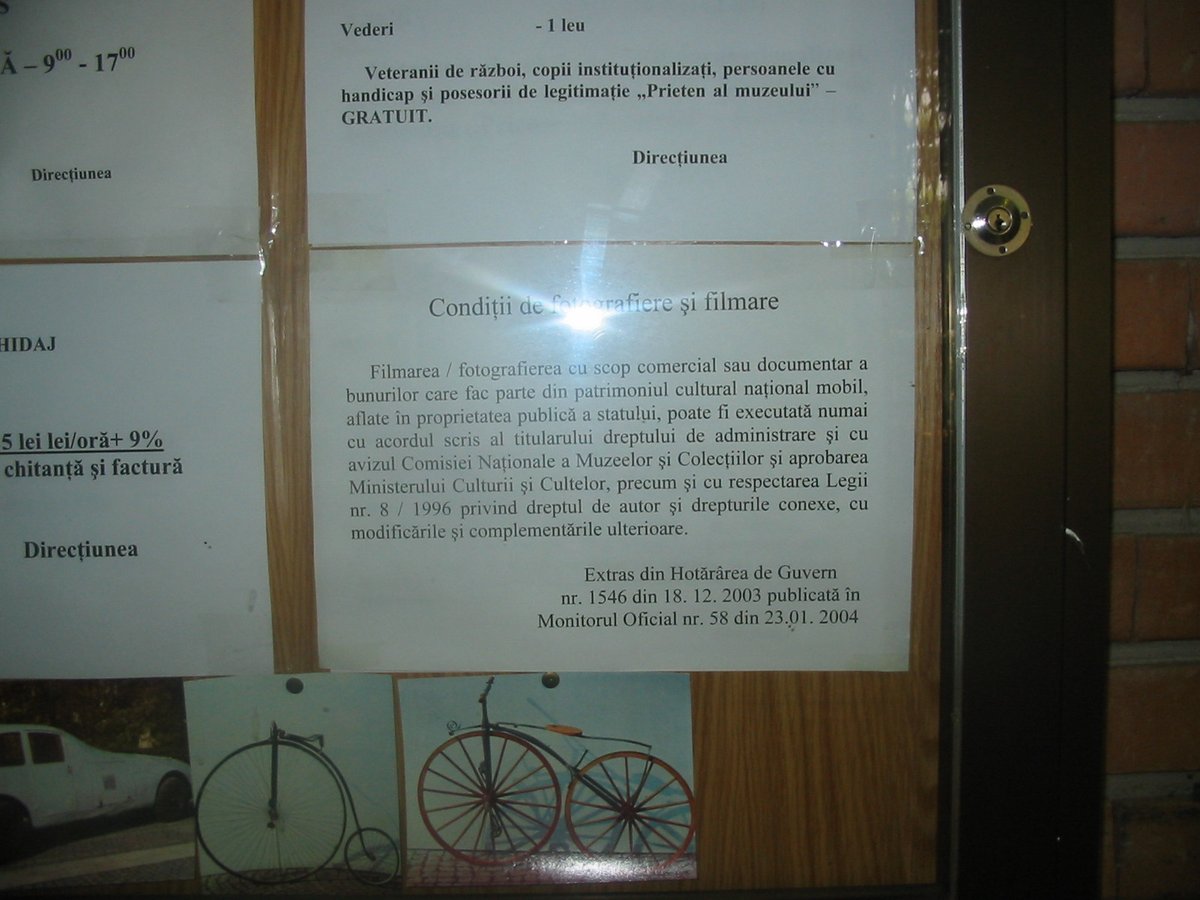
- Photography: Allowed in gardens and exterior areas; restricted inside. Confirm with staff.
- Amenities: Restrooms, cloakroom, gift shop, and access to the Baroque Terrace (Romania Insider).
Gardens & Grounds
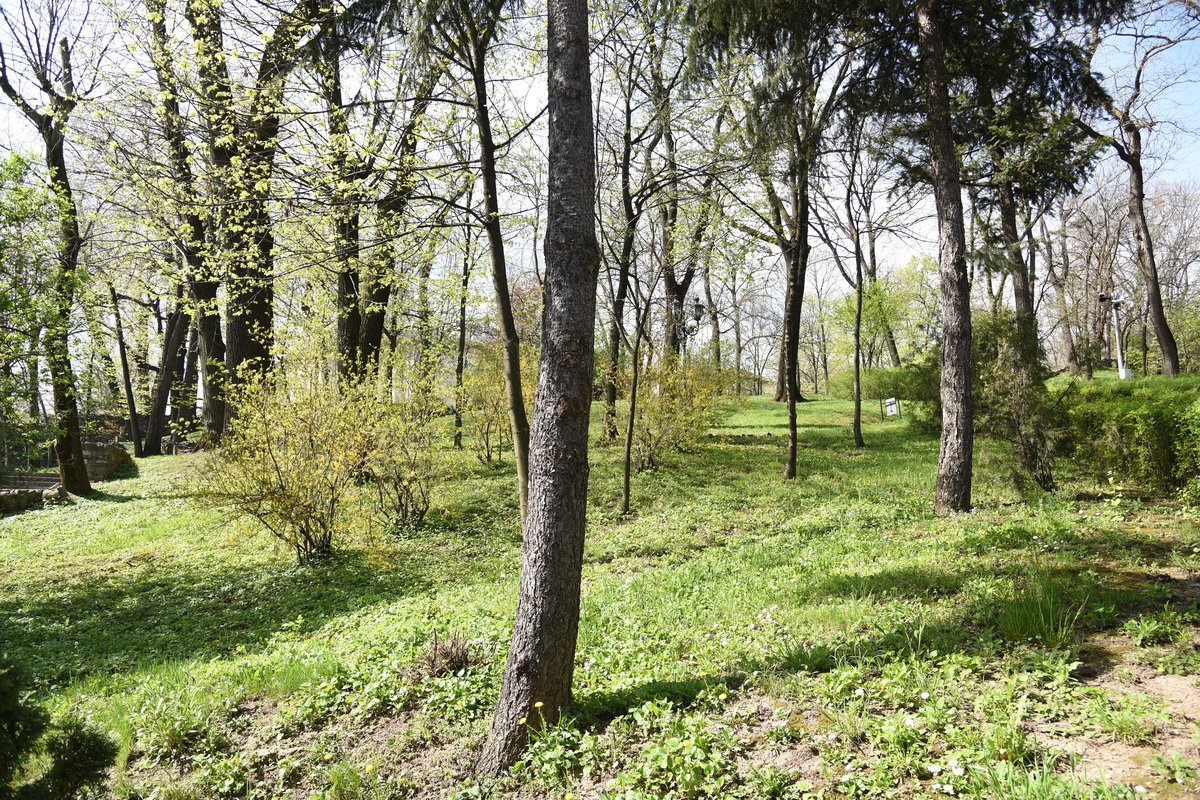
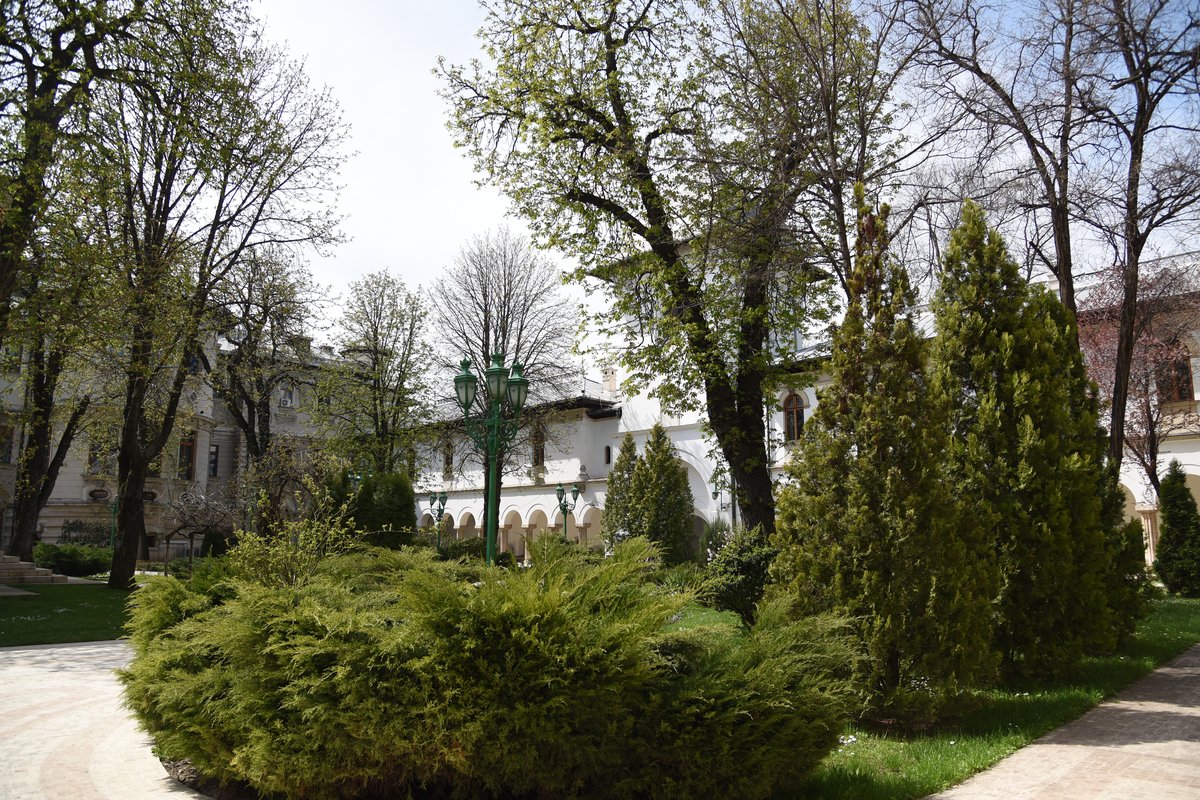
The palace gardens offer tranquil walks, seasonal floral displays, and host open-air cultural events (trek.zone). The Cotroceni Church, a blend of Orthodox and Neo-Romanesque styles, is a highlight of most tours (visitbucharest.today).
Tips for a Memorable Visit
- Book tours in advance, especially for weekdays.
- Arrive early for security checks.
- Bring valid identification.
- Check the official website for schedule changes or special events.
- Pair your visit with the Bucharest Botanical Garden or AFI Palace Cotroceni for a full day’s experience (TripHobo).
Frequently Asked Questions (FAQ)
Q: Are guided tours available on weekends?
A: No, guided tours are only on weekdays; weekends offer self-guided access.
Q: Do I need to book in advance?
A: Yes, for weekday tours. Weekend open-door visits do not require booking.
Q: Is Cotroceni Palace accessible for those with mobility impairments?
A: There is partial accessibility; contact in advance for details.
Q: Can I take photos inside?
A: Only in gardens and outdoor spaces; interior photography is generally restricted.
Q: What identification is required?
A: A valid passport or national ID is mandatory.
Multimedia & Further Exploration
Access virtual tours and photo galleries via the official website and Google Arts & Culture, featuring high-resolution images and detailed descriptions of palace interiors and gardens.
Tickets & tours.
These are guided options from our partners — same price as booking direct.
Prices are indicative — final pricing and availability are confirmed at checkout. Audiala may earn a commission from bookings made through these links.
Listen to the full story in the app
The whole Cotroceni Palace,
told well.
Audio guides for 1,100+ cities across 96 countries. History, stories, and local insight — offline ready.
Verified, and shown.
Researched and written by the Audiala editorial team from historical records, architectural archives, and local expertise.
Researched from Wikidata, Wikipedia & official sources · fact-checked · How we make our guides →