
History and Development
Founding and Early Years
UMFCD began as the National School of Medicine and Pharmacy in 1857, thanks to the vision of Carol Davila, an Italian-born physician, and Nicolae Crețulescu. Davila was instrumental in modernizing Romania’s public health system, including establishing medical societies and journals that advanced national science and education (UMFCD official).
Growth and Academic Expansion
- 1869 Integrated into the University of Bucharest as the Faculty of Medicine.
- 1873 First doctoral degrees awarded.
- 1889 Faculty of Pharmacy established.
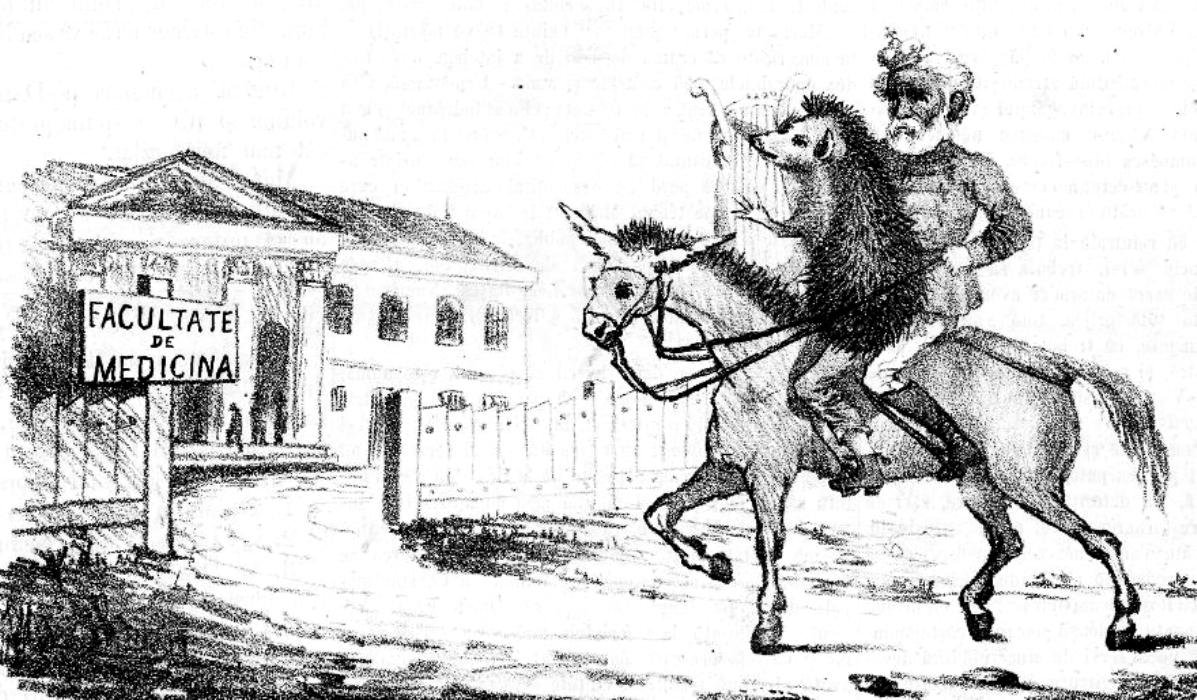
- 1903 Iconic Faculty of Medicine building opened, enhancing educational infrastructure.
- 1923 Faculty of Pharmacy gained independence.
- 1948 Became a standalone institution, adding the Faculty of Dentistry.
Modernization and Recognition
Since 1991, UMFCD has held its current name and is recognized as an advanced research and education university by the Romanian Ministry of Education. The university has continually upgraded its facilities to meet international standards in medical science and education (Edufever).
Academic and Research Excellence
UMFCD is renowned for key contributions to medicine:
- Nicolae Paulescu’s isolation of insulin (1921) Critical in the treatment of diabetes.
- George Emil Palade Nobel Prize-winning cell biologist and UMFCD alumnus.
The university collaborates with over 20 clinical hospitals in Bucharest, offering students unparalleled clinical training opportunities. Its degrees are accredited by the Romanian Ministry of Education, the European Association of Universities, and recognized by the World Health Organization (Medicine Romania).
Architectural and Cultural Heritage
Notable Landmarks
- Faculty of Medicine Building Opened in 1903, this neoclassical and neo-baroque structure is UMFCD’s architectural centerpiece.
- Carol Davila Monument Bronze statue created by Carol Storck in 1884, symbolizing the university’s legacy.
- Central Library Established in 1857, housing extensive medical literature and electronic resources.
These sites exemplify Romania’s commitment to medical education and are integral to the campus experience (UMFCD Virtual Interactive Tour).
Campus Layout and Facilities
Locations
- Main Administrative Building Dionisie Lupu Street no. 37 (Sector 2)
- Faculty of Medicine and Central Library Bulevardul Eroii Sanitari 8 (Sector 5)
- Student Dormitories Limited on-campus housing for Romanian state scholarship students (Eklavya Overseas)
- Affiliated Hospitals Over 20 clinical hospitals, such as Elias Emergency Hospital and University Emergency Hospital
Facilities
- Lecture Halls Modern, equipped with advanced audio-visual systems.
- Laboratories and Simulation Centers Facilitate hands-on preclinical and clinical training.
- Central Library Over 40 workstations, international journals, virtual resources, and language training for international students (EuroEducation).
- Dining University canteen with online ordering and diverse dietary options.
- Sports and Recreation Sports teams, medical societies, and cultural clubs.
- Accessibility Facilities for visitors and students with disabilities, plus active promotion of inclusivity (UMFCD official).
Programs and Accreditation
Faculties
- Faculty of Medicine
- Faculty of Dental Medicine
- Faculty of Pharmacy
- Faculty of Midwifery and Nursing
Degree Programs
- Undergraduate
- General Medicine (6 years, in English, French, Romanian)
- Dentistry (6 years, in English and French)
- Pharmacy (5 years, in Romanian and English)
- Midwifery and Nursing (3–4 years)
- Postgraduate
- Residency, Master’s, and Doctoral programs (Medicine Romania)
Accreditation
UMFCD’s programs are fully accredited and internationally recognized, preparing graduates for global medical careers (Eklavya Overseas).
Visiting UMFCD: Practical Information
Visiting Hours
- General Campus and Outdoor Landmarks
- Open to the public Monday to Friday, 8:00 AM–6:00 PM.
- Library and Specialized Facilities
- Access by prior arrangement for visitors.
Guided Tours
- Availability
- Free entry to outdoor areas; guided tours (covering history and architecture) are available by appointment, especially during open days and special events.
- Booking
- Contact the International Office or Admissions Department via the UMFCD official website.
Accessibility
- Wheelchair access is available in main buildings, but advance notice is recommended for additional support due to some historical structures’ limitations.
Nearby Attractions
UMFCD’s central location allows easy visits to:
- Old Town (Lipscani) Historic cafes, shops, nightlife
- Palace of the Parliament Guided tours available
- Romanian Athenaeum Iconic concert hall
- Herăstrău Park Urban green space
- Cotroceni Palace, Botanical Garden, National Museum of Romanian History (Studying Medicine)
Special Events
The university hosts public lectures, academic conferences, and cultural events. Check the UMFCD events calendar for up-to-date information.
Visitor Tips
- Wear comfortable shoes for campus tours.
- Outdoor photography is permitted; seek permission for indoor photos.
- Spring and autumn offer the best weather for sightseeing.
- Public transport is recommended due to limited parking.
Campus Life and International Community
UMFCD fosters a vibrant international community. English and French-taught programs welcome students from around the globe, and the Erasmus Foreign Languages Training Centre supports integration. Student societies, sports, and cultural activities are open to visitors during special events (Study International).
Frequently Asked Questions (FAQ)
Q: What are the visiting hours for Carol Davila University?
A: Outdoor campus areas are open Monday–Friday, 8:00 AM–6:00 PM.
Q: Is there an entrance fee?
A: No, campus entry is free; guided tours during events may require registration.
Q: Can I access university buildings?
A: Interior access is restricted; arrange permission in advance or join special tours.
Q: Are guided tours available?
A: Yes, by appointment via the university’s International Office.
Q: Is the campus accessible for people with disabilities?
A: Main buildings are accessible; contact in advance for individual needs.
Q: Is parking available?
A: Limited street parking; public transport is recommended.
Q: Are virtual tours offered?
A: Yes. Take the interactive virtual tour online.
Summary
Visiting Carol Davila University of Medicine and Pharmacy offers a unique experience blending Romania’s medical history, academic prestige, and architectural grandeur. The university’s central location allows visitors to enjoy Bucharest’s cultural treasures alongside their campus tour. With accessible facilities, free entry to outdoor sites, and a welcoming international community, UMFCD is a cornerstone of both medical education and Romanian heritage.
Plan ahead by consulting the UMFCD official website for current visiting hours, events, and tour schedules. Make the most of your trip by exploring nearby historical sites, and connect with UMFCD’s dynamic academic community.