Prehistoric Dâmbovița
castle
c. 4500 BC
First Settlers by the Dâmbovița
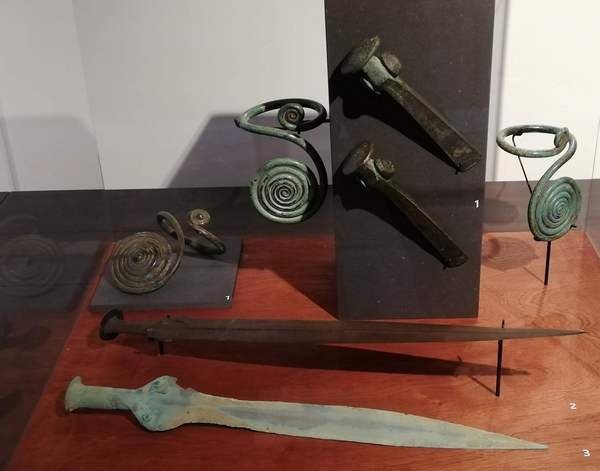
Gumelnița people built their wattle-and-daub huts along the muddy banks. You can still find their dark burnished pottery shards when river levels drop after heavy rains. They left no name for the place—just bones and broken bowls.
Princely Court Era
castle
1459
Vlad Drăculea Issues the Charter
A parchment signed September 20th mentions 'the citadel of București' for the first time. Vlad III needed a fortress between the Carpathians and his court at Târgoviște. The wooden palisade stood where today's Strada Franceză meets Lipscani.
castle
1545
Mircea Ciobanul Builds Curtea Veche
Voivode Mircea the Shepherd laid out the first stone princely residence. You can still walk its vaulted cellars, now half-buried beneath a pizzeria. The palace smelled of mutton fat and wet limestone—every floor above burned down at least once.
Phanariote Rule
gavel
1698
Capital Moves from Târgoviște
Constantin Brâncoveanu brought the court permanently to Bucharest. Overnight, carpenters, scribes, and stable boys flooded the muddy lanes. The city doubled in population within five years; rents tripled. Calea Victoriei began as an oak-planked road.
church
1722
Kretzulescu Church Rises
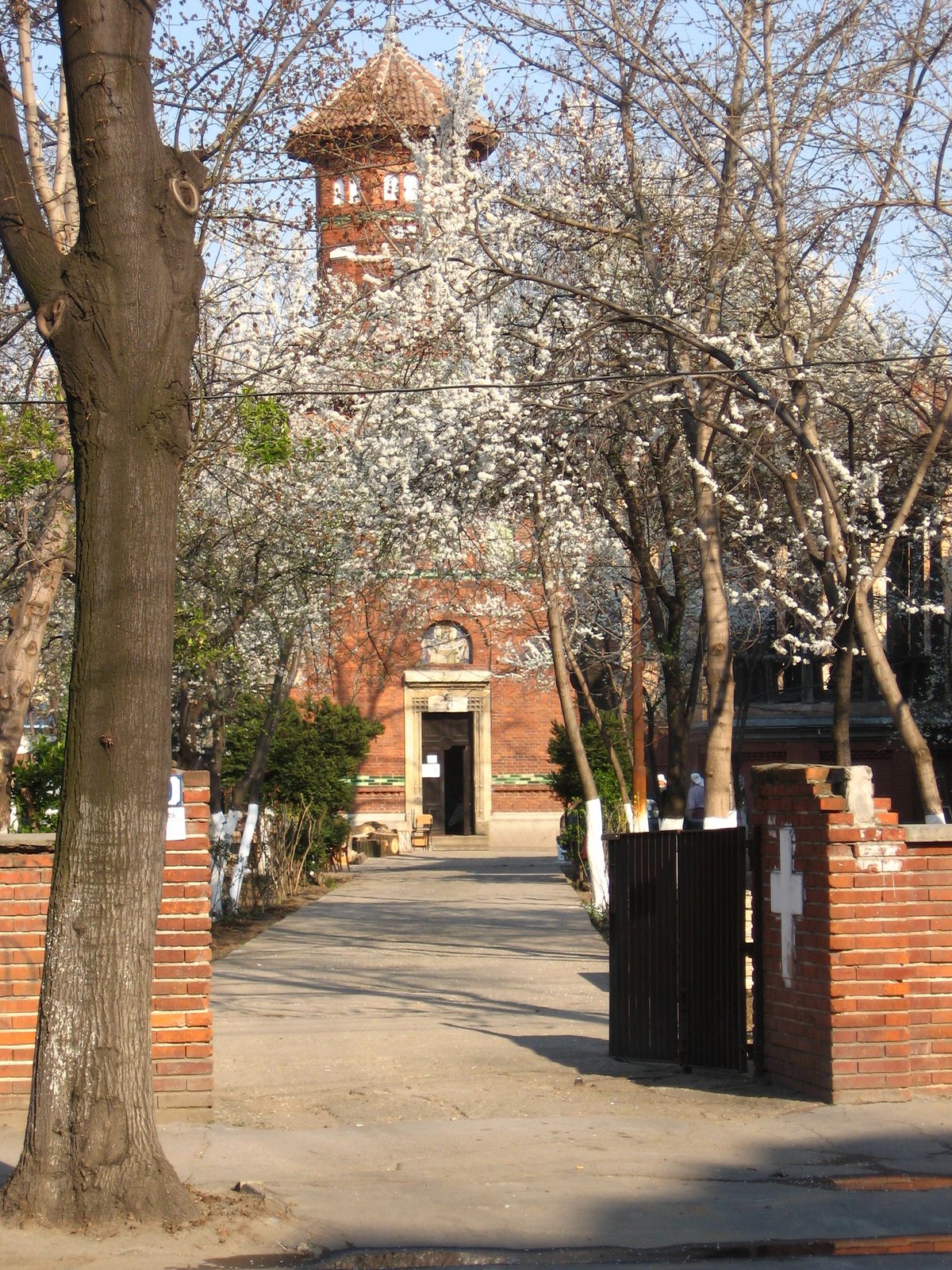
Boyar Iordache Kretzulescu paid for the red-brick church that still watches Revolution Square. Its frescoes took three winters—painters worked by candlelight when daylight failed. The frescoes inside show Bucharest as a walled city surrounded by orchards.
National Awakening
swords
1848
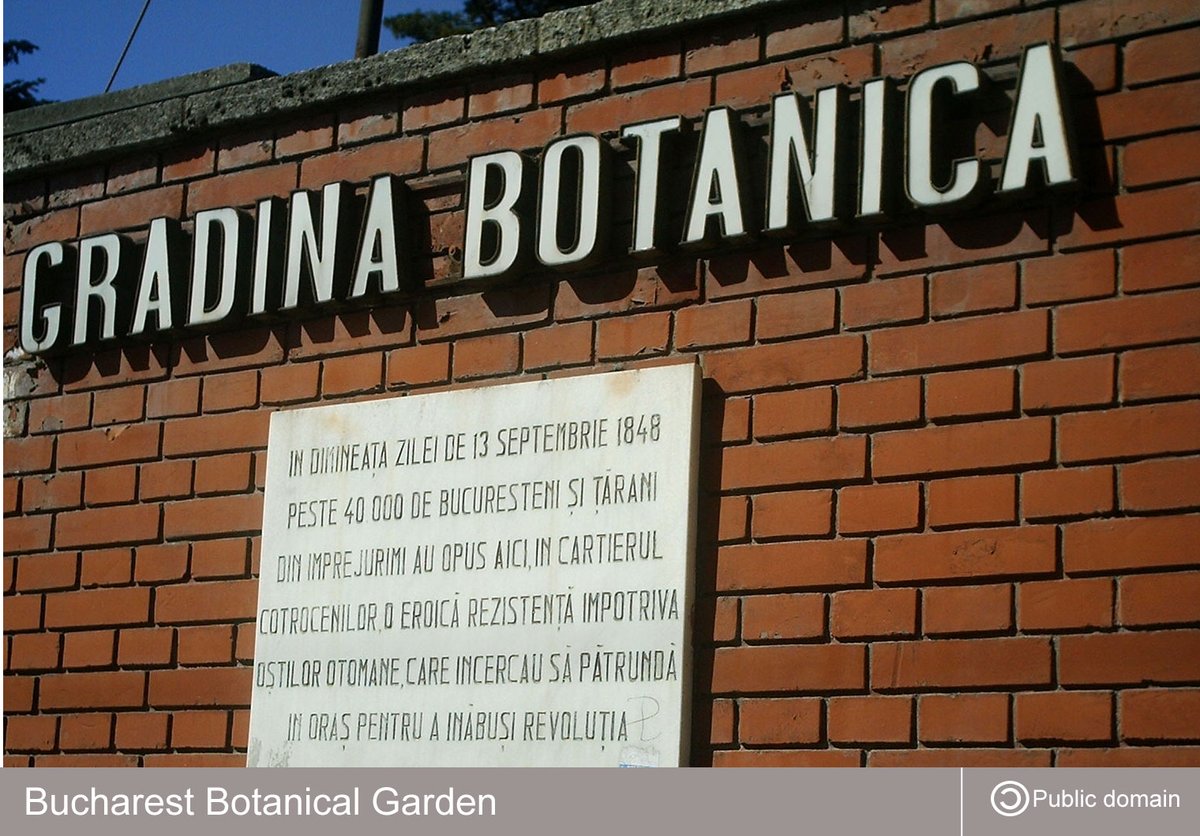
Wallachian Revolution Erupts
Students and merchants proclaimed a provisional government in the National Theatre ruins. Ottoman troops crushed it in three weeks. The bullet scars on the Metropolitan Church columns were patched with darker stone—you can spot them if the light hits right.
Little Paris Era
person
1850
Mihai Eminescu
The poet arrived a shy 20-year-old with ink-stained fingers. He wrote 'Luceafărul' in a cheap boarding house on Strada Plantelor, drinking coffee so strong it etched the cup. Bucharest's gaslit chaos became his cosmic loneliness.
National Awakening
gavel
1862
Bucharest Becomes Capital
Alexandru Ioan Cuza made it official: Bucharest, not Iași, would rule the united principalities. Overnight, diplomats needed hotels, ministers needed offices, and every third storefront became a Viennese café. The first gas lamps flickered on Calea Victoriei that December.
Little Paris Era
person
1881
George Enescu
Born in a village north of the city, he absorbed Bucharest's café orchestras and Gypsy fiddlers like oxygen. At 11 he enrolled at the Conservatory; by 16 he'd written his first Romanian Rhapsody. The city taught him that folk music could break your heart with joy.
music_note
1888
Romanian Athenaeum Opens
The circular concert hall took 20 years of penny drives—literally. Schoolchildren donated 'one leu for the Athenaeum' and their coins gilded the ceiling. George Enescu debuted here at 17. The acoustics still make violin strings sound like they're breathing.
Kingdom & WWI
swords
1916
Central Powers Occupy
German boots marched down Calea Victoriei while ministers fled to Iași. Officers billeted in the Athénée Palace; soldiers chopped up parquet floors for firewood. The occupation lasted two harsh winters—ration bread was half sawdust.
Communist Dark Age
local_fire_department
April 1944
Allied Bombs Fall
American Liberators dropped 1,500 tonnes on the railway yards. One bomb missed and hit the Armenian quarter—47 houses vanished. The smell of burnt apricot brandy lingered for weeks. The scars on Gara de Nord's facade are still visible if you know where to look.
Post-Revolution
person
1956
Mircea Cărtărescu
The postmodern novelist grew up in the concrete jungle of Drumul Taberei. His Bucharest is one of fluorescent-lit trams and balconies dripping wet laundry. 'Orbitor' recreates the city as a kaleidoscope of communist smells—tram brakes, cabbage, cheap cologne.
Communist Dark Age
local_fire_department
March 1977
Earthquake Crumbles the City
At 21:22, 7.2 on the Richter scale. The Scala cinema folded like a deck chair, killing 500. Ceaușescu saw the ruins and decided the old city had to go. That night reshaped Bucharest more than any war.
castle
1984
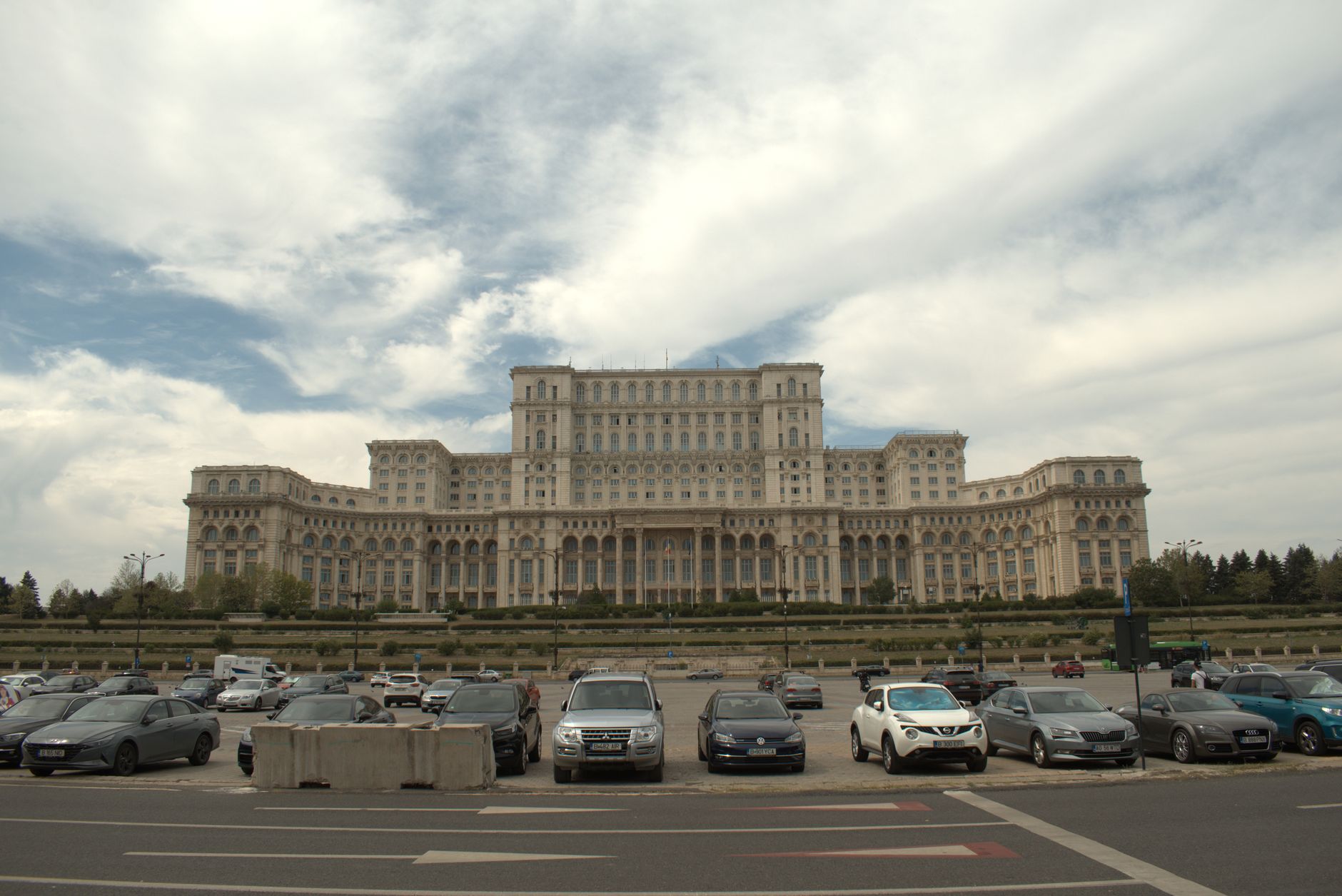
Ceaușescu Starts Parliament Palace
Bulldozers flattened 8 square kilometers—monasteries, synagogues, Belle Époque blocks gone by sunrise. Architects worked under armed guard. The People's House rose 84 meters high, consuming 1 million cubic meters of Transylvanian marble. Twenty thousand people lost their homes.
swords
December 1989
Revolution in Revolution Square
Ceaușescu's speech crackled through tinny loudspeakers at noon on December 21st. By 12:08 the crowd was booing. By 12:15 the live feed cut to patriotic music. By Christmas Day he was dead, and the balcony where he stood became a shrine of bullet holes.
Post-Revolution
public
2007
Romania Joins the EU
Fireworks over the Palace of Parliament on January 1st. Within months, budget airlines landed like flocks of metal birds. Old Town basements became craft-beer bars. The city learned to speak English with a Romanian accent.
local_fire_department
October 2015
Colectiv Nightclub Fire
Indoor fireworks in a basement club killed 64. The protests that followed toppled the government within days. Every October 30th, thousands march carrying phone flashlights. The club's charred doorway on Strada Tăbăcarilor has become a pilgrimage site.
church
2021
Colectiv Memorial Opens
A quiet garden with 64 metal trees—one for each victim—where the old factory walls still smell faintly of smoke. Teenagers leave handwritten notes tucked into bark cracks: 'We won't forget.' The memorial glows at night like embers in a dying fire.