Place
Romania Updated Apr 2026
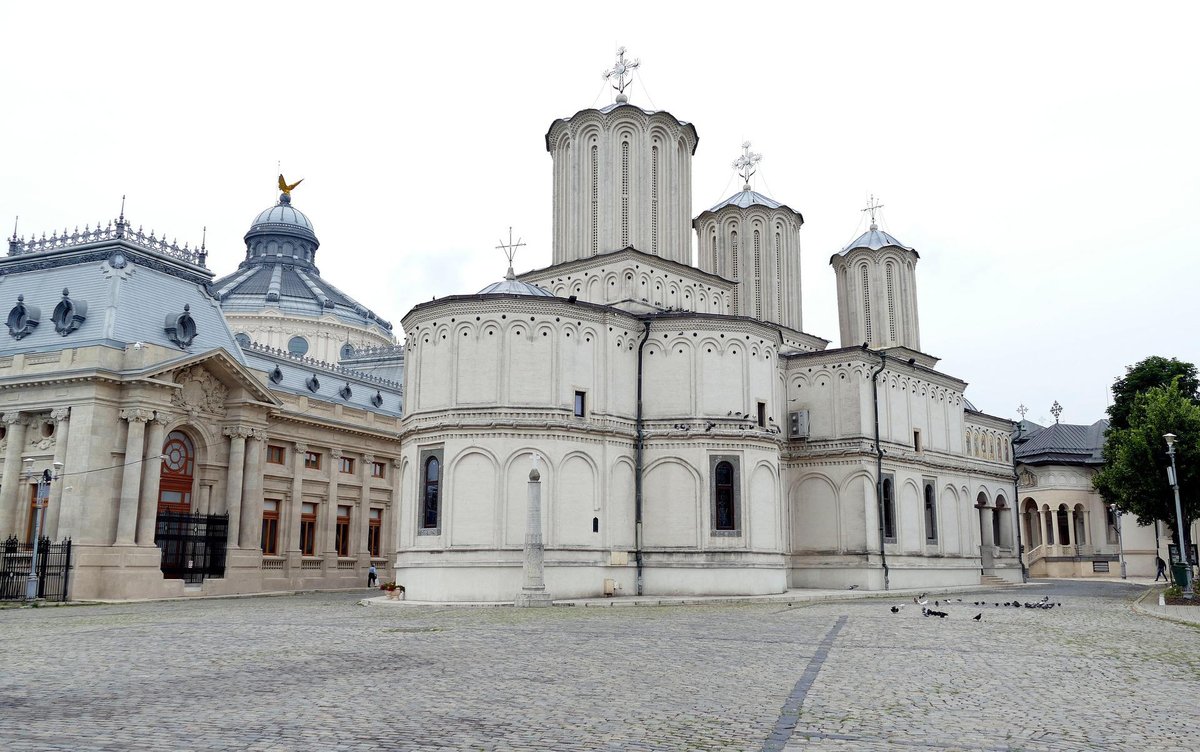
One block off the traffic-choked Boulevard Unirii, an Orthodox priest swings incense while the bass from Control Club bleeds through the brick walls of a 19th-century courtyard. This is Bucharest, Romania—where Ceaușescu’s concrete leviathan casts a shadow over Belle Époque facades, and the city’s most intoxicating night often begins at a sidewalk grill thick with smoke and garlic.
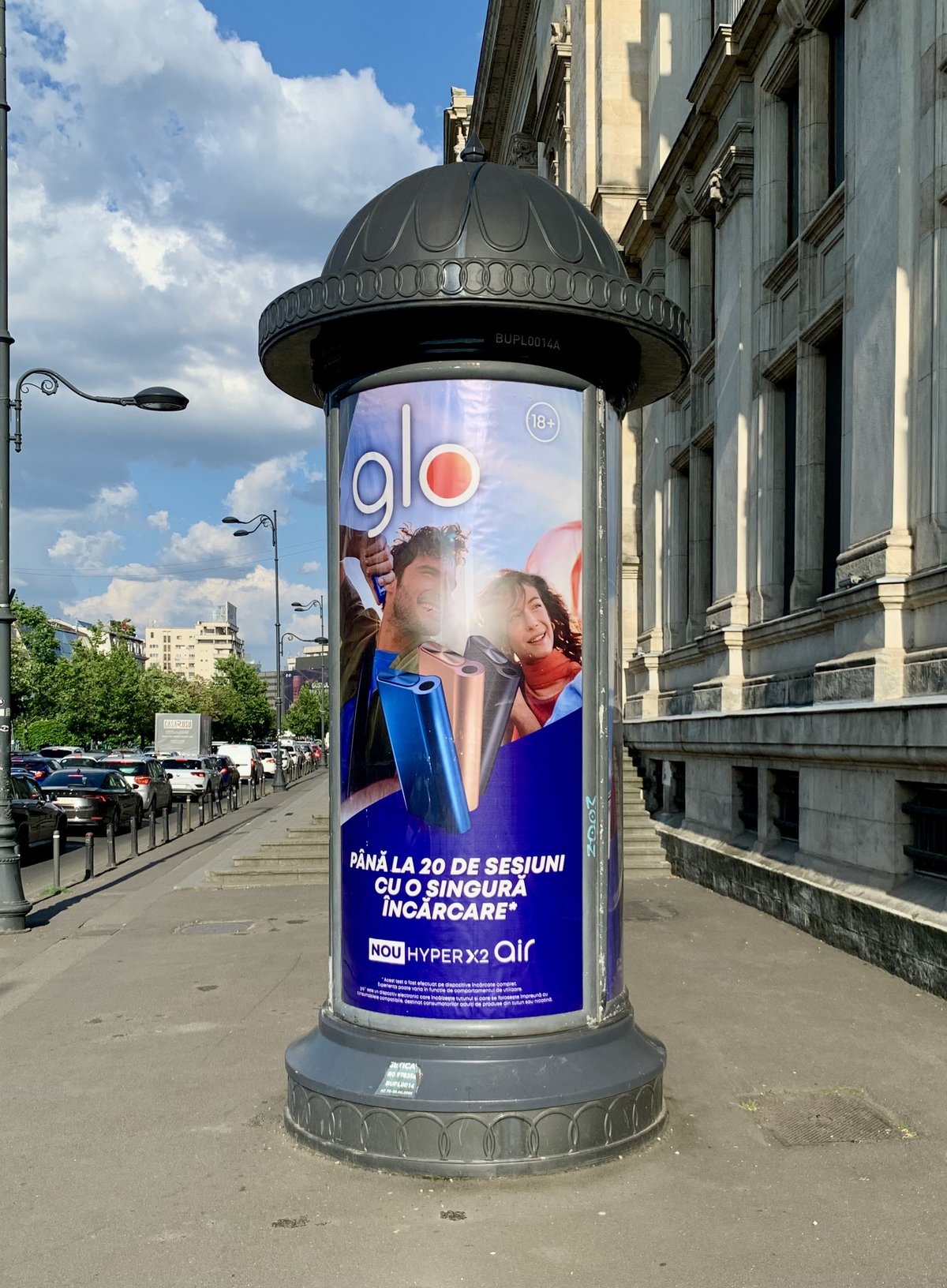
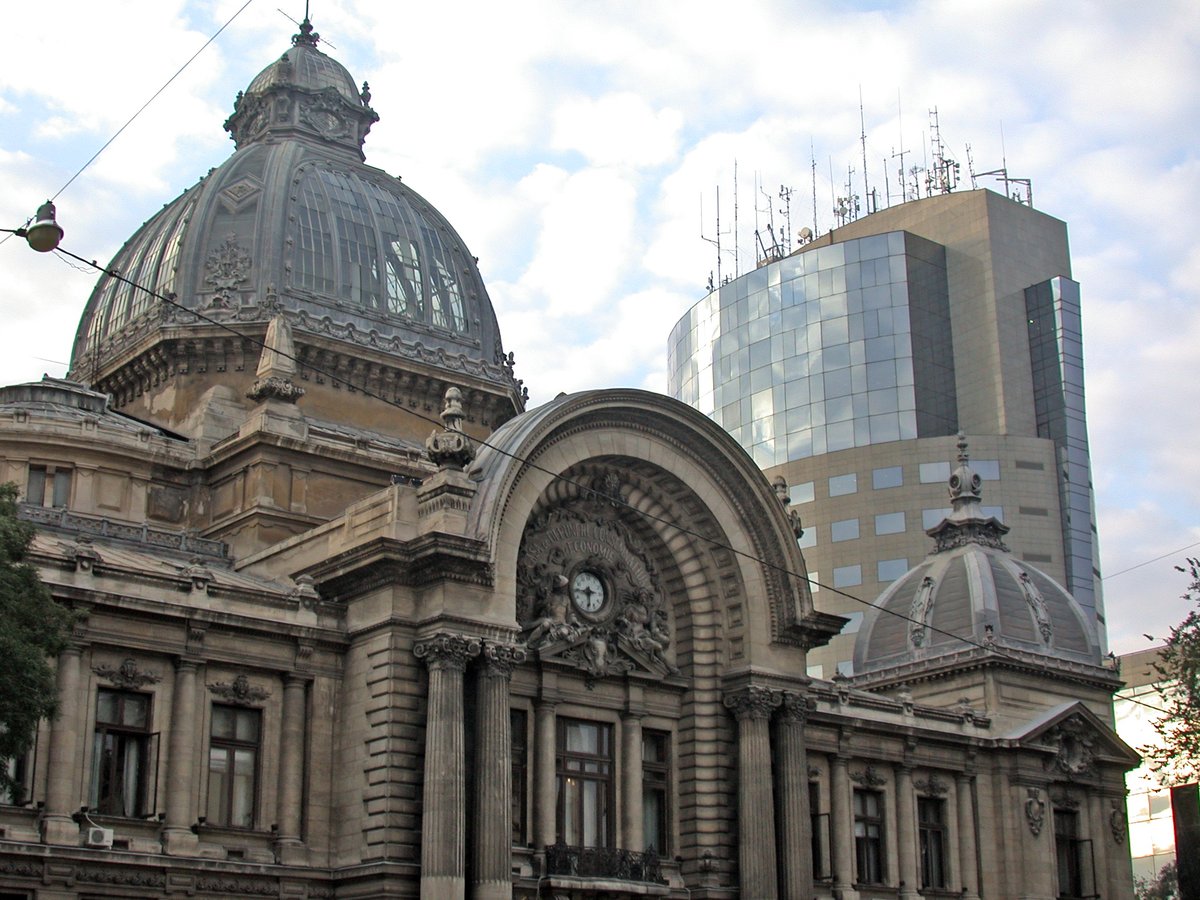
 Photo: seisdeagosto · CC BY-SA 2.0
Built from cited sources · see the method · How we make our guides →
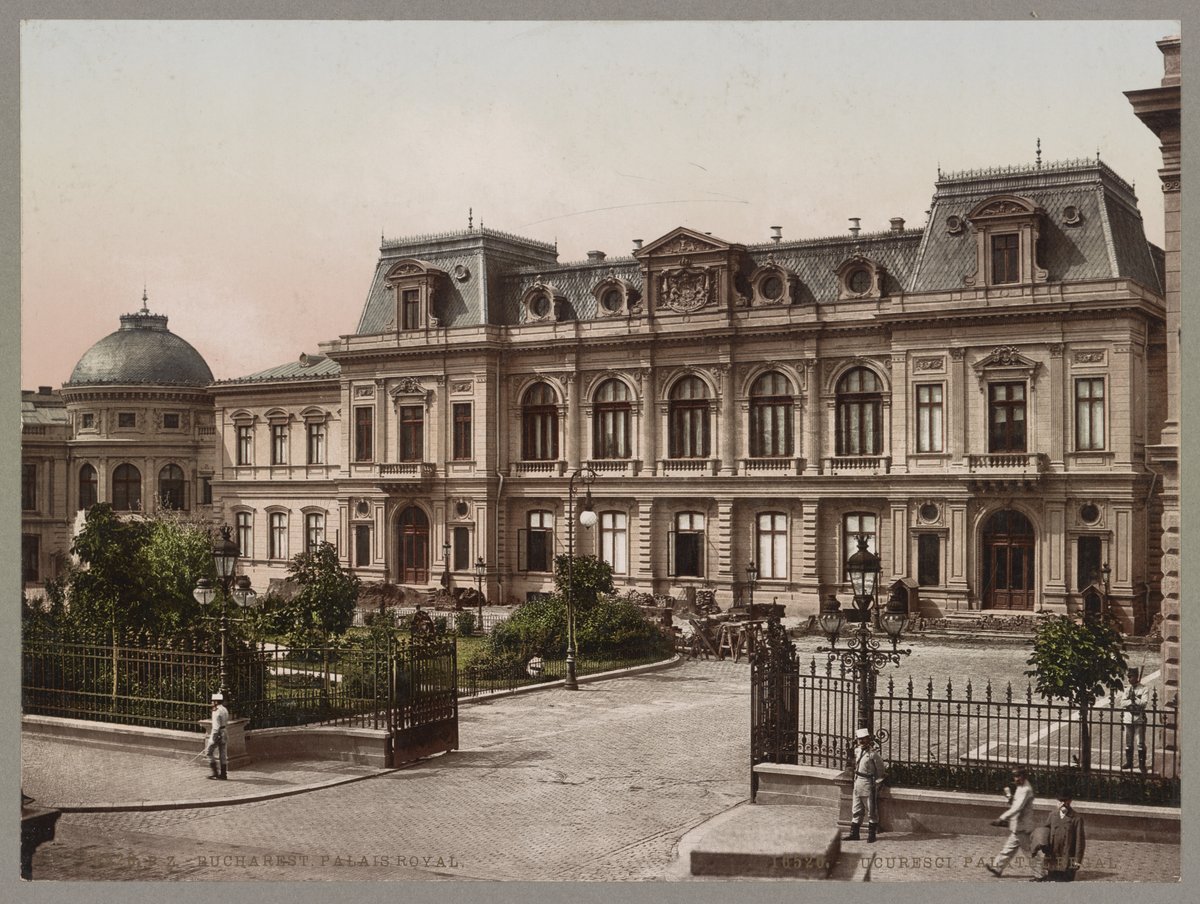
Bucharest earned its “Little Paris” nickname before the communists arrived, and the evidence still lines Calea Victoriei: wrought-iron balconies, mineral-paint pastels, and the 1865 Athenaeum dome glowing amber at dusk. Then the 1980s bulldozers came, razed a fifth of the historic core, and dropped the Palace of Parliament—1,100 rooms, four million tonnes of marble, and a chandelier heavy enough to anchor a ship—onto the city’s heart. Locals navigate this scar by memory: they’ll walk you past where their grandmother’s house once stood, then pull you into a basement bar where the cocktails arrive in recycled jam jars.
Today the capital hums in Latin time signatures. Open-air terraces stay packed until 3 a.m.; the metro doors still close with a Soviet clunk; and you can eat tripe soup at 7 a.m. after a techno set ends. It is both brash and intimate, monumental and fragile—exactly the kind of city that makes you text a friend, “Book the ticket. You won’t believe what’s around the next corner.”
Not every monument, just the ones we'd walk you past ourselves.
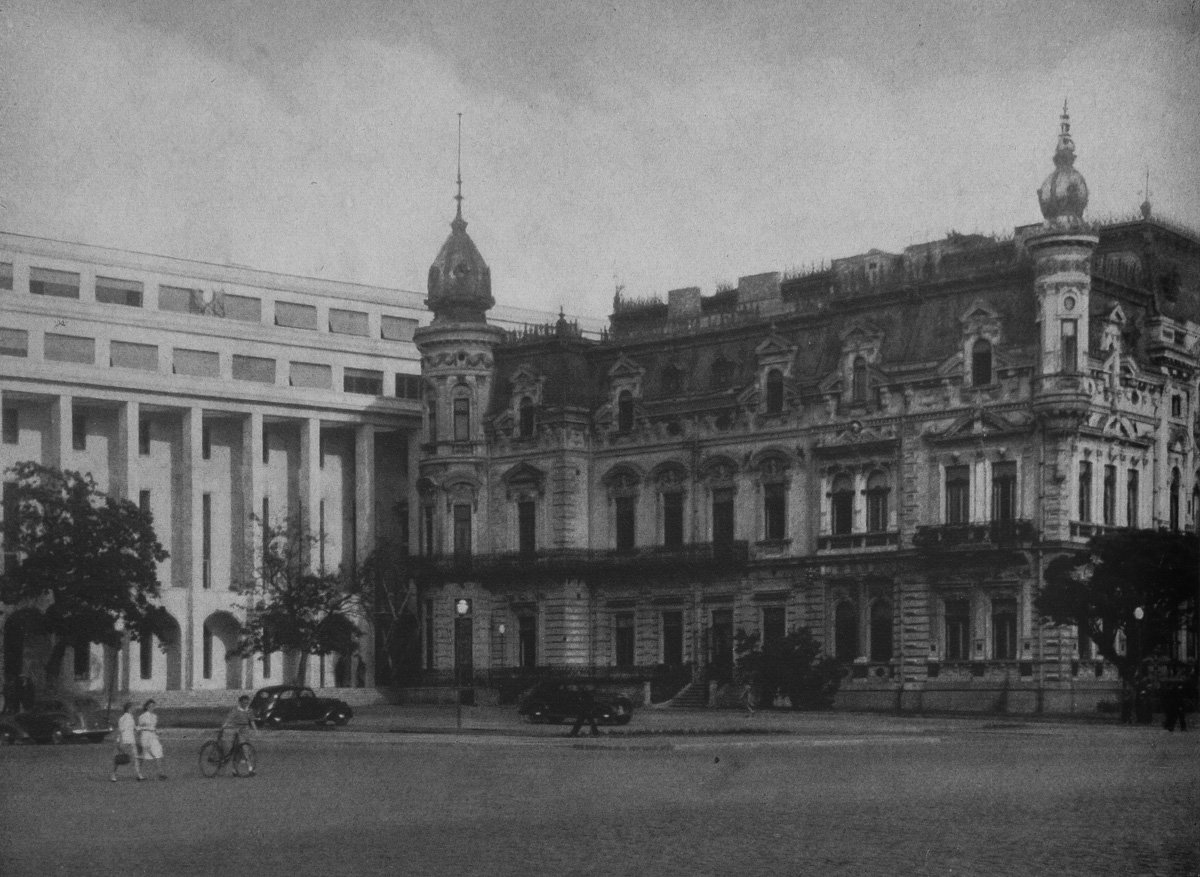
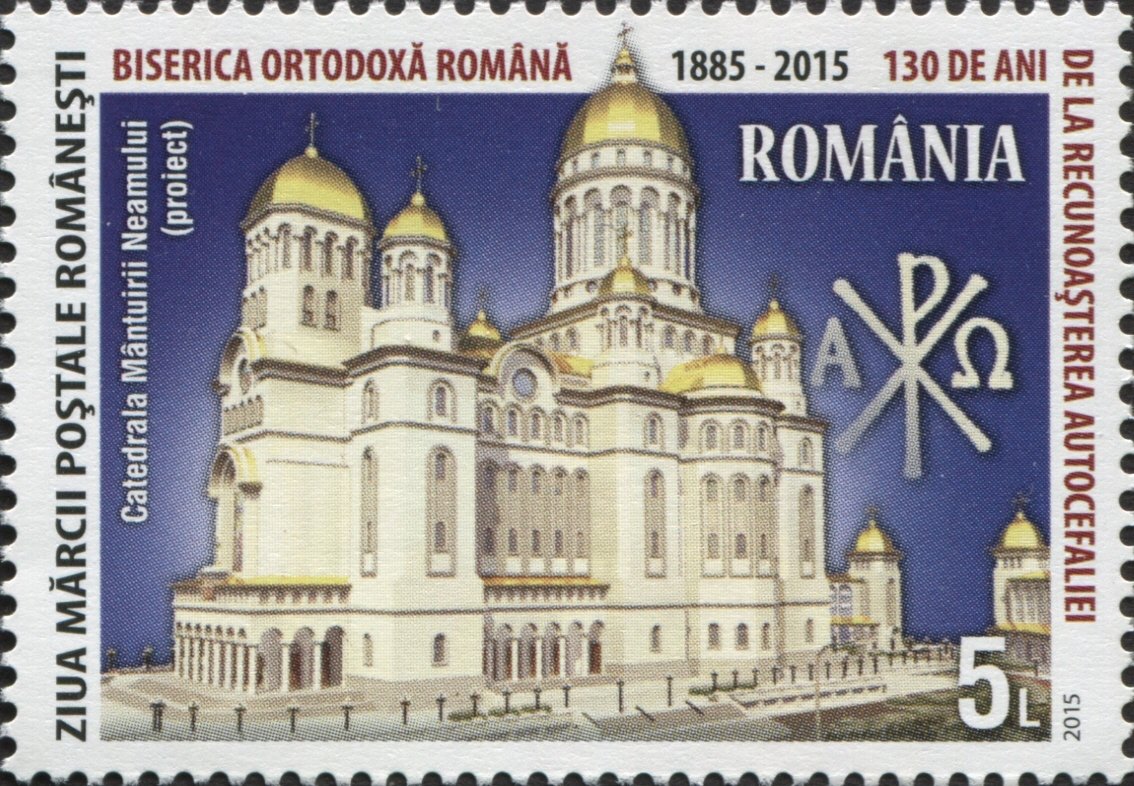
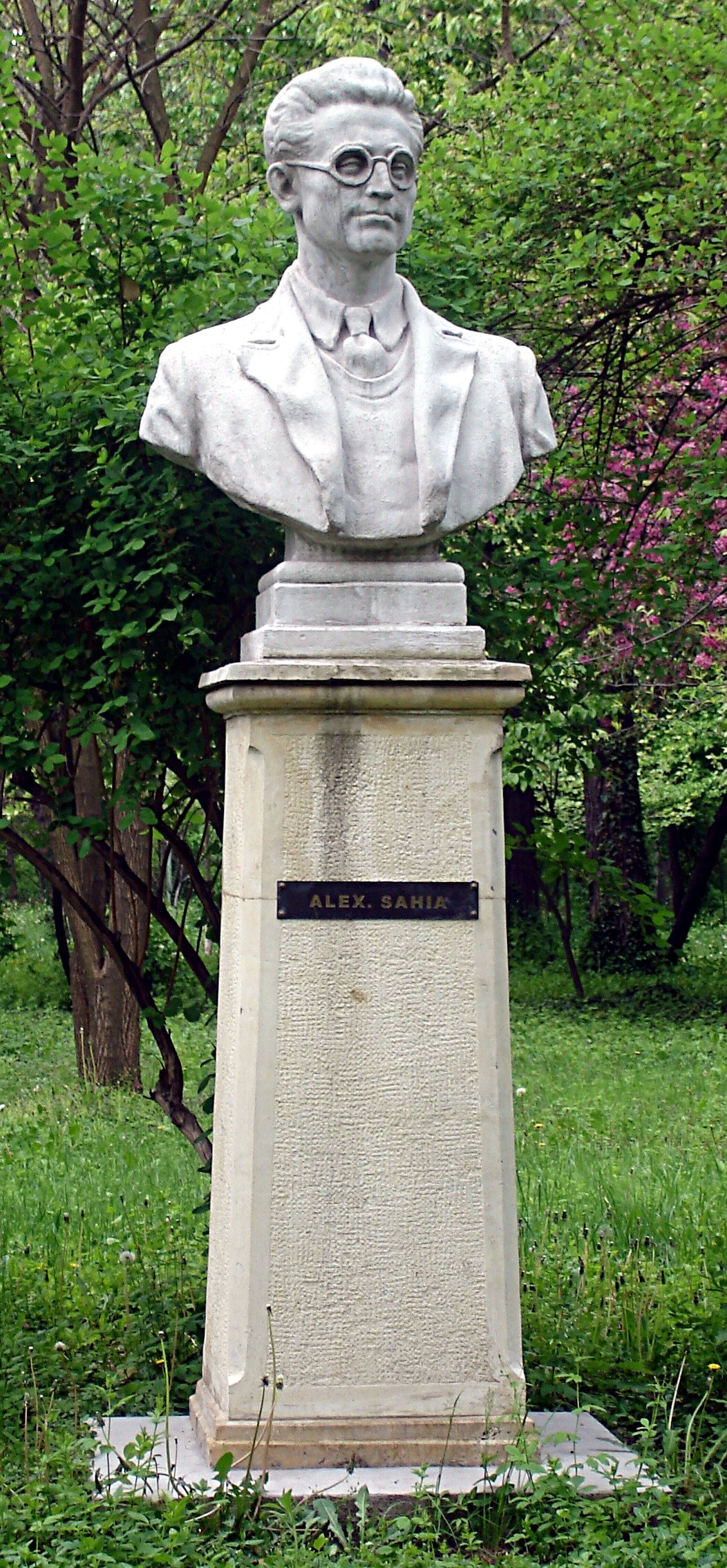
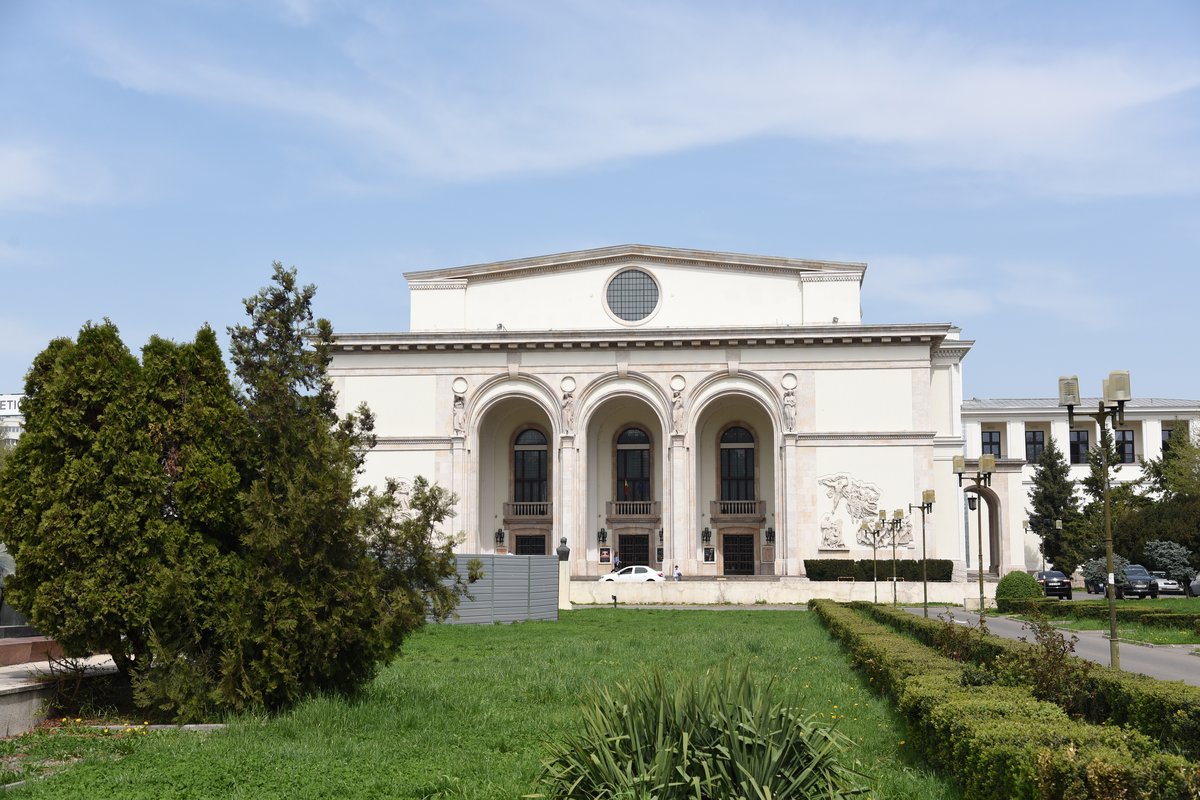
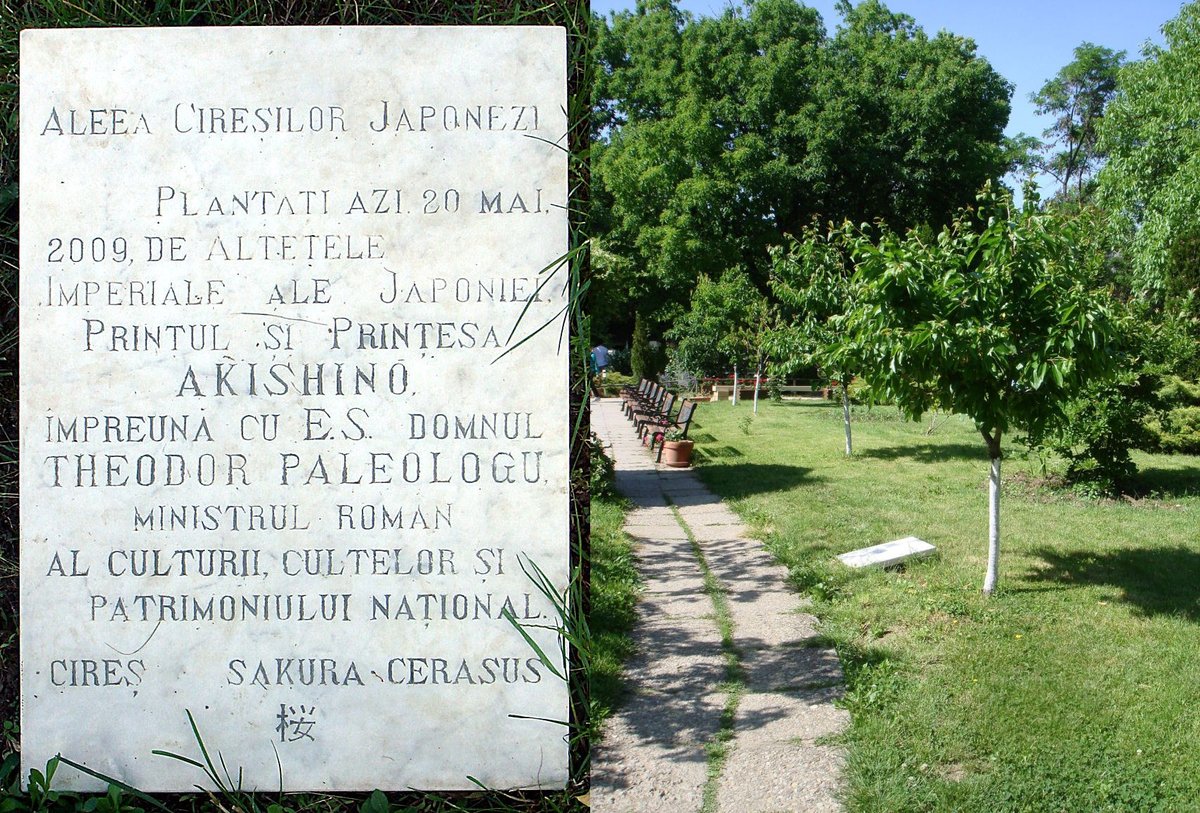
Where to wander, by quarter — each with its own rhythm.
Before you go
Curated from places in this city. Same price as official sites.


Prices shown are indicative — final pricing and availability are confirmed at checkout. Audiala may receive a commission from bookings made via these links.
From shepherd's clearing to concrete colossus, built and rebuilt from memory
Gumelnița people built their wattle-and-daub huts along the muddy banks. You can still find their dark burnished pottery shards when river levels drop after heavy rains. They left no name for the place—just bones and broken bowls.
A parchment signed September 20th mentions 'the citadel of București' for the first time. Vlad III needed a fortress between the Carpathians and his court at Târgoviște. The wooden palisade stood where today's Strada Franceză meets Lipscani.
Voivode Mircea the Shepherd laid out the first stone princely residence. You can still walk its vaulted cellars, now half-buried beneath a pizzeria. The palace smelled of mutton fat and wet limestone—every floor above burned down at least once.
Constantin Brâncoveanu brought the court permanently to Bucharest. Overnight, carpenters, scribes, and stable boys flooded the muddy lanes. The city doubled in population within five years; rents tripled. Calea Victoriei began as an oak-planked road.
Boyar Iordache Kretzulescu paid for the red-brick church that still watches Revolution Square. Its frescoes took three winters—painters worked by candlelight when daylight failed. The frescoes inside show Bucharest as a walled city surrounded by orchards.
Students and merchants proclaimed a provisional government in the National Theatre ruins. Ottoman troops crushed it in three weeks. The bullet scars on the Metropolitan Church columns were patched with darker stone—you can spot them if the light hits right.
The poet arrived a shy 20-year-old with ink-stained fingers. He wrote 'Luceafărul' in a cheap boarding house on Strada Plantelor, drinking coffee so strong it etched the cup. Bucharest's gaslit chaos became his cosmic loneliness.
Alexandru Ioan Cuza made it official: Bucharest, not Iași, would rule the united principalities. Overnight, diplomats needed hotels, ministers needed offices, and every third storefront became a Viennese café. The first gas lamps flickered on Calea Victoriei that December.
Born in a village north of the city, he absorbed Bucharest's café orchestras and Gypsy fiddlers like oxygen. At 11 he enrolled at the Conservatory; by 16 he'd written his first Romanian Rhapsody. The city taught him that folk music could break your heart with joy.
The circular concert hall took 20 years of penny drives—literally. Schoolchildren donated 'one leu for the Athenaeum' and their coins gilded the ceiling. George Enescu debuted here at 17. The acoustics still make violin strings sound like they're breathing.
German boots marched down Calea Victoriei while ministers fled to Iași. Officers billeted in the Athénée Palace; soldiers chopped up parquet floors for firewood. The occupation lasted two harsh winters—ration bread was half sawdust.
American Liberators dropped 1,500 tonnes on the railway yards. One bomb missed and hit the Armenian quarter—47 houses vanished. The smell of burnt apricot brandy lingered for weeks. The scars on Gara de Nord's facade are still visible if you know where to look.
The postmodern novelist grew up in the concrete jungle of Drumul Taberei. His Bucharest is one of fluorescent-lit trams and balconies dripping wet laundry. 'Orbitor' recreates the city as a kaleidoscope of communist smells—tram brakes, cabbage, cheap cologne.
At 21:22, 7.2 on the Richter scale. The Scala cinema folded like a deck chair, killing 500. Ceaușescu saw the ruins and decided the old city had to go. That night reshaped Bucharest more than any war.
Bulldozers flattened 8 square kilometers—monasteries, synagogues, Belle Époque blocks gone by sunrise. Architects worked under armed guard. The People's House rose 84 meters high, consuming 1 million cubic meters of Transylvanian marble. Twenty thousand people lost their homes.
Ceaușescu's speech crackled through tinny loudspeakers at noon on December 21st. By 12:08 the crowd was booing. By 12:15 the live feed cut to patriotic music. By Christmas Day he was dead, and the balcony where he stood became a shrine of bullet holes.
Fireworks over the Palace of Parliament on January 1st. Within months, budget airlines landed like flocks of metal birds. Old Town basements became craft-beer bars. The city learned to speak English with a Romanian accent.
Indoor fireworks in a basement club killed 64. The protests that followed toppled the government within days. Every October 30th, thousands march carrying phone flashlights. The club's charred doorway on Strada Tăbăcarilor has become a pilgrimage site.
A quiet garden with 64 metal trees—one for each victim—where the old factory walls still smell faintly of smoke. Teenagers leave handwritten notes tucked into bark cracks: 'We won't forget.' The memorial glows at night like embers in a dying fire.
Composer & Violinist · 1881–1955
Lived here 1890s–1946; Philharmonic named after him
He premiered his ‘Romanian Rhapsody’ in the Athenaeum at 18, conducting from the violin stand. Today the same hall rings with his works every September; he’d recognise the acoustics, if not the LED scoreboards.
Communist Leader · 1918–1989
Ordered demolition of one-fifth of historic Bucharest
His last speech on Revolution Square lasted 46 minutes before boos drowned him out. The balcony still exists; taxi drivers point it out without glancing up.
Aviation Pioneer · 1886–1972
Born in Bucharest; airport bears his name
He built the world’s first jet-propelled aircraft in a workshop off Calea Victoriei. Modern travellers land 16 km north of his birthplace, usually unaware why the airport hums with his name.
Writer & Nobel Laureate · 1928–2016
Deported from Sighet; studied in Bucharest post-war
He attended the Jewish literature circle at the university here before emigrating. The house on Strada Anghel Stanciulescu where he once rented a room is still marked only by a fading mezuzah dent.
Where locals actually book dinner — not the tourist menus.
Cabbage rolls the size of Cuban cigars, stuffed with pork, rice, and dill, slow-baked in clay pots until the leaves caramelize. Order with mămăligă (cornmeal mush) and a dollop of sour cream; every grandmother claims hers are smaller, tighter, better.
Grilled ground-meat sausages without casings, served hot off charcoal with mustard and fresh bread. Ten lei buys four at summer kiosks in Herăstrău Park; eat standing, juice running down your wrist.
Piața Victoriei neighborhood spot where the chef cures his own duck pastrami and pairs it with Romanian Pinot Noir. Locals pack the terrace at lunch for the 38-lei three-course menu—reservations via Facebook Messenger, not OpenTable.
Espresso bar inside the white spiral bookstore on Strada Lipscani; order a rosemary lemonade and watch light slice through the 19th-century skylight onto art books below. Quiet enough to overhear pages turning three floors up.
Small things that change how the city treats you.
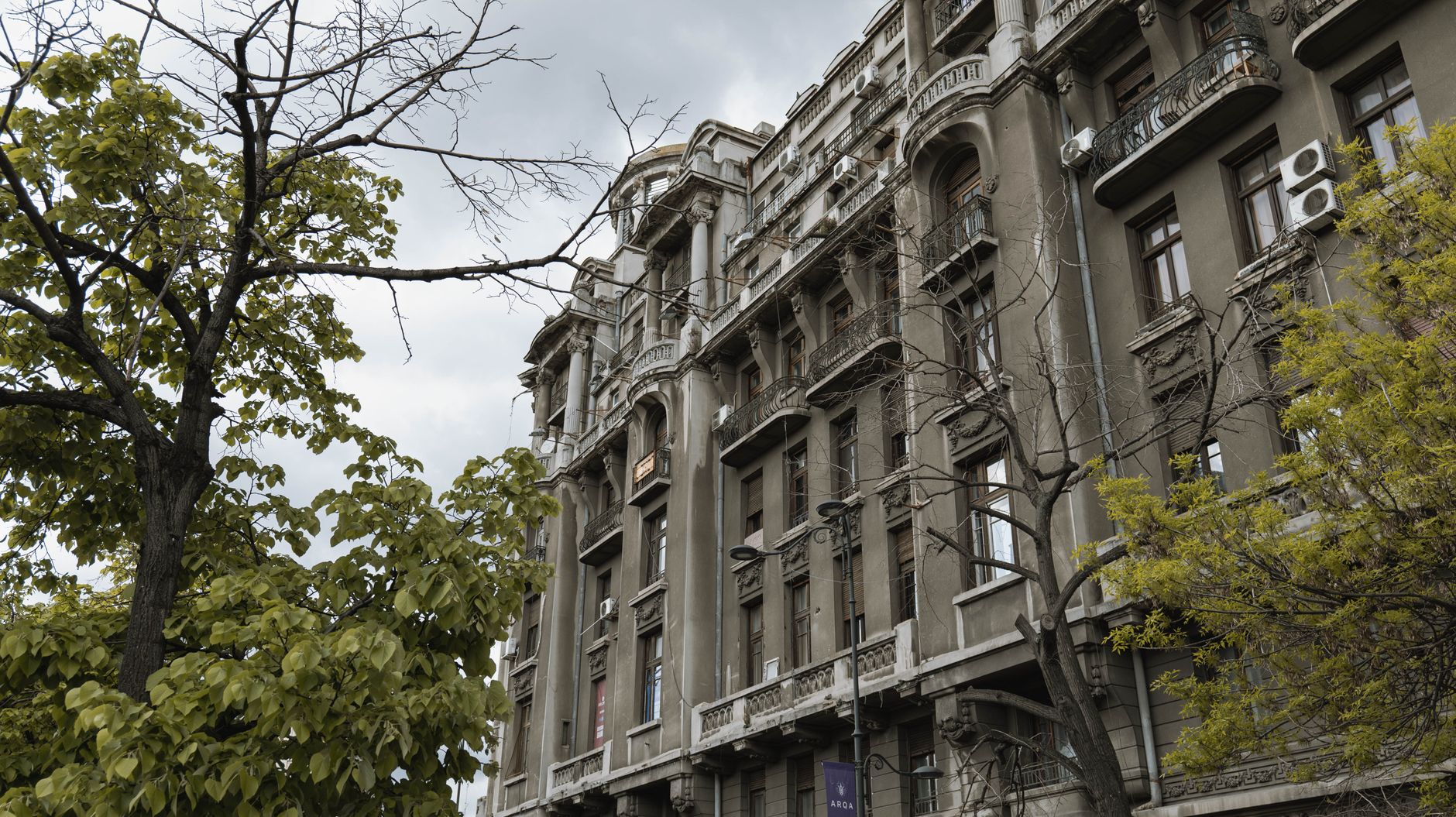
The city, as it actually looks.




Yes, if you like cities that argue with their own past. Belle Époque arcades sit beside Stalinist megablocks, and the nightlife rivals Berlin’s—often at half the cost.
Two full days cover the Parliament, Revolution Square, Old Town and a park. Add a third for day-trips like Peleș Castle or the Transylvanian citadel at Brașov.
Generally yes. Violent crime is rare; pickpockets work crowded buses and Old Town after 2 am. Use ride-hailing apps at night—locals do the same.
Anyone under 40 in the centre speaks it fluently. Metro signage is bilingual; menus in tourist zones are in English. Learn ‘mulțumesc’—thank you—and you’ll get smiles.
No. A good dinner with wine runs 90–120 RON (€18–24). Public transport is 3.50 RON a ride; museum entries 10–40 RON. Even taxis top out at 3.5 RON per km.
Bus 783 runs every 20–30 min, 24 h, from OTP to Piața Unirii in 40 min. Tap your card on board—no separate airport ticket needed.
188 places to discover
Showing 1–48 of 188 places
Saved and recently read places — kept on this device only.
Photos may have been resized or cropped.