Introduction
The Wellington Monument, a towering 62-meter granite obelisk in Dublin's Phoenix Park, stands as a testament to both architectural ambition and historical complexity. Dedicated to Arthur Wellesley, the 1st Duke of Wellington—an Irish-born military leader famed for his victory over Napoleon at the Battle of Waterloo in 1815—the monument offers visitors a unique opportunity to explore Ireland’s layered heritage in one of Europe’s largest urban parks. This comprehensive guide provides historical context, practical visiting information, accessibility details, travel tips, and highlights nearby attractions to help you make the most of your visit (Wikipedia, Irish Times, Phoenix Park official site).
Photo Gallery
Explore Wellington Monument in Pictures
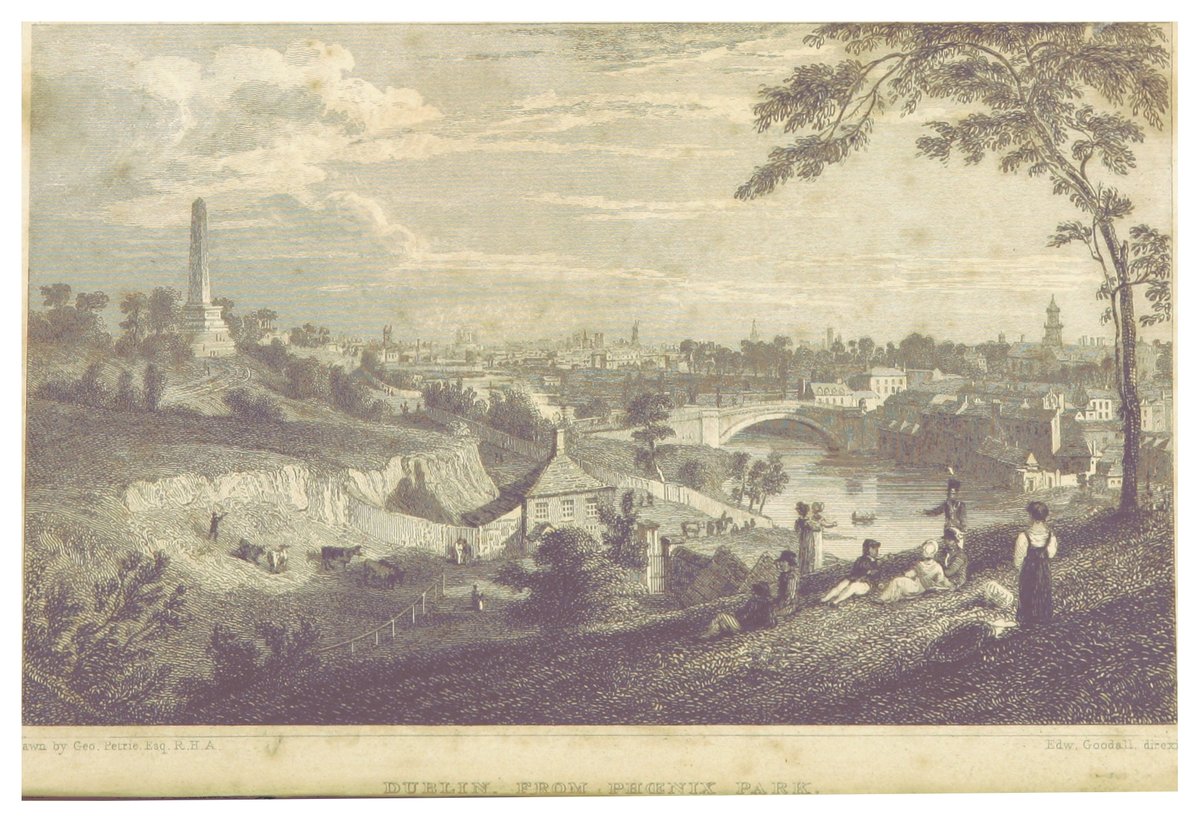
Early 19th century view of Dublin city as seen from Phoenix Park, featuring the urban landscape and notable buildings in 1837
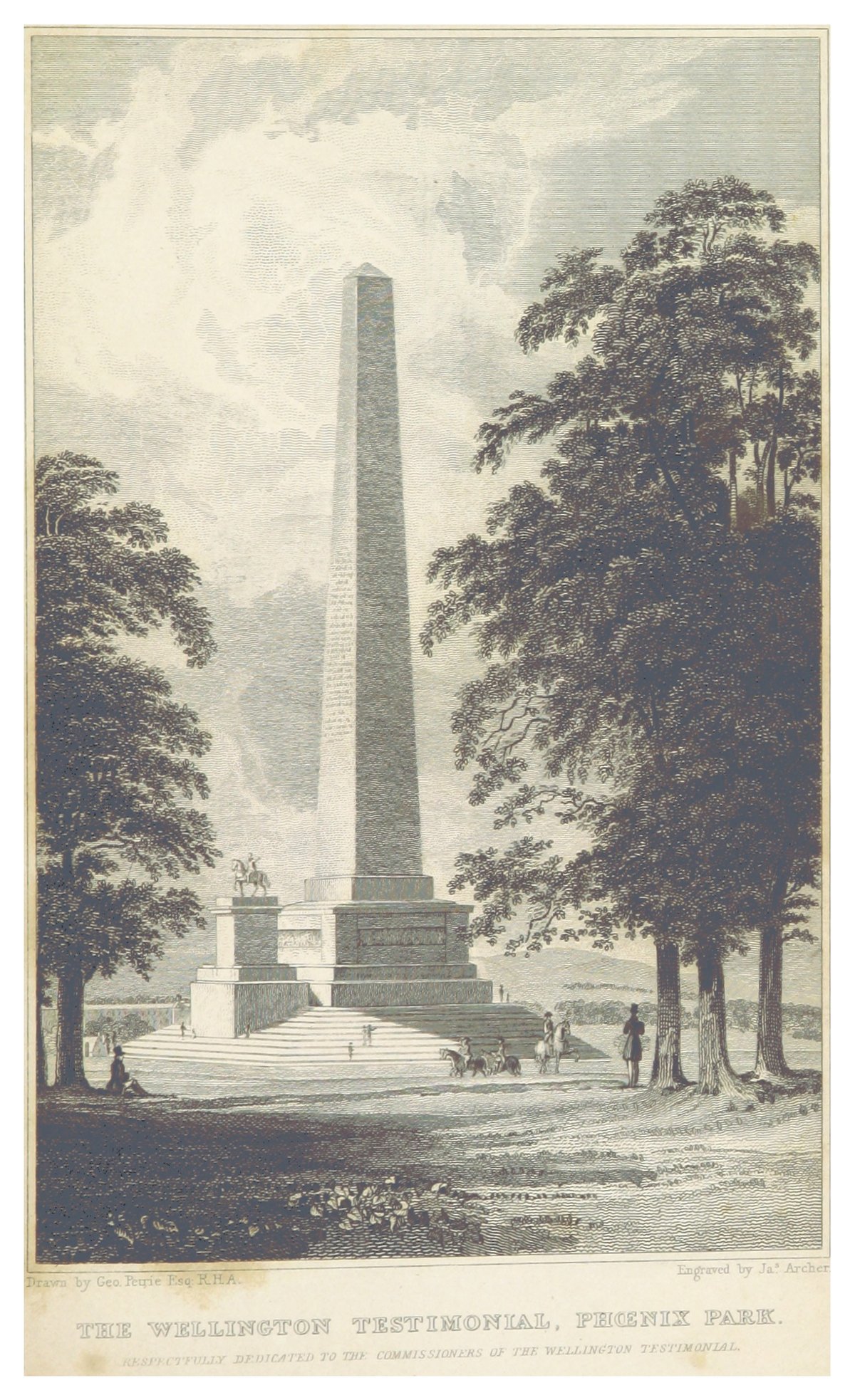
Detailed 1837 illustration showing the Wellington Testimonial monument located in Phoenix Park, Dublin, an important historical site.
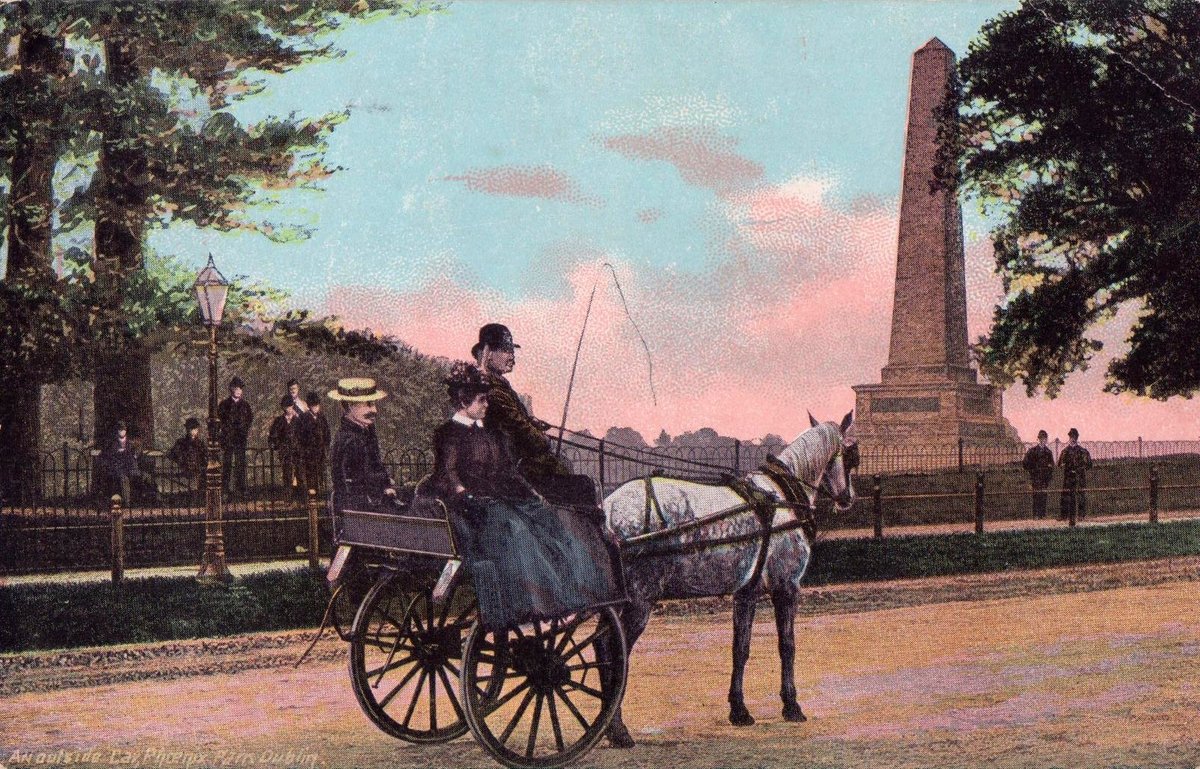
Historical postcard image showing a jaunting car outside in Phoenix Park, Dublin around 1905, published by Chas. L. Reis & Co. in Glasgow, Dublin, Belfast
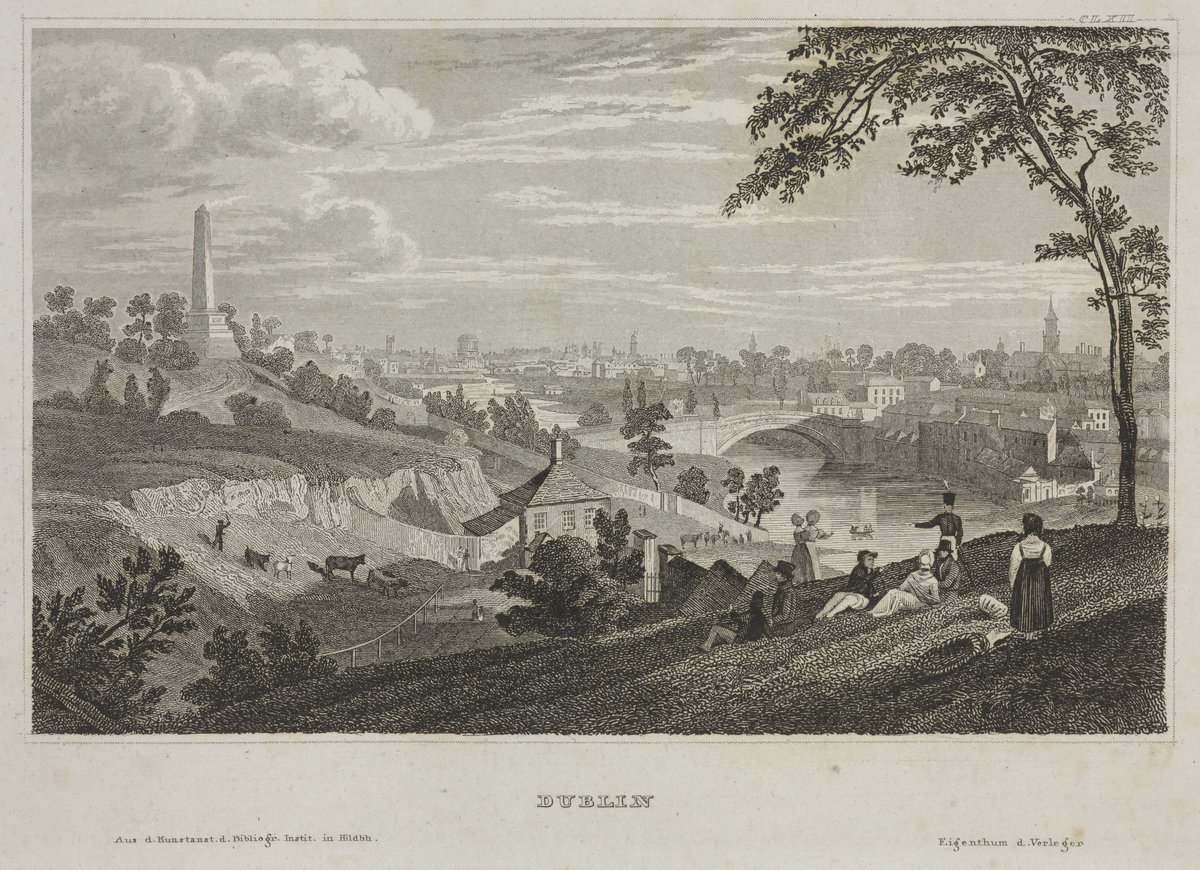
A scenic view of Dublin showcasing the city's iconic architecture and vibrant streets, capturing the essence of Ireland's capital.
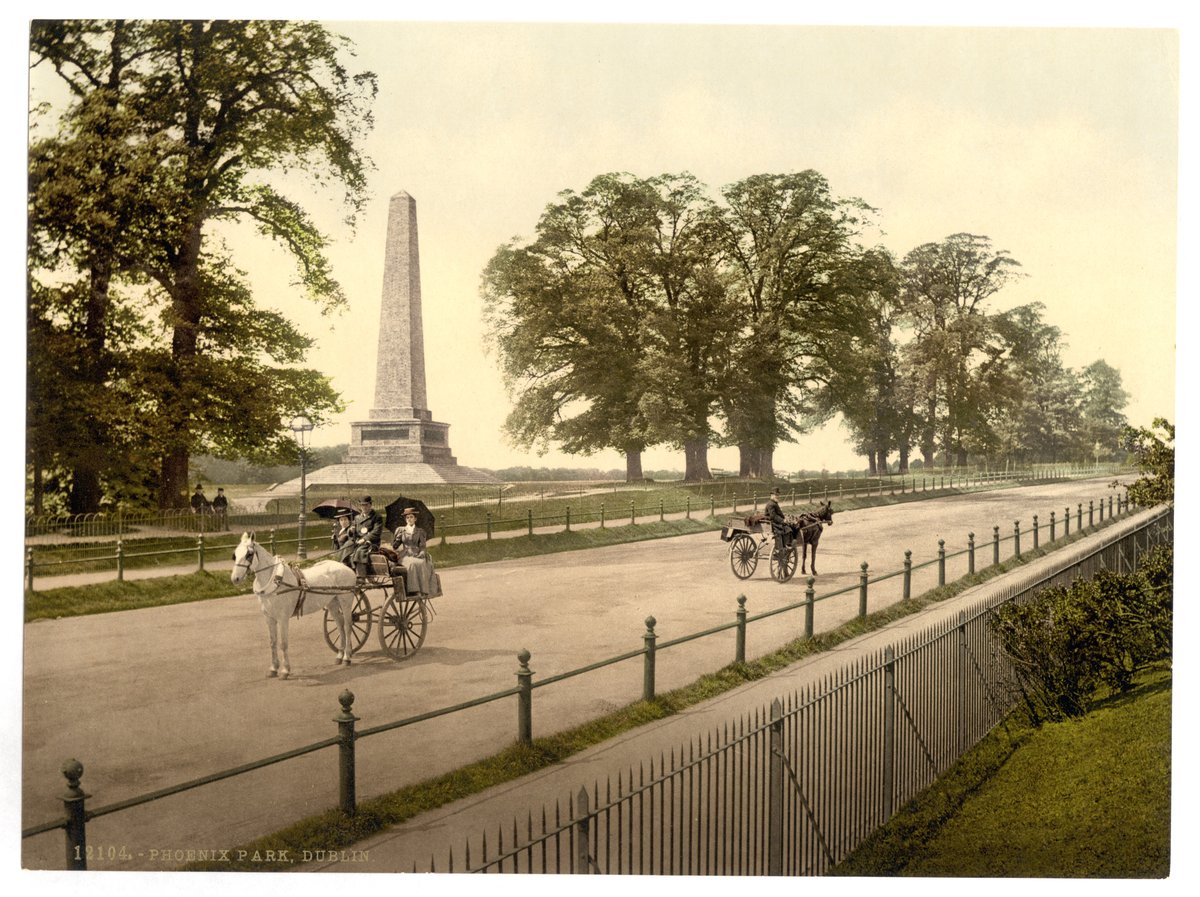
View of the Wellington Monument located in Phoenix Park, Dublin, County Dublin, Ireland, an iconic landmark featured in a print from the Flickr Commons project, 2010.
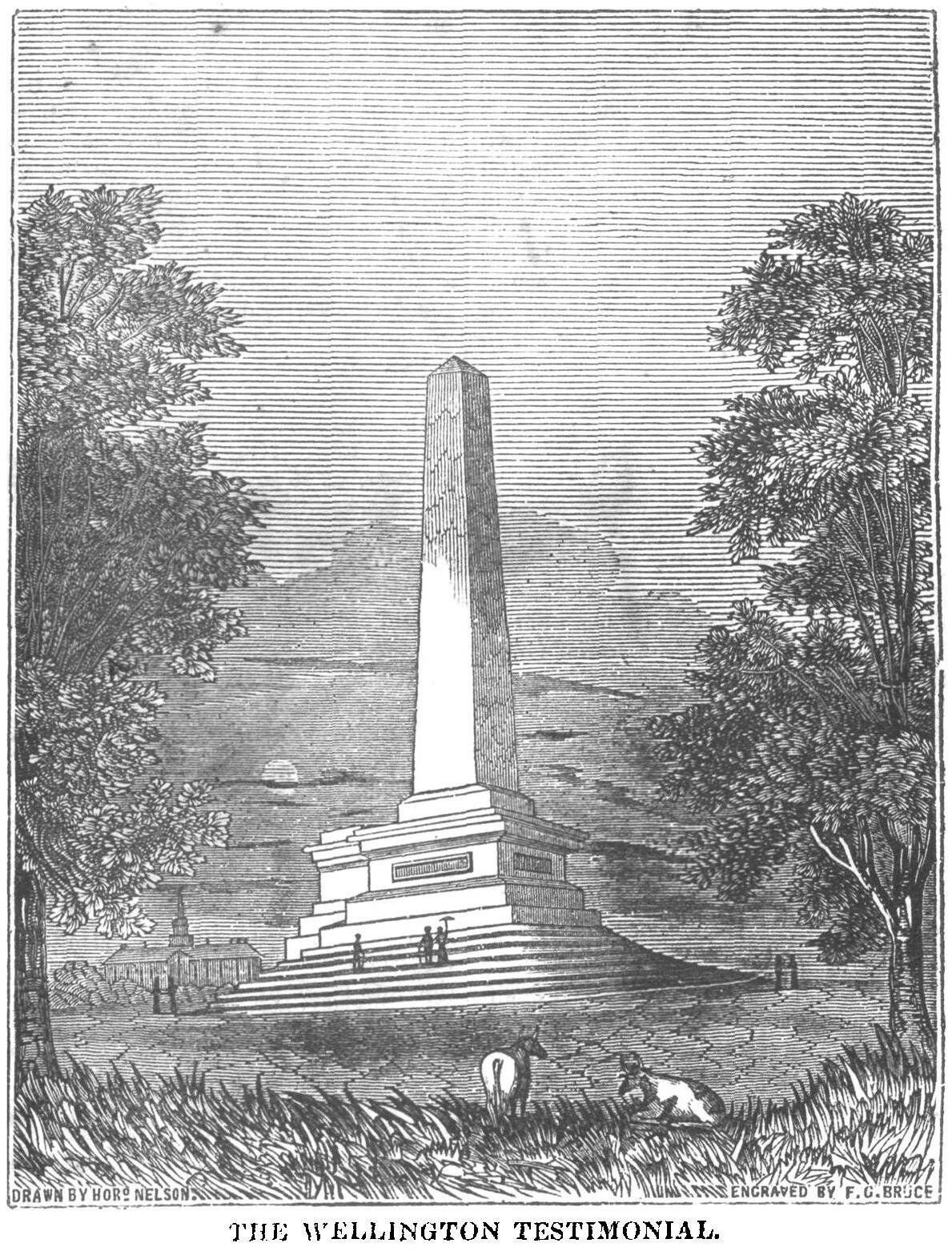
An image depicting The Wellington Testimonial, featured in The Dublin Penny Journal, Volume 3, published in 1835. This historical article is accessible via JSTOR and is part of the Dublin Penny Journal collection.
Historical Background
Origins and Purpose
The Wellington Monument (Irish: Leacht Wellington) was conceived to honor Arthur Wellesley, the 1st Duke of Wellington, whose military triumphs—most notably at Waterloo—had a profound impact on European history. Born in Dublin, Wellington’s legacy is both celebrated and debated in Ireland, reflecting his dual role as a national figure and British statesman (Wikipedia).
Planning, Design, and Construction
After Waterloo, public enthusiasm led to plans for a grand testimonial. The foundation stone was laid in 1817, initially intended for Merrion Square but relocated to Phoenix Park amid local opposition. Sir Robert Smirke, also noted for the British Museum, designed the 62-meter granite obelisk in a neoclassical style inspired by Egyptian antiquity. Funding shortfalls and political ambivalence delayed completion until 1861, nine years after Wellington’s death (Irish Times, Nomads Unveiled).
Artistic Features and Symbolism
Four bronze relief plaques at the base commemorate Wellington’s achievements:
- Civil and Religious Liberty by John Hogan
- Waterloo by Thomas Farrell
- Indian Wars by Joseph Kirk
- A fourth plaque with an inscription celebrating Wellington’s legacy
The plaques were cast from cannons captured at Waterloo, linking the monument directly to the historic events it commemorates (Architecture Travels).
Public Reception and Folklore
The monument’s construction coincided with shifting political sentiments in Ireland. Though originally a symbol of imperial pride, Wellington’s stance against Catholic Emancipation complicated his reputation at home. Over time, the monument has become both a landmark and a subject for debate and satire. Urban legends, such as the myth of a hidden staircase or a trapped butler beneath the structure, add to its mystique (Dublin Live).
Visiting the Wellington Monument
Visiting Hours and Tickets
- Opening Hours: Phoenix Park is open every day, generally from dawn to dusk. The monument is accessible at all times during park hours.
- Tickets: No ticket or admission fee is required; visiting the monument is free (Phoenix Park official site).
Accessibility
- Paths: Paved and suitable for wheelchairs, strollers, and bicycles. The immediate area around the monument is grassy and may be uneven.
- Interior Access: The monument’s interior and viewing platform are not open to the public for safety and preservation reasons.
- Visitor Centre: The Phoenix Park Visitor Centre, located about 1.5 km away, offers restrooms, a café, exhibitions, and accessible facilities (Phoenix Park official site).
Getting There
- By Bus: Several Dublin Bus routes stop near the park’s main entrance.
- By Train: Heuston Station is a 10-minute walk from the monument.
- By Bike: Bike rentals are available at the park entrance, and cycling is a popular way to explore.
- By Car: Multiple car parks are available within Phoenix Park; the nearest is at the main entrance (The Tour Guy).
Facilities and Amenities
- Restrooms and a café are available at the Visitor Centre.
- Benches and lawns around the monument are ideal for picnics and relaxation.
- Public toilets are also located at various park points.
- There are no souvenir shops at the monument itself, but the Visitor Centre stocks books and gifts related to Phoenix Park and Dublin’s history.
Photography and Events
- The monument’s silhouette is especially photogenic at sunrise and sunset.
- The area is popular for community events, charity runs, and outdoor yoga sessions.
- Check the Phoenix Park events calendar for up-to-date listings.
Safety and Etiquette
- The monument is unsupervised; visitors are responsible for their own safety.
- Climbing the monument is strictly prohibited.
- Dogs are welcome but should be kept on a leash near wildlife.
- Cyclists and joggers use the same paths—be aware of your surroundings.
Nearby Attractions
- Phoenix Park Visitor Centre & Ashtown Castle: Exhibitions, tours, and café.
- Dublin Zoo: One of the world’s oldest zoos.
- Áras an Uachtaráin: The President of Ireland’s residence (tours available on Saturdays).
- Victorian People’s Flower Gardens: Landscaped gardens near the main entrance.
- Magazine Fort: Historic military site (check for tour availability).
- Irish National War Memorial Gardens: A short walk from the monument (Trek Zone).
- Guinness Storehouse and Kilmainham Gaol: Both within walking distance for a full day of Dublin history (Dublin Guide).
Frequently Asked Questions (FAQ)
Q: Do I need a ticket to visit the Wellington Monument?
A: No, the monument and Phoenix Park are free to visit.
Q: What are the opening hours?
A: Phoenix Park is open from dawn until dusk, year-round.
Q: Is the monument accessible for wheelchair users?
A: Yes, the paths are paved and suitable for wheelchairs, though the steps around the monument itself are not accessible.
Q: Can I climb or enter the Wellington Monument?
A: No, interior access is currently restricted for safety reasons.
Q: Are guided tours available?
A: Walking tours of Phoenix Park that include the monument are available via the Visitor Centre.
Q: What is the best time to visit?
A: Early mornings and late afternoons are quieter and offer the best light for photography.
Listen to the full story in the app
Your Personal Curator, in Your Pocket.
Audio guides for 1,100+ cities across 96 countries. History, stories, and local insight — offline ready.
Audiala App
Available on iOS & Android
Join 50k+ Curators
Sources
- verified
- verified
- verified
- verified
- verified
Last reviewed: