Plan and listen to Cathedral Of St Mary And St Anne with Audiala.
Audio guide in your pocket, itinerary in your browser. Built for the way you actually visit.
Introduction
Nestled in Cork’s historic Shandon district, the Cathedral of St Mary and St Anne—often called the North Cathedral—stands as a living testament to Ireland’s religious resilience and cultural vibrancy. Established during the early 19th century as one of the first post-Penal Law Catholic cathedrals, it is the mother church for the Diocese of Cork and Ross and a cornerstone of the city’s spiritual and architectural heritage (GPSmyCity; tomsean.com). This guide offers a detailed overview of the cathedral’s history, architectural features, cultural significance, visiting hours, ticketing, accessibility, and nearby Cork attractions.
Historical Origins and Foundation
The Cathedral of St Mary and St Anne traces its origins to a pivotal era for Ireland’s Catholic community. The original chapel, built in 1730 by Bishop Tadhg McCarthy, was a “large and sumptuous Mass-house”—a bold assertion of faith during the harsh Penal Laws (tomsean.com). Construction of the present cathedral began in 1799 under Bishop Francis Moylan, with its foundation stone laid in 1808. Its dedication to the Blessed Virgin Mary and St Anne reflects deep Marian devotion and a commitment to religious renewal following centuries of persecution.
Architectural Evolution and Features
After a devastating fire in 1820, the cathedral underwent significant reconstruction in the Gothic Revival style. The 1860s saw further enhancements by architect George Goldie, including a new sanctuary, side chapels, and the iconic spire that now dominates Cork’s skyline. The five-stage western tower—completed in 1869 by John Benson—stands 152 feet tall, deliberately surpassing nearby St Anne’s Church, and houses nine bells installed in 1870 (Trip.com).
Inside, visitors will find:
- Stained glass windows depicting biblical scenes and saints
- Marble altars and pulpits showcasing local and imported craftsmanship
- Historic pipe organ and intricate woodwork
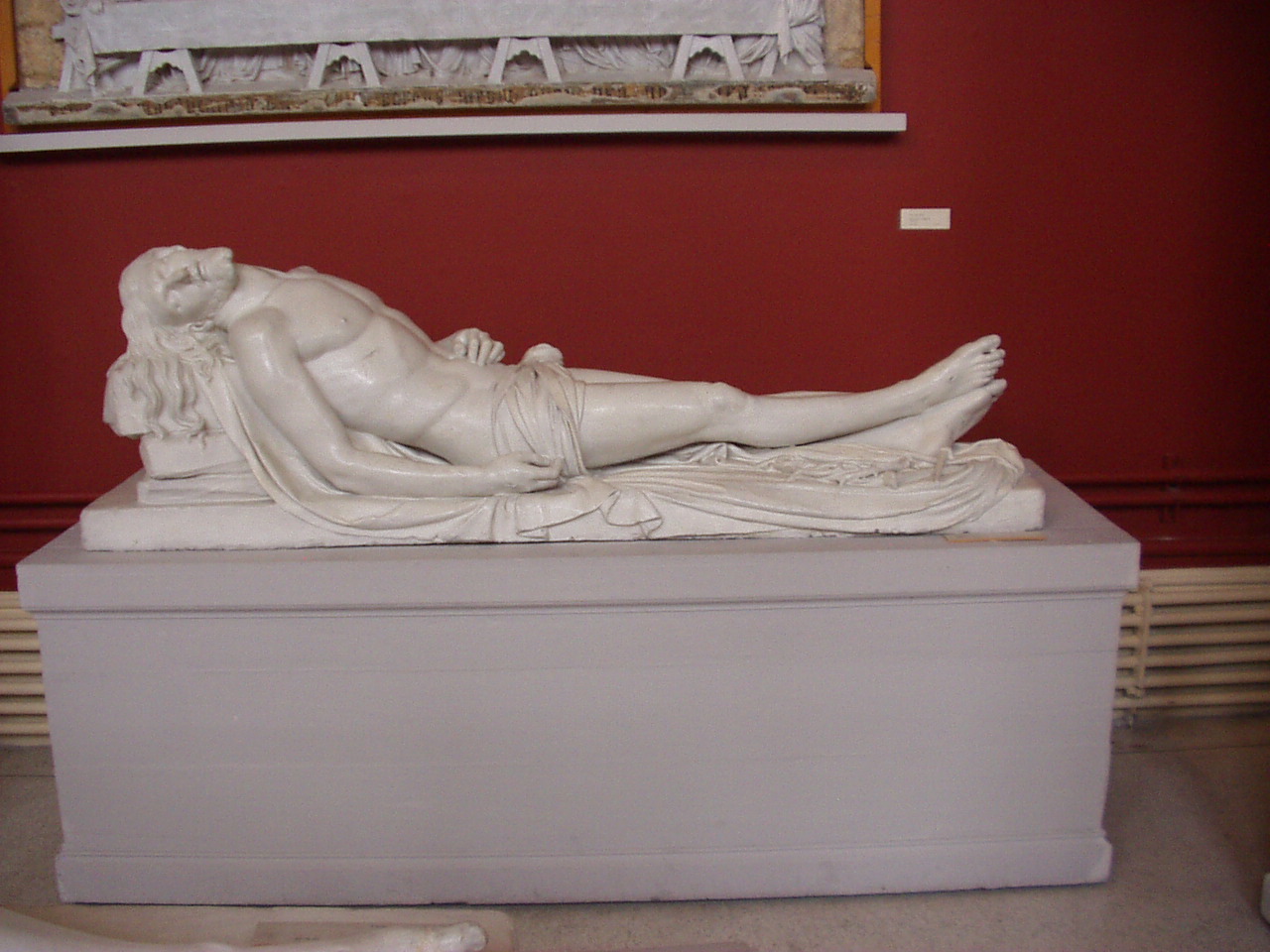
- 27 pine statues by John Hogan, now displayed in the nave’s clerestory
- Contemporary art in the Lady Chapel by Patrick Pye
The recently restored bells and the original 1730 foundation stone connect today’s visitors to centuries of worship and community life.
Cultural and Religious Significance
As the seat of the Bishop of Cork and Ross, the cathedral is central to the city’s Catholic identity. It hosts major diocesan liturgies, ordinations, jubilees, and multicultural events, embracing Cork’s growing diversity. The cathedral is also a place of social outreach, with historical ties to figures like Nano Nagle and the Presentation Sisters, and remains active in supporting immigrant communities and livestreaming services (Cork and Ross Diocese).
Notably, the cathedral played a pivotal role in the 2025 launch of Pope Francis’s Jubilee Year of Hope and regularly welcomes significant pilgrimages, such as the 2024 exhibition of the relics of St Bernadette (Cork and Ross Diocese).
Visiting Information
Hours and Admission
- Monday–Saturday: 9:00 am – 5:00 pm
- Sunday: 10:00 am – 6:00 pm
- Entry: Free (donations appreciated for maintenance and community programs)
Hours may vary during religious holidays and special events—check the official website for updates.
Guided Tours and Accessibility
- Guided Tours: Available by advance booking or on-site (subject to availability). Tours cover history, architecture, and art.
- Accessibility: Main areas and the visitor centre are wheelchair accessible; ramps and hearing-assist loops are provided. The tower climb, involving narrow stairs, is not suitable for those with mobility issues or a fear of heights.
Travel Tips and Nearby Attractions
The cathedral is centrally located at Cathedral Street, Shandon, Cork City (T23 NX76), within walking distance of:
- Shandon Bells & Tower (St Anne’s Church)
- Cork Butter Museum
- English Market
- St Fin Barre’s Cathedral
- Cork City Gaol
- Elizabeth Fort
Public transport serves the city centre, and the area is well signposted for easy navigation.
Key Events and Milestones
- 1820 Fire and Reconstruction: Marked the start of the cathedral’s Gothic Revival transformation.
- 19th-century Enhancements: Addition of the spire, bells, and further artistic works.
- Jubilee Celebrations and Pilgrimages: Including the annual Holy Thursday pilgrimage and recent display of St Bernadette’s relics.
- Community Engagement: Hosting diverse cultural celebrations and aiding the city’s social initiatives.
Visitor Amenities
- Restrooms: Located in the visitor centre
- Gift Shop: Religious items, books, and local souvenirs
- Quiet Spaces: Side chapels for reflection and prayer
- Photography: Permitted (no flash; be respectful during services)
- Visitor Centre: Features exhibitions from the Cork Folklore Project and multimedia presentations on social history
Frequently Asked Questions (FAQ)
Q: What are the Cathedral’s visiting hours?
A: Monday–Saturday 9:00 am–5:00 pm; Sunday 10:00 am–6:00 pm. Check the official website for updates.
Q: Is there an entry fee or do I need a ticket?
A: No, entry is free; donations are appreciated.
Q: Can I climb the tower?
A: Yes, but the climb is physically demanding and not accessible to all.
Q: Are guided tours offered?
A: Yes, by appointment or on-site (subject to availability).
Q: Is the cathedral wheelchair accessible?
A: The main areas and visitor centre are accessible; the tower is not.
Q: What are some nearby historical sites?
A: Shandon Bells & Tower, Cork Butter Museum, English Market, St Fin Barre’s Cathedral, Cork City Gaol, and Elizabeth Fort.
Contact Information
- Parish Office: +353 21 430 4325
- Email: Via the official website
Summary
The North Cathedral is a beacon of hope, architectural beauty, and spiritual life in Cork. Its open-door policy, free admission, and central location make it accessible to all. Thoughtful guided tours, a welcoming community, and proximity to other historical sites ensure an enriching visit. Prepare ahead using official sources and explore virtual content for the fullest experience (GPSmyCity; Cork and Ross Diocese; corkcathedralfop.ie; tomsean.com; Trip.com).
Listen to the full story in the app
The whole Cathedral Of St Mary And St Anne,
told well.
Audio guides for 1,100+ cities across 96 countries. History, stories, and local insight — offline ready.

Verified, and shown.
Researched and written by the Audiala editorial team from historical records, architectural archives, and local expertise.
Last reviewed