Introduction
Ribeira, the historic heart of Porto, Portugal, is a living tapestry of two millennia of culture, commerce, and urban evolution. Recognized as a UNESCO World Heritage Site since 1996, its winding cobbled streets, pastel-hued facades, and vibrant riverfront tell the story of Porto’s transformation from Roman Portus Cale to a bustling commercial epicenter (UNESCO World Heritage Centre). This guide provides comprehensive information on Ribeira’s historical highlights, visiting hours, ticketing options, accessibility, local cuisine, nightlife, and essential travel tips—ensuring you make the most of your Porto experience.
Photo Gallery
Explore Ribeira in Pictures
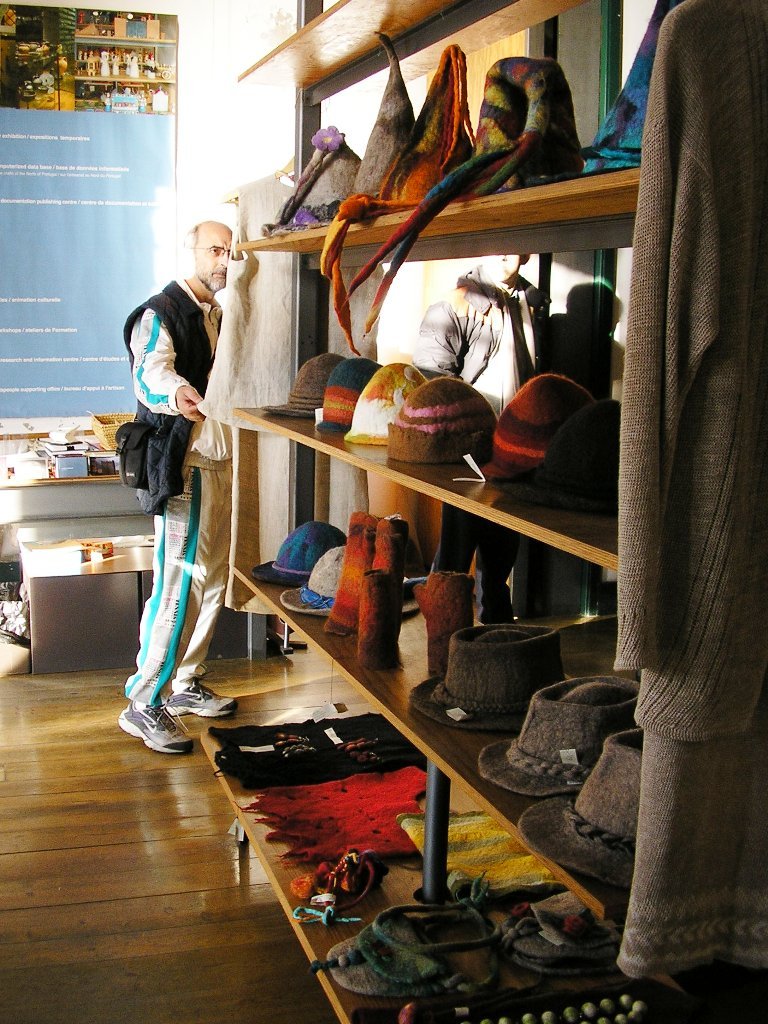
Exterior view of the CRAT shop in Porto, Portugal with green storefront and several bicycles parked outside
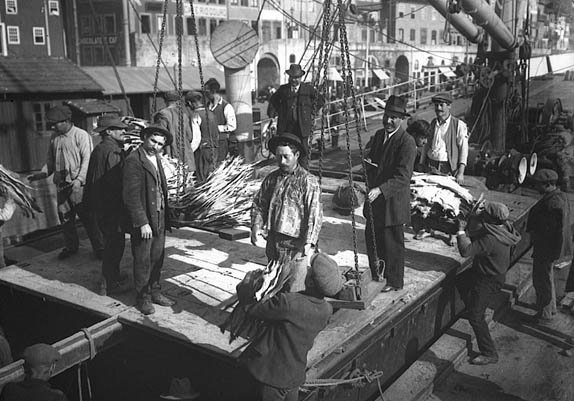
Aerial view of workers unloading salted cod fish at a busy harbor port with boats and wooden crates, showcasing traditional fishing industry activities.
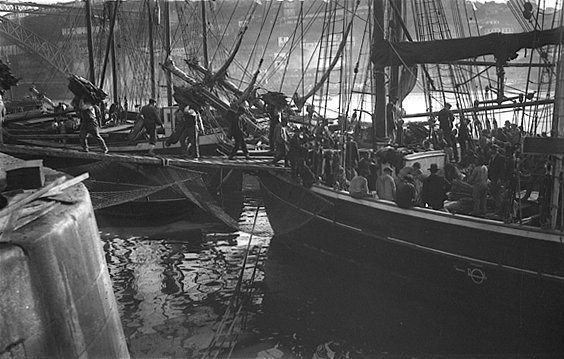
Vintage black and white illustration depicting the unloading of cod fish at Porto harbor with workers and boats in the background
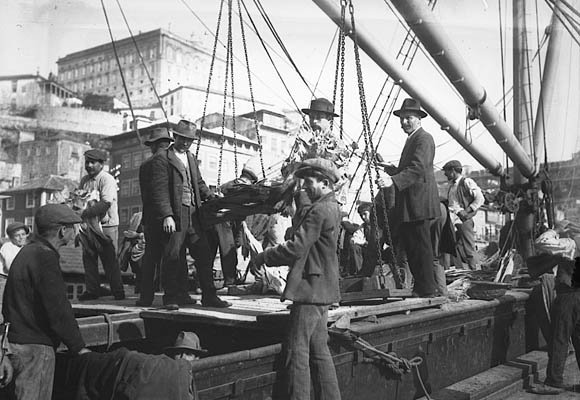
Fish market workers unloading large cod fish at the dock in the Port of Porto, showcasing traditional fishing industry activities.
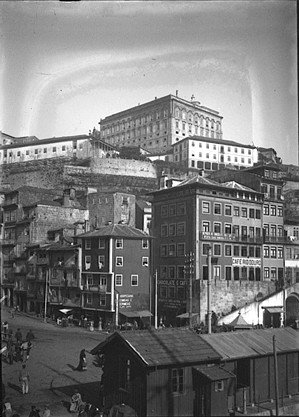
The Palais Episcopal in Porto, a historic episcopal palace showcasing classical architecture, located in Porto, Portugal.

Scenic sunset capturing the Serra do Pilar monastery and iconic Dom Luís I iron bridge over Douro River in Porto, Portugal
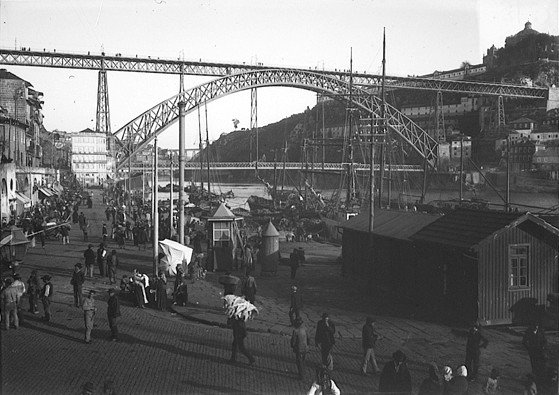
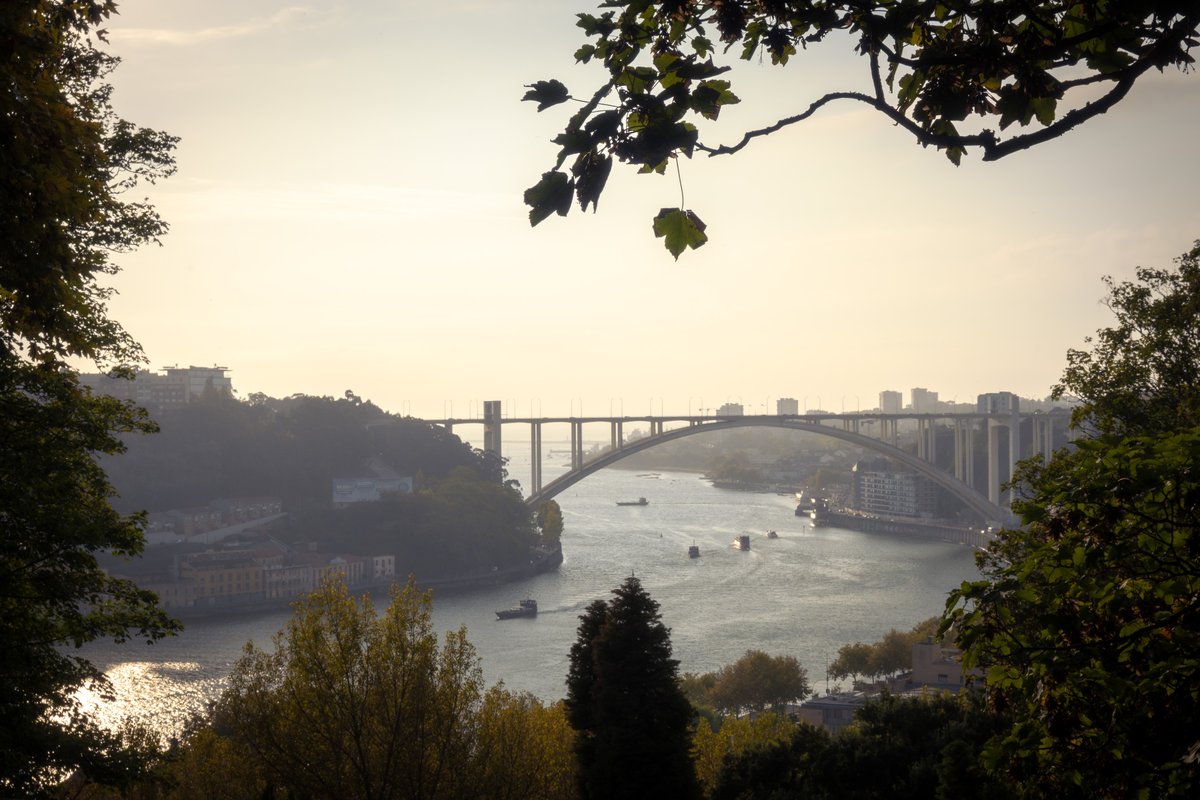
Scenic view of a bridge crossing the Douro River in Porto, Portugal, with boats docked at the port and historic buildings lining the riverbank under a cloudy sky
UNESCO World Heritage Status and Urban Landscape
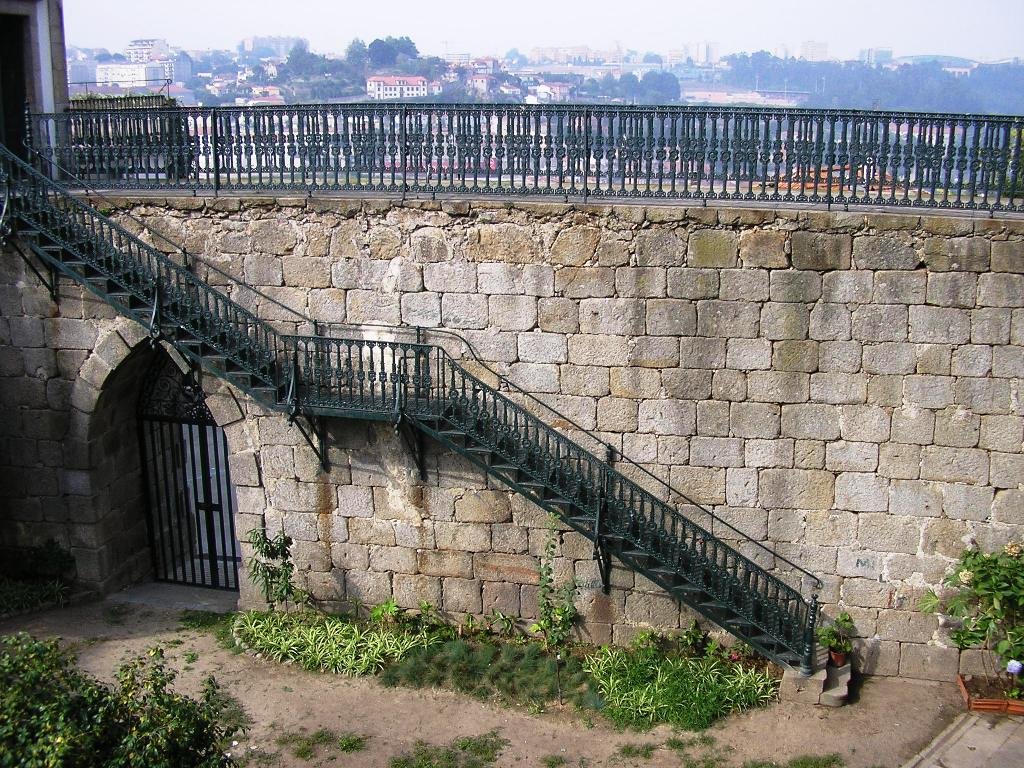
Ribeira is Porto’s oldest district, awarded UNESCO World Heritage status in 1996 alongside the Dom Luís I Bridge and Serra do Pilar Monastery (UNESCO). Its urban landscape is a blend of Romanesque, Gothic, Baroque, Neoclassical, and contemporary elements, reflecting Porto’s continuous occupation and dynamic history (City Guide Porto). The district’s steep, labyrinthine alleys and irregular squares cascade toward the Douro River, offering a unique pedestrian experience (The Broke Backpacker).
Historical Evolution and Architectural Heritage
Roman and Medieval Roots
Ribeira’s origins trace back to Roman Portus Cale, from which Portugal takes its name (The Collector). In the Middle Ages, it was the city’s commercial and manufacturing center, with the riverfront facilitating trade and growth (Bellavita Travels). Many streets and buildings retain medieval foundations and layouts.
Resilience and Restoration
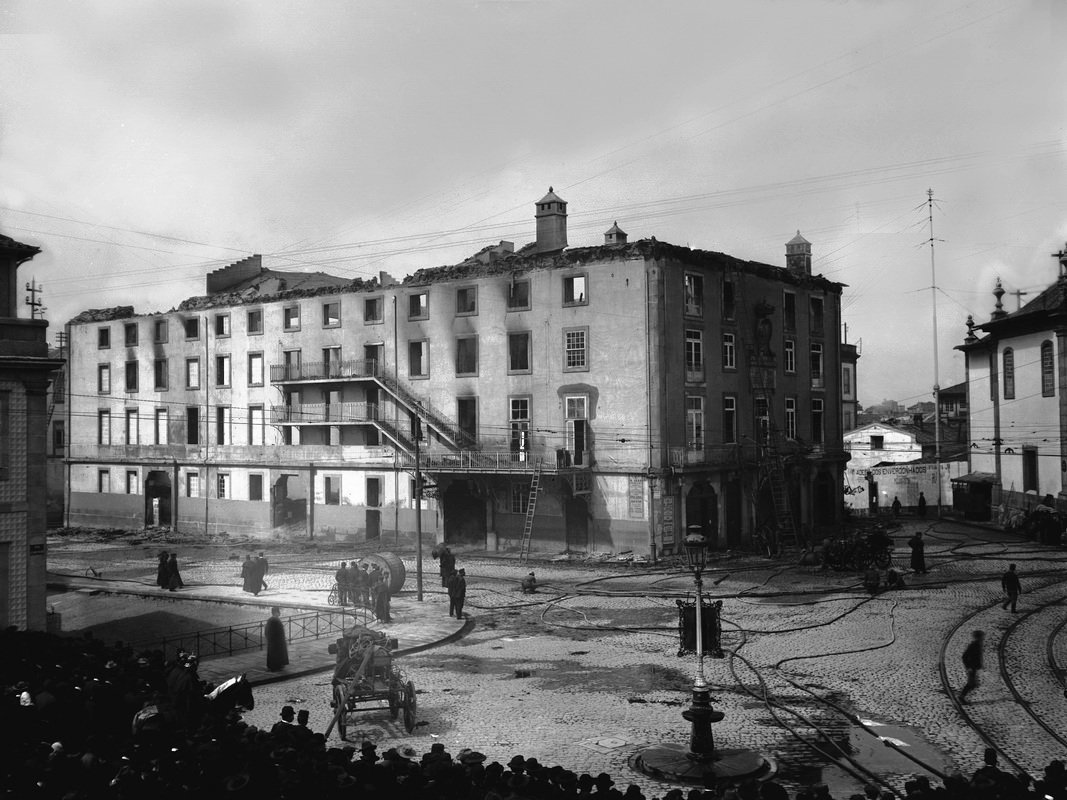
Despite fires, wars, and urban change, Ribeira’s core architecture has survived. Restoration efforts since the 1980s have maintained its authenticity while enhancing livability, culminating in its UNESCO designation (ArchDaily).
Architectural Highlights
- Porto Cathedral (Sé do Porto): Romanesque with Gothic and Baroque additions, featuring cloisters with azulejos (Nannybag).
- Dom Luís I Bridge: 19th-century double-deck iron bridge designed by a pupil of Gustave Eiffel (Nannybag).
- Palácio da Bolsa: Neoclassical former stock exchange, renowned for its ornate interiors (Porto Guide).
- Igreja de São Francisco: Gothic structure with a lavish Baroque interior (Porto Guide).
- Casa do Infante: Museum and birthplace of Prince Henry the Navigator (Porto Travel).
Cultural Significance and Living Traditions
Port Wine Legacy
Ribeira’s riverfront was historically the hub for transporting port wine barrels to the cellars of Vila Nova de Gaia. Today, visitors can sample this heritage in nearby tasting rooms and cellars (Porto Guide).
Festivals and Nightlife
The district is famous for the São João Festival (June 23rd–24th), featuring fireworks, music, and lively street parties (JourneyCompass). Nightlife thrives with riverside bars, live music, and Fado performances (Bellavita Travels).
Key Sites and Experiences
Praça da Ribeira & Cais da Ribeira
- Praça da Ribeira: Lively main square, lined with arcaded houses and bustling cafés (Bellavita Travels).
- Cais da Ribeira: Picturesque promenade along the Douro, perfect for dining, strolling, and photography (Porto Walkers).
Palácio da Bolsa & Church of São Francisco
- Palácio da Bolsa:
- Hours: Mon–Fri 9:00–18:30; Sat 9:00–13:00; closed Sundays/holidays.
- Tickets: €10 (€5 for seniors/students); guided tour required (Lonely Planet).
- Church of São Francisco:
- Hours: Daily 9:00–19:00.
- Tickets: €8; includes crypt and museum (Lisbon Guide).
Viewpoints and Walking Routes
Ribeira’s steep streets offer panoramic vistas—particularly from Sé Cathedral and the upper deck of the Dom Luís I Bridge (City Guide Porto).
Practical Visitor Information
Visiting Hours & Tickets
- Public spaces: Open 24/7.
- Major monuments: Generally 9:00–19:00; check official sites for updates.
- Tickets: Most monuments require paid entry (€5–€12); Dom Luís I Bridge is free.
- Guided tours: Recommended for Palácio da Bolsa and port wine cellars—book in advance, especially during peak seasons.
Accessibility
Ribeira’s cobbled, steep streets can be challenging. A free public elevator connects the riverfront to the upper town and Sé Cathedral. Some attractions offer wheelchair access; verify in advance (City Guide Porto).
Getting There & Getting Around
- From the airport: Taxi (25–30 min, €20–€30) or Metro to São Bento, then a 10-minute walk (Porto-North-Portugal.com).
- Within Porto: Walk or take trams/buses as most attractions are nearby.
Dining and Shopping
Ribeira offers a range of restaurants and traditional tascas serving specialities like francesinha, bacalhau, and petiscos. Prices for main courses range from €12–€40. Reservations are advised for dinner and peak periods (Bellavita Travels). Local shops sell crafts and souvenirs.
Safety and Atmosphere
Ribeira is generally safe, but pickpocketing can occur in crowded spots. Take standard precautions and keep valuables secure (Travellers Worldwide).
Nearby Attractions & Day Trips
- Port Wine Cellars (Vila Nova de Gaia): Just across the Dom Luís I Bridge, renowned for their tours and tastings (Portugal Portfolio).
- Clérigos Tower, Livraria Lello, São Bento Station: All within walking distance.
- Douro Valley: Scenic wine region accessible via train or guided tour.
- Matosinhos: Seaside town famous for seafood, easily reached by Metro (Portugal Portfolio).
- Braga and Guimarães: Historic cities and UNESCO sites, ideal for day trips (Hungry Pursuit).
Festivals & Events
- São João Festival (June 23–24): Porto’s most important celebration, with fireworks, music, and street festivities (JourneyCompass).
- Other events: Porto Fashion Week, International Film Festival, and seasonal markets.
Travel Tips & FAQs
Best Time to Visit
Late spring (May–June) and early autumn (September–October) offer pleasant weather and moderate crowds. Summer is vibrant but busier and more expensive (Destination Abroad).
Language & Currency
Portuguese is the official language; English is widely spoken in tourist areas. Currency: Euro (€). Credit cards are accepted, but carry cash for small purchases.
Weather
Porto’s climate is mild but can be rainy, especially October–March. Summer temperatures average 18–25°C (64–77°F); pack a rain jacket or umbrella just in case.
Accessibility
Some areas are steep and cobbled. The public elevator and certain attractions have step-free access (JourneyCompass).
Safety
Porto is safe for tourists. Stay vigilant for pickpockets in busy spots, especially around Praça da Ribeira and the Dom Luís I Bridge (Travellers Worldwide).
Budgeting
- Porto Card: Offers free/discounted museum entry and public transport (Pass to Portugal).
- Free sights: Praça da Ribeira, riverfront, Dom Luís I Bridge.
- Affordable dining: Seek out tascas for authentic, budget-friendly meals.
Packing Essentials
- Comfortable walking shoes, rain jacket, sun protection, and European plug adapter.
FAQs
Q: What are Ribeira’s visiting hours?
A: The district is open 24/7; monuments generally 9:00–19:00.
Q: Do I need tickets for attractions?
A: Yes, for most monuments (€5–€12), but public spaces and the bridge are free.
Q: Is Ribeira Porto safe?
A: Yes, but use standard precautions for petty theft.
Q: How do I get around?
A: Mostly on foot, with trams and buses for longer distances.
Q: Is Ribeira family-friendly?
A: Yes; river cruises, museums, and parks are great for children (VisitUS.pt).
Summary
Ribeira captures the spirit of Porto, blending history, culture, and daily life along the Douro River. From exploring Porto Cathedral, Palácio da Bolsa, and the Church of São Francisco to savoring local cuisine and vibrant nightlife, Ribeira offers a rich experience for every visitor. Careful preservation and thoughtful urban regeneration have kept its authenticity intact (ArchDaily). For the best experience, plan your visit around festival dates, book tickets in advance, and use resources like the Audiala app for up-to-date information and guided tours.
Visual & Interactive Elements
- Panoramic view of Ribeira and the Douro River
- Close-up of traditional azulejo tiles
- Dom Luís I Bridge at sunset
Explore interactive maps and virtual tours on official tourism websites for trip planning.
Listen to the full story in the app
Your Personal Curator, in Your Pocket.
Audio guides for 1,100+ cities across 96 countries. History, stories, and local insight — offline ready.
Audiala App
Available on iOS & Android
Join 50k+ Curators
Sources
- verified
- verified
- verified
- verified
- verified
- verified
- verified
- verified
- verified
Last reviewed: