Introduction
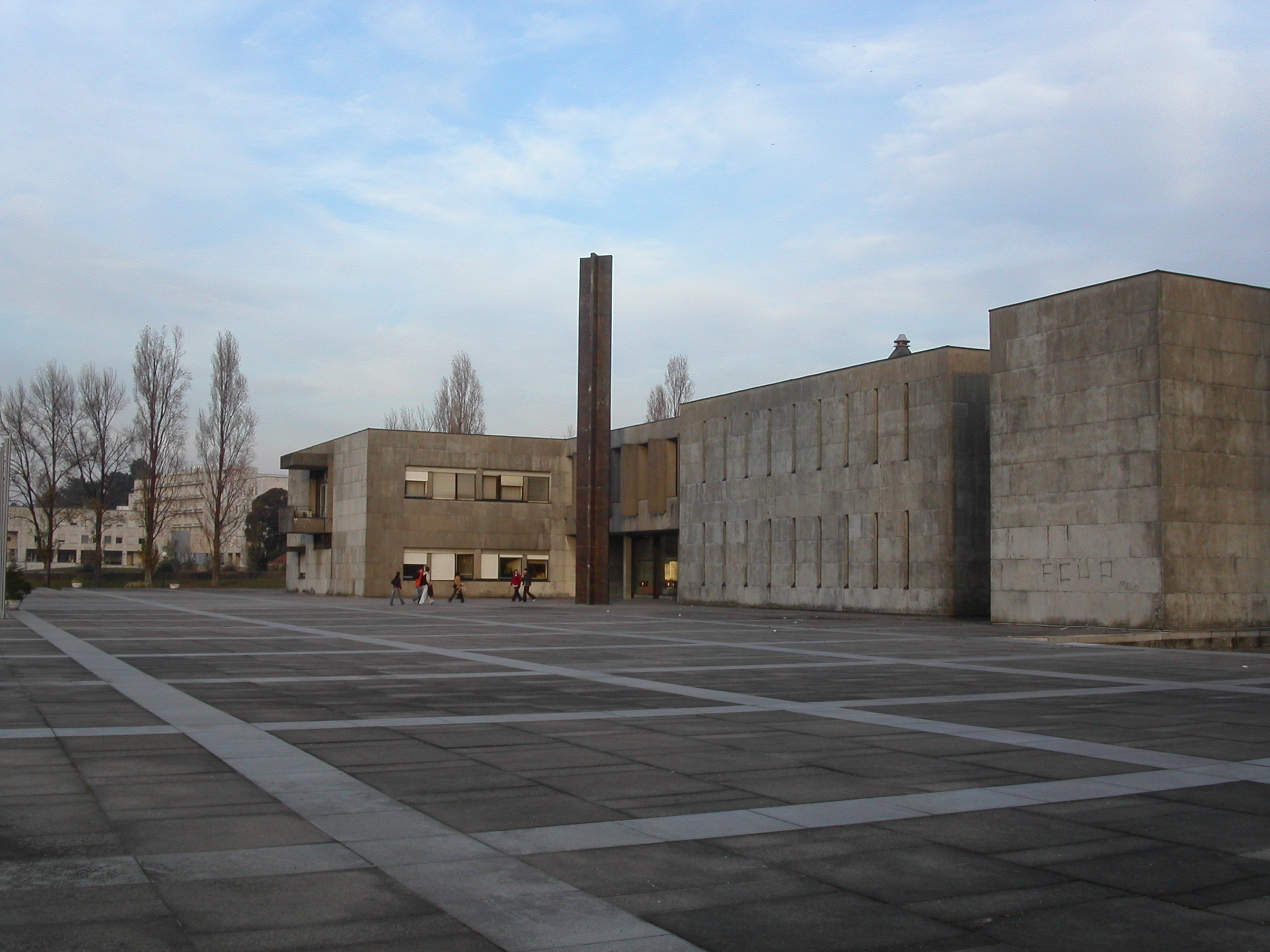
The Porto School of Architecture—officially the Faculty of Architecture of the University of Porto (Faculdade de Arquitectura da Universidade do Porto, FAUP)—is an internationally recognized institution set on a terraced hillside above the Douro River. Designed by Pritzker Prize-winning architect Álvaro Siza Vieira, FAUP stands as both an academic beacon and an architectural landmark, blending modernist principles with Porto’s rich cultural and historical context. This guide is designed for architecture enthusiasts, students, and travelers seeking detailed information on visiting FAUP, understanding its significance, and exploring the city’s broader architectural heritage.
For further exploration, consult the FAUP official website and Drawing Matter’s in-depth study.
History and Pedagogy of the Porto School of Architecture
FAUP traces its roots to the University of Porto’s School of Fine Arts. Its unique approach—“critical eclecticism”—emerged as early as the mid-20th century, fusing rigorous technical training, manual drawing, and a critical dialogue between international modernism and local traditions. This philosophy was advanced by Fernando Távora, whose 1945 essay “O Problema da Casa Portuguesa” called for a modernism adapted to Portuguese culture and context (Athens Journals).
Álvaro Siza Vieira, a student of Távora, later designed the FAUP campus (1985–1996) as both a pedagogical tool and an architectural statement. The school subsequently produced two Pritzker Prize laureates—Siza himself (1992) and Eduardo Souto de Moura (2011)—cementing its reputation as a global leader in architecture (Wikipedia).
Architectural Significance and Campus Design
Vision and Philosophy
Siza’s design is guided by geometric clarity and contextual sensitivity. The campus exemplifies the “School of Porto” ethos: buildings respond to their environment, promote social interaction, and encourage exploration. Siza’s plan is rooted in the Fibonacci sequence and the Golden Section, balancing order and organic adaptation (Drawing Matter).
Urban Context and Integration
Situated on a hillside near the Douro River’s mouth and the Arrábida Bridge, FAUP acts as a subtle gateway to Porto’s Atlantic edge. The campus’s terraced layout mirrors the city’s granite wharfs and historic topography, affording panoramic views and urban connectivity (Drawing Matter).
Campus Layout and Organization
FAUP comprises ten interconnected white volumes arranged like a small town, with:
- Studio Villas: Inspired by neighboring wine lodges, offering collaborative studio space.
- Long, Low Structures: Housing lecture halls, exhibitions, the library, and administration, linked by ramps and passages.
- Central Courtyard: A piazza-like hub fostering social and academic life.
The site’s design encourages movement and informal encounters between students and visitors.
Materials and Construction
A restrained palette of white stucco, concrete, and local granite reflects Porto’s geology while emphasizing craftsmanship and light. Skylights and carefully framed windows highlight the interplay between interior space and the cityscape (WikiArquitectura).
Pedagogical Symbolism
FAUP embodies architectural education at its core: its spaces encourage observation, drawing, and critical engagement with the built environment. The campus itself is a “school-city,” integrating learning with everyday experience (Drawing Matter).
Recognition and Influence
FAUP is widely recognized both for its alumni and its influence on contemporary architecture, regularly hosting major exhibitions and events, such as those at the Serralves Institute (UP.PT). Its approach offers a "third way" between postmodernism and modernism, emphasizing context and materiality (Athens Journals).
Visiting FAUP: Practical Information
Location and Accessibility
- Address: Via Panorâmica S/N, 4150-564 Porto, Portugal (WikiArquitectura)
- Public Transport: Metro (Carolina Michaelis station, ~15 min walk), buses 900 and 906, and taxis/ride-shares.
The campus is wheelchair accessible, with ramps and elevators interconnecting the main buildings. However, some terraced outdoor areas may be challenging for those with limited mobility.
Visiting Hours and Ticketing
- Opening Hours: Monday–Friday, 9:00 AM–6:00 PM. Closed weekends and public holidays.
- Admission: Free access to outdoor and public areas. Guided tours (including restricted interior spaces) may require advance booking and a ticket fee (UP.pt).
Guided Tours and Facilities
- Guided Tours: Available by appointment, often led by faculty or advanced students. They offer insights into the campus’s history, design, and architectural philosophy (Artchitectours).
- Facilities: Café (main courtyard), restrooms, occasional bookshop, guest Wi-Fi in certain areas.
Visitor Etiquette and Photography
- Remain in public/designated areas unless on a guided tour.
- Photography is permitted outdoors and in public spaces; always seek permission before photographing individuals or entering restricted spaces (ArchDaily).
- Respect ongoing academic activities.
How to Get There
- Metro: Line D (Yellow) to IPO or Carolina Michaelis stations.
- Bus: Lines 900, 906, and others serve the area.
- Car: Parking is limited; public transport is recommended.
Nearby Attractions and Travel Tips
- Historic Ribeira District: Porto’s UNESCO-listed riverside neighborhood.
- Torre dos Clérigos: Iconic tower with panoramic city views.
- São Bento Railway Station: Famed for its tilework.
- Casa da Música: Landmark concert hall.
- Serralves Museum: Contemporary art and gardens.
Combine your FAUP visit with these sites for a comprehensive architectural tour of Porto (Guiding Architects).
Travel Tips
- Best time to visit: Weekdays during term time for vibrant campus life, early mornings or late afternoons for optimal photography and fewer crowds.
- Wear comfortable shoes for exploring walkways and terraces.
- Bring a sketchbook or camera to capture the unique spaces and views.
- Plan ahead by checking the FAUP website for events, exhibitions, and guided tour availability.
Special Events and Photographic Highlights
FAUP frequently hosts public lectures, exhibitions, and workshops. Visit the FAUP events page or follow their social media for current schedules. The central courtyard, rooftop terraces, and riverside towers are top spots for photography, especially at golden hour.
Frequently Asked Questions (FAQ)
Q: What are FAUP’s visiting hours?
A: Monday to Friday, 9:00 AM–6:00 PM; closed weekends and public holidays.
Q: Is there an entrance fee?
A: General access is free. Guided tours or special exhibitions may require tickets.
Q: Are guided tours available?
A: Yes, by advance booking; check the FAUP website for details.
Q: Is the campus wheelchair accessible?
A: Most main areas are accessible, though some outdoor terraces may be challenging.
Q: Can I take photographs?
A: Yes, in public/outdoor spaces. Ask before photographing individuals or entering restricted areas.
Q: Are there other architectural highlights nearby?
A: Yes, including Casa da Música and the historic Ribeira district.
Discover More
The Porto School of Architecture (FAUP) is more than an academic institution; it is a living testament to modern architectural thought and Porto’s urban evolution. Plan your visit for a firsthand experience of Siza Vieira’s masterwork, delve into Porto’s rich architectural tapestry, and engage with the vibrant cultural life surrounding the campus.
For the latest updates on visiting hours, guided tours, and special events, consult the official FAUP website, download the Audiala app for interactive tours, and follow us on social media. Enhance your architectural journey in Porto—start planning your visit today!
Listen to the full story in the app
Your Personal Curator, in Your Pocket.
Audio guides for 1,100+ cities across 96 countries. History, stories, and local insight — offline ready.
Audiala App
Available on iOS & Android
Join 50k+ Curators
Sources
- verified
- verified
- verified
- verified
- verified
Last reviewed: