Introduction
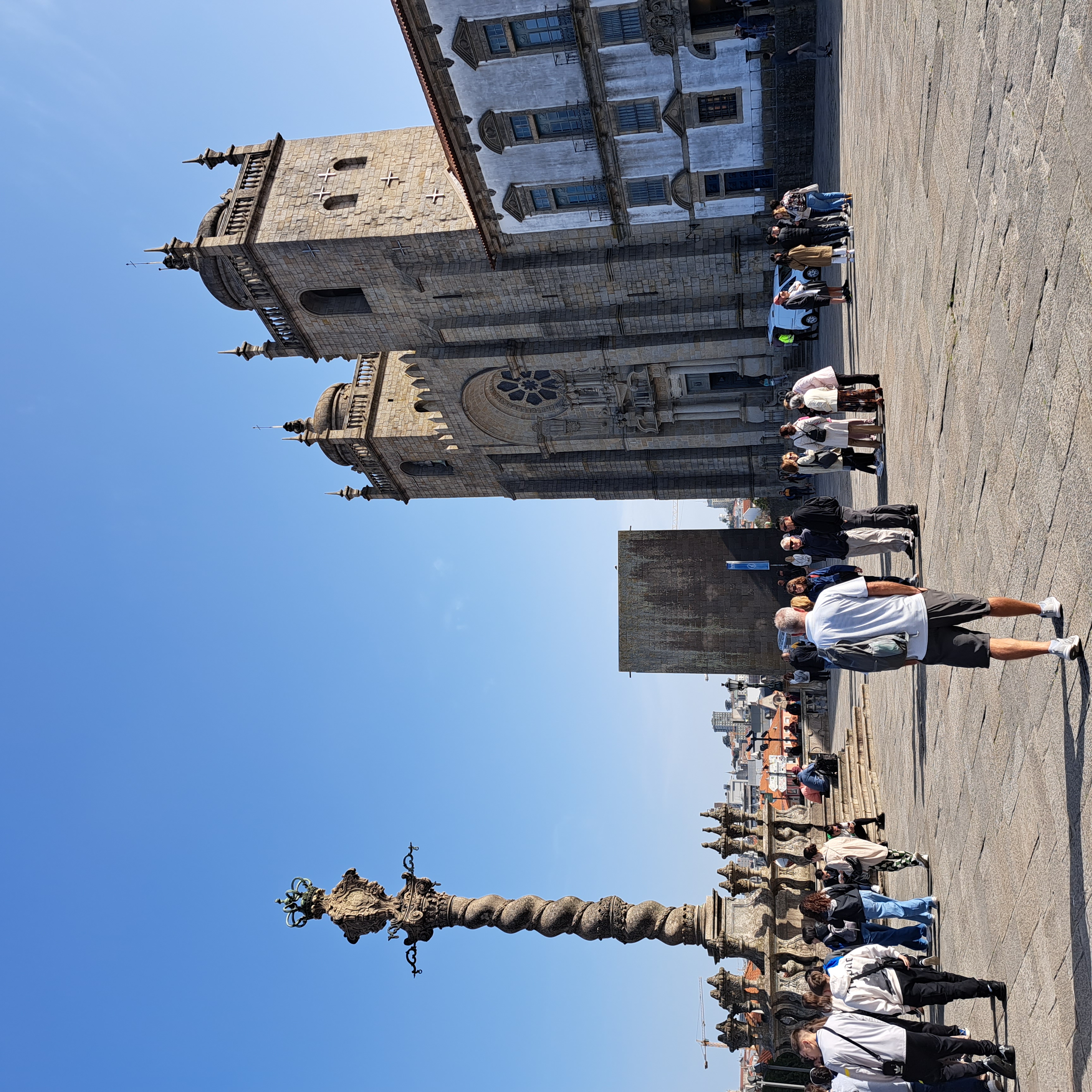
The Pillory of Porto (Pelourinho do Porto) is an enduring symbol of Porto’s medieval justice system and civic identity. Set in the heart of Terreiro da Sé, in front of the city’s magnificent cathedral, this granite monument not only offers insight into the city’s complex past but also provides a stunning vantage point over Porto’s UNESCO-listed historic center. This guide covers everything you need to know about the Pillory of Porto—its history, architecture, practical visiting information, nearby attractions, and tips to enrich your experience.
History of the Pillory of Porto
Medieval Origins and Symbolism
Pillories, or pelourinhos, were prominent fixtures in Portuguese towns from the Middle Ages, signifying municipal autonomy and local justice. Erected typically in central squares, they were both symbols and instruments of justice—used for public punishment and official proclamations. Porto’s pillory, near the cathedral and bishop’s palace, emphasized the intersection of secular authority and the church in the city’s governance (The Templar Knight; Portugal Essence).
Evolution, Disappearance, and Reconstruction
The original pillory dated back to the 15th or 16th centuries, likely replacing earlier wooden versions that marked Porto’s growing urban status. Over centuries, the pillory was moved, remodeled, and eventually dismantled in the 19th century, reflecting changes in urban planning and legal practices.
In 1945, a faithful granite reconstruction was installed, inspired by 18th-century engravings. The new pillory, completed during a broader restoration of Terreiro da Sé, is a decorative monument—a tribute to Porto’s civic history and identity, rather than a functional judicial instrument (All About Portugal).
Architectural Features
The Pillory of Porto is a striking Baroque and Rococo-inspired monument, crafted from local granite. Key features include:
- Twisted (helical) shaft: A hallmark of Baroque and Manueline styles, symbolizing the intertwining of civic power and justice.
- Stepped base: Serves as a platform, historically used for public gatherings and proclamations.
- Decorative capital and finial: Features floral motifs and possibly maritime emblems, echoing Portugal’s Age of Discoveries.
- Iron hook: Historically used for public shaming and punishment, a common feature in pillories across Europe (madaboutporto.com; portugalvisitor.com).
The Pillory in Porto’s Urban Fabric
Situated in Terreiro da Sé, the pillory is framed by Porto Cathedral, the Episcopal Palace, and the winding streets of the Bairro da Sé. The square’s elevation provides panoramic views of the Douro River and city rooftops, making the site a natural focal point for civic life and tourism (Cultured Voyages).
Legal and Cultural Recognition
Though a modern reconstruction, the pillory is a designated Property of Public Interest, recognized for its role in Porto’s historical narrative. It features in cultural festivals, educational programs, and guided tours, reinforcing its relevance in both heritage preservation and contemporary community life (Portugal Essence).
Visiting Information
Hours and Tickets
- Opening Hours: The Pillory of Porto is in a public square and accessible 24/7. Daylight visits are recommended for full appreciation of its details and surroundings.
- Tickets: No admission fee or ticket is required—the monument is free to visit as part of Porto’s open urban space.
Accessibility
- Terrain: Terreiro da Sé is paved with cobblestones and features some uneven surfaces typical of historic districts.
- Mobility: The area is mostly accessible, but visitors with limited mobility may require assistance navigating the square.
Travel Tips
- Best Times: Early morning and late afternoon provide the best lighting for photography and fewer crowds.
- Footwear: Wear comfortable shoes to manage the cobbled streets.
- Combining Visits: Pair your trip with nearby landmarks like the Porto Cathedral, Ribeira district, and the Episcopal Palace.
- Photo Opportunities: The pillory’s twisted column, set against the cathedral and cityscape, offers striking compositions.
Guided Tours and Events
- Guided Tours: Many walking tours of Porto’s historic center include the pillory, often with deep dives into its history and function (Portugaltips).
- Events: The pillory features in local festivals, such as Festa de São João, and is sometimes the backdrop for public ceremonies (Sintra Explorers).
Nearby Attractions and Amenities
- Porto Cathedral (Sé do Porto): Romanesque, Gothic, and Baroque elements highlight Porto’s religious and architectural heritage (Ulysses Travel).
- Episcopal Palace: A Baroque landmark adjacent to the cathedral.
- Ribeira District: The colorful, riverside UNESCO World Heritage neighborhood, ideal for dining and sightseeing.
- Casa do Cabildo: Historic building reflecting Porto’s civic evolution.
- Restaurants and Cafés: Numerous options in the historic center.
- Tourist Information Office: Nearby for maps, guides, and local insights (Porto Tourism).
Frequently Asked Questions (FAQs)
Q: What are the visiting hours for the Pillory of Porto?
A: The pillory is outdoors and open to visitors at any time of day, all year round.
Q: Is there an entrance fee?
A: No, the Pillory of Porto is free to visit.
Q: Is the pillory accessible for people with mobility challenges?
A: The square is mostly accessible, but cobblestones and some inclines may pose challenges; assistance is recommended.
Q: Are guided tours available?
A: Yes, many walking tours of Porto’s historic center include the pillory.
Q: What else can I see nearby?
A: Highlights include the Porto Cathedral, Episcopal Palace, Ribeira district, and Dom Luís I Bridge.
Q: Can I take photographs at the Pillory of Porto?
A: Yes, the site offers excellent photo opportunities, especially during early morning or late afternoon.
Listen to the full story in the app
Your Personal Curator, in Your Pocket.
Audio guides for 1,100+ cities across 96 countries. History, stories, and local insight — offline ready.
Audiala App
Available on iOS & Android
Join 50k+ Curators
Sources
- verified
- verified
- verified
- verified
- verified
- verified
- verified
- verified
- verified
- verified
Last reviewed: