Introduction
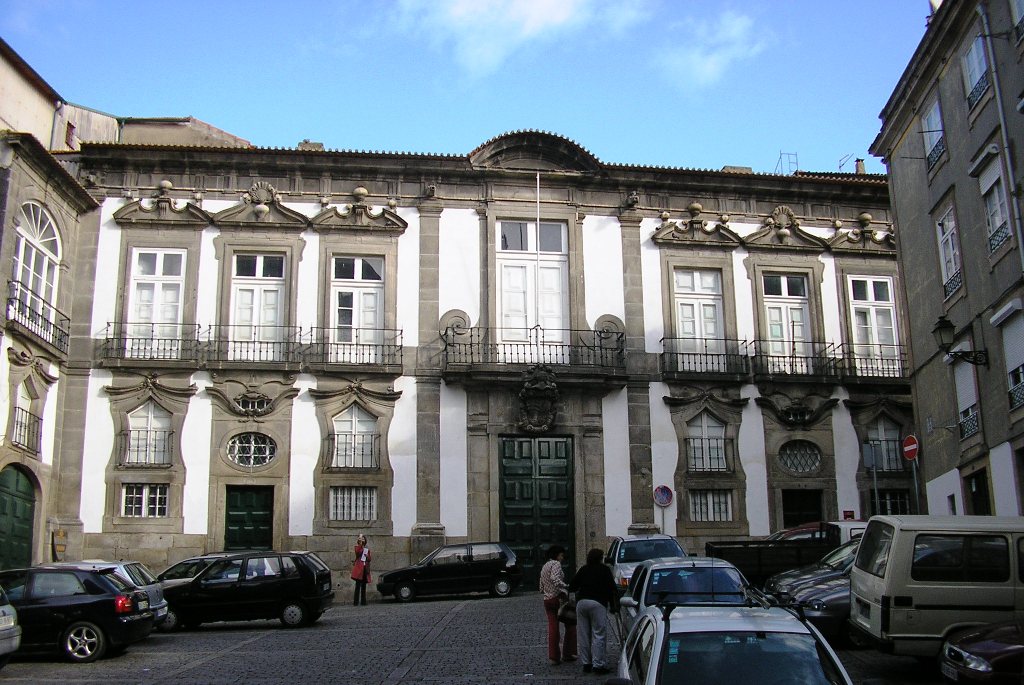
The Palace of São João Novo (Palácio de São João Novo) is a distinguished landmark in Porto, Portugal, epitomizing the city’s 18th-century aristocratic heritage and architectural grandeur. Located in the historic Miragaia and Ribeira districts, the palace stands as a testament to Porto’s evolution from a medieval port town to a vibrant urban center. Blending Baroque, Rococo, and early Neoclassical styles, the palace is renowned for its ornate façades, traditional azulejo tilework, and elegant interiors. Over the centuries, it has served as a noble residence, military hospital, and museum. Today, it forms part of Porto’s UNESCO World Heritage landscape and is a vital cultural venue, hosting exhibitions, concerts, and educational events. This comprehensive guide offers essential information on visiting hours, tickets, accessibility, guided tours, and travel tips, ensuring you make the most of your visit to this architectural and historical gem. For the latest updates, consult official resources (Museu de Etnografia e História do Porto, Visit Portugal, The Collector).
History and Significance
Commissioned in the mid-to-late 1700s by Domingos Barbosa de Araújo and designed by architect António Pereira, the Palace of São João Novo was constructed atop medieval foundations, symbolizing Porto’s layered urban development. The palace’s strategic location near the Douro River made it a coveted residence for the city’s elite. Over the centuries, it has transitioned from a noble home to serving as a military hospital during the Liberal Wars, later becoming a center for Porto’s ethnographic and civic history (Wikipedia PT, Vaiver).
Architecture and Artistic Features
The palace is a hallmark of 18th-century Portuguese civil architecture, seamlessly blending Baroque exuberance with Rococo refinement and Neoclassical symmetry (The Collector). Its granite façade features arched windows, wrought-iron balconies, and a prominent coat of arms. Inside, visitors find a majestic granite staircase, high ceilings, and enfilade rooms adorned with frescoes, azulejos, and gilded woodwork. These decorative elements not only showcase the craftsmanship of Porto’s artisans but also reflect the broader cultural and urban modernization led by figures like João de Almada e Melo (Visit Portugal).
Historical Roles and Museum Era
Originally a noble residence, the palace played a strategic role during the 19th-century Liberal Wars, serving as a military hospital and barracks. In the 20th century, it became the Museu de Etnografia e História do Douro Litoral, connecting urban audiences with northern Portugal’s folk traditions through immersive exhibits. Despite a fire in 1984 and periods of closure, the palace retains its significance as a center for ethnographic and historical research, with collections dispersed to other city museums (Wikipedia EN, Vaiver).
Visiting Hours and Tickets
Current Status:
As of 2024, the Palace of São João Novo is temporarily closed for rehabilitation and integration into the future Museu do Porto. Visitors are advised to check official tourism websites for reopening updates and forthcoming programs.
Usual Visiting Hours (subject to change upon reopening):
- Tuesday to Sunday: 10:00 AM – 6:00 PM (last entry at 5:30 PM)
- Closed Mondays and public holidays
Ticket Information:
Ticket prices and policies will be announced upon reopening. Historically, admission has been affordable, with discounts for students, seniors, and families. For the latest details, consult the official Porto tourism website.
Accessibility
Ongoing rehabilitation includes measures to improve accessibility for wheelchair users and visitors with reduced mobility. The main exhibition areas are expected to be accessible, with ramps, elevators, and adapted restrooms. For specific needs, contact the palace or tourism office in advance.
Guided Tours and Events
Upon reopening, guided tours in Portuguese and English will be available, offering in-depth insights into the palace’s architecture, history, and art collections. Group tours and educational programs may require advance booking. The palace will also serve as a venue for special exhibitions, cultural performances, and community events. For schedules, visit the Porto events calendar.
Travel Tips and Nearby Attractions
The palace is centrally located in Porto’s Ribeira district, within walking distance of major landmarks:
- Church of São João Novo: Adjacent Baroque church.
- Church of São Francisco: Renowned for its ornate, gilded interior.
- Ribeira District: Picturesque riverfront with restaurants and shops.
- Luís I Bridge: Iconic double-deck metal arch bridge.
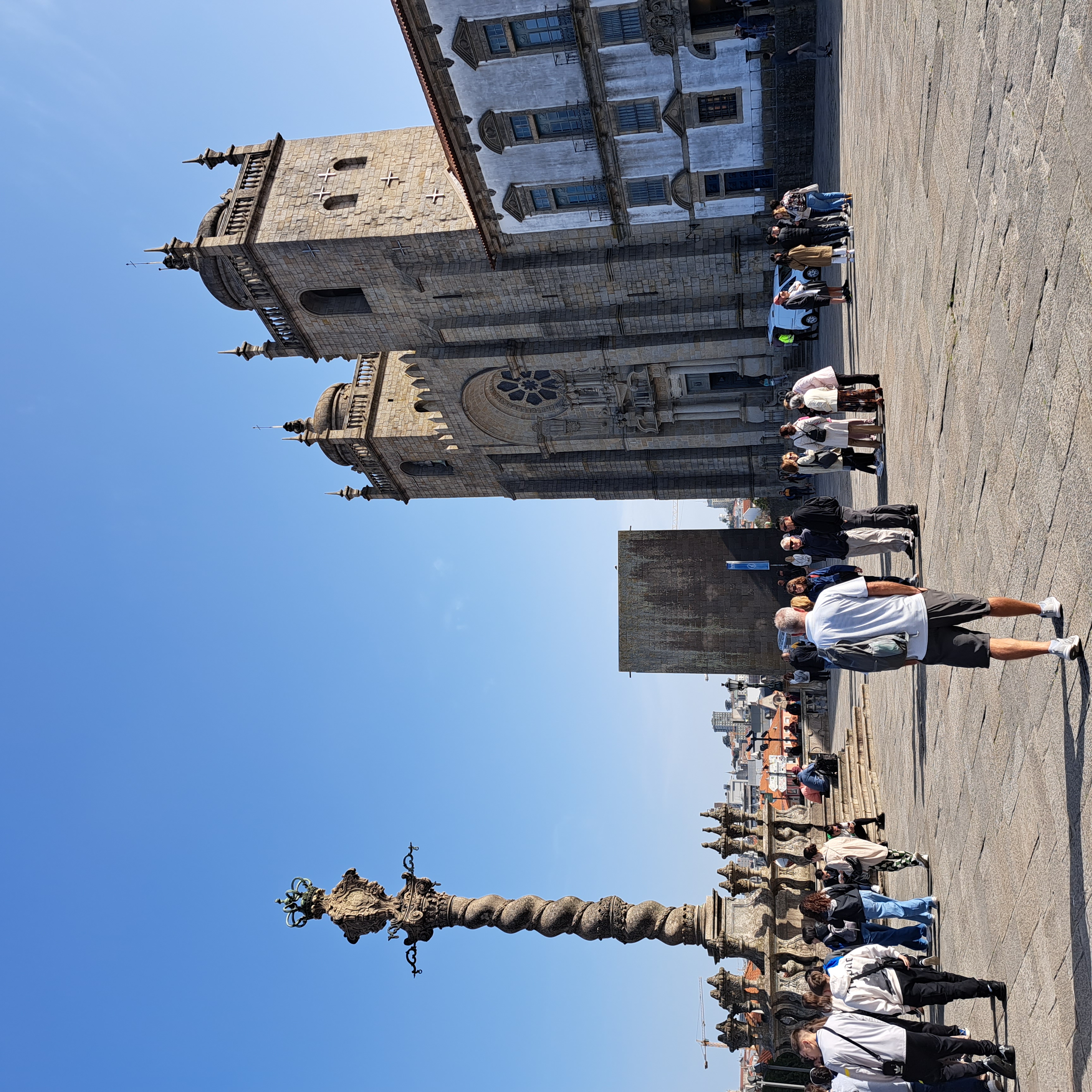
- Porto Cathedral: Romanesque-Gothic cathedral with panoramic views.
Public transport options include São Bento metro station (10 minutes’ walk) and several bus lines. Parking is limited; use nearby public garages if driving.
For walking tours and itineraries, reference the Porto public transport guide and All About Portugal.
Preservation and Restoration
The palace’s conservation is supported by public and private organizations, focusing on stabilizing the structure, restoring decorative features, and adapting the space for contemporary cultural use. These efforts preserve its status as a protected monument and ensure its role as a living heritage site (UNESCO World Heritage Centre).
Social and Cultural Impact
The Palace of São João Novo is deeply interwoven with Porto’s collective memory and festive traditions. It features in walking tours, educational initiatives, and community celebrations like the Festa de São João, serving as a symbol of resilience and identity. Its anticipated integration into the Museu do Porto project will further enhance its function as a center for cultural engagement and learning (Agenda Cultural Porto).
Frequently Asked Questions (FAQ)
Q: What are the current visiting hours?
A: The palace is temporarily closed for rehabilitation. Check official tourism sources for reopening updates.
Q: Are guided tours available?
A: Guided tours will resume upon reopening, with details available on the official website.
Q: Is the palace accessible for visitors with disabilities?
A: Accessibility improvements are underway as part of rehabilitation plans.
Q: How can I buy tickets?
A: Ticketing information will be announced closer to the reopening date.
Q: Can I take photos at the palace?
A: Exterior photography is encouraged. Interior photography policies will be communicated once the site reopens.
Listen to the full story in the app
Your Personal Curator, in Your Pocket.
Audio guides for 1,100+ cities across 96 countries. History, stories, and local insight — offline ready.
Audiala App
Available on iOS & Android
Join 50k+ Curators
Sources
- verified
- verified
- verified
- verified
- verified
- verified
Last reviewed: