Introduction
Nestled in the heart of Porto’s UNESCO-listed historic centre, Igreja de São José das Taipas stands as a testament to the city’s spiritual devotion, artistic heritage, and resilience. This neoclassical church, built between the late 18th and 19th centuries under the guidance of architect Carlos Amarante, offers visitors a unique blend of tranquil ambiance, artistic treasures, and poignant historical memory—most notably its role as a memorial for the 1809 Ponte das Barcas tragedy (Welcome Porto, Agenda Cultural Porto). Easily accessible and open to all, the church is a must-visit for anyone interested in Porto’s religious, architectural, and cultural history.
Photo Gallery
Explore Igreja De São José Das Taipas in Pictures
Origins and Early Development
The roots of Igreja de São José das Taipas trace back to a 17th-century chapel built in 1666, originally serving the local community in what was then a growing Porto district (Welcome Porto). The name “Taipas” is thought to refer to wooden barriers (“entaipamentos”) used for quarantining plague victims, reflecting the neighborhood’s historical role in public health and community care (Viaje Comigo).
In 1780, the Brotherhood of the Souls of St. Joseph of Taipas was established, and, with growing local support, construction of the current church began in 1795. Carlos Amarante, renowned for other northern Portuguese landmarks, designed the structure, which was completed in 1878, blending spiritual purpose with civic commemoration (Agenda Cultural Porto).
Architecture and Artistic Highlights
Exterior
Igreja de São José das Taipas is a notable example of neoclassical architecture in Porto. The church’s whitewashed stone façade is marked by restrained ornamentation, pilasters, and a triangular pediment. A square bell tower with pinnacles and a pyramidal spire rises above the entrance, contributing to Porto’s distinctive cityscape (All About Portugal).
Interior
Inside, a single nave with a barrel-vaulted ceiling and ten transverse arches creates a luminous, serene space. The recently restored interior showcases exquisite gilded woodwork (talha dourada), polychrome altarpieces, and a high choir. The main altar’s elaborate motifs and religious iconography focus attention on a statue of Saint Joseph holding the infant Jesus. The church also houses Porto’s oldest known nativity scene, attributed to the School of Machado de Castro (city-guide-porto.com).
Relics of Beata Maria Clara and the beatified shepherd children Francisco and Jacinta Marto are preserved here, and a significant 19th-century painting memorializes the Ponte das Barcas tragedy.
Historical Significance: Ponte das Barcas Disaster
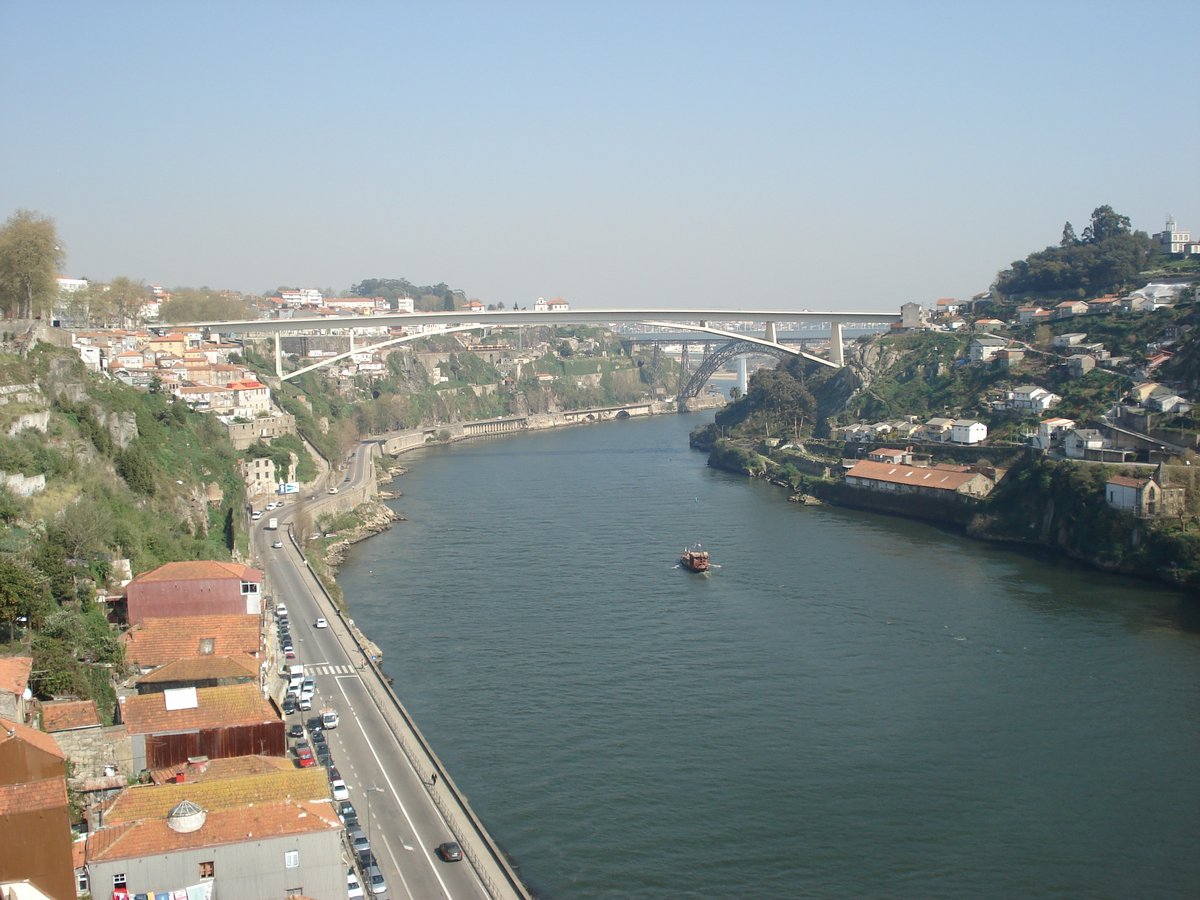
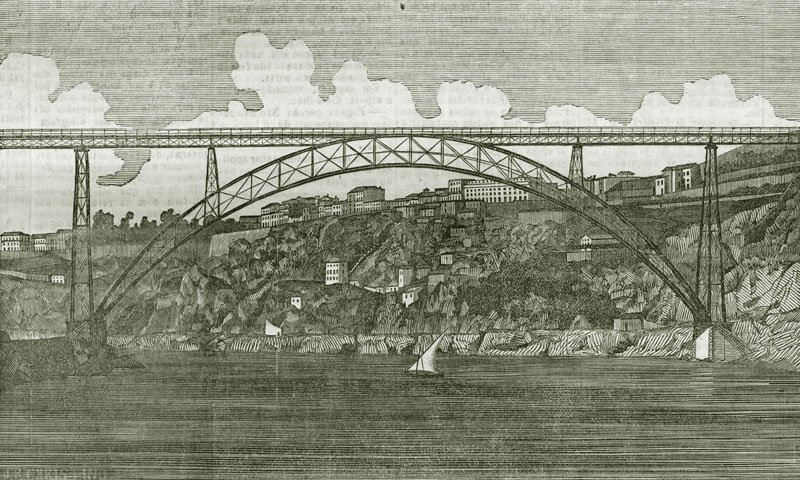
On March 29, 1809, during the Napoleonic invasions, the Ponte das Barcas floating bridge collapsed under the weight of thousands of fleeing residents. More than 4,000 lives were lost in one of Porto’s darkest moments (Agenda Cultural Porto). Igreja de São José das Taipas became a memorial site for the victims, with a dedicated Altar of the Souls and annual processions to the “Alminhas da Ponte” in Ribeira (Viaje Comigo). This role as a place of collective memory is central to its identity.
Liturgical and Community Role
As an active parish, the church hosts regular Masses, sacraments, and religious festivals—especially the Feast of Saint Joseph (March 19)—and serves as a hub for social support, charity, and cultural preservation (GPSmyCity). Its dedication to Saint Joseph reflects its mission to support workers and families, and its ongoing outreach includes food drives, support for the elderly, and youth education.
Visiting Information
Location & Getting There
- Address: Rua das Taipas 89, 4050-600 Porto, Portugal
- Public Transport: Metro (São Bento or Aliados stations, approx. 10 minutes’ walk); Bus lines 200, 201, 203, 207, and 502 stop nearby.
- By Car: Limited street parking; several paid garages in the vicinity (Wanderlog).
Opening Hours
- Monday to Saturday: 9:00 AM – 12:30 PM & 2:30 PM – 6:00 PM
- Sunday & Public Holidays: 10:00 AM – 1:00 PM & 3:00 PM – 6:00 PM
- Note: Hours may vary on religious holidays or during special events. Always check ahead.
Ticket Price
- Admission: Free. Donations are appreciated and help support maintenance and charitable initiatives.
Accessibility
- The church is wheelchair accessible, with ramps at the main entrance and assistance available upon request.
Guided Tours
- Guided tours can be arranged in advance through the church or Porto tourism offices. The church is also featured on several self-guided walking tours (GPSmyCity).
Dress Code & Etiquette
- Modest attire is expected. Shoulders and knees should be covered.
- Silence and respect for worshippers are appreciated.
- Photography is allowed without flash; tripods are discouraged.
Restoration and Preservation
Significant restoration campaigns in the late 20th and early 21st centuries have preserved the church’s structure and artworks, ensuring its continued beauty and functionality (Guia da Cidade). Ongoing efforts maintain the façade, altarpieces, and sacred art for future generations.
Religious Festivals & Events
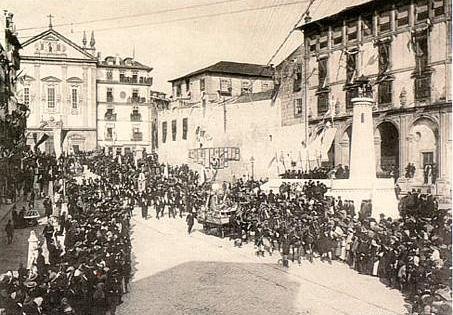
The church is particularly vibrant during Holy Week and the Feast of Saint Joseph, featuring processions, traditional music, and festive decorations. These events are a highlight for visitors seeking to experience Porto’s Catholic traditions (Porto.pt).
Nearby Attractions & Travel Tips
- Clérigos Tower: 7-minute walk
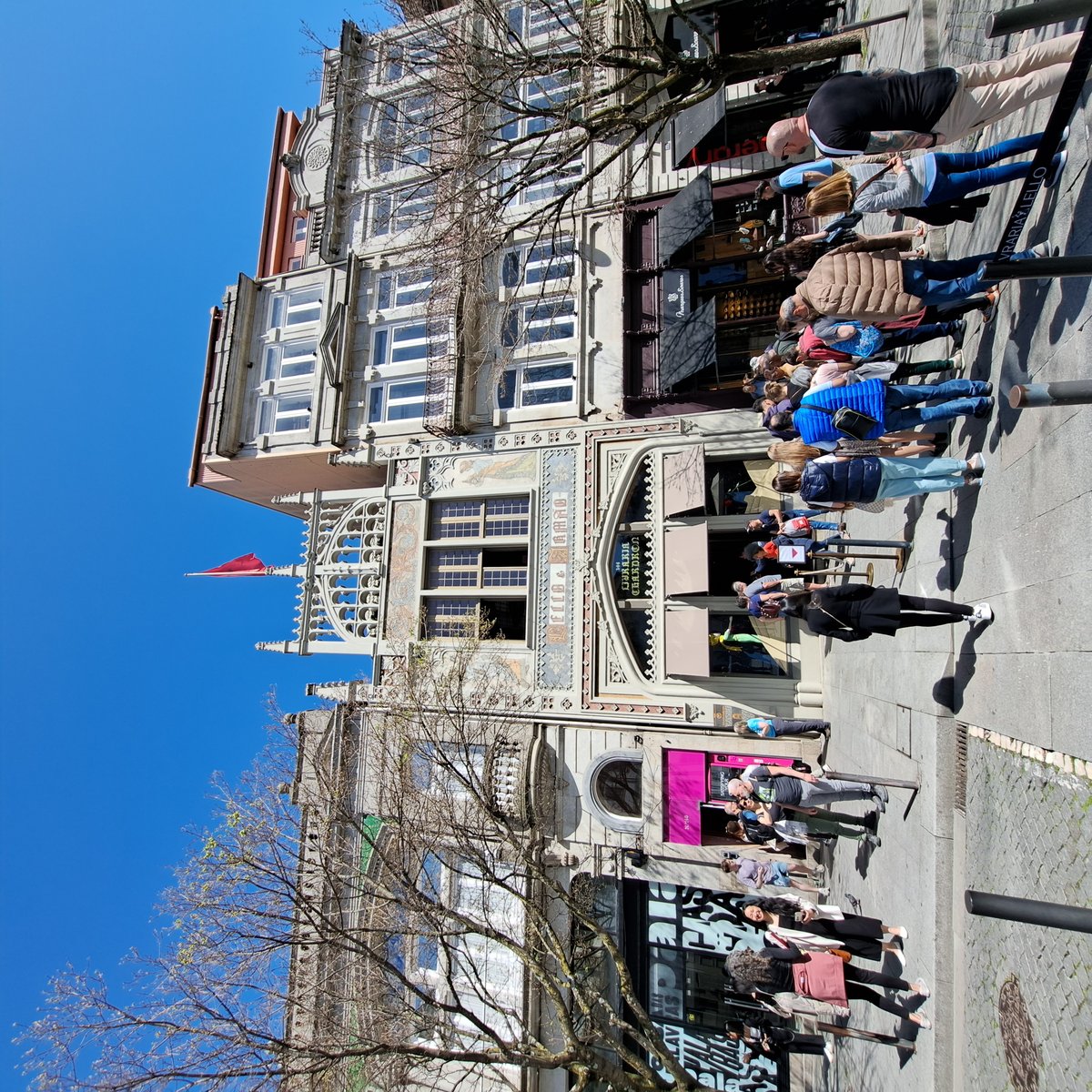
- Livraria Lello: 10 minutes on foot
- Palácio da Bolsa: 5-minute walk
- Ribeira District: 15 minutes on foot
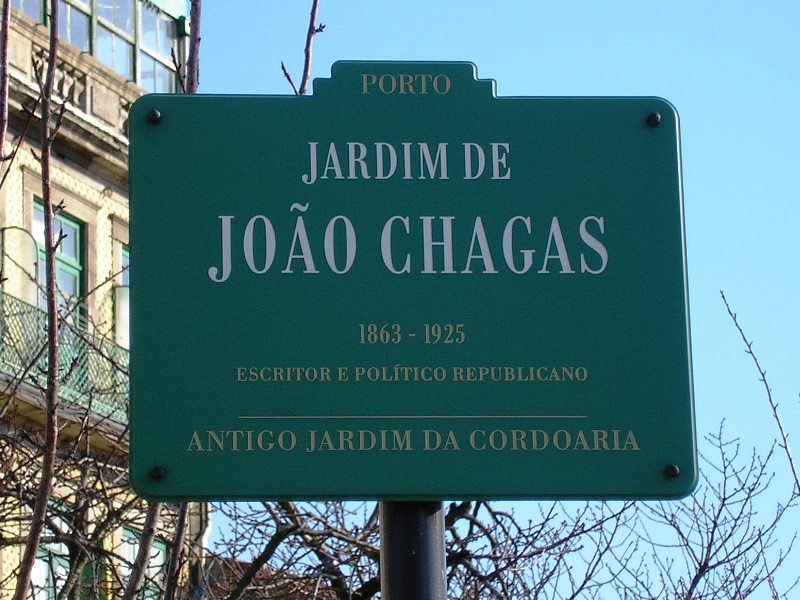
The Cordoaria district also offers gardens, cafés, and local shops. Comfortable footwear is advised due to cobblestone streets.
Frequently Asked Questions (FAQ)
Q: What are the opening hours?
A: Monday to Saturday: 9:00 AM–12:30 PM & 2:30 PM–6:00 PM; Sundays & holidays: 10:00 AM–1:00 PM & 3:00 PM–6:00 PM.
Q: Is there an entrance fee?
A: No, entrance is free; donations are welcome.
Q: Is the church accessible for visitors with disabilities?
A: Yes, there are ramps and assistance is available.
Q: Are guided tours available?
A: Yes, by advance booking or through walking tour providers.
Q: Can I take photos inside?
A: Yes, without flash and with respect for worshippers.
Q: When is the best time to visit?
A: Weekday mornings are usually quieter; festivals and Sundays are busiest.
Listen to the full story in the app
Your Personal Curator, in Your Pocket.
Audio guides for 1,100+ cities across 96 countries. History, stories, and local insight — offline ready.
Audiala App
Available on iOS & Android
Join 50k+ Curators
Sources
- verified
- verified
- verified
- verified
- verified
- verified
Last reviewed: