Introduction
Nestled in Porto's historic heart, the Igreja de Santa Clara stands as a magnificent testament to Portugal’s religious devotion, artistic mastery, and enduring cultural traditions. Founded in the early 15th century by the Poor Clares and supported by royal and papal patronage, this church and former convent has evolved from its Gothic origins into one of the nation’s finest exemplars of Baroque and Rococo artistry. Its gilded woodwork (talha dourada), intricate azulejo tilework, and unique features like the "Porta da Roda" create a captivating atmosphere for visitors. Following an extensive restoration completed in 2021, the church now welcomes the public with improved facilities while retaining its historic charm (Santa Clara Official Site; Porto Tourism).
This guide provides comprehensive information on visiting hours, ticketing, accessibility, guided tours, and nearby attractions, ensuring a seamless and enriching experience at one of Porto’s most cherished landmarks.
- Historical Overview and Restoration
- Visiting Igreja de Santa Clara: Practical Information
- Unique Features and Visitor Highlights
- Musical Heritage and Cultural Traditions
- Nearby Attractions and Travel Tips
- Visitor Tips
- Frequently Asked Questions (FAQ)
- Conclusion and Final Tips
- References
Foundations and Early History
Igreja de Santa Clara’s foundation dates to the early 15th century, when the Poor Clares relocated from their original, remote convent in Torrão. With authorization from Pope Innocent VII in 1405 and the support of Queen Filipa de Lancastre, the nuns established themselves in Porto. The first stone was laid in 1416 in the presence of King João I and Infante D. Afonso. The convent and church were completed by 1457, funded in part by tolls on Douro River trade (Santa Clara Official Site; Wikipedia).
Architectural Evolution
Initially constructed in Gothic style with pointed arches, ribbed vaults, and buttressed walls, the church underwent significant Baroque enhancements in the late 17th and early 18th centuries. The main entrance was remodeled in 1697, introducing a Baroque portal with Solomonic columns and Corinthian capitals. Between 1730 and 1732, master carver Miguel Francisco da Silva transformed the interior with exceptional gilded woodwork, establishing the church as a Joanine Baroque masterpiece. The upper choir, reserved for senior nuns, features blue-and-white tile cladding and a coffered ceiling with vegetal motifs (Santa Clara Official Site; Porto Tourism).
Decline, Secularization, and Restoration
After the dissolution of religious orders in 1834, the Poor Clares remained until 1900. The property was then secularized and repurposed, which led to periods of neglect (Wikipedia). Restoration efforts starting in 2014—supported by the Direção Regional de Cultura do Norte and other partners—culminated in a €2.5 million project completed in 2021. This initiative stabilized the structure, restored original features, and uncovered hidden artworks, such as 17th-century paintings and a 1645 tombstone (Santa Clara Official Site).
Visiting Igreja de Santa Clara: Practical Information
Location and Access
- Address: Largo Primeiro de Dezembro, Porto, Portugal
- Getting There: Short walk from São Bento station (Metro Line D) and major bus routes. Located near the Ribeira district and historic city center. Steep, cobbled streets—wear comfortable shoes.
- Parking: Limited; public transport is highly recommended.
Visiting Hours
- Tuesday to Sunday: 10:00 AM – 5:00 PM
- Closed Mondays
- Note: On Tuesdays and Saturdays, visitors must leave by 5:00 PM due to 6:00 PM Mass. Hours may vary for special events; check the official website for updates.
Tickets and Admission
- Adults: €5
- Seniors/Students: €3
- Children under 10: Free entry
- Guided Tours: Available for an additional fee; advance booking recommended.
- Admission: Purchase at entrance or online (Santa Clara Porto website).
Accessibility
- Facilities: Elevators and accessible restrooms available.
- Mobility: Some uneven surfaces; assistance recommended for visitors with limited mobility.
Visitor Etiquette
- Dress respectfully and maintain quiet, as the church is an active place of worship.
- Photography without flash is generally allowed, except during services or in restricted areas.
- Do not touch artworks; observe posted signs and staff guidance.
Unique Features and Visitor Highlights
Baroque and Rococo Interiors
- Gilded Woodwork: Lavish talha dourada envelops altars, pulpits, and ceilings in gold leaf, creating a luminous, immersive space (madaboutporto.com).
- Azulejos: Blue-and-white ceramic tiles depict biblical scenes and ornamental motifs, providing a striking visual contrast (evendo.com).
- Main Altar and Choir: Adorned with intricate carvings and religious iconography, including works by Joaquim Rafael.
The "Porta da Roda"
This rotating door allowed mothers to anonymously leave infants in the nuns’ care, highlighting the church’s historical social role (portugallook.pt).
Restoration Discoveries
Recent conservation efforts revealed hidden 17th-century artwork and preserved the church’s historic pipe organ, enhancing both the visual and acoustic experience (Santa Clara Official Site).
Musical Heritage and Cultural Traditions
Sacred Music Legacy
- Historical Context: The convent was a vibrant center for sacred music in the 18th and 19th centuries, with nuns performing compositions by Francisco de São Boaventura, António da Silva Leite, and Marcos Portugal. The original pipe organ is still in use (Santa Clara Official Site).
- Contemporary Events: Guided musical visits now feature live Baroque performances, often on the historic organ, enriching the visitor experience.
Rituals and Local Customs
- "Ovos a Santa Clara": Couples offer eggs seeking good weather for their wedding day, a tradition rooted in Saint Clare’s reputed intercession.
- Missa de Bênção dos Noivos: The last Saturday of each month at 6:00 PM, a special Mass blesses engaged couples who bring eggs as offerings (Santa Clara Official Site; Agenda Cultural Porto).
Nearby Attractions and Travel Tips
Historical Landmarks Within Walking Distance:
- Sé do Porto (Porto Cathedral): 12th-century fortress-cathedral with panoramic city views.
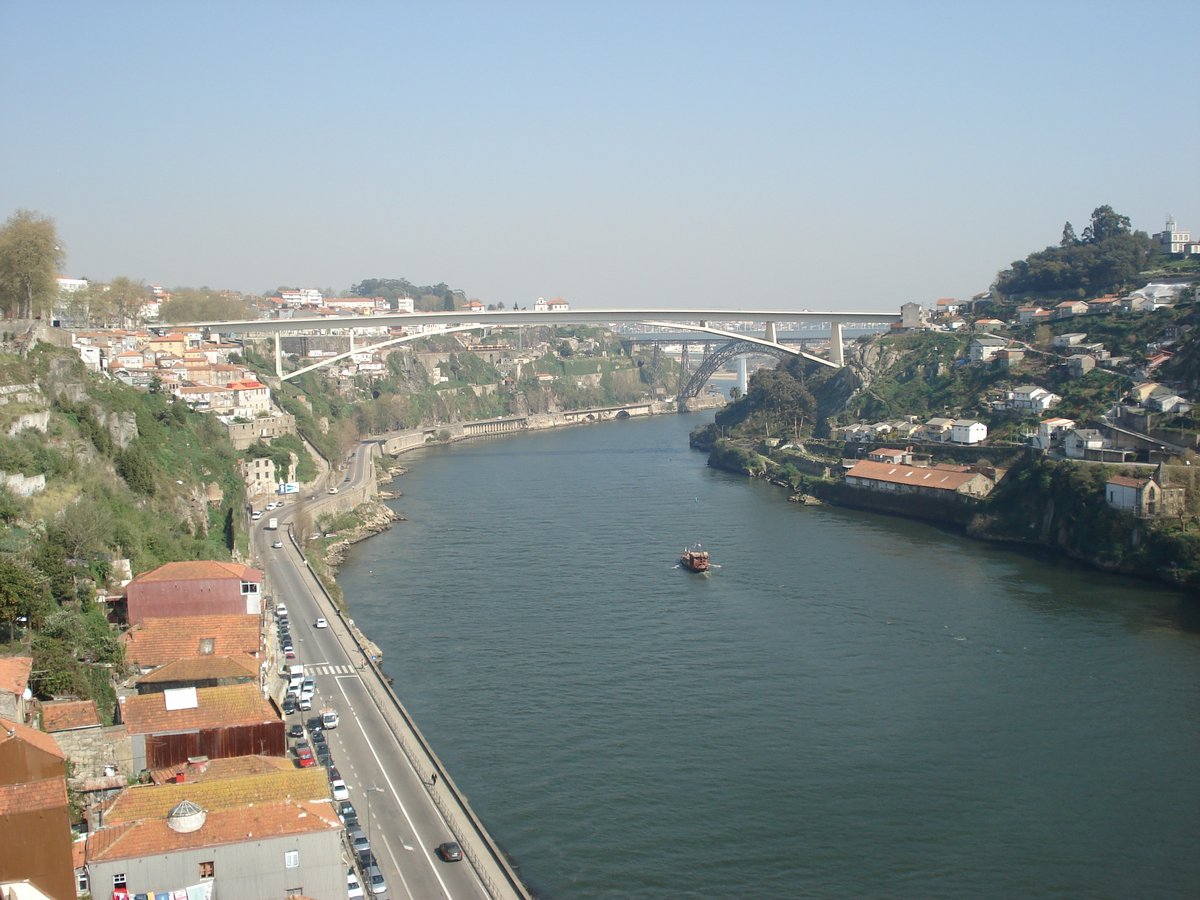
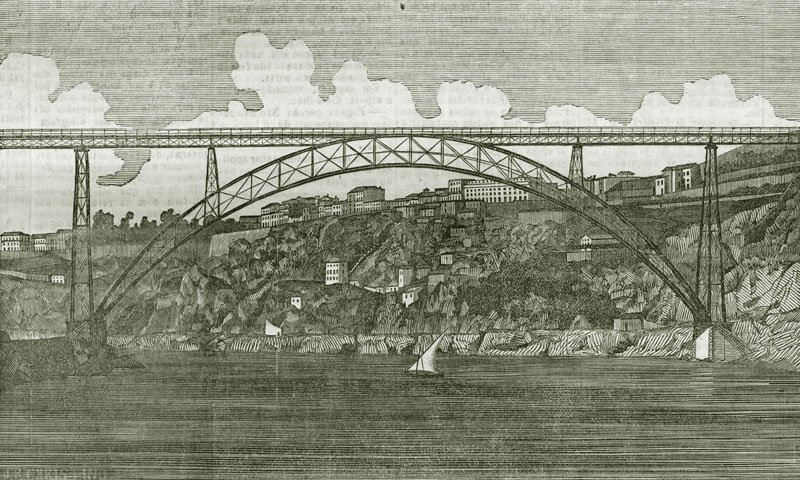
- Ponte de Dom Luís I: Iconic double-deck bridge for pedestrians and metro, offering fantastic river views.
- Cais da Ribeira: Lively riverfront promenade with cafés and restaurants.
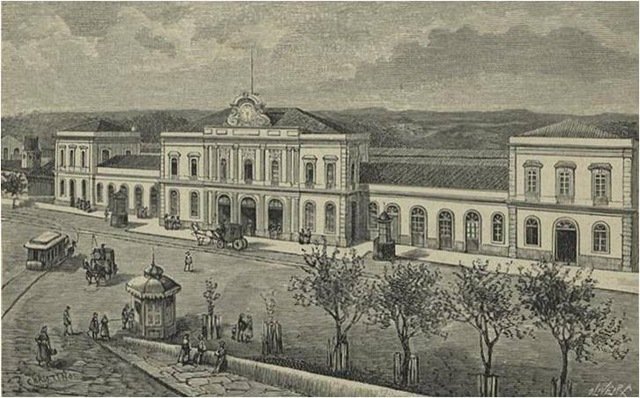
- São Bento Train Station: Features grand Beaux-Arts architecture and over 20,000 azulejo tiles.
- Palácio da Bolsa: Neoclassical palace with ornate interiors and guided tours.
- Igreja de São Francisco: Gothic church with an opulent Baroque interior.
- Praça da Ribeira: Picturesque riverside square.
- Other sites: Igreja de Santo Ildefonso, Palacio das Artes.
Travel Tips:
- Visit early or late in the day for fewer crowds and optimal light for photography.
- Combine your visit with nearby attractions for a full cultural itinerary.
- Local restaurants near the riverfront offer authentic Portuguese cuisine.
- Stay alert for pickpockets in busy areas.
Visitor Tips
- Plan Around Services: Avoid visiting during Mass or ceremonies; check schedules in advance.
- Join Guided Tours: Opt for tours featuring live music for a multisensory experience.
- Accessibility: If you have mobility challenges, request assistance or confirm accommodations before arrival.
- Photography: Respect restrictions, especially during religious services.
Frequently Asked Questions (FAQ)
What are the visiting hours of Igreja de Santa Clara?
Tuesday to Sunday, 10:00 AM to 5:00 PM; closed Mondays. On Tuesdays and Saturdays, closes at 5:00 PM for Mass. Always check the official website for updates.
Is there an admission fee or tickets required?
Yes. Adults €5; seniors/students €3; children under 10 free. Purchase at the entrance or online.
Are guided tours available?
Yes, including musical tours. Booking in advance is recommended.
Is the church accessible for visitors with limited mobility?
Elevators and accessible restrooms are available, but some uneven surfaces remain.
Can I take photographs inside?
Photography without flash is generally allowed outside service times. Respect any posted restrictions.
Listen to the full story in the app
Your Personal Curator, in Your Pocket.
Audio guides for 1,100+ cities across 96 countries. History, stories, and local insight — offline ready.
Audiala App
Available on iOS & Android
Join 50k+ Curators
Sources
- verified
- verified
- verified
- verified
- verified
- verified
- verified
- verified
- verified
- verified
Last reviewed: