Introduction: A Pillar of Faith, Art, and Charity in Porto
Located on the vibrant Rua das Flores, the Igreja da Misericórdia do Porto is one of the city’s most treasured monuments. More than just a church, it embodies centuries of religious devotion, artistic innovation, and social welfare. Founded in the mid-16th century as part of the Santa Casa da Misericórdia do Porto, it has served as both a spiritual sanctuary and a hub for charitable action, making it a must-visit for those interested in Porto’s architectural, cultural, and philanthropic legacy (Santa Casa da Misericórdia do Porto; MMIPO - Igreja).
Today, alongside the adjoining Museu da Misericórdia do Porto (MMIPO), the site offers visitors a unique journey through Porto’s history and artistic heritage. The church is renowned for its stunning Baroque façade, intricate azulejo tilework, and outstanding sacred art, while the museum showcases rare Flemish paintings and tells the story of the Misericórdia’s impact on Porto’s social fabric (MMIPO Official; Audiala). This guide provides essential information for planning your visit, including historical background, architectural highlights, practical details, and tips for making the most of your experience.
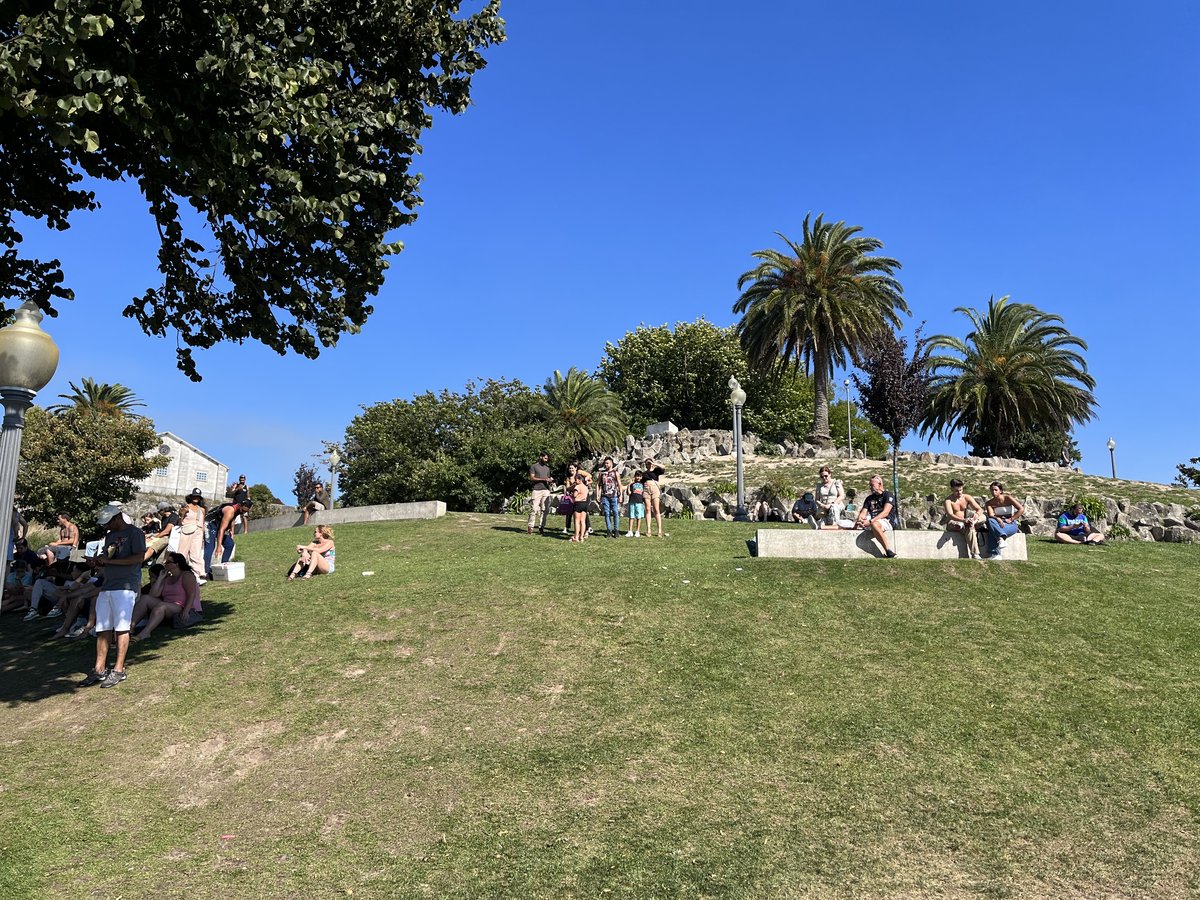
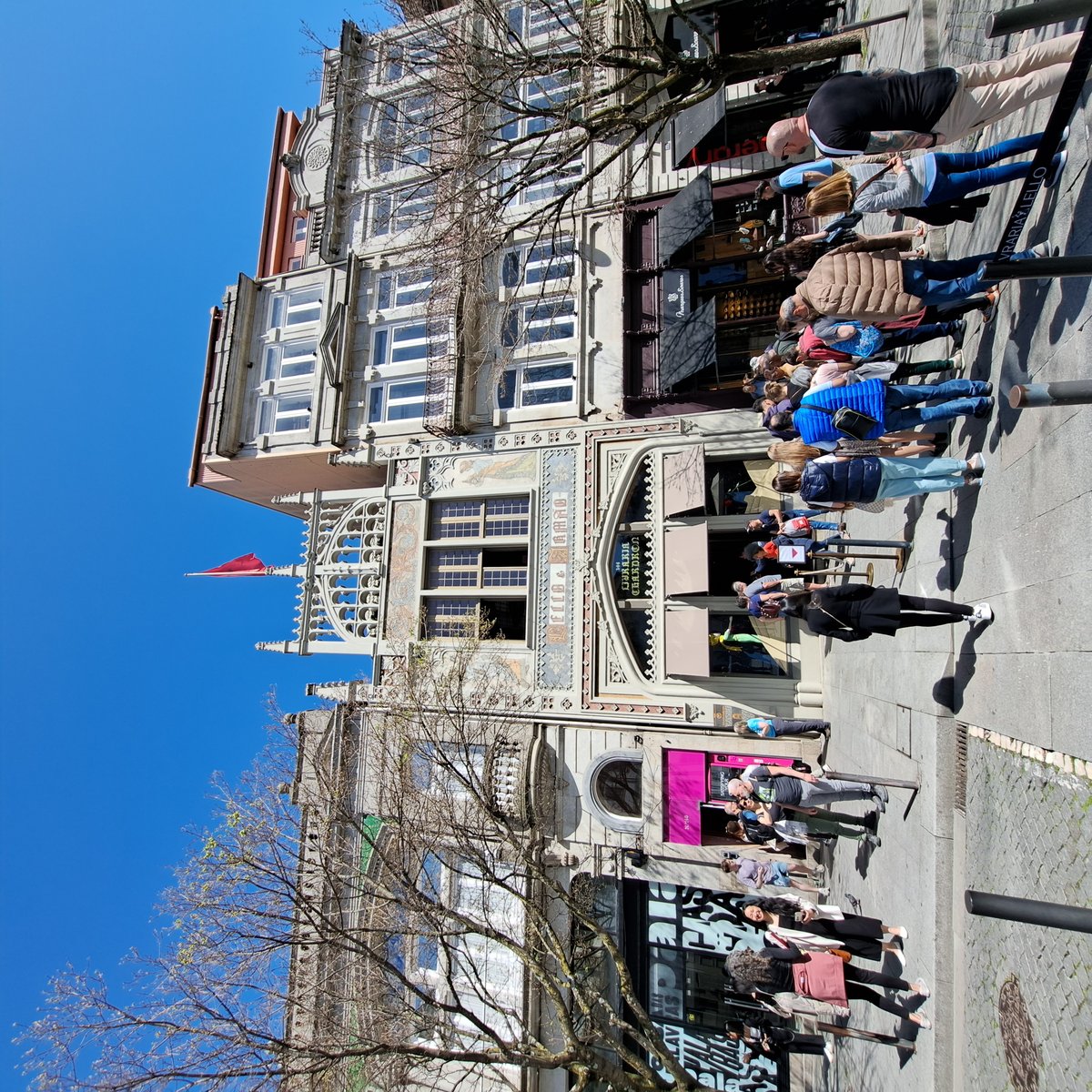
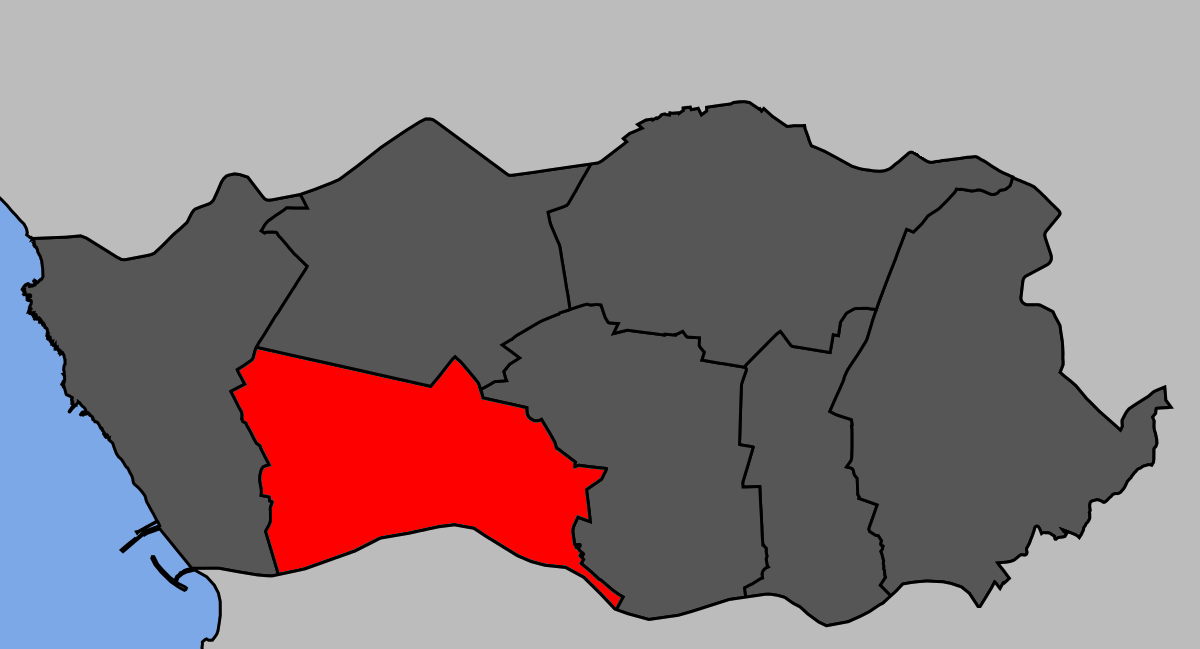
Photo Gallery
Explore Igreja Da Misericórdia Do Porto in Pictures
Early History and Renaissance Foundations
The Igreja da Misericórdia do Porto traces its origins to the mid-16th century, when the Santa Casa da Misericórdia established its headquarters in Porto to extend charitable care and social assistance (Santa Casa da Misericórdia do Porto). Construction of the church began in 1550 and was blessed by Bishop D. Rodrigo Pinheiro in 1559, though it wasn’t completed until 1568. The initial design reflected Renaissance ideals, featuring a harmonious, symmetrical layout and a recessed Corinthian portico. The main chapel (capela-mor), inspired by Lisbon’s Jerónimos Monastery and enriched with Flemish decorative elements, was added between 1584 and 1590 (MMIPO - Igreja).
Baroque Transformation and Nicolau Nasoni’s Influence
By the 18th century, the church required significant repairs due to structural issues. From 1748 to 1754, the celebrated architect Nicolau Nasoni was tasked with redesigning the façade. His work, characterized by expressive Baroque forms, replaced the Renaissance frontage with an ornate composition of volutes, biblical inscriptions, shell motifs, and a monumental broken pediment crowned by the Misericórdia emblem and royal crown. Four stone urns (“fogaréus”) add to the theatrical effect, making the church façade a standout in Porto’s urban landscape (MMIPO - Igreja).
Interior Artistry: Azulejos, Altars, and Sacred Art
Azulejos: The Art of Portuguese Tilework
Azulejo tiles are one of the church’s most distinctive features. The first panels were installed in the early 17th century, but after deterioration, they were replaced in 1866–67 by vibrant blue-and-white tiles from the Fábrica Carvalhinho. These tiles illuminate the nave and contribute to the church’s serene ambiance (MMIPO - Igreja).
High Altar and Chancel
The chancel is a masterpiece of Baroque-jesuitic design, featuring finely carved granite, Corinthian and Ionic columns, gilded iron window grilles, and statues of the Evangelists. The neoclassical main altarpiece, reimagined in the 19th century, harmonizes with the overall decorative scheme.
Artistic Highlights
- “Fons Vitae” (Fountain of Life): A monumental Flemish Renaissance painting depicting King Manuel I and his family, on display in the museum.
- Gilded Woodwork: Neoclassical “sanefa de talha dourada” on the triumphal arch, and a rococo “guarda-vento” at the entrance.
- Statuary and Paintings: 16th-century wooden statues and sacred artworks reflecting Porto’s religious heritage.
Architectural Features and Stylistic Synthesis
The church’s architecture is a rich tapestry of Renaissance, Baroque, and Neoclassical elements. The single nave, covered by a barrel vault, optimizes acoustics and creates a sense of unity. Granite, a local material, is used throughout, while the Baroque façade and interior woodwork exemplify Porto’s artistic evolution. The seamless integration with the MMIPO museum highlights the site’s layered history and continuous adaptation (MMIPO - Igreja).
Social and Charitable Legacy
From its inception, the Igreja da Misericórdia do Porto has been deeply involved in charitable work, serving as the spiritual and operational center for the Santa Casa da Misericórdia’s social mission. The institution historically managed hospitals, orphanages, and care for the elderly and poor—roles that have profoundly influenced Porto’s approach to public welfare (Santa Casa da Misericórdia do Porto). Today, the tradition continues with educational programs, cultural events, and social outreach, keeping the spirit of mercy alive.
Visiting: Hours, Tickets, and Accessibility
Church Hours:
- Tuesday to Sunday: 10:00 AM – 6:00 PM
- Closed Mondays and major public holidays
Tickets:
- Entry to the church is free
- MMIPO Museum admission: €5 (discounts for students, seniors, groups, and Porto Card holders; free for children under 12)
- Combined church and museum guided tours available for an additional fee (MMIPO Official)
Accessibility:
- Wheelchair accessible entrances and adapted facilities
- Guided tours available in multiple languages
- Audio guides and mobile apps offered for self-guided exploration
Location:
- Rua das Flores, 15, 4050-265 Porto, Portugal
- Easily reached on foot from Ribeira, Clérigos Tower, and other central attractions
- Served by Metro (Line D) and numerous STCP bus lines
Exploring the Museu da Misericórdia do Porto (MMIPO)
The MMIPO is housed in the former Santa Casa headquarters, extensively renovated to accommodate museum galleries while preserving original features (MMIPO Official; Audiala). Highlights include:
- Permanent Collections: Sacred art, Flemish paintings, liturgical objects, and portraits of benefactors (Lonely Planet)
- Gallery of Benefactors: A 19th-century iron-and-glass structure celebrating donors
- Temporary Exhibitions: Art shows, lectures, and cultural events
- Rooftop Terrace: Panoramic views over Porto’s historic center and the Douro River (Porto Secreto)
Practical Visitor Information
| Detail | Information |
|---|---|
| Address | Rua das Flores, 15, 4050-265 Porto, Portugal |
| Opening Hours | Tue–Sun: 10:00–18:00; Closed Mondays & select holidays |
| Ticket Purchase | Onsite or online |
| Accessibility | Wheelchair accessible |
| Guided Tours | Available in multiple languages; advance booking recommended |
| Rooftop Access | Yes, with panoramic city views |
| Nearby Attractions | Clérigos Tower, Livraria Lello, São Bento Station, Ribeira |
| Public Transport | Metro (Line D), STCP buses (multiple lines) |
Nearby Attractions and Travel Tips
Take advantage of the church’s central location by exploring:
- Clérigos Tower and Church (also designed by Nasoni)
- Palácio da Bolsa
- Livraria Lello
- São Bento Railway Station
- Ribeira District and Douro Riverfront
Tips:
- Visit early morning or late afternoon for fewer crowds and optimal lighting for photography
- Combine your visit with a guided walking tour for deeper context
Frequently Asked Questions (FAQ)
Q: What are the visiting hours?
A: Tuesday to Sunday, 10:00 AM – 6:00 PM; closed Mondays.
Q: Is there an entrance fee?
A: Entry to the church is free; museum admission is €5, with discounts available.
Q: Are guided tours available?
A: Yes, in multiple languages; book in advance for the best experience.
Q: Is the site accessible?
A: Yes, with ramps, elevators, and adapted facilities.
Q: Can I take photos inside?
A: Photography is allowed without flash; check with staff for specific restrictions.
Q: What else can I visit nearby?
A: Clérigos Tower, Livraria Lello, São Bento Station, Ribeira, and more.
Listen to the full story in the app
Your Personal Curator, in Your Pocket.
Audio guides for 1,100+ cities across 96 countries. History, stories, and local insight — offline ready.
Audiala App
Available on iOS & Android
Join 50k+ Curators
Sources
- verified
- verified
- verified
-
verified
Audiala, n.d
Museu da Misericórdia do Porto Guide
-
verified
Porto Secreto, n.d
Visit MMIPO
-
verified
Lonely Planet, n.d
Museu da Misericórdia do Porto
-
verified
Bonjour Porto, n.d
Museu e Igreja da Misericórdia do Porto
-
verified
Portugal Travel, n.d
Igreja da Misericórdia Church of Porto
-
verified
Travel in Portugal, n.d
Igreja da Misericórdia Porto
-
verified
UFPASSF, n.d
Igreja da Misericórdia do Porto
Last reviewed: