Introduction
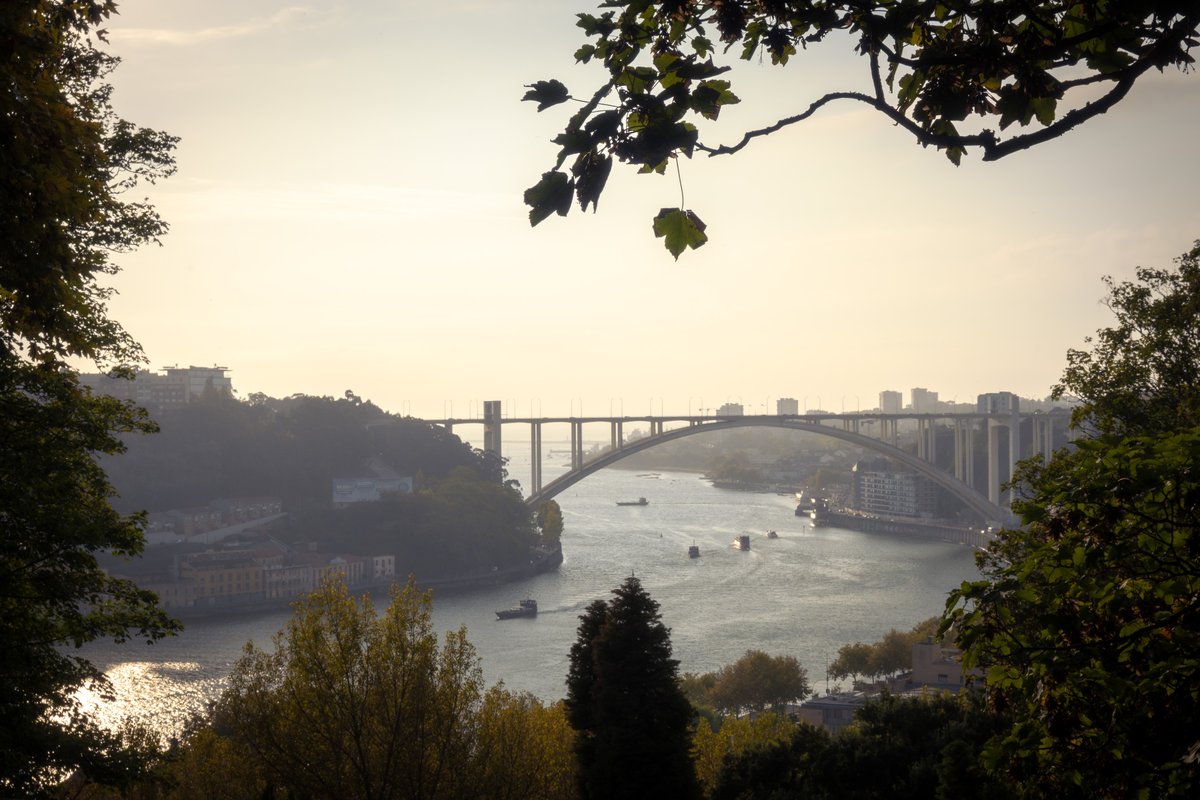
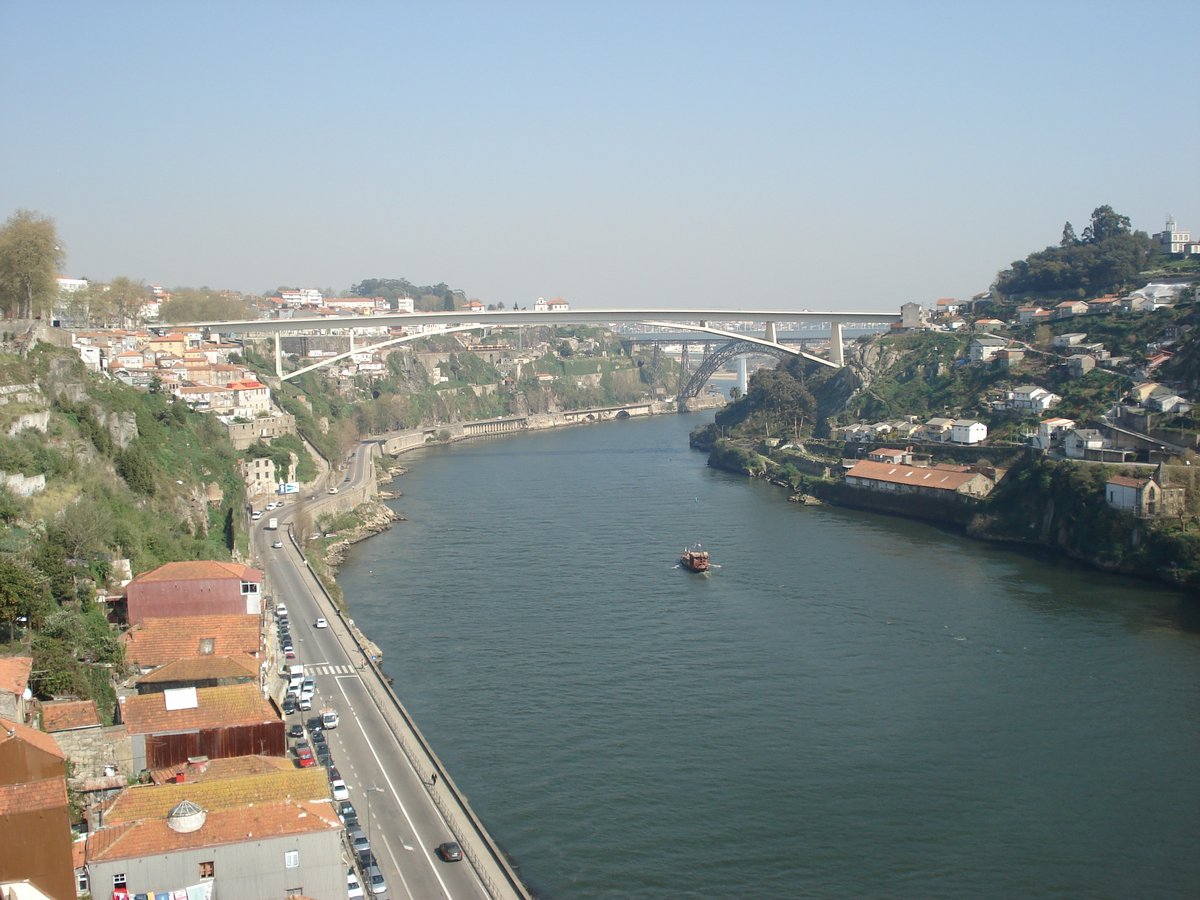
The Historic Centre of Porto is a vibrant and storied district that encapsulates over two millennia of Portuguese history, architectural evolution, and urban life. Inscribed as a UNESCO World Heritage Site in 1996, this area showcases Porto’s journey from ancient Celtiberian and Roman settlements to a modern city renowned for its Baroque, Neoclassical, and contemporary landmarks. Set along the scenic Douro River and defined by iconic sites like the Dom Luís I Bridge and the lively Ribeira district, the Historic Centre offers an immersive experience for history enthusiasts, architecture lovers, and curious travelers alike. This guide presents comprehensive information on visiting hours, ticketing, accessibility, and the top sites to explore, as well as practical tips to make the most of your Porto adventure. For further resources, see UNESCO's official listing, Porto North Portugal Guide, and Visitar Porto.
The Historical Journey: From Ancient Origins to Modern Urbanity
Ancient and Roman Settlement
Porto’s roots stretch back over 20,000 years, with archaeological finds along the Douro and in the nearby Côa Valley (visitar-porto.com). Celtiberian tribes and Phoenician traders established early settlements, later transformed into the Roman "Portus Cale," a foundational name for Portugal itself (thecollector.com; portugaltravelguide.com).
Medieval Expansion
Following the fall of Rome, Porto was shaped by Suebi, Visigothic, and briefly Moorish rule until the 9th century Christian reconquest. The 12th-century city walls, the monumental Sé Cathedral, and the labyrinthine Ribeira district remain as living testaments to Porto’s medieval prosperity (city-guide-porto.com).
Renaissance and Baroque Flourish
The city’s fortunes grew with the Age of Exploration, fostering economic and cultural development. The Baroque era left landmarks such as Torre dos Clérigos, Igreja dos Grilos, and the neoclassical Palácio da Bolsa, reflecting Porto’s enduring wealth and artistic ambition (flatinporto.com; culturedvoyages.com).
Industrialization and Urban Renewal
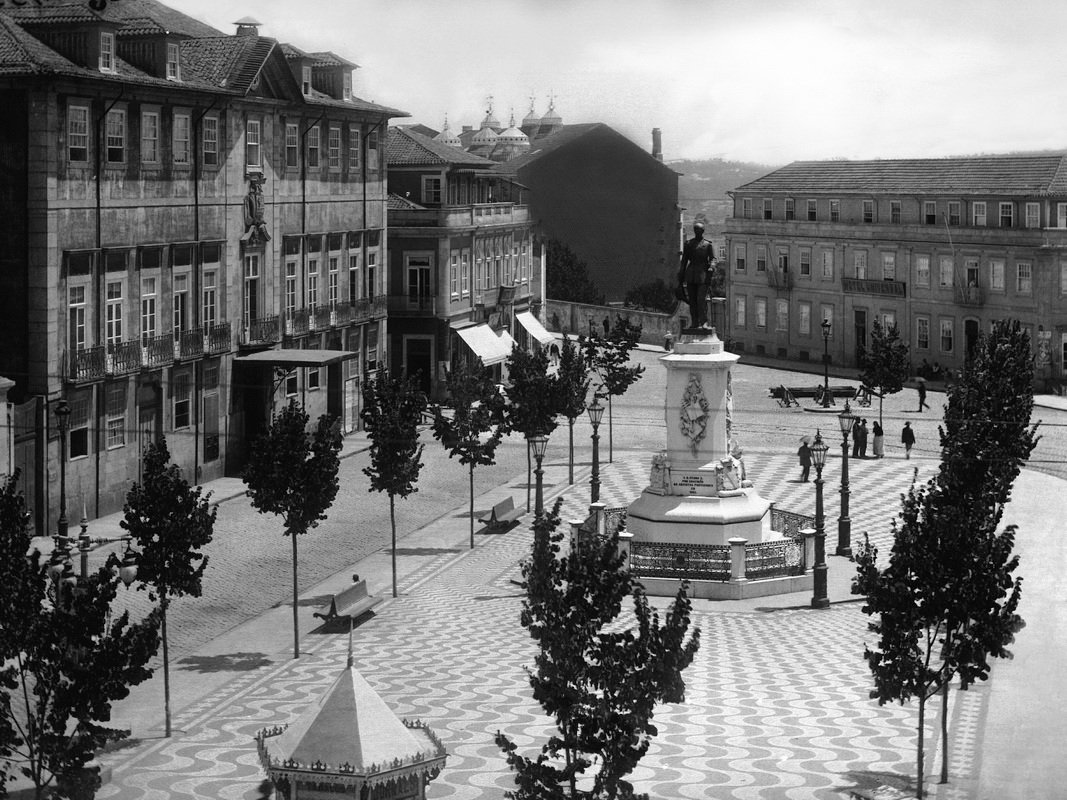
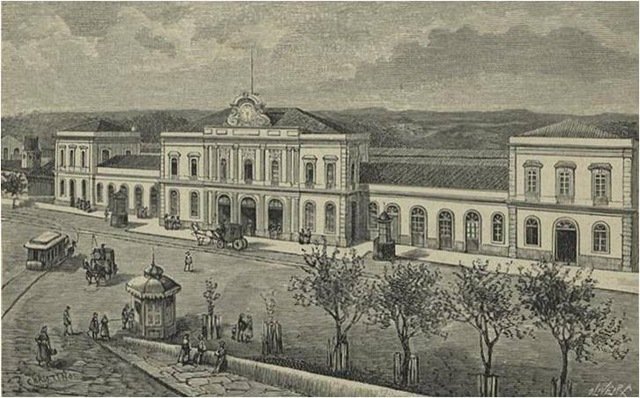
The 19th and 20th centuries brought industrial growth, new infrastructure (like the Dom Luís I Bridge and São Bento Station), and challenges of preservation amidst modernization (archdaily.com). Porto’s designation as a UNESCO World Heritage Site in 1996 recognized both its architectural legacy and ongoing efforts to balance heritage with modern needs (whc.unesco.org).
Practical Information
Major Sites and Hours:
- Sé Cathedral (Porto Cathedral): 9:00 AM–7:00 PM, free entry, donations welcome.
- Clérigos Tower and Church: 9:00 AM–7:00 PM, ~€5–€6; not wheelchair accessible.
- Palácio da Bolsa: 9:00 AM–6:30 PM, guided tours required, ~€10.
- São Bento Station: Open during train hours; free to visit.
- Livraria Lello: 10:00 AM–7:00 PM, €5 (deductible with book purchase).
- Igreja de São Francisco: 9:00 AM–6:00 PM, ~€8.
- Casa do Infante: Tuesday–Sunday, 10:00 AM–6:00 PM, ~€3.
- Port Wine Cellars (Vila Nova de Gaia): Typically 10:00 AM–6:00 PM, prices vary.
Tickets: Purchase online in advance for popular sites to avoid queues, especially during peak seasons. Consider guided tours for deeper insights into history and architecture.
Accessibility
While Porto has made progress in accessible tourism, its steep hills and cobblestone streets can be challenging. Many main attractions, such as São Bento Station and some wine cellars, offer accessible entrances and facilities (motion4rent.com), though others, like the Clérigos Tower and Livraria Lello, have limited access due to stairs. Public transport (metro, some trams, and buses) is generally accessible. Parking in the historic centre is scarce; use public transport or walk (abrokenbackpack.com).
Safety and Security
Porto’s historic centre is considered safe, with a lively atmosphere day and night (abrokenbackpack.com; city-guide-porto.com). Pickpocketing can occur in crowded areas—remain vigilant with your belongings. Avoid poorly lit alleys late at night and use licensed taxis or rideshare services for late returns. During rainy periods, cobbled streets and hills can be slippery—wear sturdy shoes and check weather conditions (city-guide-porto.com).
When to Visit
April–June and September–October offer the best balance of mild weather and moderate crowds. July–August is peak season with lively festivals but also higher prices and more visitors. Winters are quieter but wetter, with potential Douro flooding (city-guide-porto.com).
Where to Stay
Stay in the Ribeira or Baixa districts for proximity to key landmarks, vibrant atmosphere, and safety (travelhotelexpert.com). Options range from boutique hotels to hostels. Early booking is recommended during festivals and peak travel months (sologuides.com).
Essential Sights and Experiences
Must-See Landmarks
- Cais da Ribeira: Porto’s riverside promenade, filled with colorful houses, restaurants, and vibrant street life. Open 24/7; dining venues typically 12 PM–midnight.
- Dom Luís I Bridge: A double-deck metal bridge offering panoramic city views, free to cross at any time.
- Porto Cathedral (Sé do Porto): A blend of Romanesque, Gothic, and Baroque styles with sweeping city vistas.
- Clérigos Tower and Church: Iconic Baroque bell tower; climb for a 360° panorama.
- Livraria Lello: Ornate neo-Gothic bookstore; advance ticket purchase recommended.
- São Bento Station: Admire thousands of hand-painted azulejo tiles depicting Portugal’s history.
- Igreja de São Francisco: Famous for its gilded Baroque interior.
- Palácio da Bolsa: The neoclassical former stock exchange with guided tours.
- Port Wine Cellars (Vila Nova de Gaia): Guided tours and tastings at historic producers like Taylor’s and Sandeman.
Other highlights include Largo da Pena Ventosa, Miragaia, the Fernandina Wall, Carmo and Carmelitas Churches, Crystal Palace Gardens, and Foz do Douro for riverside and Atlantic views.
Port Wine Culture and Gastronomy
Porto’s culinary scene is a highlight, with specialties like francesinha, bacalhau, and pastel de nata. The Ribeira and Rua das Flores areas are filled with dining options, while the Bolhão Market offers fresh local produce (travelhotelexpert.com). Across the river, Vila Nova de Gaia is home to historic port wine cellars offering tastings and tours (lonelyplanet.com; earthtrekkers.com).
Events and Nightlife
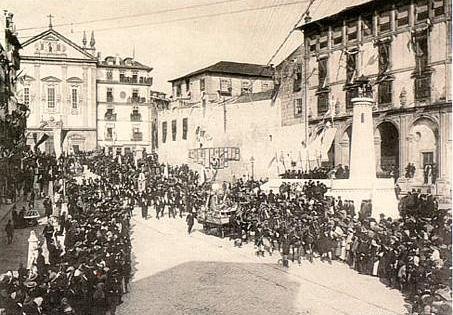
Porto’s historic centre is lively after dark, especially around Galeria de Paris and Cândido dos Reis streets. Annual highlights include the São João Festival (June), Serralves em Festa, Primavera Sound, and the Porto Photography Biennial. Many bars, music venues, and regular markets add to the city’s dynamic spirit (lisbonexplorers.com).
Navigating the Historic Centre
The area is best explored on foot, though be prepared for steep, cobbled streets. Public transport is efficient for longer distances, and river cruises provide unique perspectives (porto-north-portugal.com). For those with mobility needs, check accessibility at individual sites and consider using taxis or rideshare services (motion4rent.com).
Visitor Tips and Responsible Tourism
- Book tickets online for popular attractions.
- Start early to avoid crowds and capture the best photos.
- Wear comfortable shoes for cobbled and hilly terrain.
- Respect local customs: Dress modestly in churches, avoid excessive noise, and support local businesses.
- Carry some cash: Many places accept cards, but small purchases may require cash.
- Tipping: Not obligatory but appreciated (round up the bill or 5–10%).
- Use official tourism resources for accurate information and bookings (sologuides.com).
- Support responsible tourism: Buy from local artisans and be mindful of the local community.
Frequently Asked Questions (FAQ)
Q: What are the typical opening hours for Porto’s historic sites?
A: Most open between 9:00 AM and 7:00 PM, but hours may vary. Check individual sites for seasonal changes.
Q: Are guided tours available?
A: Yes, for major attractions and themed walking tours. Book in advance for the best availability.
Q: Is the historic centre accessible for people with disabilities?
A: Some sites are accessible, but steep, cobbled streets can be challenging. Check specific site details.
Q: Do I need tickets for all attractions?
A: Many major sites require tickets, while others (like São Bento Station and the Ribeira district) are free. Online purchasing is recommended.
Q: When is the best time to visit?
A: Spring (April–June) and autumn (September–October) for mild weather and fewer crowds.
Listen to the full story in the app
Your Personal Curator, in Your Pocket.
Audio guides for 1,100+ cities across 96 countries. History, stories, and local insight — offline ready.
Audiala App
Available on iOS & Android
Join 50k+ Curators
Sources
- verified
- verified
- verified
- verified
- verified
- verified
- verified
- verified
- verified
- verified
Last reviewed: