Introduction
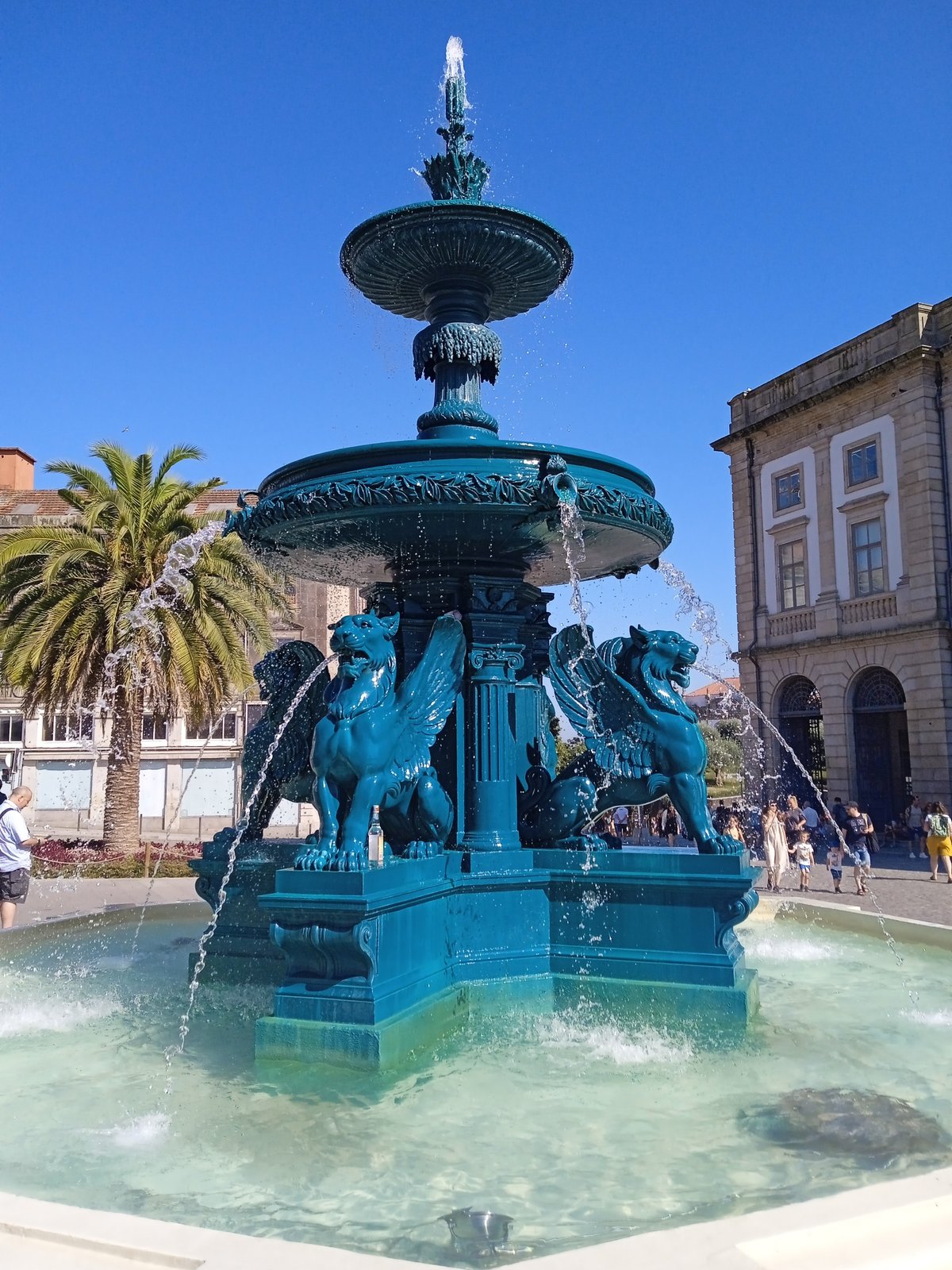
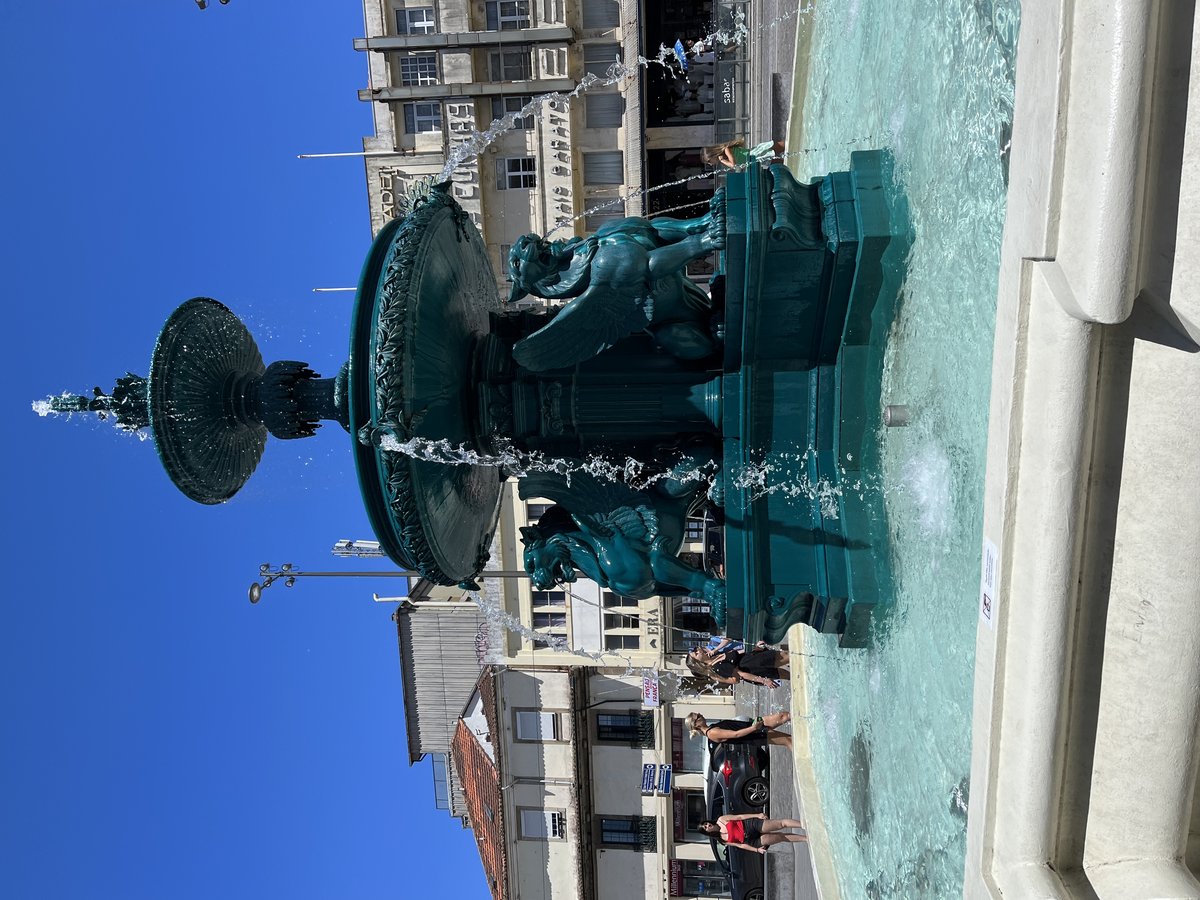
The Fonte dos Leões, or Lions' Fountain, is one of Porto's most iconic landmarks, offering a fascinating blend of historical, cultural, and architectural significance. Situated in the bustling Praça de Gomes Teixeira, this 19th-century fountain has become a symbol of Porto's civic pride and urban beauty. Designed by the renowned French sculptor Charles Lebourg and commissioned by the Companhia das Águas do Porto, the fountain was erected in 1886 as part of an initiative to improve public access to clean water. The Fonte dos Leões features four majestic bronze lions, each facing a different cardinal direction, symbolizing the city's strength and resilience (Porto City Council). Over the years, the fountain has not only served a functional purpose but has also become a popular social hub and cultural icon, frequently featured in art, literature, and photography. This guide aims to provide comprehensive information on visiting the Fonte dos Leões, including its history, architectural beauty, visiting hours, ticket prices, travel tips, nearby attractions, and more, ensuring you have an enriching and memorable experience in Porto (University of Porto).
Photo Gallery
Explore Fountain of the Lions (Porto) in Pictures
History of Fonte dos Leões
Origins and Construction
The Fonte dos Leões, or Lions' Fountain, is a significant historical landmark located in the heart of Porto, Portugal. This iconic fountain was constructed in the 19th century, specifically in 1886, during a period of urban development and modernization in Porto. The fountain was designed by the French sculptor Charles Lebourg, who was renowned for his work on public fountains and monuments across Europe. The Fonte dos Leões was commissioned by the Companhia das Águas do Porto, the city's water company, as part of a broader initiative to improve public access to clean water (Porto City Council).
Architectural Design
The Fonte dos Leões is a striking example of 19th-century public art and urban design. The fountain features a large, circular basin made of granite, with four majestic bronze lions standing guard around its perimeter. Each lion holds a shield bearing the coat of arms of Porto, symbolizing the city's strength and resilience. The lions are positioned to face the cardinal directions, a design choice that reflects the fountain's role as a central point in the city's urban landscape. The intricate detailing on the lions and the basin showcases the craftsmanship and artistic sensibilities of the period.
Historical Significance
The Fonte dos Leões holds considerable historical significance for the city of Porto. It was erected during a time when public fountains were not only functional but also served as symbols of civic pride and progress. The fountain provided a vital source of clean drinking water to the residents of Porto, which was crucial for public health and sanitation. Moreover, the Fonte dos Leões became a popular gathering spot for locals, serving as a social hub where people could meet, converse, and enjoy the beauty of their city.
Cultural Impact
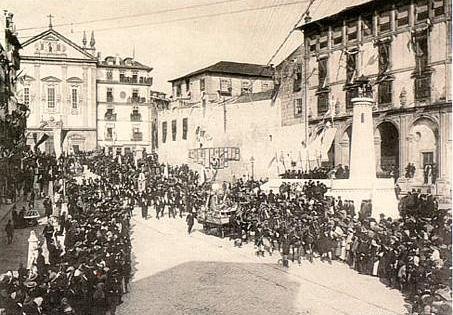
Over the years, the Fonte dos Leões has become an integral part of Porto's cultural heritage. The fountain is located in the Praça de Gomes Teixeira, a bustling square that is home to several important cultural institutions, including the University of Porto and the Igreja do Carmo. The proximity of these institutions has made the fountain a popular spot for students, academics, and tourists alike. The Fonte dos Leões has also been featured in numerous works of art, literature, and photography, further cementing its status as a cultural icon.
Preservation and Restoration
Given its historical and cultural significance, the Fonte dos Leões has been the subject of various preservation and restoration efforts over the years. In the late 20th century, the fountain underwent a major restoration project to address issues of wear and tear caused by exposure to the elements and urban pollution. The restoration work included cleaning and repairing the bronze lions, as well as reinforcing the granite basin to ensure its structural integrity. These efforts have helped to preserve the fountain for future generations to enjoy.
Visitor Information
Visiting Hours
The Fonte dos Leões is accessible to the public 24/7. However, for the best experience, it is recommended to visit during daylight hours when the intricate details of the fountain can be fully appreciated.
Ticket Prices
There is no admission fee to visit the Fonte dos Leões. It is a public monument situated in an open square, making it freely accessible to everyone.
Accessibility
The fountain and the surrounding Praça de Gomes Teixeira are wheelchair accessible. The area is paved and relatively flat, ensuring that visitors with mobility issues can enjoy the site without difficulty.
Travel Tips
- Best Time to Visit - Early mornings or late afternoons are ideal for visiting to avoid the crowds and enjoy the fountain in a more serene setting.
- Photography - The morning light offers excellent conditions for photography, capturing the intricate details of the bronze lions and the granite basin.
- Local Insights - Consider visiting nearby cafes and shops to experience local flavors and culture.
Nearby Attractions
- University of Porto - Located just a stone's throw away, this historic institution offers beautiful architecture and a vibrant academic atmosphere.
- Igreja do Carmo - A stunning baroque church known for its ornate facade and rich history, situated adjacent to the fountain.
- Livraria Lello - One of the most beautiful bookstores in the world, a short walk from the fountain.
Special Events and Guided Tours
The Fonte dos Leões is often included in guided tours of Porto, which provide historical context and interesting anecdotes about the fountain and its surroundings. Special events, such as cultural festivals and public gatherings, are occasionally held in the Praça de Gomes Teixeira, adding to the site's vibrancy.
Photographic Spots
- Close-Up of Lions - Capture the detailed craftsmanship of the bronze lions up close.
- Panoramic Views - Take a step back to include the entire fountain along with the surrounding square, capturing the essence of Porto's urban landscape.
- Night Shots - The fountain is beautifully illuminated at night, offering a different perspective and mood.
Listen to the full story in the app
Your Personal Curator, in Your Pocket.
Audio guides for 1,100+ cities across 96 countries. History, stories, and local insight — offline ready.
Audiala App
Available on iOS & Android
Join 50k+ Curators
Sources
- verified
- verified
- verified
- verified
Last reviewed: