Introduction
The Fountain of São Miguel (Chafariz de São Miguel) is a remarkable Baroque monument set in the heart of Porto’s UNESCO-listed historic center. Located beside the Porto Cathedral (Sé do Porto), this granite fountain is a testament to the city’s layered history, religious traditions, and civic pride. This comprehensive guide presents the fountain’s historical context, architectural features, visiting hours, ticket information, accessibility, nearby attractions, and practical tips, ensuring you make the most of your visit to this cherished Porto landmark (Wikipedia; Portoalities; Cooltour Oporto).
Photo Gallery
Explore Fountain of São Miguel in Pictures
Historical Context and Urban Development
Porto’s urban development, dating back to Roman times, accelerated in the Middle Ages as the city expanded beyond its original walls. The foundation of the diocese and the granting of a city charter in the 12th century spurred growth, necessitating reliable public water sources for the growing population (thecollector.com). In this context, public fountains like São Miguel became vital, serving as both sources of potable water and focal points for social interaction and daily life.
The Fountain of São Miguel emerged as an essential element of Porto’s medieval infrastructure. Positioned near the cathedral in the Sé parish, it provided much-needed water to residents of the densely populated area and became a gathering point integral to the rhythms of the city.
Architectural and Cultural Significance
Baroque Design and Symbolism
Constructed in the 18th century from local granite, the fountain exemplifies Portuguese Baroque civic architecture. Ornate stonework, scrolls, and volutes create a sense of movement and grandeur, while the vertical emphasis visually ties the monument to the nearby religious sites (EAA Architecture Guide).
Key Features:
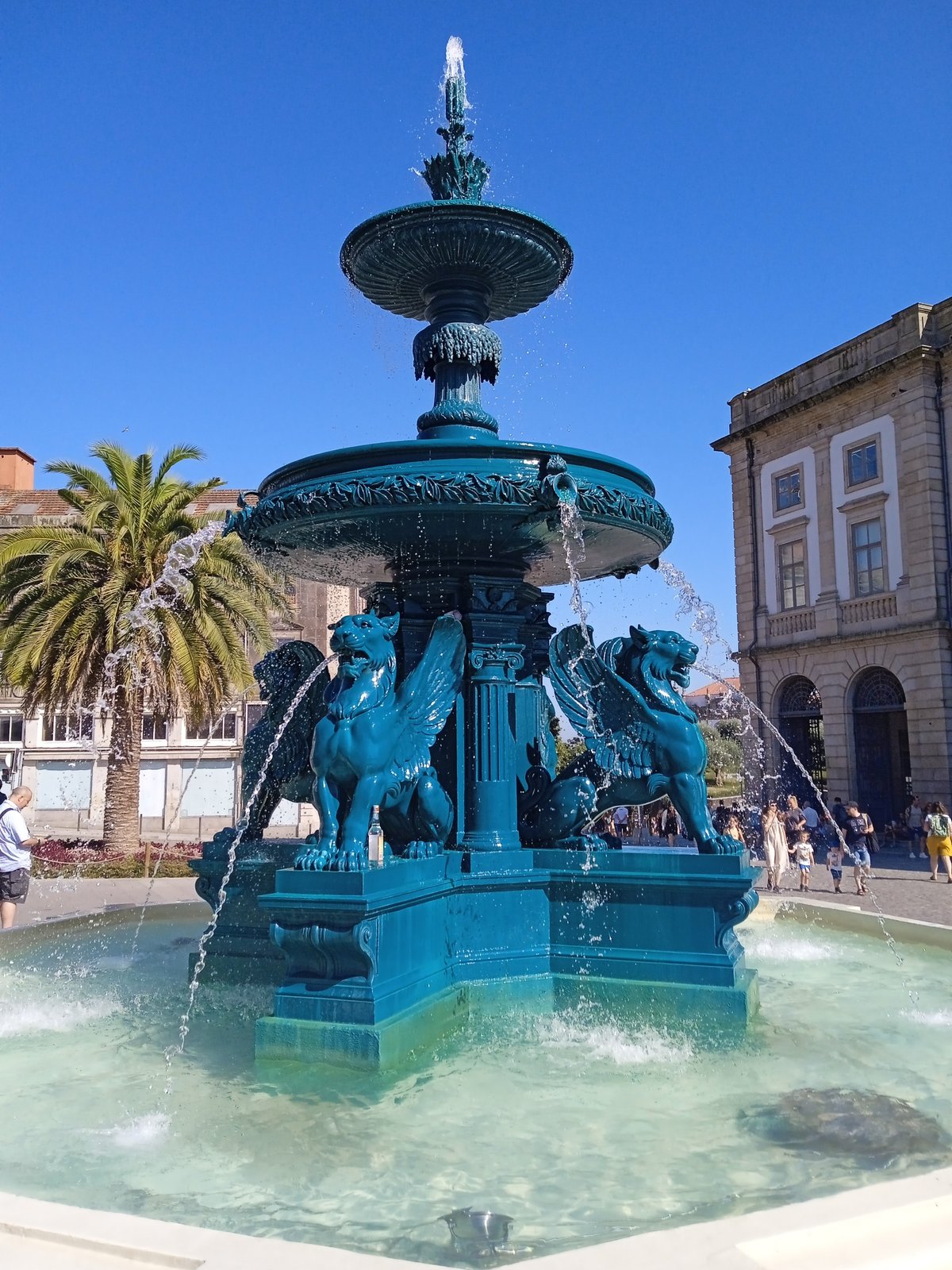
- Statue of Saint Michael: Central to the fountain is a granite statue depicting Saint Michael in armor vanquishing a demon, symbolizing the triumph of good over evil and reflecting Porto’s Catholic heritage.
- Water Basin and Spouts: Water flows from stylized spouts into a semi-circular basin, designed for both function and beauty.
- Pedestal and Inscription: A sturdy pedestal elevates the fountain for visibility, often inscribed with dedications or dates.
- Surrounding Paving: Traditional calçada Portuguese cobblestones frame the monument, integrating it into the historic square’s ambiance.
As a classified "Imóvel de Interesse Público" (Property of Public Interest), the fountain is protected and recognized for its historical and architectural value (Wikipedia; portosecreto.co).
Visiting Hours, Tickets, and Accessibility
- Opening Hours: The fountain is an outdoor public monument open 24/7, accessible year-round.
- Tickets: No admission fee or tickets are required.
- Accessibility: Set in a mostly flat, pedestrian-friendly square (Largo da Sé), the fountain is accessible by foot. However, some surrounding streets are narrow, steep, or cobbled, which may pose challenges for visitors with limited mobility. Wheelchair users will find the immediate area largely accessible, but should plan routes carefully (Visit Porto; Porto Visitor).
Practical Tips for Visitors
- What to Bring: Wear comfortable shoes suitable for cobblestone streets. Carry sun protection (hat, sunglasses, sunscreen) during summer months. A light jacket is recommended for evenings.
- Photography: Early mornings and late afternoons offer the best lighting for photos and a quieter atmosphere. The cathedral provides a stunning backdrop.
- Etiquette: The fountain is a protected heritage site—avoid climbing on the monument, littering, or using the basin for washing. Maintain respectful behavior, especially during religious services or processions.
Nearby Attractions
Enhance your visit by exploring these nearby historical sites:
- Porto Cathedral (Sé do Porto): Renowned for Romanesque and Gothic architecture, with panoramic city views.
- Episcopal Palace: Adjacent to the cathedral, featuring impressive interiors.
- Medieval City Walls (Fernandine Walls): Remnants of Porto’s ancient defenses.
- Ribeira District: Picturesque riverside quarter with colorful houses and lively cafés.
- Rua das Flores: Charming pedestrian street lined with shops and restaurants.
Public restrooms are available at Porto Cathedral (small fee) and nearby cafés. Souvenir shops and local eateries are plentiful in Largo da Sé.
Social and Community Functions
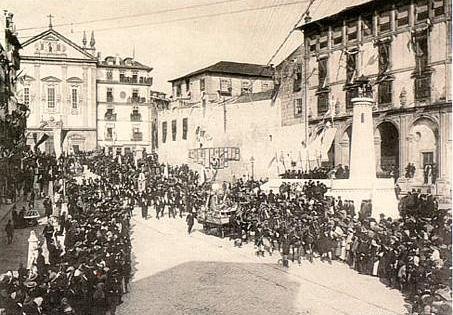
Historically, the fountain served as a social hub where residents gathered to collect water, share news, and participate in community rituals. Its proximity to the cathedral cemented its place in religious processions and public celebrations. Even today, the fountain is included in walking tours and remains a recognized meeting spot, connecting Porto’s past with modern urban life (Portoalities).
Preservation and Heritage Status
The Fountain of São Miguel is protected under Portuguese heritage law as a Property of Public Interest. Ongoing maintenance and periodic restoration ensure its structural integrity and artistic detail are preserved for future generations (Wikipedia). As part of Porto’s UNESCO World Heritage designation, its continued conservation is a priority for local authorities and heritage organizations.
Events and Seasonal Highlights
The fountain is often decorated and serves as a backdrop during Porto’s principal festivals, such as the Festa de São João in June. Religious processions and other local events frequently incorporate the site, adding vibrancy and reinforcing its enduring cultural significance (Portugal Visitor; Visit Porto).
Frequently Asked Questions (FAQ)
Q: What are the visiting hours for the Fountain of São Miguel?
A: The fountain is accessible 24/7 as it is an outdoor monument.
Q: Is there an admission fee?
A: No, visiting the fountain is free.
Q: How do I reach the Fountain of São Miguel?
A: It is located in Largo da Sé, next to Porto Cathedral. Accessible by foot, public transport, or limited parking nearby.
Q: Is the monument accessible for wheelchair users?
A: The square is generally accessible, but cobbled surfaces and some steep streets nearby may pose challenges.
Q: Are guided tours available?
A: Yes, many walking tours of Porto’s historic center include the fountain.
Q: Can I drink from the fountain?
A: No, the fountain is now a decorative monument and not intended for drinking.
Q: What is the best time to visit?
A: Early mornings or late afternoons for ideal light and fewer crowds.
Listen to the full story in the app
Your Personal Curator, in Your Pocket.
Audio guides for 1,100+ cities across 96 countries. History, stories, and local insight — offline ready.
Audiala App
Available on iOS & Android
Join 50k+ Curators
Sources
- verified
- verified
- verified
- verified
- verified
- verified
- verified
Last reviewed: