Introduction
Nestled in Porto’s picturesque Foz do Douro district, the Fountain of Passeio Alegre (Chafariz do Passeio Alegre) stands as an emblematic fusion of history, art, and nature. Situated at the heart of Passeio Alegre Garden, this neoclassical monument encapsulates both the city’s 19th-century urban transformation and its enduring dedication to communal green spaces. Whether you are a history buff, art enthusiast, or a traveler seeking tranquil beauty, this comprehensive guide details the fountain’s origins, architectural features, cultural significance, visiting hours, and practical travel tips to help you make the most of your visit (Evendo, Porto Tourism Official Site, Wikipedia, Trek Zone Guide).
Historical Background and Urban Context
The Fountain of Passeio Alegre was originally conceived during Porto’s 19th-century expansion, a period marked by the beautification of public spaces and the democratization of cultural monuments. Its initial design is attributed to Italian architect Nicolau Nasoni, whose work left an indelible mark on Porto’s architectural landscape (Wikipedia). Originally constructed for the gardens of Quinta da Prelada, the fountain was relocated in the 20th century to Passeio Alegre Garden, reflecting the city’s commitment to making art and nature accessible to all residents and visitors.
Passeio Alegre Garden itself was designed by Emile David in 1860, inspired by romantic European landscapes. The garden and fountain became integral to Foz do Douro’s transformation into a fashionable and culturally vibrant district (Audiala, Real Journey Travels).
Architectural Features and Artistic Heritage
Neoclassical Design
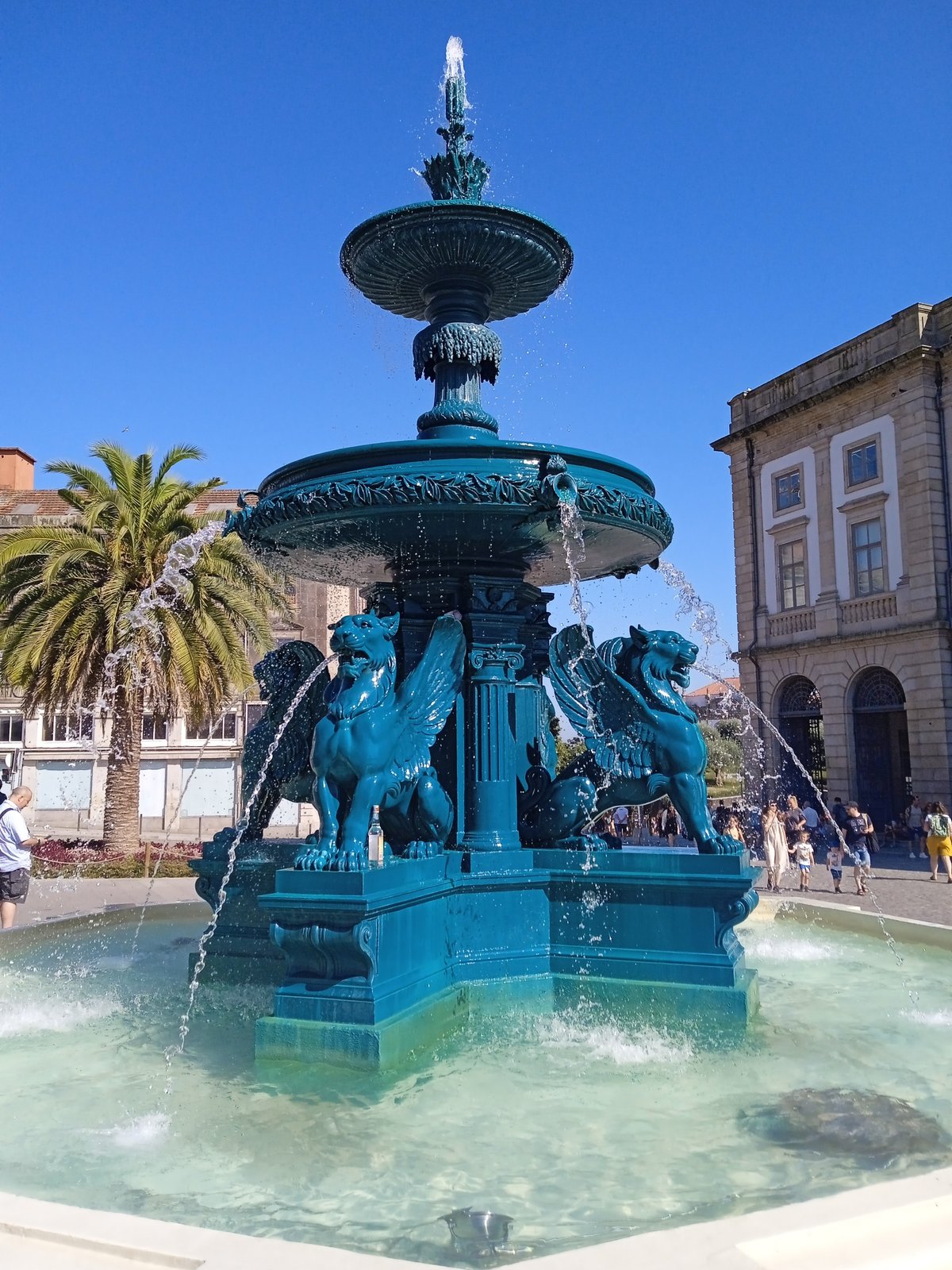
The fountain is a striking example of neoclassical architecture, characterized by its harmonious proportions, granite structure, and sculptural detailing. The basin is encircled by four lion statues—crafted from granite—each spouting water, symbolizing civic pride and strength. Ornamental bas-reliefs depict mythological figures, echoing Greco-Roman artistic motifs. The decorative azulejos (ceramic tiles) add a distinctly Portuguese touch, with blue and white patterns that speak to the city’s artistic traditions and resilience against coastal weather (Portuguese Tile Museum).
Integration with the Garden
The fountain’s placement within Passeio Alegre Garden is intentional, making it the focal point of a landscape rich in palm trees, ancient araucarias, and seasonal flowerbeds. The surrounding amenities—such as a historic bandstand, mini-golf, and the iconic Chalé Suíço kiosk—create a layered environment where art, history, and recreation blend seamlessly.
Cultural Significance and Community Role
The Fountain of Passeio Alegre is more than a decorative monument; it is a vibrant social and cultural hub. Over the decades, the fountain and its garden have hosted countless concerts, open-air events, and local festivals. As a gathering place for families, artists, and tourists, the site fosters community engagement and artistic inspiration. Preservation initiatives led by the city council and local organizations ensure that the fountain remains a cherished element of Porto’s cultural patrimony (Porto City Council, Audiala).
Visiting Information
- Location: Rua do Passeio Alegre, Foz do Douro, Porto, Portugal
- Opening Hours: Daily, 8:00 AM – 8:00 PM (until 10:00 PM in summer)
- Admission: Free
- Accessibility: Wheelchair accessible with paved paths and ramps. Public restrooms and shaded seating are available.
- Guided Tours: Offered by local operators and cultural organizations; booking in advance is recommended for a deeper historical perspective (Real Journey Travels).
Getting There: Transportation Options
- By Tram: Historic Tram Line 1 (Eléctrico 1) travels from Infante (city center) to Passeio Alegre, offering scenic riverfront views.
- By Bus: Bus lines 200, 201, and others connect central Porto to Foz do Douro. Schedule information is on the STCP website.
- By Metro: Take Metro Line A (Blue Line) to Casa da Música, then transfer to a bus or tram.
- By Car/Taxi: Limited street parking is available; taxis and ride-sharing offer convenience during busy periods.
- Walking/Cycling: Riverside promenades and cycling paths connect Passeio Alegre with Porto’s central districts (Porto Metro).
What to Expect at the Fountain and Gardens
- Fountain Features: Neoclassical granite structure, lion sculptures, and intricate tilework. The gentle cascade offers a serene ambiance—ideal for relaxation and photography.
- Passeio Alegre Garden Highlights: Palm-lined avenues, ancient trees, romantic landscaping, historic bandstand, mini-golf, and the renowned Chalé Suíço kiosk.
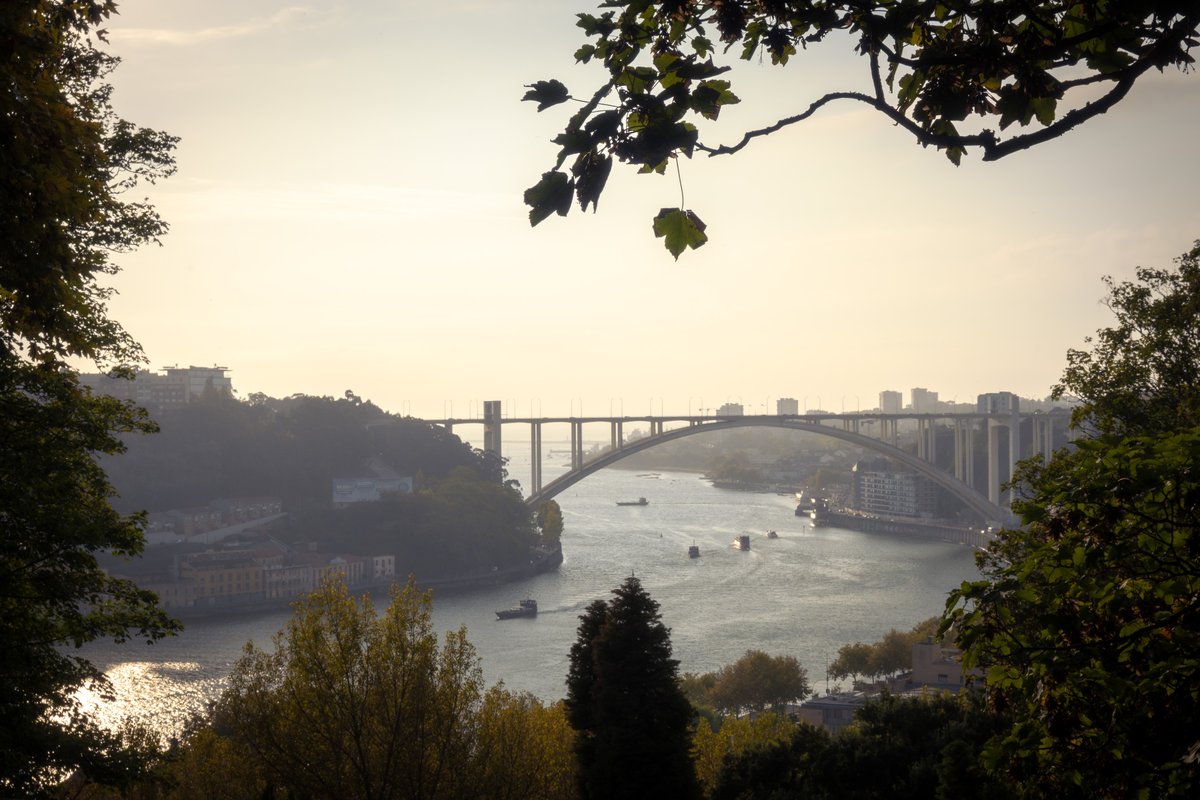
- Scenic Vistas: Views of the Douro River and Atlantic Ocean, especially beautiful at sunset.
- Amenities: Public restrooms, cafés, benches, and accessible paths.
Nearby Attractions
- Fortaleza de São João da Foz: Historic 16th-century riverside fortress.
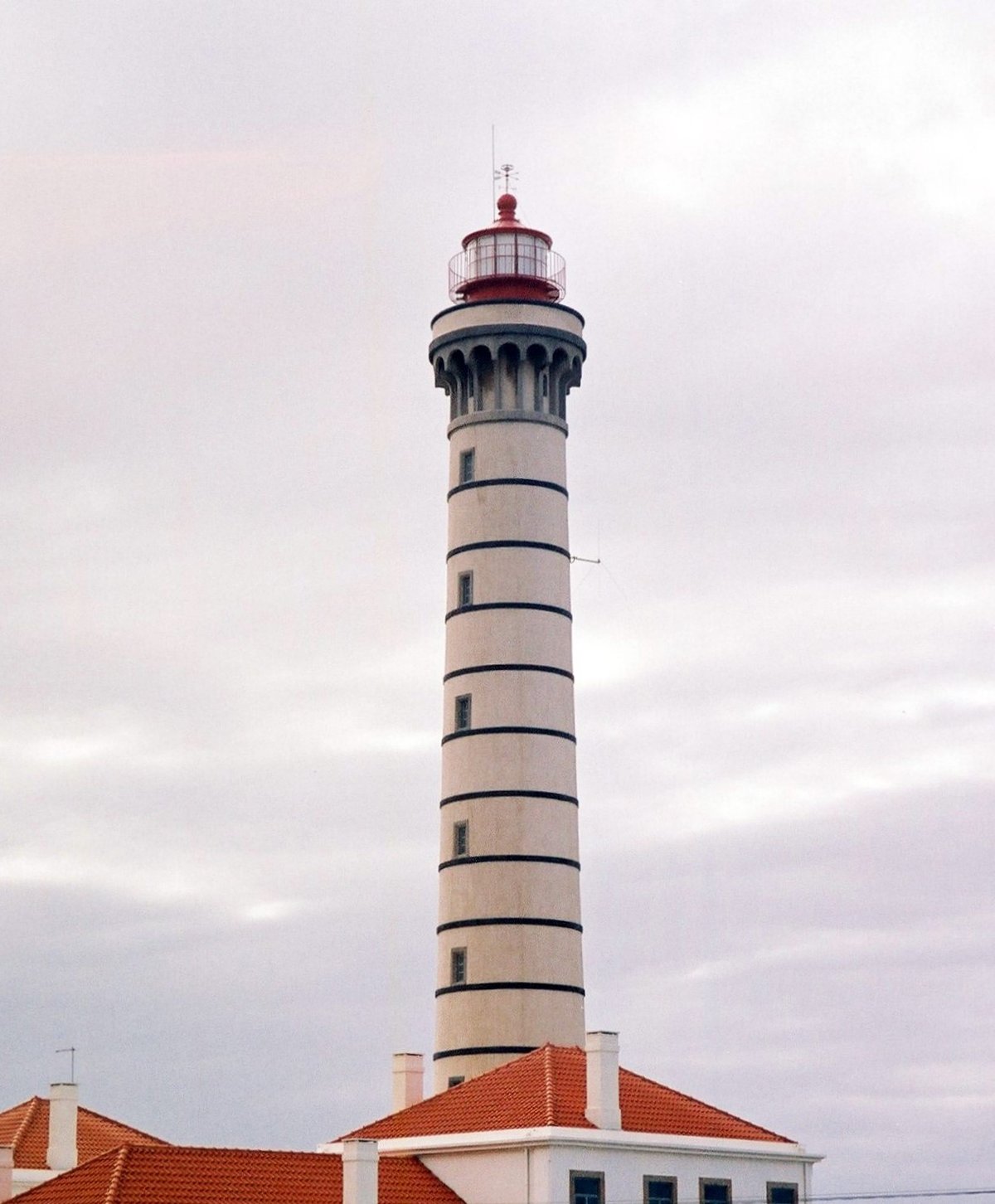
- Farol de Felgueiras Lighthouse: Dramatic Atlantic setting, easily accessible on foot.
- Pérgola da Foz: Elegant seaside promenade with classical columns.
- Serralves Museum & Gardens: Porto’s premier contemporary art museum set in expansive gardens (Serralves Museum).
- Douro Marina: Modern harbor with dining and leisure facilities.
Tips and Visitor Etiquette
- Best Times to Visit: Spring and early summer for flower displays; late afternoon for soft lighting and sunset views; weekdays for fewer crowds.
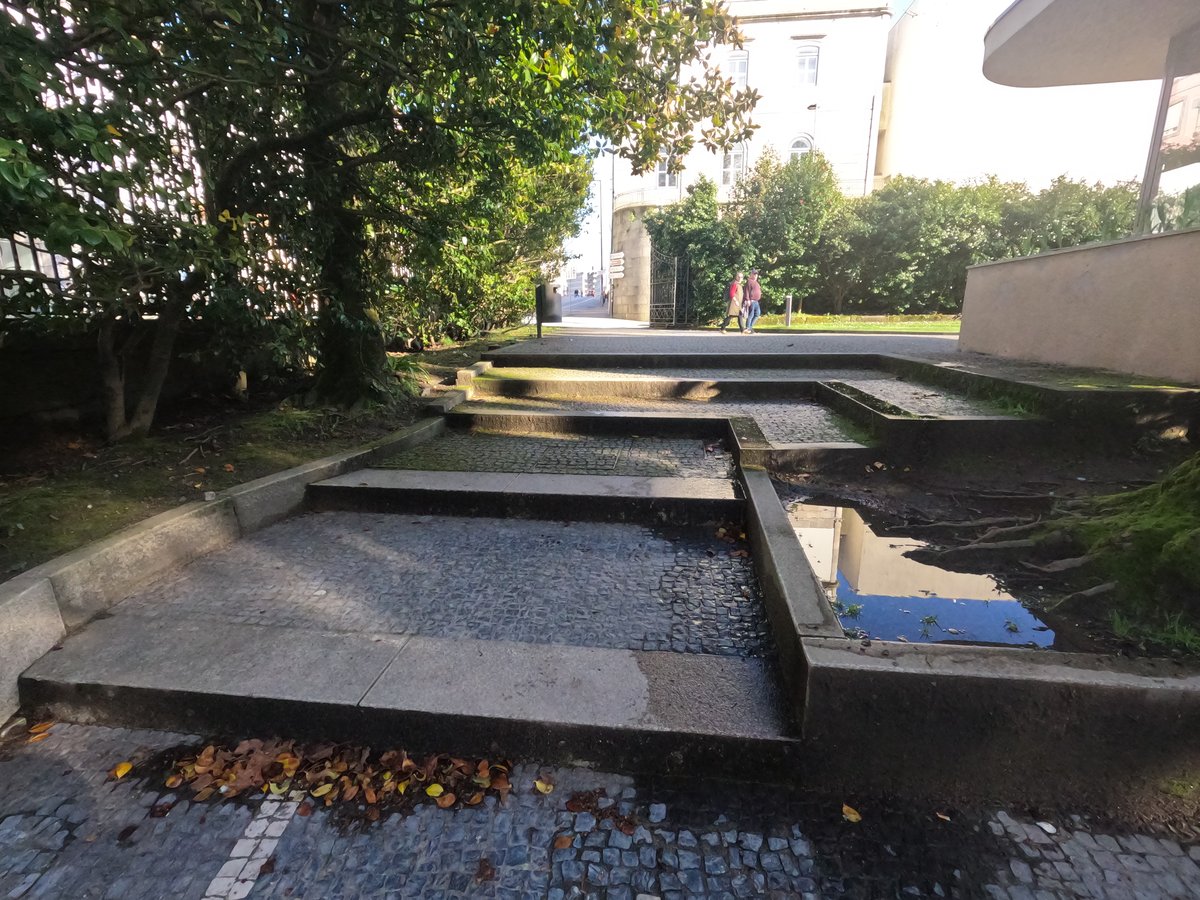
- Accessibility: Most paths are flat and stroller/wheelchair-friendly, though some older stonework may be uneven.
- Respect the Monument: Climbing or defacing the fountain is prohibited. Maintain a peaceful environment and dispose of litter responsibly.
- Photography: Early mornings and late afternoons provide optimal lighting.
Events and Activities
Passeio Alegre Garden hosts open-air concerts, festivals, and cultural events, especially during spring and summer. The bandstand and fountain are often at the heart of these activities. Major city celebrations, such as the São João Festival, bring special decorations and performances to the site (Explorial, Visit Porto).
Photography and Media Suggestions
- Panoramic Shots: Capture the fountain in the context of the lush gardens (alt text: "Neoclassical granite fountain with lion statues in Passeio Alegre Garden, Porto").
- Detail Photography: Focus on azulejo tiles, sculpted lions, and mythological carvings.
- Garden Overviews: Pathways, ancient trees, and the bandstand provide compelling backdrops.
- Videos: Record the sound and movement of water for immersive content.
Frequently Asked Questions (FAQ)
Q: What are the visiting hours?
A: 8:00 AM to 8:00 PM daily; until 10:00 PM in summer.
Q: Is there an entrance fee?
A: No, both the garden and fountain are free to access.
Q: Is the site wheelchair accessible?
A: Yes, paved paths and ramps ensure accessibility.
Q: How do I get there by public transport?
A: Tram Line 1, bus routes 200/201, and metro-to-bus connections serve Passeio Alegre.
Q: Are guided tours available?
A: Yes, offered by local tour companies and cultural groups.
Q: What nearby attractions can I combine with my visit?
A: Fortaleza de São João da Foz, Farol de Felgueiras, Serralves Museum, and Douro Marina are all within walking distance.
Listen to the full story in the app
Your Personal Curator, in Your Pocket.
Audio guides for 1,100+ cities across 96 countries. History, stories, and local insight — offline ready.
Audiala App
Available on iOS & Android
Join 50k+ Curators
Sources
- verified
- verified
- verified
- verified
- verified
- verified
- verified
- verified
- verified
Last reviewed: