Introduction: The Historical Pillar of Porto’s Coast
Forte de São João Baptista da Foz stands as one of Porto’s most emblematic landmarks, marking the dramatic point where the Douro River meets the Atlantic Ocean. This fortress, rooted in Portugal’s centuries-old maritime defense strategies, offers an immersive journey through the nation’s military, architectural, and cultural evolution. Transforming from a 12th-century Benedictine monastery into a bastioned stronghold during the Renaissance, the fortress has witnessed pivotal moments in Portuguese history—from the Restoration War to the Liberal Wars—solidifying its role as both guardian and symbol of Porto’s resilience.
Today, the fortress is a destination for history enthusiasts, architecture lovers, and travelers seeking panoramic sea views and a tangible connection to Porto’s vibrant past. This in-depth guide consolidates all you need to know about visiting Forte de São João Baptista da Foz—including practical visitor information, historical context, nearby attractions, and tips for making your trip unforgettable. For official updates, visiting hours, and historical background, consult resources like the Porto Tourism Board and the Museu Militar do Porto.
Early Foundations and Evolution
The roots of Forte de São João Baptista da Foz trace back to a 12th-century Benedictine monastery dedicated to Saint John the Baptist. Recognizing the strategic vulnerability of Porto’s river entrance, King Sebastian ordered the construction of a modern fortress in 1570 to counteract pirate raids and foreign invasions (Visit Porto). The fortification was completed in the early 17th century, with subsequent enhancements under King John IV during the Restoration War, aligning with advancements in military architecture (Direção-Geral do Património Cultural).
Architectural Features and Preservation
Forte de São João Baptista da Foz is a quintessential example of Renaissance bastioned fortification, featuring a star-shaped plan with thick granite bastions and angular walls designed to deflect cannon fire. Notable elements include a moat, drawbridge, and a central keep—hallmarks of the trace italienne style. The neoclassical portal, added in the 18th century, enhances the fort’s grandeur. The structure covers approximately 2,000 square meters and retains many original features, such as the royal coat of arms, barracks, and a 17th-century chapel (All About Portugal).
Ongoing restoration and maintenance by national heritage bodies have preserved the fortress’s integrity, allowing visitors to experience its historical ambiance (Monumentos.gov.pt).
Key Historical Roles
Throughout its existence, the fortress played critical roles in several conflicts:
- Portuguese Restoration War (1640–1668): Strengthened as a frontline defense against Spanish incursions.
- Peninsular War (19th century): Occupied and contested during the Napoleonic invasions.
- Liberal Wars (1832–1833): Served as a stronghold during the Siege of Porto, pivotal in the city’s defense (Museu Militar do Porto).
The fortress’s use shifted in the 19th and 20th centuries—from customs enforcement to a political prison, even housing notable figures such as the Marquês de Pombal and inspiring poet Florbela Espanca (Time Out Porto).
Visiting Information: Hours, Tickets & Accessibility
Opening Hours
- Current Schedule: Open to the public Monday to Friday, 9:00 AM – 5:30 PM.
- Closed: Weekends and public holidays.
- Note: Hours may vary seasonally or due to administrative activities. Always check the official website before visiting.
Admission & Tickets
- Entry: Free for all visitors.
- Guided Tours: Not regularly available due to the fort’s administrative use, but advance arrangements can be made for group visits.
Accessibility
- The historic structure features uneven surfaces, steps, and narrow passageways; wheelchair access inside the fort is limited.
- The exterior and adjacent promenade are more accessible.
- No elevators or ramps are available.
Facilities
- On-site amenities are minimal—no cafés, shops, or public restrooms inside the fort.
- Nearby facilities in the Foz district offer food, beverages, and restrooms.
Things to See and Do
- Walk the Ramparts: Enjoy panoramic views of the Atlantic Ocean and Douro River from the fortress walls.
- Architectural Highlights: Observe the blend of Renaissance, Baroque, and Neoclassical elements, including the star-shaped bastions and ornate portal.
- Chapel of Saint John the Baptist: View remnants of the original monastery, including a 17th-century altarpiece.
- Photography: Capture the dramatic coastal scenery and historic architecture—especially beautiful during sunset.
- Interpretive Panels: Learn about the site’s history from on-site information boards (mostly in Portuguese).
Nearby Attractions in Foz do Douro
Visiting the fortress is an excellent starting point for exploring the elegant Foz do Douro district:
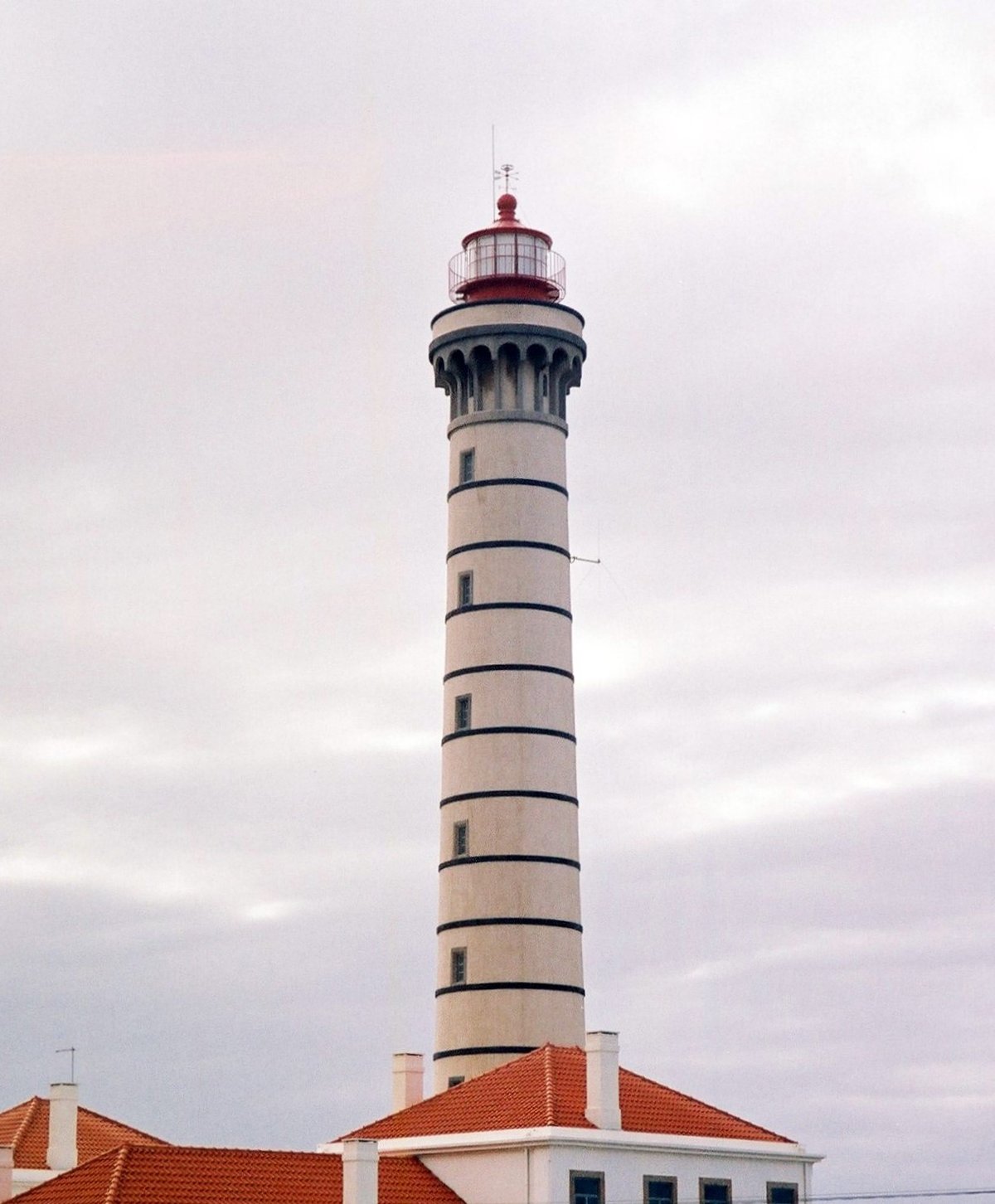
- Farol de São Miguel (São Miguel Lighthouse): Portugal’s oldest lighthouse, built in 1527, is a short walk away (All About Portugal).
- Jardim do Passeio Alegre: A lovely public garden perfect for strolling or relaxing.
- Foz Beaches: Praia do Carneiro and Praia dos Ingleses offer sandy shores and beachfront cafés.
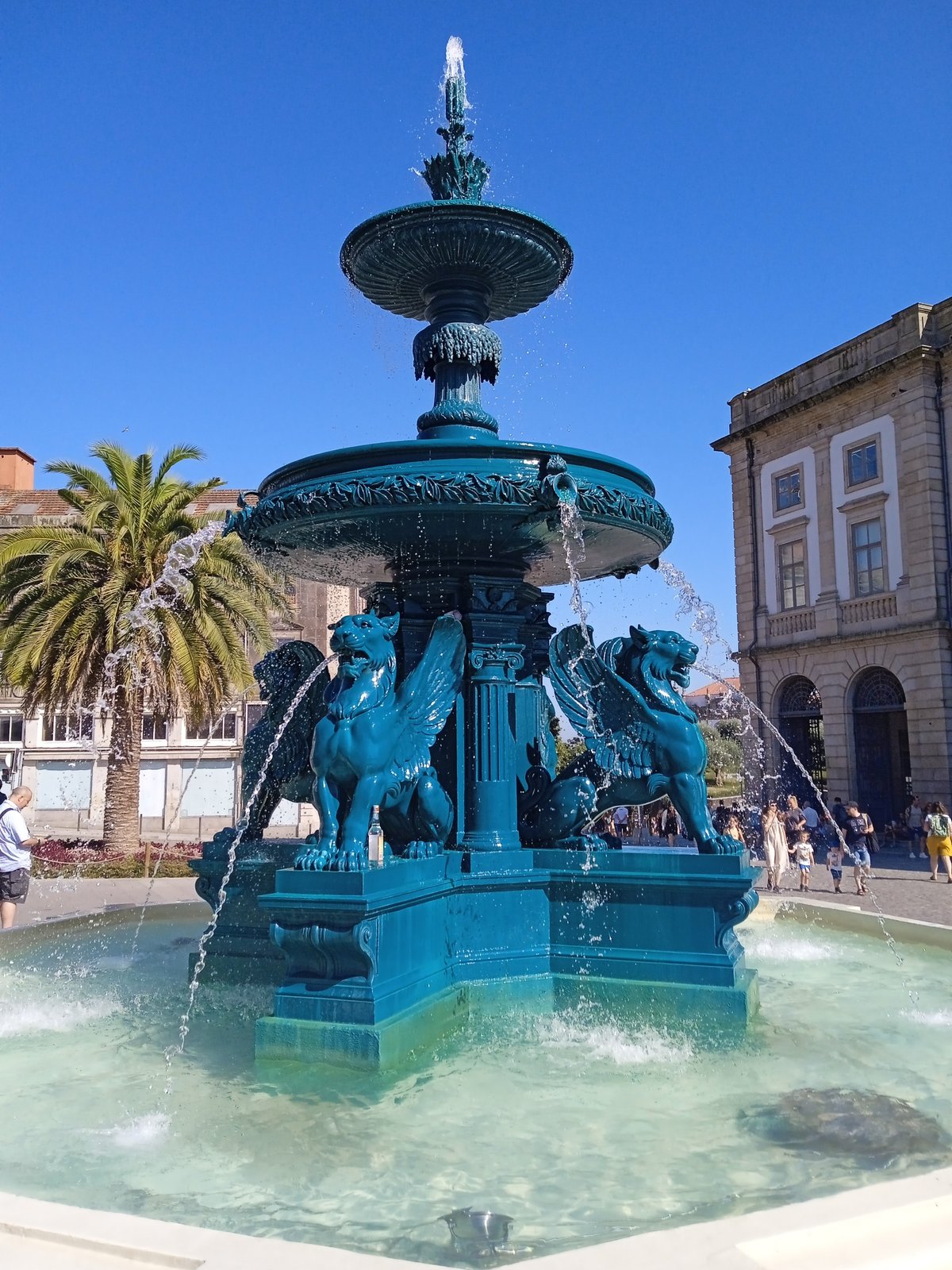
- Chafariz do Passeio Alegre: An 18th-century fountain designed by Nicolau Nasoni.
- Local Markets: Experience regional flavors and crafts at Mercado da Foz (Bonjour Porto).
- Serralves Museum and Park: A contemporary art and cultural center a short ride away.
Practical Visitor Tips
- Best Time to Visit: Weekday mornings or late afternoons for fewer crowds and best photography lighting.
- Weather: The Atlantic coast is often breezy—bring a light jacket.
- Footwear: Wear comfortable shoes for cobbled and uneven surfaces.
- Group Visits: Contact the fort in advance for groups to ensure access.
- Respect Restricted Areas: Some sections are off-limits due to ongoing government use.
- Language: Most signage is in Portuguese; consider a translation app.
Frequently Asked Questions (FAQ)
Q: What are the visiting hours for Forte de São João Baptista da Foz?
A: Open Monday to Friday, 9:00 AM to 5:30 PM; closed weekends and public holidays.
Q: Is there an admission fee?
A: Admission is free for all visitors.
Q: Are guided tours available?
A: Not regularly, but group tours can be arranged in advance.
Q: Is the fort wheelchair accessible?
A: Accessibility inside is limited due to historic architecture, but the exterior promenade is more accessible.
Q: Can I take photos inside the fortress?
A: Yes, photography is permitted and encouraged.
Q: Are there on-site amenities?
A: Facilities are minimal; use nearby cafés and restaurants for restrooms and refreshments.
Listen to the full story in the app
Your Personal Curator, in Your Pocket.
Audio guides for 1,100+ cities across 96 countries. History, stories, and local insight — offline ready.
Audiala App
Available on iOS & Android
Join 50k+ Curators
Sources
- verified
- verified
- verified
- verified
- verified
- verified
- verified
- verified
- verified
- verified
Last reviewed: