Introduction
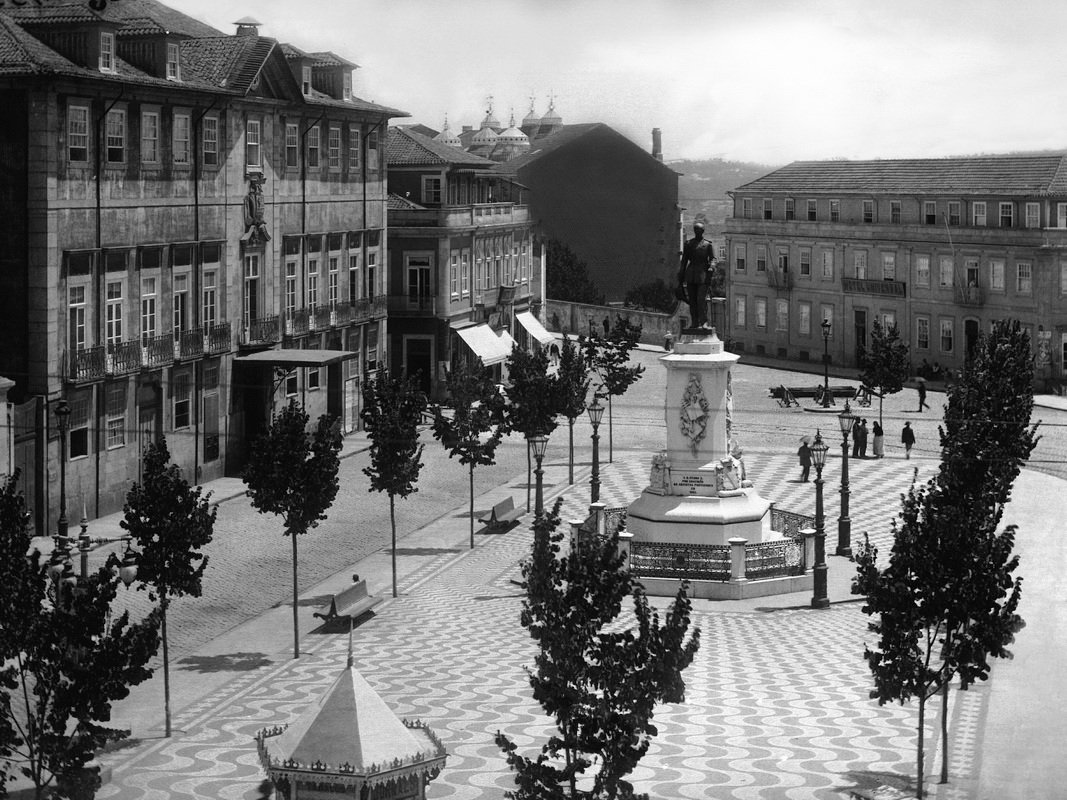
The Estátua do Infante D. Henrique, or Statue of Prince Henry the Navigator, is one of Porto’s most iconic monuments and a vital symbol of Portugal’s maritime heritage. Located in the heart of Porto’s historic district at Praça do Infante D. Henrique, the statue commemorates Prince Henry’s pivotal role in the Age of Discovery. This guide offers a comprehensive overview of the monument’s history, artistic features, visiting hours, accessibility, and surrounding attractions, enabling you to make the most of your visit to Porto’s vibrant historical center. For deeper historical context, consult authoritative sources such as Walk in Porto, Wikipedia, and Visit Porto.
Photo Gallery
Explore Estátua Do Infante D. Henrique in Pictures
Historical Background and Artistic Significance
Prince Henry and the Age of Discovery
Prince Henry the Navigator, born in Porto in 1394 as the fourth son of King John I, was a central figure in initiating Portugal’s overseas explorations. He sponsored expeditions along the West African coast and the Atlantic islands, laying the groundwork for the Portuguese Empire and global maritime routes (Wikipedia). The statue marks Porto’s connection to this transformative era.
Monument Origins
The Estátua do Infante D. Henrique was commissioned to commemorate the 500th anniversary of Prince Henry’s birth and inaugurated in 1894. Sculptor Tomás Costa designed the monument to reflect Henry’s enduring legacy. The statue is a key element of Porto’s efforts to memorialize its maritime past and celebrate national pride (publicartaroundtheworld.com).
Monument Design and Symbolism
The statue depicts Prince Henry as a knight in armor, with his right arm extended towards the Atlantic Ocean, symbolizing Portugal’s call to exploration. In his left hand, he holds a navigational scroll, signifying his innovative leadership in maritime discovery. The pedestal is richly adorned with allegorical figures representing the Discoveries and Victory, as well as shields bearing the cross of Christ, referencing the Order of Christ’s support for exploration (walkinporto.com).
Key sculptural elements include:
- Bronze Reliefs: Illustrate pivotal events such as the conquest of Ceuta and Prince Henry’s association with Sagres.
- Allegorical Figures: Represent the spirit of discovery, triumph, and the religious motivations behind Portugal’s maritime expansion.
- Maritime Motifs: Tritons, horses, and a bronze angel atop a globe evoke the power and mystery of the sea (publicartaroundtheworld.com).
Visiting Information: Hours, Tickets, and Accessibility
Visiting Hours
The Estátua do Infante D. Henrique and its surrounding square are open 24 hours a day, seven days a week. There are no barriers or gates, ensuring free and continuous access (Explorial).
Entry and Tickets
No tickets or entry fees are required; the monument is freely accessible to all visitors (Explorial).
Accessibility
- Physical Accessibility: The square is flat and paved, suitable for wheelchair users and visitors with limited mobility. Pathways allow close viewing from multiple angles (Walk in Porto).
- Amenities: Benches and shaded areas are available. Public restrooms are located nearby at Palácio da Bolsa and Mercado Ferreira Borges.
- Signage: Informational plaques are in Portuguese; guided tours or translation apps can assist with interpretation.
- Lighting: The area is well-lit at night for safe and atmospheric visits.
Guided Tours and Photography
While there are no dedicated tours for the statue itself, many Porto walking tours include it as a featured stop, offering rich historical context (Porto Walking Tours). Early morning and late afternoon provide the best natural light for photography, with the Palácio da Bolsa and Ribeira facades offering picturesque backdrops.
Getting There and Practical Tips
Directions
- On Foot: The statue is easily reached from São Bento railway station (10-minute walk), the Ribeira riverfront, and other central landmarks.
- Public Transport: São Bento metro station (Line D), numerous bus routes, and tram line 1 provide convenient access.
- By Car: Public parking is available nearby (Parque de Estacionamento Infante, Ribeira parking), but walking is preferable due to narrow streets and limited parking (Living in Iberia).
Practical Tips
- Best Times: Visit during daylight for optimal lighting and safety; early mornings and late afternoons are less crowded.
- Safety: The area is generally safe but keep an eye on personal belongings in crowded conditions.
- Language: Portuguese is used on signage, but English is widely spoken in tourist areas.
Nearby Attractions in Porto
The Estátua do Infante D. Henrique is surrounded by key attractions:
- Palácio da Bolsa: Renowned for its neoclassical architecture and the lavish Arab Room (Palácio da Bolsa).
- Mercado Ferreira Borges: Historic iron market hall now hosting restaurants and cultural events.
- Igreja de São Francisco: Gothic church with a stunning Baroque interior.
- Casa do Infante: Museum housed in Prince Henry’s birthplace, exploring Porto’s Roman and medieval past (Casa do Infante).
- Ribeira District: UNESCO World Heritage area famous for its colorful facades, lively atmosphere, and panoramic Douro River views (UNESCO).
- Douro Riverfront (Cais da Ribeira): Lined with cafés, bars, and restaurants offering local cuisine and Port wine.
Porto’s Ribeira District: Context and Culture
The Ribeira district is the historic heart of Porto and a UNESCO World Heritage Site, known for its medieval streets, vibrant markets, and community events. The Estátua do Infante D. Henrique is a central fixture in this dynamic quarter, often hosting cultural festivals such as the São João Festival in June (São João Festival). The area is alive with music, street art, and the city’s enduring maritime traditions (Porto Art Scene).
Gastronomy in the Ribeira features traditional dishes like francesinha and bacalhau à Brás, and the district’s wine bars provide opportunities to sample local Port wine (Port Wine Cellars).
Frequently Asked Questions (FAQ)
Q: What are the visiting hours for Estátua do Infante D. Henrique?
A: The monument and square are accessible 24/7 as an outdoor public space.
Q: Is there an entry fee or ticket required?
A: No, visiting the statue is completely free.
Q: Is the site wheelchair accessible?
A: Yes, the square features paved walkways and curb cuts for wheelchair access.
Q: Are there guided tours?
A: While there are no official tours for the statue alone, many walking tours of Porto’s historic center include it as a highlight.
Q: What attractions are nearby?
A: Palácio da Bolsa, Mercado Ferreira Borges, Igreja de São Francisco, Casa do Infante, and the Douro riverfront are all within walking distance.
Q: Where are the nearest restrooms?
A: Public restrooms are available at nearby attractions such as Palácio da Bolsa and Mercado Ferreira Borges.
Listen to the full story in the app
Your Personal Curator, in Your Pocket.
Audio guides for 1,100+ cities across 96 countries. History, stories, and local insight — offline ready.
Audiala App
Available on iOS & Android
Join 50k+ Curators
Sources
-
verified
Estátua do Infante D
Henrique: A Complete Visitor’s Guide to Porto’s Iconic Maritime Monument, 2024, Walk in Porto
- verified
- verified
-
verified
Estátua Do Infante D
Henrique in Porto: History, Artistic Features, Visiting Hours, and Visitor Information, 2024, Neotopografia Projecto Patrimonio
-
verified
Visiting Estátua do Infante D
Henrique in Porto: Hours, Tickets, and Nearby Attractions, 2024, Living in Iberia
-
verified
Discover the Estátua Do Infante D
Henrique: Visiting Hours, Tickets, and Nearby Attractions in Porto, 2024, Visit Porto
- verified
- verified
Last reviewed: