Introduction: The Legacy of Estátua de D. Pedro V in Porto
In the heart of Porto, the Estátua de D. Pedro V stands as a distinguished tribute to one of Portugal’s most forward-thinking 19th-century monarchs. Located in the lively Praça da Batalha, this bronze monument recognizes King Pedro V, celebrated for his progressive reforms and dedication to public welfare during his brief reign from 1853 to 1861. The statue is not just a testament to the king’s enduring legacy; it also serves as a symbol of Porto’s resilience, modernization, and cultural identity, anchoring a square that has evolved into a vibrant hub of civic and artistic life (Wikipedia; All About Portugal; Vila Rachel).
Praça da Batalha itself is historically significant, its name recalling a legendary 10th-century battle and its evolution from a medieval gateway to a pedestrianized civic center. Framed by landmarks such as the Palácio da Batalha, Teatro Nacional São João, and Cinema Batalha, the square offers a unique blend of architecture and culture, making it a must-visit for anyone exploring Porto’s heritage (FeriasPortugal; Walk in Porto).
This guide provides all the essential information for visitors—including hours, ticketing, accessibility, nearby attractions, and tips—to ensure you make the most of your time at this iconic Porto site (Visit Porto; All About Portugal).
Photo Gallery
Explore Estátua De D. Pedro v Na Praça Da Batalha in Pictures

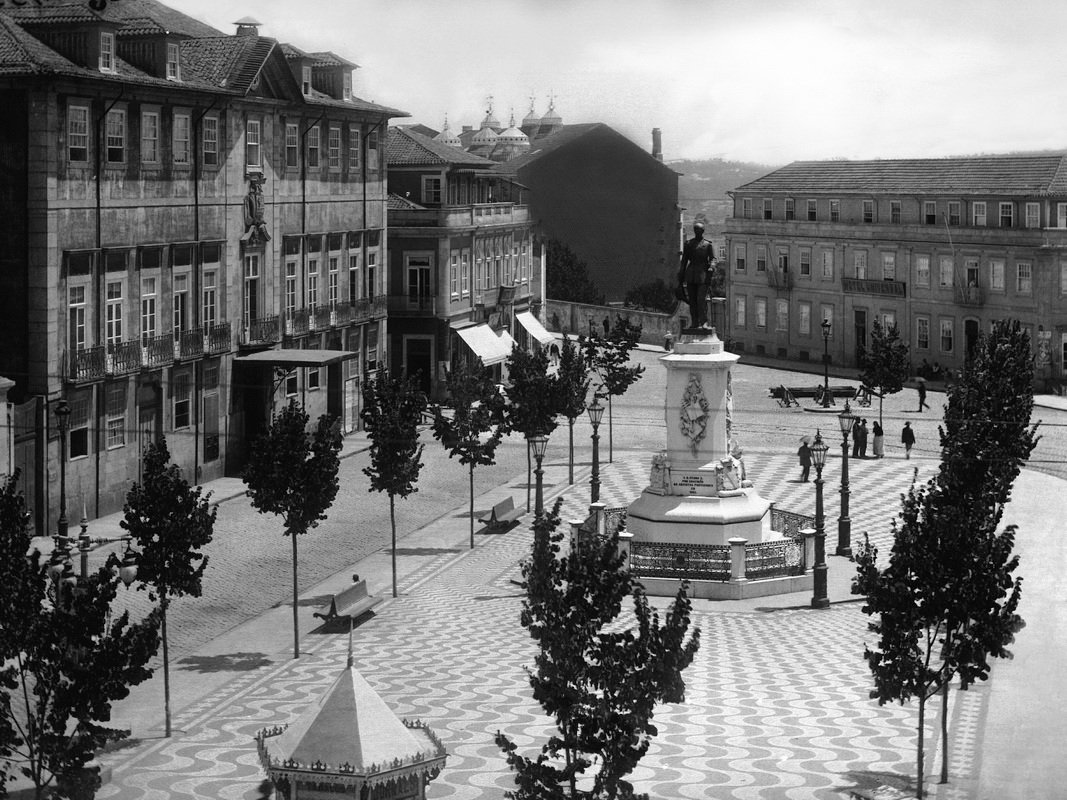
Statue of Dom Pedro V located at Praca da Batalha square in Porto, Portugal, showcasing historical significance and architectural beauty.

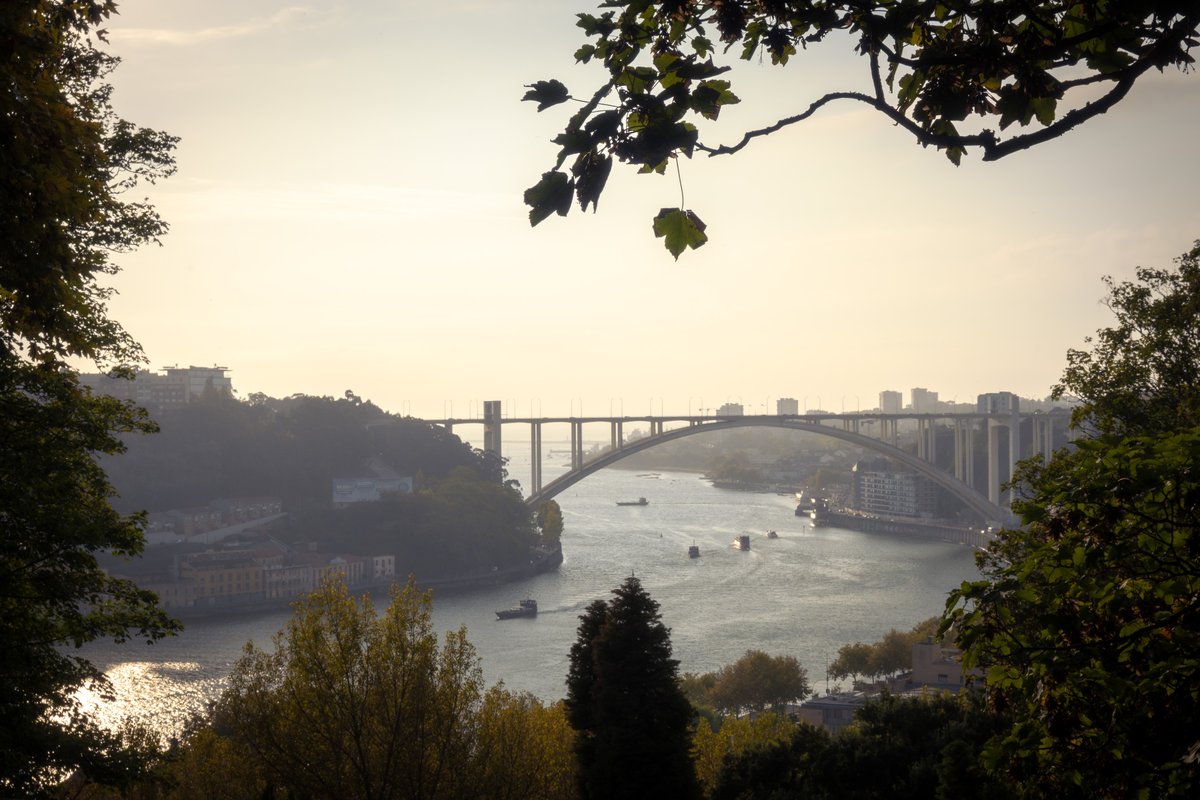
Scenic panorama of Porto, Portugal featuring traditional Portuguese red rooftops and the Douro River under a clear sky.

Statue of D. Pedro V by José Joaquim Teixeira Lopes, created in 1862, located in Batalha Square, Porto, Portugal
Historical Origins of Praça da Batalha
Praça da Batalha derives its name from a 10th-century battle purportedly fought between Porto’s inhabitants and Moorish forces led by Al-Mansur Ibn Abi Aamir. While the historical accuracy of this event is debated, the name has persisted, infusing the square with a deep sense of resilience and historical memory (Wikipedia; FeriasPortugal). Over centuries, the area transformed from a fortified gateway into a bustling public space, central to Porto’s urban and social life.
Urban Development and Transformation
The 19th century marked a significant period of urbanization for Praça da Batalha. The demolition of the medieval walls allowed for the construction of grand civic buildings and the expansion of the city beyond its ancient core. The square's current layout began to take shape in 1861, reflecting Porto’s embrace of new civic and architectural ideals (FeriasPortugal). The installation of the Estátua de D. Pedro V in 1866, crafted by José Joaquim Teixeira Lopes, further cemented the square’s status as a symbol of modernization and cultural ambition (Vila Rachel).
The Statue of D. Pedro V: Artistic and Historical Significance
The Estátua de D. Pedro V, created by Teixeira Lopes, is a 3-meter-tall bronze statue of the monarch in military uniform, mounted atop an octagonal marble pedestal. Each side of the pedestal features allegories of Religion, Agriculture, Arts, and Industry, representing the king’s commitment to these facets of Portuguese society (All About Portugal). This monument was the first major public commission awarded to a local artist, reflecting a growing sense of national artistic identity.
King Pedro V was widely respected for his modernization efforts and social reforms. His early death at 24 made him a figure of national mourning and admiration, and the statue’s inauguration was a significant civic occasion, expressing Porto’s loyalty to his ideals (Wikipedia).
Architectural and Urban Context
Praça da Batalha is framed by several architectural gems:
- Palácio da Batalha: An 18th-century palace with blended baroque and neoclassical elements, once a blood hospital during the Siege of Porto and now a post office (FeriasPortugal).
- Teatro Nacional São João: Originally opened in 1794, rebuilt after a fire in 1908, it remains a major venue for the performing arts (Wikipedia).
- Cinema Batalha: An Art Deco landmark from 1947, central to Porto’s cinematic history (FeriasPortugal).
- Igreja de Santo Ildefonso: A baroque church famed for its blue-and-white azulejo tiles (Férias Portugal).
The square’s pedestrian-friendly design and vibrant cultural scene make it a dynamic gathering place.
Practical Visitor Information: Hours, Tickets, and Accessibility
- Location: Praça da Batalha, Porto, Portugal
- Visiting Hours: The Estátua de D. Pedro V and the square are open to the public 24/7.
- Admission: Free entry, no tickets required.
- Accessibility: The square is fully pedestrianized with paved walkways and curb cuts. While the statue’s pedestal does not have a ramp, the area is accessible for visitors with mobility challenges. Public transport (metro, buses) and nearby parking make access easy (Metro do Porto; STCP Bus Network).
Nearby Attractions and Things to Do
- Teatro Nacional São João: Guided tours and performances.
- Igreja de Santo Ildefonso: Admire the azulejos and interior.
- Rua de Santa Catarina: Shopping and the historic Majestic Café.
- Capela das Almas: Famous for its blue-tiled façade.
- São Bento Station: Known for its tile-clad entrance hall.
- Livraria Lello: A neo-Gothic bookstore and literary landmark.
Praça da Batalha is also close to the UNESCO-listed Ribeira district and Douro River waterfront (UNESCO Porto).
Visual Elements and Visitor Etiquette
Photography is encouraged, especially during early morning or late afternoon for optimal lighting. Respect the monument by not climbing on the statue or its pedestal, and maintain a quiet atmosphere, particularly during early or late hours. Drone use requires prior authorization (ANAC Portugal).
FAQ: Common Visitor Questions
Q: What are the visiting hours?
A: The statue and square are accessible 24/7.
Q: Is there an entry fee or ticket required?
A: No, visiting is free.
Q: Are guided tours available?
A: Yes, the statue is featured in many guided walking tours of Porto’s historic center.
Q: Is the site wheelchair accessible?
A: The square is accessible; however, there is no ramp to the statue’s pedestal.
Q: What facilities are available nearby?
A: Public restrooms, cafés, restaurants, shops, and free Wi-Fi are available in and around the square.
Listen to the full story in the app
Your Personal Curator, in Your Pocket.
Audio guides for 1,100+ cities across 96 countries. History, stories, and local insight — offline ready.
Audiala App
Available on iOS & Android
Join 50k+ Curators
Sources
- verified
- verified
-
verified
Estátua de D
Pedro V Monument, 2024, All About Portugal
-
verified
Visiting the Estátua de D
Pedro V in Porto: Hours, History, and Tips for Visitors, 2024, Vila Rachel
- verified
-
verified
Visiting Information and Practical Guidance for Estátua de D
Pedro V, 2024, Visit Porto
- verified
Last reviewed: