Introduction
The Museu Municipal Casa do Infante, or House of the Prince, stands as a testament to Porto, Portugal's rich historical tapestry. Nestled in the Ribeira district, this iconic building dates back to the 14th century when it served as a customs house and mint, functioning as a crucial node in Porto's economic infrastructure due to its strategic location near the Douro River (Casa do Infante). Over the centuries, Casa do Infante has witnessed significant historical events and transformations, including being the birthplace of the renowned Prince Henry the Navigator in 1394. This association with Prince Henry, a pivotal figure in the Age of Discoveries, adds an unparalleled historical significance to the site. Today, the museum not only serves as a repository of Porto's historical archives but also offers visitors a comprehensive glimpse into the city's Roman roots, medieval economic practices, and Portugal's maritime explorations. With exhibits spanning Roman mosaics to documents from the Age of Discoveries, Casa do Infante provides an enriching experience for history enthusiasts and casual visitors alike. This guide will walk you through the visiting hours, ticketing information, architectural features, and travel tips to make your visit to Casa do Infante a memorable one.
Photo Gallery
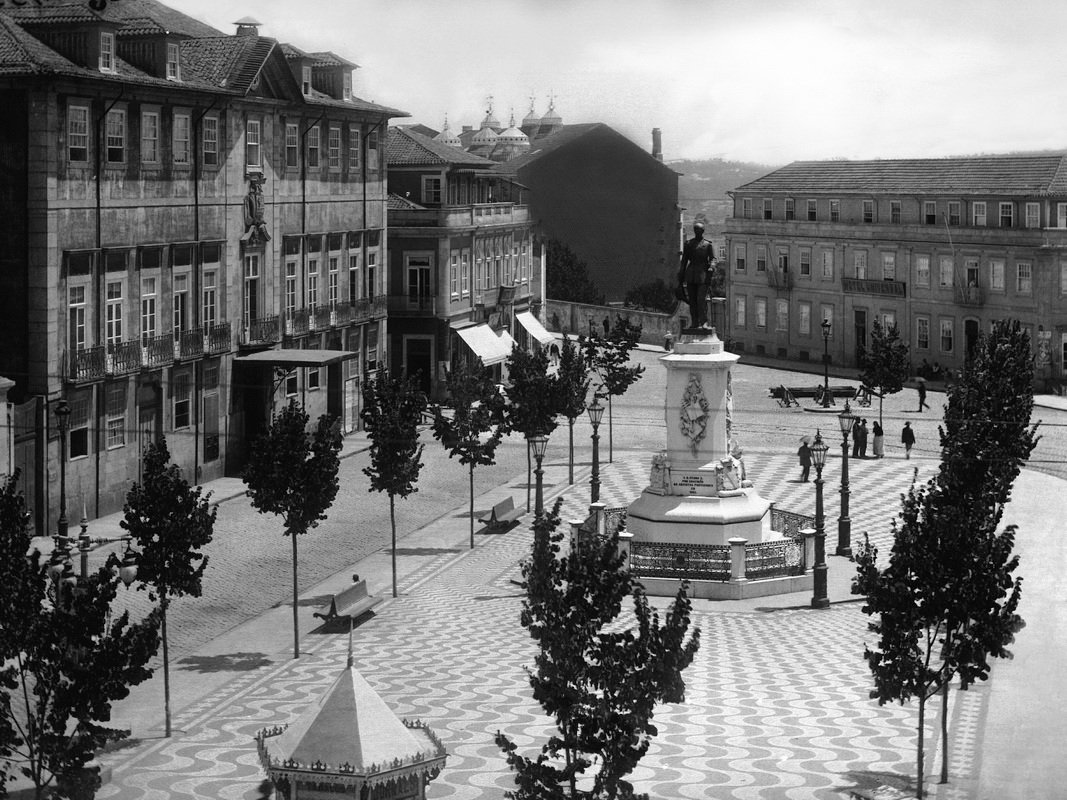
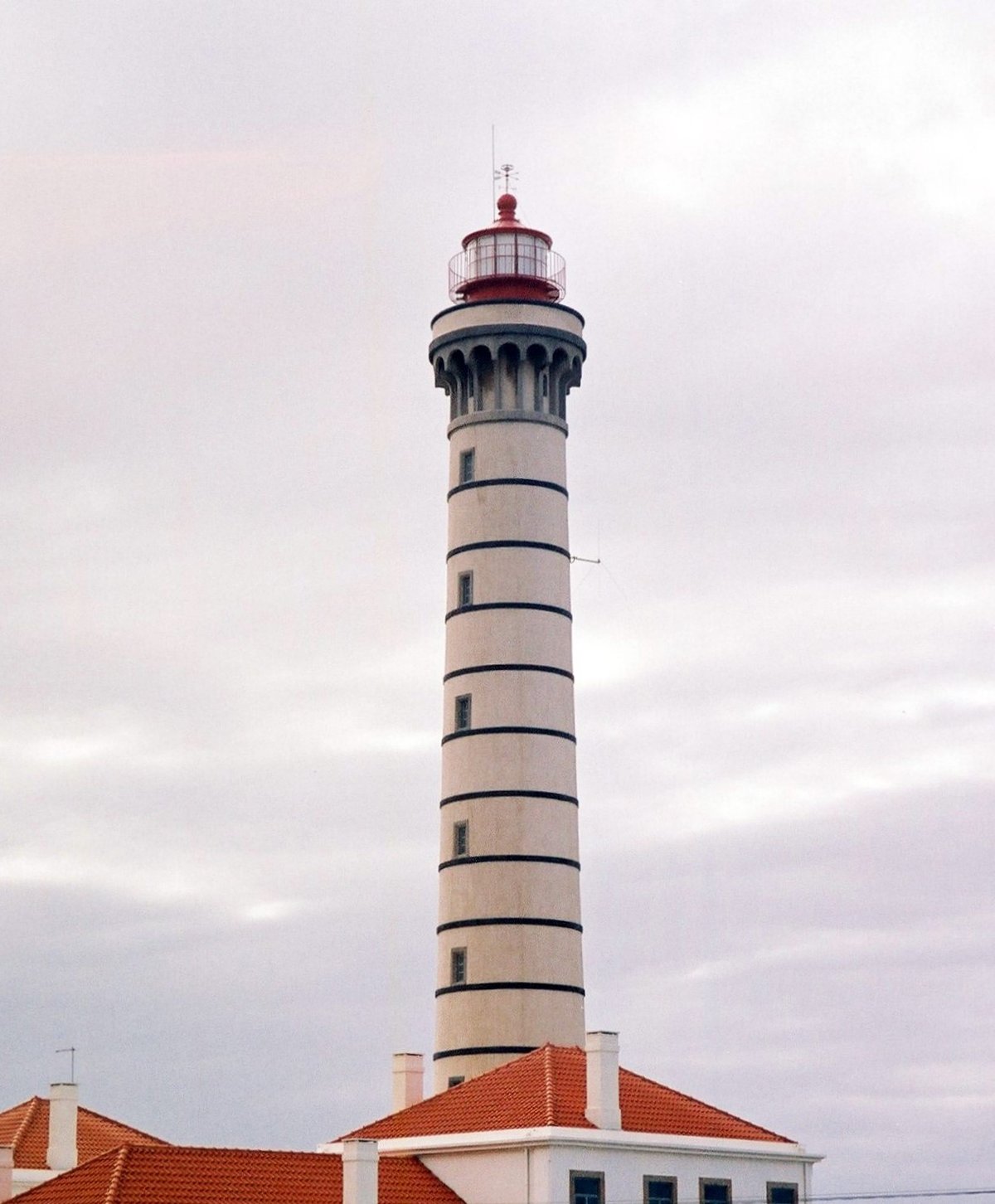
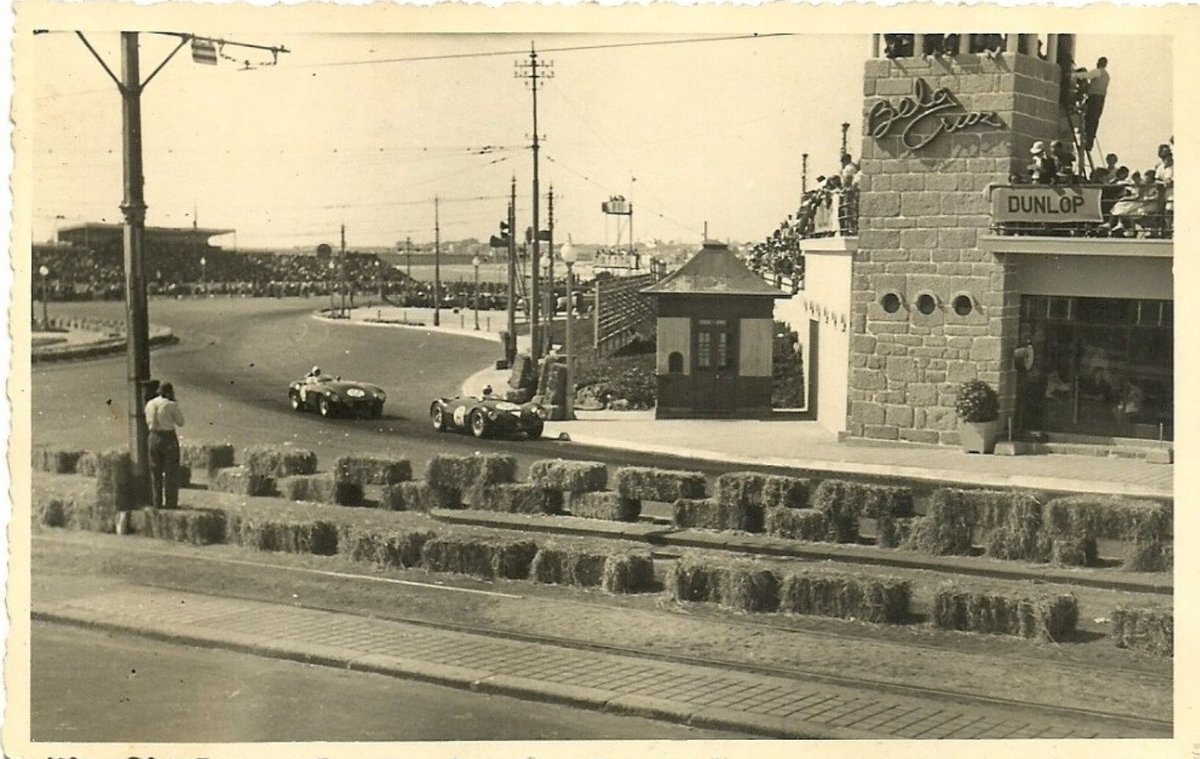
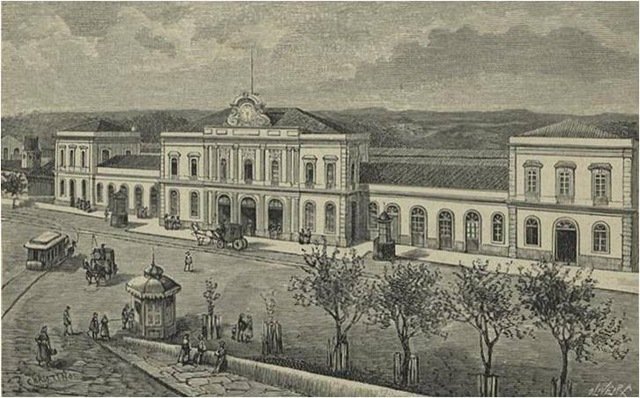
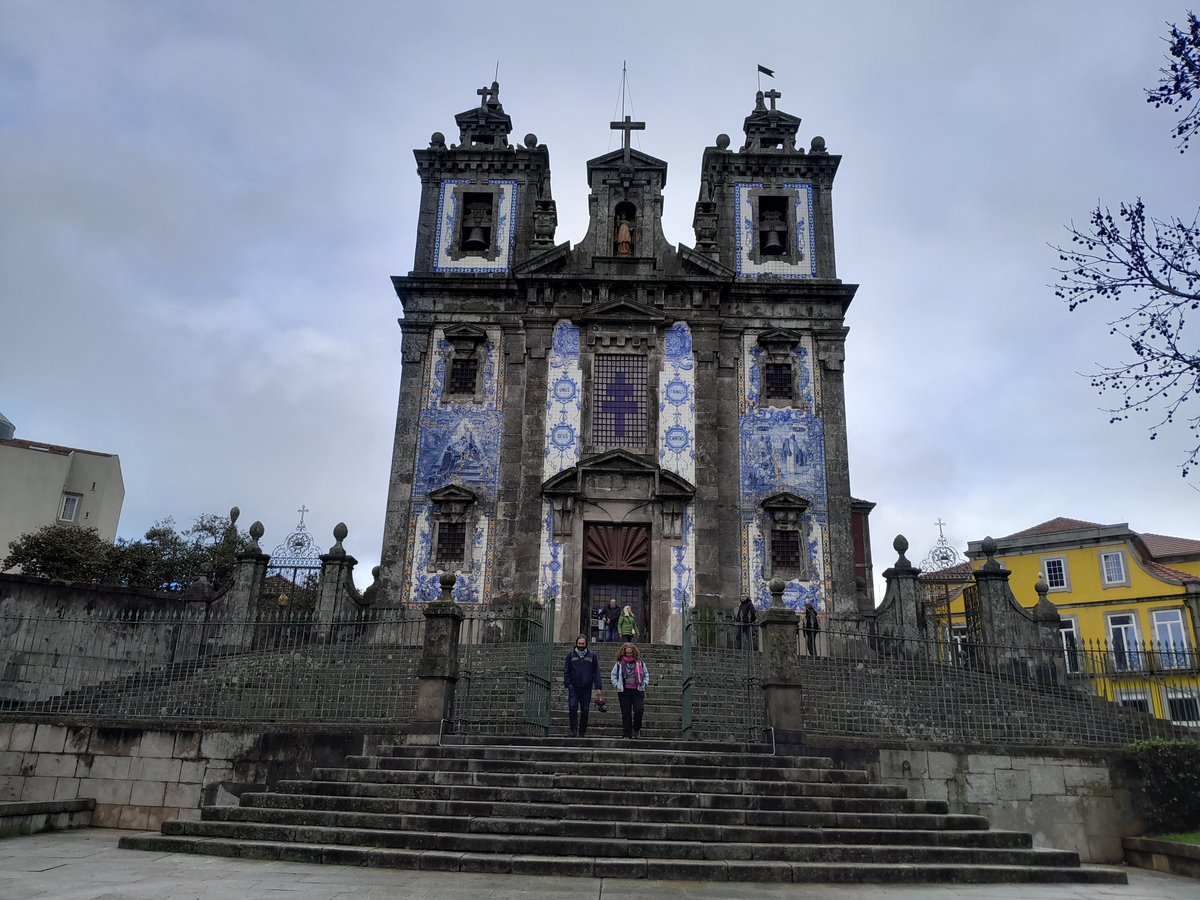
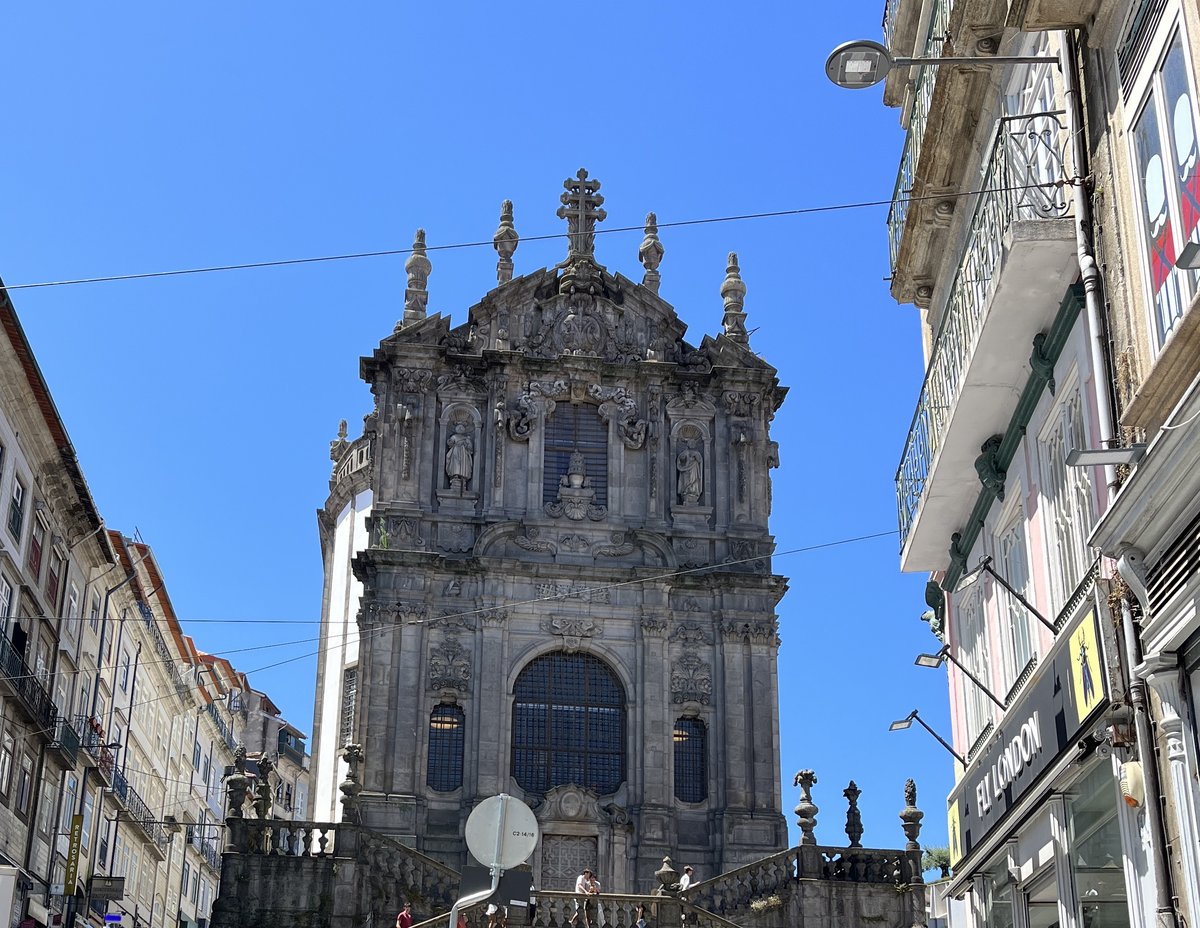
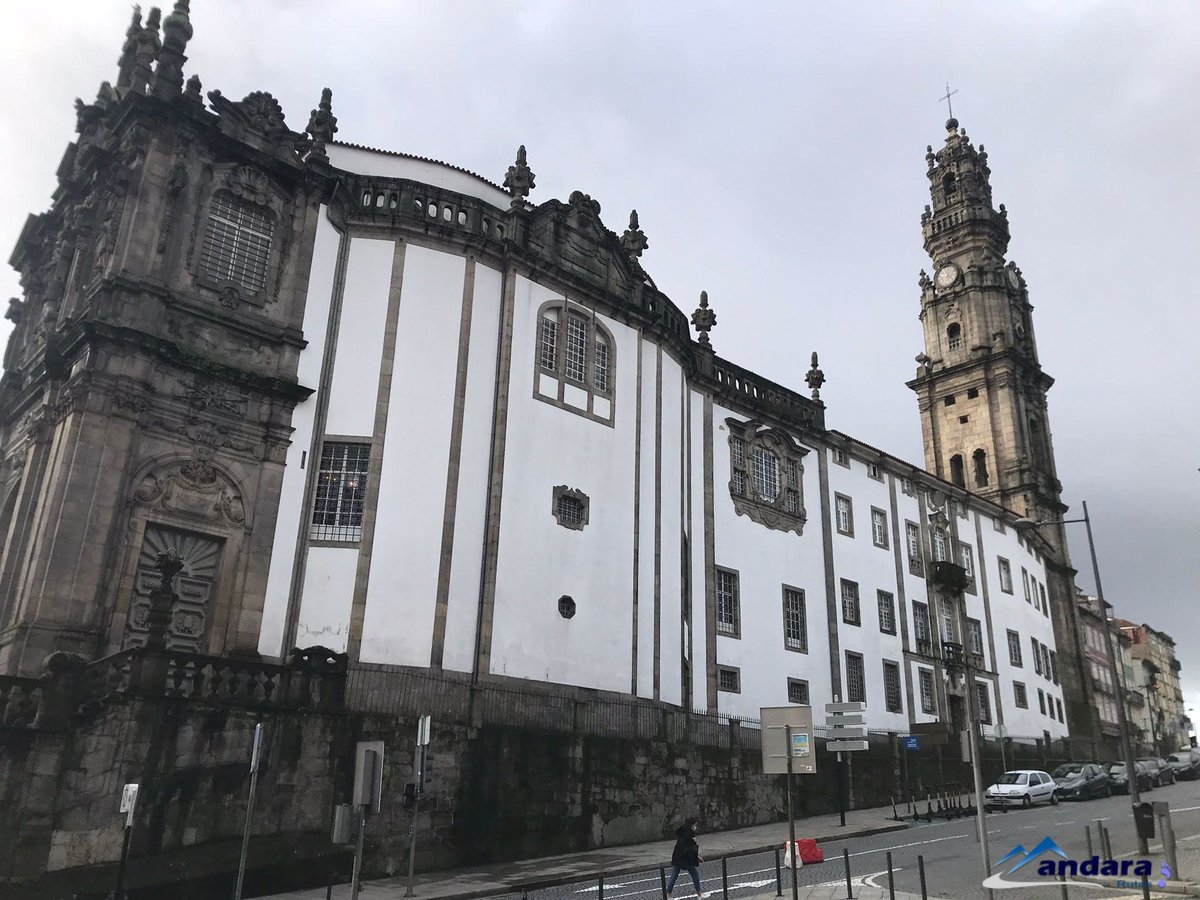
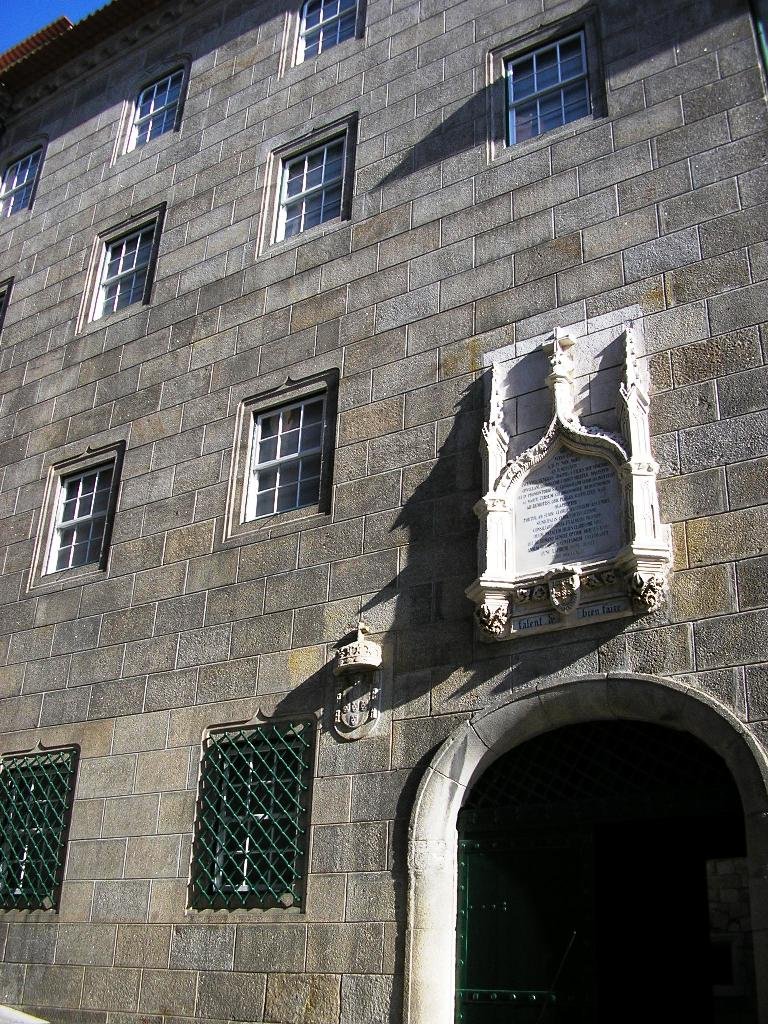
Explore Casa Do Infante in Pictures
Origins and Early Use
The Casa do Infante, also known as the House of the Prince, is a historic building located in the Ribeira district of Porto, Portugal. Constructed in the 14th century, it originally served as a customs house and mint. This strategic location near the Douro River facilitated the collection of taxes on goods entering and leaving the city, making it a vital part of Porto's economic infrastructure.
Architectural Features
The building's architecture reflects its multifaceted role over the centuries. Initially, it included living quarters for officials, a courtyard, and two large towers. The structure has undergone numerous modifications, but some original elements remain, such as the Roman mosaic pavement discovered during excavations. These mosaics are a testament to the site's long history, dating back to Roman times.
Prince Henry the Navigator
One of the most significant historical figures associated with Casa do Infante is Prince Henry the Navigator, believed to have been born here in 1394. Prince Henry played a crucial role in the Age of Discoveries, a period during which Portuguese explorers ventured into uncharted territories across Asia, Africa, and the Americas. His contributions to navigation and exploration have left an indelible mark on world history.
The Age of Discoveries
The museum's exhibits provide a comprehensive overview of Portugal's Age of Discoveries. This era, spanning the 15th and 16th centuries, saw Portuguese mariners and explorers like Vasco da Gama and Ferdinand Magellan embark on voyages that expanded the known world. The Casa do Infante houses artifacts and documents from this period, offering visitors a glimpse into the lives of these intrepid explorers.
Roman Remains and Excavations
Excavations at the site have revealed significant Roman remains, including the aforementioned mosaic pavement. These findings indicate that the area was inhabited long before the construction of the customs house. The Roman artifacts on display provide valuable insights into the early history of Porto and its development as a significant urban center.
The Customs House
For over 500 years, Casa do Infante functioned as a customs house, playing a pivotal role in Porto's economy. The building's strategic location near the river made it an ideal spot for monitoring and taxing goods. This long-standing function underscores the building's importance in the city's commercial history.
Transformation into a Museum
In the 20th century, Casa do Infante underwent significant renovations and was transformed into a museum. Today, it houses the Porto city archives and serves as a cultural and historical repository. The museum's three floors are dedicated to various exhibits, all labeled in both Portuguese and English, making them accessible to a broad audience.
UNESCO World Heritage Site
Casa do Infante is part of Porto's UNESCO World Heritage historic center. This designation highlights the building's cultural and historical significance, not just to Porto but to the world. The museum's location near other notable landmarks, such as the Palácio da Bolsa and the Igreja de São Nicolau, makes it a must-visit for anyone interested in the rich history of Porto.
Visitor Information
Ticket Prices
Admission is reasonably priced at 2.20 Euros (as of 2016).
Opening Hours
The museum is open from 10 am to 1 pm and 2.30 pm to 5.30 pm, but it is closed on Mondays.
Travel Tips
For those planning a visit, Casa do Infante is conveniently located near the São Bento metro station and is accessible by several bus routes, including 500, 900, 901, and 906.
Nearby Attractions
Given its prime location, Casa do Infante is surrounded by several other notable attractions. Just a few steps away, visitors can explore the Ribeira district, known for its picturesque views and vibrant atmosphere. Other nearby landmarks include the Igreja de São Francisco, Palácio da Bolsa, and the Porto Wine Cellars, all within walking distance (Discover Oporto).
Accessibility
Casa do Infante is accessible to visitors with mobility issues.
Frequently Asked Questions (FAQ)
What are the visiting hours for Casa do Infante? The museum is open from 10 am to 1 pm and 2.30 pm to 5.30 pm, but it is closed on Mondays.
How much are the tickets for Casa do Infante? Admission is reasonably priced at 2.20 Euros (as of 2016).
Are guided tours available at Casa do Infante? Yes, guided tours are available for visitors seeking a more detailed understanding of the exhibits.
Is Casa do Infante wheelchair accessible? Yes, the museum is wheelchair accessible.
Where is Casa do Infante located? The museum is located at Rua da Alfândega, 10, in the Ribeira area, close to the Douro River.
Listen to the full story in the app
Your Personal Curator, in Your Pocket.
Audio guides for 1,100+ cities across 96 countries. History, stories, and local insight — offline ready.
Audiala App
Available on iOS & Android
Join 50k+ Curators
Sources
- verified
- verified
- verified
- verified
- verified
- verified
- verified
- verified
Last reviewed: