Introduction
Campanhã Railway Station (Estação Ferroviária de Campanhã) is Porto’s principal railway hub and serves as a vital gateway to northern Portugal, Lisbon, and Spain. Established in 1877, the station has evolved from a utilitarian 19th-century terminus to a modern, intermodal complex that showcases both Porto’s rich heritage and its focus on sustainable urban development. Blending historical architecture with contemporary amenities, Campanhã is not only a transportation center but also a symbol of Porto’s dynamic evolution.
This comprehensive guide covers everything you need to know about Campanhã Railway Station, including visiting hours, ticketing, accessibility, transport connections, facilities, nearby attractions, travel tips, and FAQs to help ensure a smooth and enjoyable experience in Porto.
For the most up-to-date information, consult official resources such as the Comboios de Portugal (CP) website, the Metro do Porto portal, InvestPorto, and Cultured Voyages.
Photo Gallery
Explore Campanhã Railway Station in Pictures
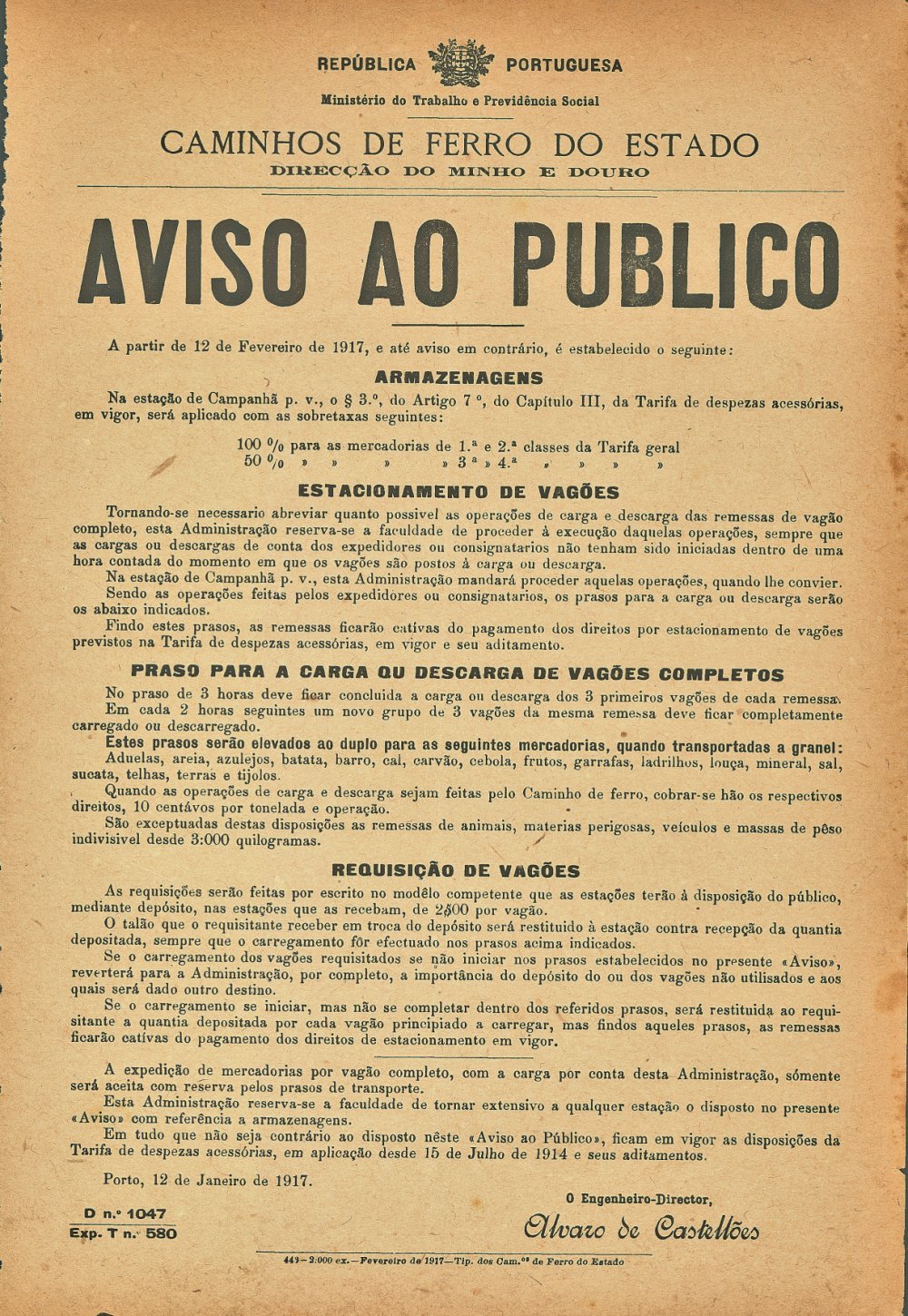
Public warning from Caminhos de Ferro do Estado Minho e Douro division about cargo tariffs and wagon loading/unloading schedule changes. Published in Gazeta dos Caminhos de Ferro no. 700, 16th February 1917.
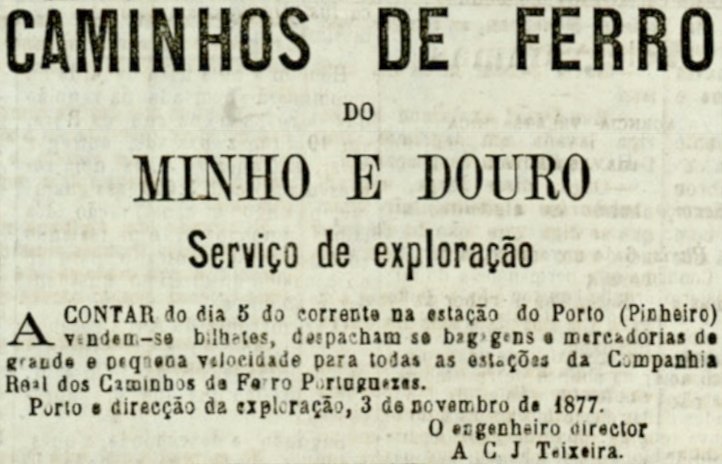
Historical 1877 public notice by Caminhos de Ferro do Minho e Douro about Pinheiro station starting service for Companhia Real dos Caminhos de Ferro Portugueses, completing Linha do Norte railway line, published in Diario Illustrado newspaper.
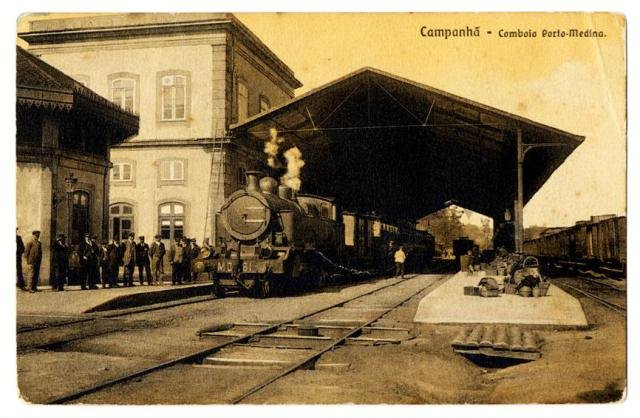
Historic image depicting a campaign convoy at Porto Medina, showing vehicles and personnel involved in the operation.
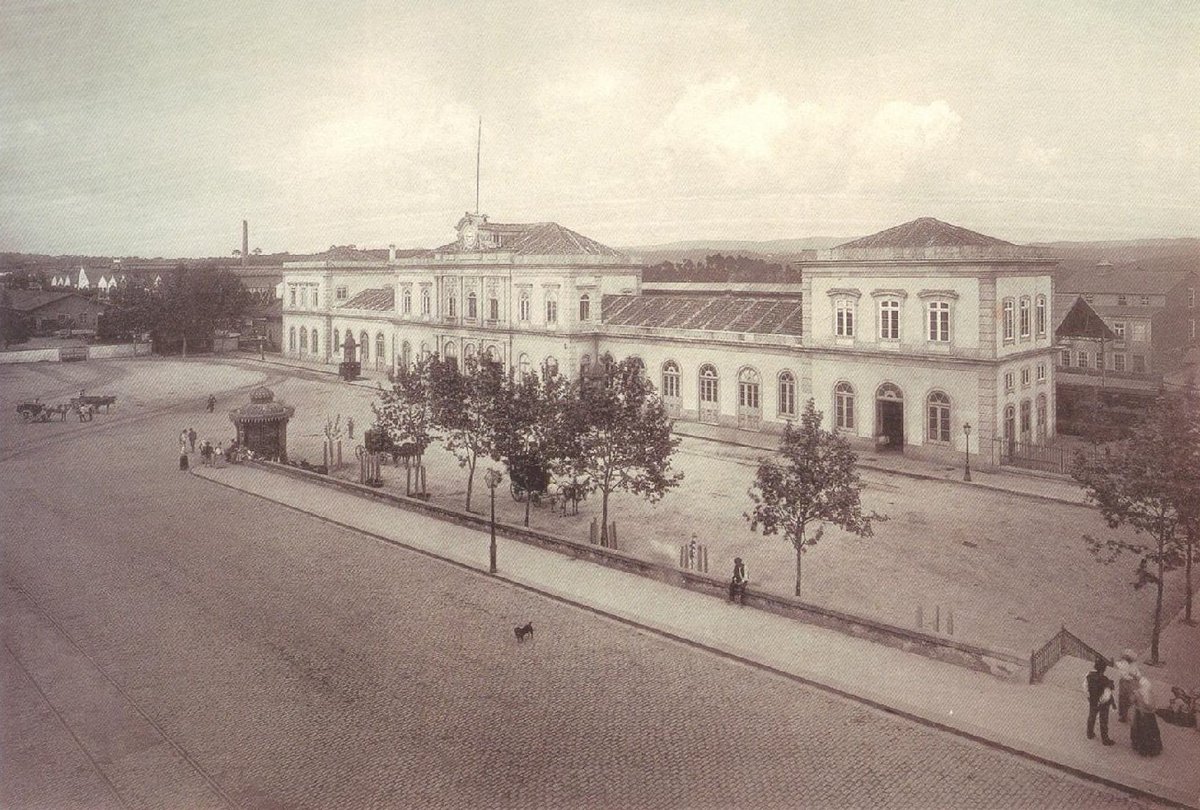
Historic image of Porto-Campanhã Train Station, the main railway station in Oporto, Portugal, showing old rail lines in the street once used by the public horsecar service until 1904.
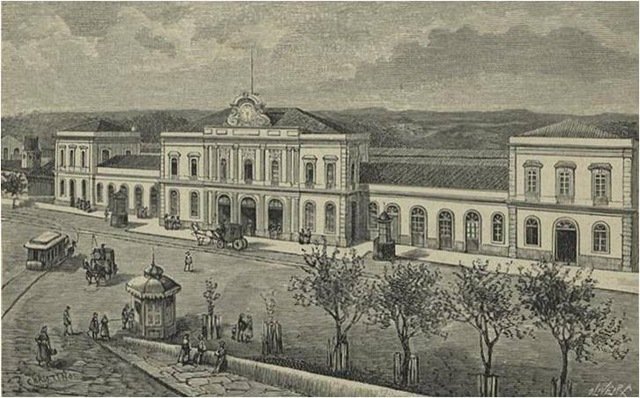
Zinc engraving of Porto-Campanhã Railway Station from 1895, based on a photograph by Emílio Biel, showcasing classic 19th-century architecture and railway infrastructure in Porto, Portugal.
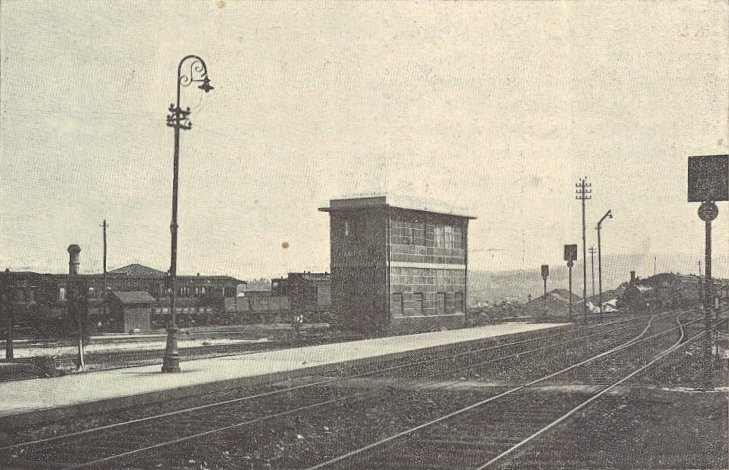
Black and white photograph of the signal box at Porto-Campanhã Railway Station in Portugal, showing vintage railway equipment and control panels. Published in Gazeta dos Caminhos de Ferro magazine on 16th January 1935.
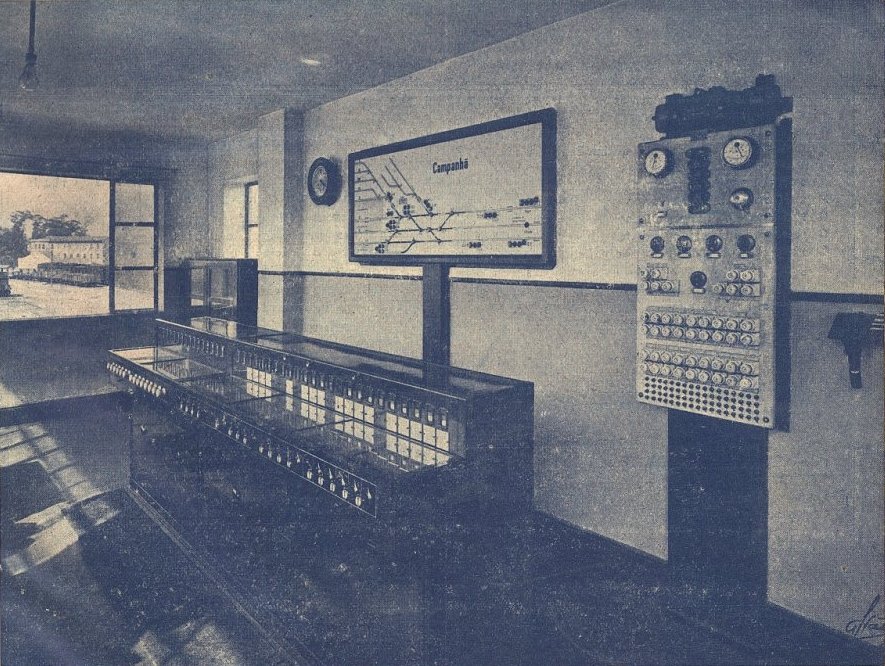
Historical black and white photograph of the interior of the signal box at Porto Campanhã Railway Station in Portugal, published in Gazeta dos Caminhos de Ferro magazine in 1935, showing railway control equipment.
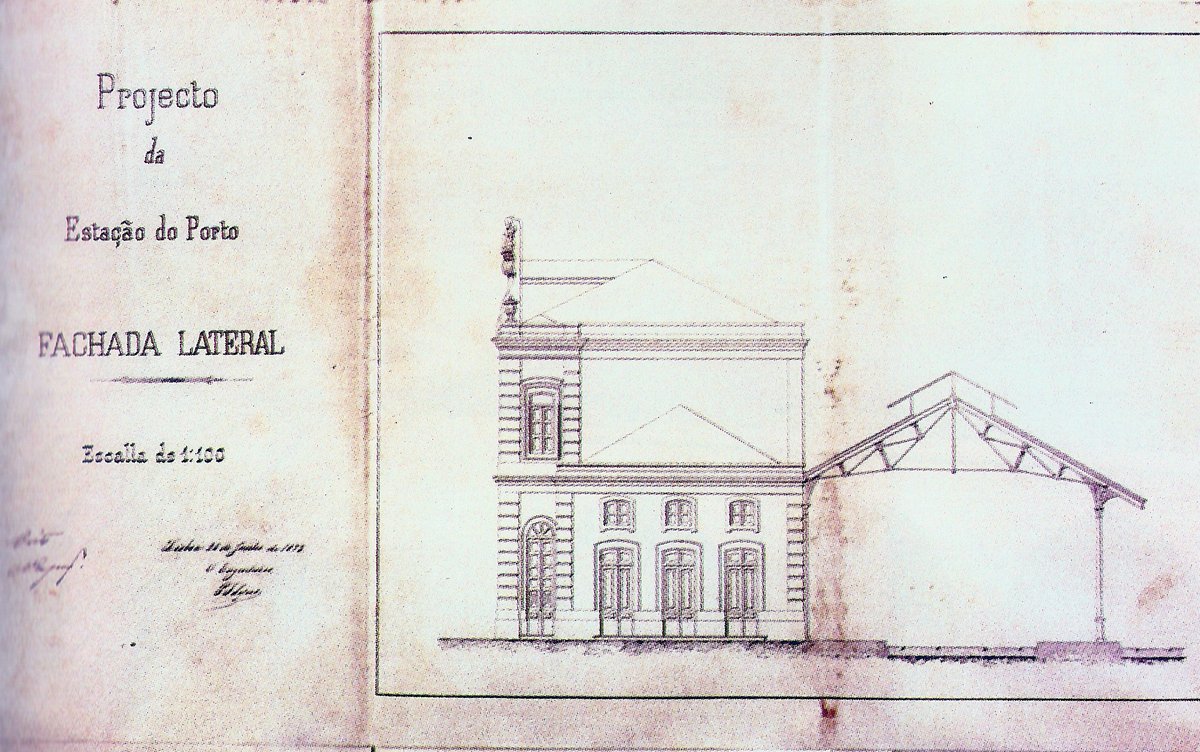
Historical architectural alteration project for the lateral facade of Porto Railway Station (future Campanhã) in Portugal, dated 1874
Origins and Early Development
Campanhã Railway Station was inaugurated in 1877 during a period of rapid railway expansion in Portugal. Strategically located on Porto’s eastern edge, it connected the Douro and Minho lines, facilitating economic growth and regional mobility. Its opening coincided with the unveiling of the D. Maria Pia Bridge, engineered by Théophile Seyrig, a collaborator of Gustave Eiffel.
Architectural Heritage and Modern Identity
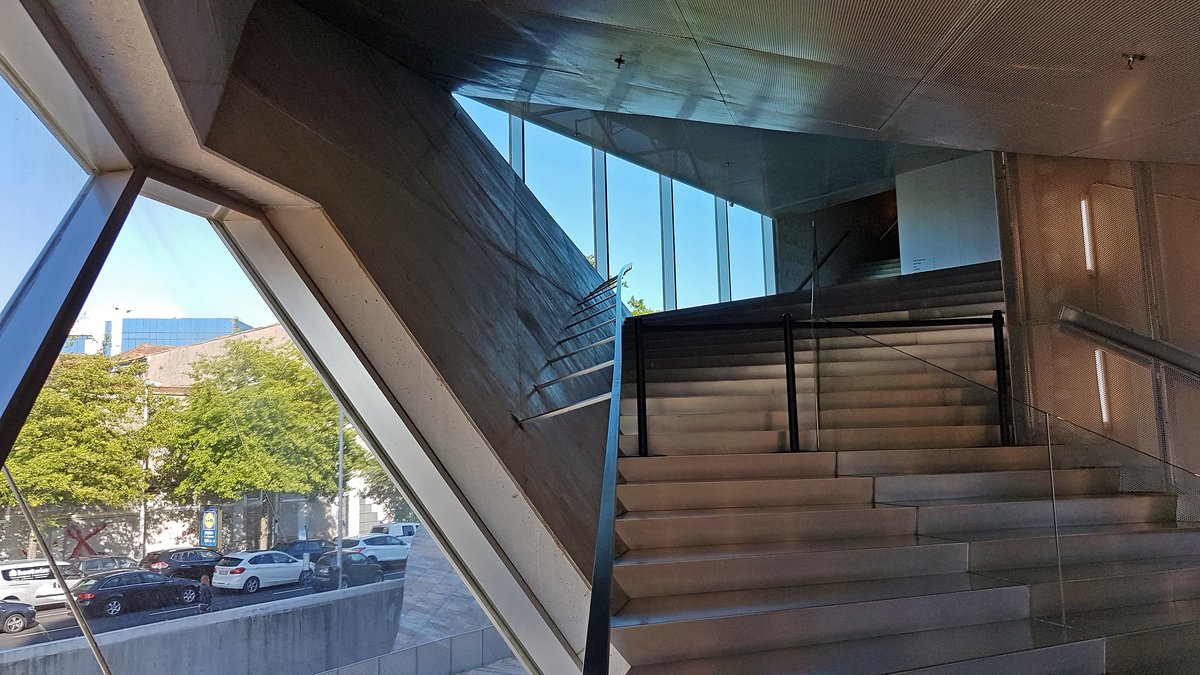
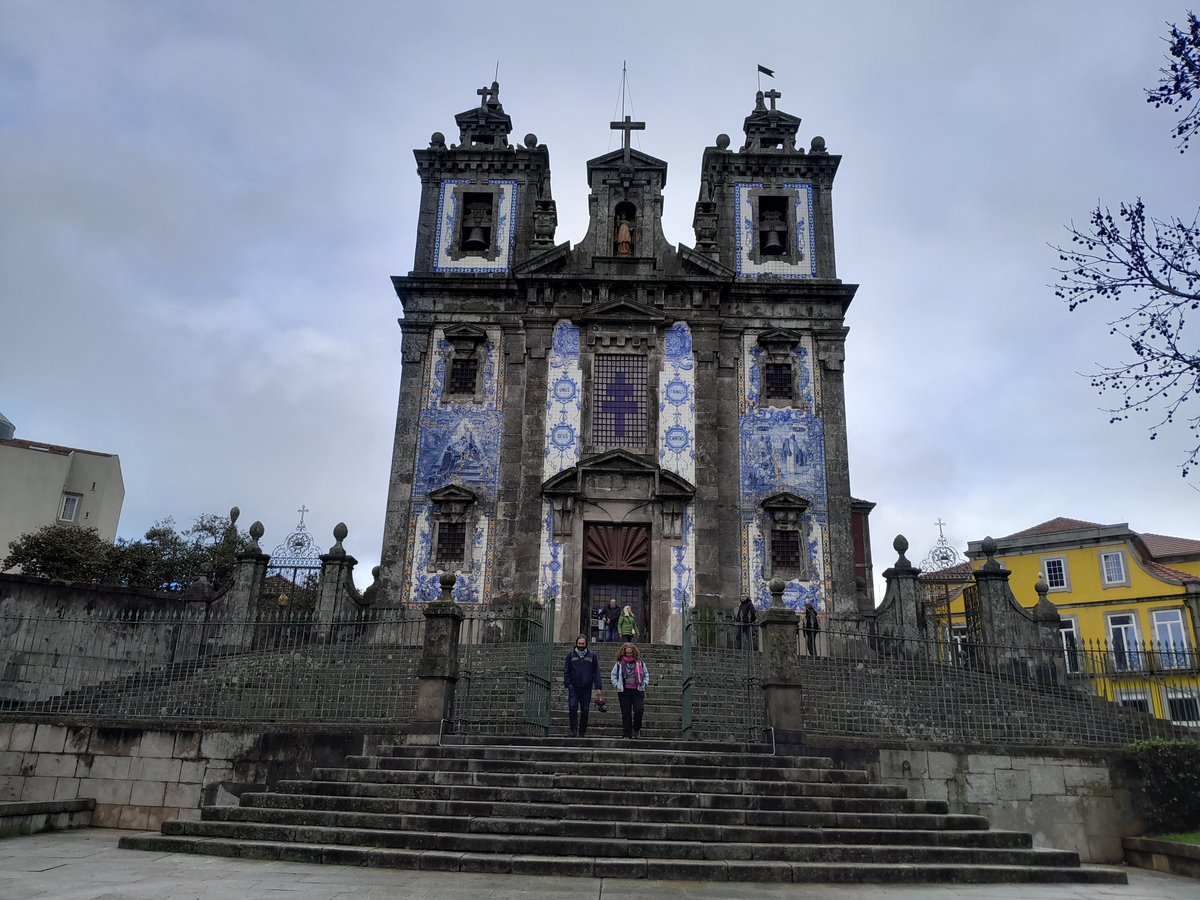
The original station features a classic late 19th-century design, including a granite-supported porch and a façade adorned with blue-and-white azulejo tiles—a nod to Porto’s ceramic tradition. Over the decades, Campanhã has undergone multiple renovations, most notably with the recent inauguration of the Campanhã Intermodal Terminal. This modern extension incorporates glass, steel, and abundant natural light, blending contemporary style with the station’s historical roots.
The terminal’s architecture emphasizes sustainability, integrating green spaces, energy-efficient systems, and a design that prioritizes passenger comfort and ecological value (InvestPorto).
Visitor Information
Visiting Hours and Operation
- Station Hours: Open daily, typically from 5:00 AM to midnight.
- Ticket Offices: Generally operate from 6:00 AM to 11:00 PM.
- Automated Ticket Machines: Available 24/7.
For the latest schedules and potential changes, always check the CP official page.
Facilities and Services
- Waiting Areas: Comfortable seating and sheltered spaces.
- Restrooms: Accessible and maintained.
- Shops & Cafés: Small outlets for snacks, drinks, and essentials.
- Luggage Storage: Lockers and left-luggage services.
- Information Desks: Bilingual support (Portuguese/English) and tourist assistance.
- Free Wi-Fi: Available in most waiting areas.
- Safety: CCTV monitoring and regular staff/police presence.
Accessibility
Campanhã is equipped with ramps, elevators, tactile paving, and accessible restrooms for travelers with reduced mobility. Assistance is available on request, but peak hours may present crowding challenges (TrainStation.World).
Ticketing
Types and Purchase Points
- Long-Distance and Regional Trains: Tickets for Alfa Pendular, Intercidades, and regional services can be purchased at ticket offices, machines, or online via CP’s website. Advance booking is recommended for popular routes.
- Urban Trains: Purchase at machines or the Loja Andante office near metro platforms.
- Metro Tickets: Machines and tourist offices sell rechargeable cards (€2.75 for airport to Campanhã, including card fee).
- Contactless Payment: Available at select stations for VISA, Mastercard, and compatible cards.
Transfers
Mainline ticket holders to Campanhã enjoy a free transfer to São Bento Station within one hour of arrival, giving easy access to Porto’s historic center (Seat61).
Train Services and Connectivity
Campanhã is Porto’s main departure point for most regional, national, and international trains:
- Alfa Pendular: High-speed trains to Lisbon and the Algarve (journey to Lisbon in as little as 3h15m).
- Intercidades: Intercity services to Lisbon, Coimbra, and other cities.
- Regional Trains: Frequent trains to Braga, Guimarães, Aveiro, Marco de Canaveses, Valença, and Viana do Castelo.
- International: Direct links to Vigo, Spain.
- Suburban (Urbano): High-frequency commuter trains across Porto’s metropolitan region.
- Linha do Douro: Scenic trains through the Douro Valley to Pocinho, with UNESCO-listed views.
For city center access, Urbanos trains connect Campanhã and São Bento in 3–5 minutes.
Metro, Bus, and Urban Connections
- Metro do Porto: Lines A (Blue), B (Red), C (Green), and F (Orange) serve Campanhã, with direct connections to Trindade, São Bento, the airport, and the suburbs. Line C terminates here.
- Buses: Multiple STCP city lines (205, 206, 207, 400) and regional/long-distance buses (Rede Expressos, ALSA, Flixbus) depart from the adjacent Terminal Intermodal Campanhã.
- Taxis & Ride-Sharing: Taxis queue outside the station; Uber and Bolt are widely available.
Nearby Attractions
- São Bento Railway Station: Renowned for its azulejo tile murals; 5 minutes by train or metro.
- Ribeira District: UNESCO-listed riverside area with cafes and nightlife.
- D. Luís I Bridge: Iconic iron bridge over the Douro River.
- Port Wine Cellars: Across the river in Vila Nova de Gaia.
- Estádio do Dragão: FC Porto’s stadium, one metro stop away.
Sustainability and Urban Impact
The redevelopment of Campanhã—with its new Intermodal Terminal—has catalyzed urban regeneration, introduced lush green spaces, and fostered sustainable mobility. The terminal’s landscaping, green roofs, and eco-friendly materials help mitigate urban heat, improve air quality, and provide recreational areas. This transformation is part of Porto’s wider commitment to green infrastructure and resilient urban planning (InvestPorto).
Practical Visitor Tips
- Arrive Early: Especially during morning/evening rush hours and holidays.
- Ticketing: Use online or machine purchase to avoid queues.
- Transfers: Free suburban train transfer to São Bento with mainline ticket.
- Luggage: Use lockers for convenience.
- Photo Opportunities: The blend of historic architecture and modern glass facades offers striking visuals.
- Safety: Keep belongings secure, especially during busy periods.
Frequently Asked Questions (FAQs)
Q: What are Campanhã Railway Station’s visiting hours?
A: The station is open daily, typically from 5:00 AM to midnight.
Q: How can I buy train tickets?
A: Purchase online via CP’s website, at ticket offices, or through automated machines.
Q: Is the station accessible?
A: Yes, with ramps, elevators, tactile paving, accessible toilets, and assistance upon request.
Q: Can I transfer to Porto city center?
A: Yes, via frequent Urbanos trains (3–5 minutes to São Bento) or multiple metro lines.
Q: Is luggage storage available?
A: Yes, lockers and left-luggage services are provided.
Future Developments
Campanhã’s role will expand further with the planned Porto-Lisbon high-speed rail project—a €6 billion investment expected to reduce journey times to just 1 hour and 15 minutes. This will enhance station capacity and promote more sustainable intercity travel.
Visuals and Media
Visuals such as images of Campanhã’s historic façade, modern terminal interiors, and maps of train and metro connections are recommended to supplement this guide.
Listen to the full story in the app
Your Personal Curator, in Your Pocket.
Audio guides for 1,100+ cities across 96 countries. History, stories, and local insight — offline ready.
Audiala App
Available on iOS & Android
Join 50k+ Curators
Sources
- verified
- verified
- verified
- verified
- verified
- verified
- verified
Last reviewed: