Introduction
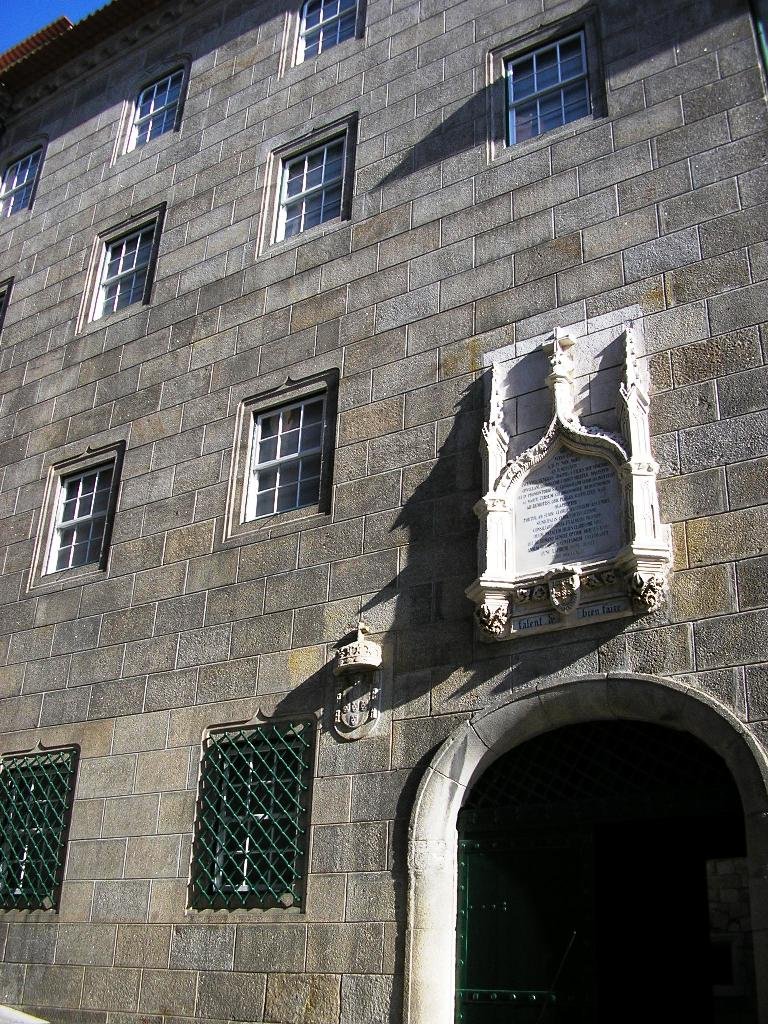
Cadeia da Relação, also known as Antiga Cadeia da Relação do Porto, is a striking testament to Porto’s layered past, blending centuries of judicial, architectural, and cultural evolution. Originally constructed in the early 17th century as a courthouse and prison, the granite edifice has witnessed pivotal moments in Portuguese history, from housing renowned inmates like Camilo Castelo Branco to reflecting the nation’s shift in penal and political practices. Today, this imposing monument is home to the Centro Português de Fotografia (CPF), offering visitors a dynamic cultural experience that merges the building’s solemn history with the vibrancy of photographic art (CPF official site; Wikipedia).
This detailed guide explores the origins, architecture, and cultural significance of Cadeia da Relação, and provides all the practical information needed for your visit—including opening hours, ticketing, accessibility, and recommendations for nearby attractions. Whether you are a history buff, art lover, or cultural traveler, Cadeia da Relação promises a rewarding journey through Porto’s unique heritage.
Photo Gallery
Explore Cadeia Da Relação in Pictures

Early Origins and Construction
Cadeia da Relação’s origins are intertwined with Porto’s judicial development. The Tribunal da Relação do Porto was established in 1582 as a regional court of appeal, initially operating from temporary sites. In 1603, responding to the need for a dedicated facility, King Philip II of Spain (Philip I of Portugal) ordered the construction of a purpose-built structure at Campo do Olival. Construction began in 1606, funded partly by fines from commuted exiles (Wikipedia; Museu Virtual TRP).
The original building, however, suffered a catastrophic collapse in 1752 due to structural weaknesses. This led to the commissioning of a new, more robust edifice in 1766 under the guidance of João de Almada e Melo and renowned architect Eugénio dos Santos e Carvalho, famed for his work on Lisbon’s Baixa Pombalina. The new Cadeia da Relação was completed in 1796, combining late baroque austerity with functional prison design (Porto d’Honra; Museu Virtual TRP).
Prison Life and Notable Inmates
The building’s thick granite walls, iron bars, and austere corridors reflected its dual role as courthouse and prison. The prison was carefully structured: the ground and basement floors were for cells, upper floors for courtrooms and administrative offices. Cells were named after saints and segregated by gender and age. Some privileged inmates could access better-furnished “salons” for a fee (Wikipedia).
Among the most famous prisoners were:
- Camilo Castelo Branco: The celebrated novelist, who wrote "Amor de Perdição" while incarcerated in 1860 (Porto d’Honra).
- Ana Plácido: Writer and companion of Camilo, imprisoned for the same affair.
- Zé do Telhado: The “Portuguese Robin Hood.”
- Alves dos Reis: Mastermind behind one of the world’s largest financial frauds.
The prison remained in operation until 1974, with the last inmates transferred following the Carnation Revolution (Wikipedia; Portugal Visitor).
Decline and Cultural Rebirth
After its closure, Cadeia da Relação suffered deterioration, especially after being occupied by families post-1974. Restoration began in 1988, with the building eventually repurposed as the Centro Português de Fotografia in 1997. Further renovations were completed by 2001, preserving much of the prison’s original character while adapting it for cultural use (CPF official site; Museumspedia).
Architectural Features and Evolution
The Cadeia da Relação is a prominent example of late 18th-century Portuguese civic architecture. Key features include:
- Granite Construction: Massive stone walls, double-barred windows, and iron gates to ensure security.
- Three-story Polygonal Plan: Façades facing Rua de São Bento da Vitória and Largo do Amor de Perdição.
- Original Prison Elements: Preserved cell doors, bars, and a chapel, offering visitors a direct connection to the building’s past (Porto’s Photography Museum; Museu Virtual TRP).
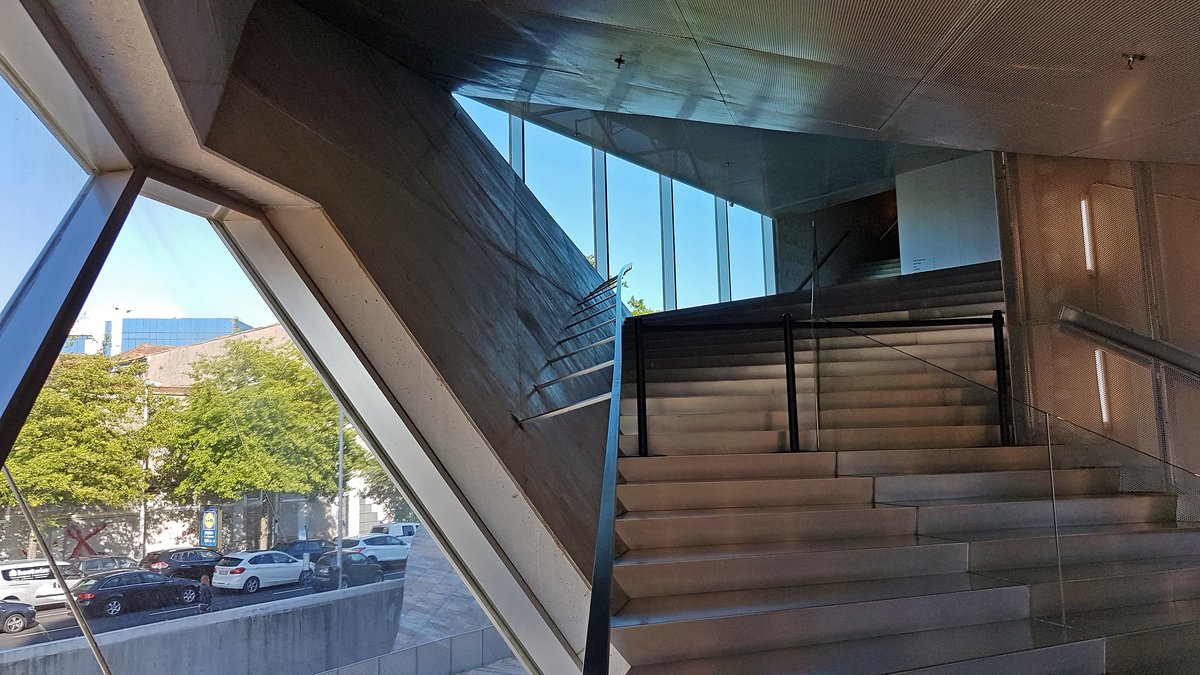
The adaptive reuse project maintained the building’s historical integrity while integrating museum-quality exhibition spaces.
Cultural Significance
Symbol of Justice and Political History
Cadeia da Relação is deeply linked to Portugal’s justice system and political history. It stands as a monument to the evolution of penal practices, the abolition of the death penalty (commemorated in 2015 with the European Heritage Label), and the resilience of political and literary dissent (arquivos.dglab.gov.pt).
Artistic Heritage
The site’s transformation into the Centro Português de Fotografia has fostered a vibrant cultural scene, hosting exhibitions, workshops, and public programs that connect Porto’s past with its creative present (Porto’s Photography Museum; Museumspedia).
The Portuguese Centre of Photography: Collections and Exhibitions
Permanent Collections
CPF houses the National Collection of Photography, featuring Portuguese and international photographers. The museum’s top floor displays historic cameras and photographic equipment, tracing the medium’s technological evolution (Portugal Visitor; dicadeportugal.com).
Temporary Exhibitions
Rotating exhibitions highlight contemporary photography, documentary projects, and experimental works—such as “Luz e Tempo: Viagem pela memória e democracia,” which explored themes of memory and democracy using pinhole photography (arquivos.dglab.gov.pt; introducingporto.com).
Educational Programs
CPF offers guided tours, workshops, and educational activities for all ages, along with a specialized library and research services (dicadeportugal.com).
Practical Visitor Information
Location and Getting There
- Address: Campo dos Mártires da Pátria, Porto.
- Metro: Aliados (Line D), Trindade, Bolhão, or São Bento.
- Bus: Cordoaria or Carmo stops.
- Parking: Limited in the historic center; public transport is recommended (Evendo; bienal25.bienalfotografiaporto.pt).
Opening Hours
-
CPF:
- Tuesday to Friday: 10:00–18:00
- Weekends and public holidays: 15:00–19:00
- Closed Mondays and select holidays (Portugal Visitor).
-
Cadeia da Relação (General):
- Commonly open from 8:00 to 18:00; check for seasonal or event variations (Trip.com).
Tickets and Admission
- CPF: Admission is free. Donations are welcome but not required (introducingporto.com).
- Cadeia da Relação (other exhibitions): Entry may be free or require a nominal fee, depending on programming (Evendo).
Guided Tours
Free guided tours are offered; reservations in advance are recommended, especially during peak times (dicadeportugal.com).
Accessibility
The building is equipped with ramps and elevators, but some historic areas may pose challenges for visitors with mobility impairments. Contact the museum for specific needs (Museumspedia).
The Visitor Experience
Navigating the Site
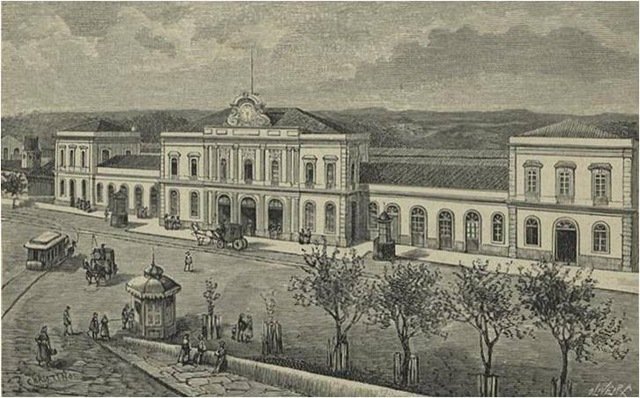
Start your visit at the main entrance on Campo dos Mártires da Pátria. The site is within walking distance of other attractions like Clérigos Tower and Livraria Lello. The building’s layout encourages self-guided exploration, with interpretive panels in Portuguese and English (Evendo).
What to Expect
- Prison Cells: Authentic, atmospheric spaces, including Camilo Castelo Branco’s cell.
- Courtrooms and Chapel: Insight into judicial and religious aspects of prison life.
- Photo Exhibitions: Rotating displays of historical and contemporary photography.
- Courtyard: A peaceful respite within the historic complex.
Facilities
- Restrooms on-site.
- No café, but many dining options in the vicinity.
- Museum shop and specialized library at CPF.
Photography Policy
Photography is generally allowed without flash or tripods. Always confirm on arrival for specific exhibitions.
Enhancing Your Experience: Nearby Attractions
- Clérigos Tower: Iconic Baroque bell tower.
- Livraria Lello: Renowned historic bookstore.
- Jardim da Cordoaria: Public garden nearby.
- São Bento Railway Station: Famous for its tile panels.
- Port Wine Cellars: Across the Douro River (Destination Abroad).
Visitor Tips
- Footwear: Wear comfortable shoes for cobbled streets and stone floors.
- Weather: Porto can be rainy; bring an umbrella in winter or spring (Wanderlog).
- Language: Most staff speak English, but learning a few Portuguese phrases is helpful.
- Timing: Visit on weekday mornings or late afternoons to avoid crowds.
- Parking: Use public transport when possible; parking is limited (Evendo).
Frequently Asked Questions (FAQ)
Q: What are the Cadeia da Relação visiting hours?
A: CPF: Tuesday–Friday 10:00–18:00, weekends 15:00–19:00; General museum: usually 8:00–18:00. Always check the official site before your visit.
Q: Do I need to buy tickets in advance?
A: For CPF, admission is free and advance tickets are not required; for special exhibitions or group tours, booking ahead is recommended.
Q: Is Cadeia da Relação wheelchair accessible?
A: Main areas are accessible, but some historic sections may pose challenges. Contact the museum for details.
Q: Are guided tours available?
A: Yes, free tours are offered. Reserve in advance, especially during peak periods.
Q: Can I take photographs inside?
A: Photography is allowed without flash; tripods may be restricted.
Visuals and Media
- Alt text suggestions for images: "Cadeia da Relação Porto exterior view," "Historic prison cell at Cadeia da Relação," "Centro Português de Fotografia exhibition space," "Central courtyard at Cadeia da Relação."
- Interactive map embedding recommended for visual context.
Related Articles
Discover More
Cadeia da Relação is more than a monument—it is a living chronicle of Porto’s judicial, political, and cultural transformation. Its robust architecture and evocative exhibitions invite visitors to reflect on themes of justice, resilience, and artistic expression. With accessible hours, free admission to the CPF, and a central location near Porto’s other landmarks, it is an unmissable destination for anyone exploring the city’s heritage.
Plan your visit today:
- For the latest updates on hours, exhibitions, and events, visit the Centro Português de Fotografia official website.
- Download the Audiala app for guided tours, audio experiences, and more insider tips.
- Follow the CPF and Audiala on social media for exhibition news and cultural updates.
Summary
Cadeia da Relação embodies Porto’s journey from a site of incarceration and authority to a celebrated cultural hub. It offers a profound experience for visitors—melding authentic prison architecture, significant historical narratives, and the vibrant world of photography. With its strategic location, accessible facilities, and engaging programming, a visit to Cadeia da Relação is a highlight of Porto’s cultural circuit (Evendo; Porto’s Photography Museum).
Listen to the full story in the app
Your Personal Curator, in Your Pocket.
Audio guides for 1,100+ cities across 96 countries. History, stories, and local insight — offline ready.
Audiala App
Available on iOS & Android
Join 50k+ Curators
Sources
- verified
- verified
- verified
- verified
- verified
- verified
- verified
- verified
- verified
- verified
- verified
Last reviewed: