Plan and listen to National Museum Of Ethnology with Audiala.
Audio guide in your pocket, itinerary in your browser. Built for the way you actually visit.
Introduction
Situated in Lisbon’s historic Belém district, the National Museum of Ethnology (Museu Nacional de Etnologia) stands as one of Portugal’s leading cultural institutions. Since its founding in the mid-20th century, the museum has been dedicated to preserving and interpreting the ethnographic heritage of both Portugal and the wider world. With a collection spanning more than 40,000 artifacts from over 380 cultures across five continents, the museum is an essential stop for anyone seeking insight into Portugal’s global connections and diverse cultural narratives. Through engaging exhibitions, educational programs, and a commitment to accessibility, the museum serves visitors ranging from scholars and students to families and travelers, making it a cornerstone of Lisbon’s cultural landscape (Portugal Travel; Trek Zone; Museu Nacional de Etnologia).
Founding Vision and Origins
The National Museum of Ethnology was established in the 1960s, reflecting Portugal’s aim to document its cultural heritage and engage with the global ethnographic movement of the time. Initially, the museum focused on collecting and preserving artifacts from Portugal and its former colonies, echoing broader European trends in ethnographic curation. The museum’s purpose-built facility on Avenida Ilha da Madeira was designed to embody modern museum standards in conservation, accessibility, and education (Portugal Travel).
Collection Growth and Milestones
From its inception, the museum’s collection grew rapidly, amassing artifacts through field research, colonial administration, and donations. Highlights include Balinese shadow puppets, ritual masks from Mali, dolls from Angola, and a wealth of Portuguese folk arts. Over the decades, the museum has shifted from a Eurocentric perspective to a more critical, inclusive approach, focusing on provenance, ethical stewardship, and decolonial narratives. Key milestones include the integration of the Popular Art Museum Collection and the launch of major thematic exhibitions, such as “Deconstructing Colonialism, Decolonising the Imaginary” (Tribal Art Antiques).
Scope and Highlights
The museum’s collection encompasses over 42,000 artifacts representing more than 380 cultures from 80 countries. Its strengths lie in objects from Africa, Asia, the Americas, and Portugal. Key sections include:
- Portuguese Folk Art: Costumes, agricultural tools, religious artifacts, and reconstructed rural buildings.
- African Artifacts: Masks, puppets, musical instruments, and ritual objects from Angola, Mali, and other countries.
- Asian Collections: Textiles, ceremonial objects, and the renowned Balinese Wayang Kulit shadow puppets.
- Amerindian Collections: Indigenous artifacts from Brazil and the Amazon region.
- Popular Art Museum Collection: Approximately 11,600 pieces, integrated from collections gathered in the 1930s-1940s (WhichMuseum; Museu Nacional de Etnologia).
The museum also maintains extensive archives of photographs, films, and audio recordings (Wikipedia).
Permanent and Temporary Exhibitions
Permanent Exhibition: "The Museum, Many Things"
Set to open in 2025, this exhibition features rotating displays from Portugal, Indonesia, Angola, and Mali, including Balinese puppets, Angolan figurines, Malian masks, and Portuguese folk instruments. It pays tribute to pioneering ethnologists Jorge Dias and Margot Dias (Wikipedia).
Temporary Exhibitions
- "Deconstructing Colonialism, Decolonising the Imaginary" (2024–2025): This exhibition critically examines Portuguese colonialism in Africa, featuring artifacts, films, conferences, and publications (Museu Nacional de Etnologia; Visit Lisboa).
- Regularly rotating exhibitions highlight specific cultures, themes, or periods.
Visitor Information
Visiting Hours
- Tuesday to Sunday: 10:00 AM – 6:00 PM
- Closed Mondays and public holidays
Tickets and Admission
- Adults: €4–€6
- Discounts: Available for students, seniors, and groups
- Children under 14: Free
- Lisboa Card holders: Free or discounted entry
- Purchase: Online via the official website or at the entrance
Museum Layout and Facilities
The museum occupies a modernist building with wide corridors, spacious galleries, and bilingual signage. Facilities include a cloakroom, accessible restrooms, a museum shop, and a café with light refreshments. Free Wi-Fi is available throughout public areas, and rest areas are located conveniently for visitors.
Accessibility
The National Museum of Ethnology is fully accessible:
- Step-free entrances and ramps
- Wheelchair-accessible elevators and restrooms
- Free wheelchair loans upon request
- Guided tours in Portuguese Sign Language (by appointment)
- Service animals welcome
- Large print and high-contrast exhibition labels
Staff are trained to assist visitors with special needs, and the museum is actively improving multilingual accessibility (GetYourGuide).
Guided Tours and Educational Programs
- Guided Tours: Offered in Portuguese and English; advance booking recommended, especially for groups or during special exhibitions.
- Educational Workshops: Thematic sessions for children, families, and schools.
- Specialized Tours: Focus on specific themes or behind-the-scenes access to storage rooms (Visit Lisboa).
Family-Friendly Features
- Interactive Displays and Activity Sheets
- Family Tours and Workshops
- Baby-changing facilities and stroller access
- Child-friendly options in the café
- Educational toys and books in the museum shop
Special Events and Temporary Exhibitions
In addition to permanent displays, the museum hosts special exhibitions, cultural events, and workshops. Check the official website for the current calendar.
Travel Tips and Nearby Attractions
- Public Transport: Easily accessible via tram (15E), bus (728, 742), and suburban train (Cascais Line, Belém station).
- Parking: Limited on-site; public transit is recommended.
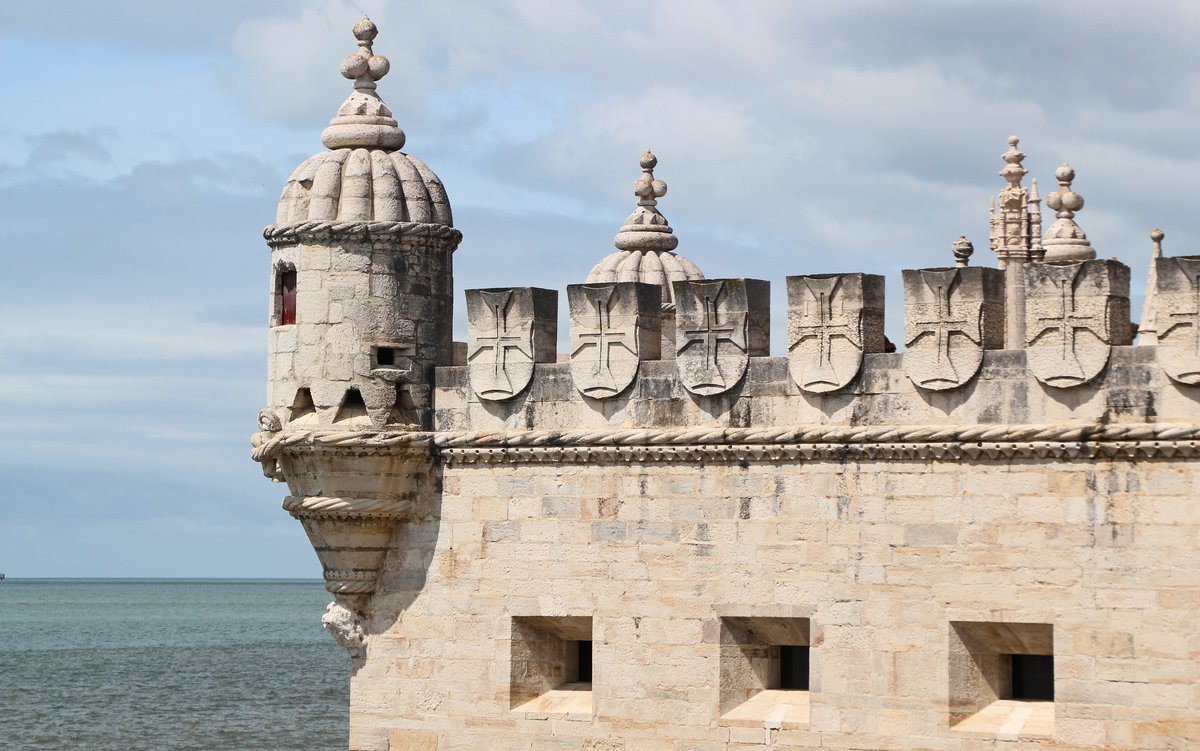
- Nearby Attractions: Jerónimos Monastery, Belém Tower, MAAT Museum, and the Belém Cultural Center, making the district ideal for a day of cultural exploration (Trek Zone).
Visuals and Interactive Media
- High-quality exhibit images and virtual tours are available on the museum’s official website.
- Interactive museum maps and video interviews enhance visitor engagement.
- Non-flash photography is generally permitted, with some restrictions during special exhibitions.
Frequently Asked Questions (FAQ)
What are the National Museum of Ethnology visiting hours?
Tuesday to Sunday, 10:00 AM to 6:00 PM. Closed Mondays and public holidays.
How much are tickets?
Adults: €4–€6; discounts for students/seniors/groups; children under 14 free.
Is the museum wheelchair accessible?
Yes, with full step-free access, adapted restrooms, and wheelchair loans.
Are guided tours available?
Yes, in Portuguese and English, plus specialized and sign language tours by request.
Can I buy tickets online?
Yes, online purchase is available and recommended for busy periods.
Does the museum have family-friendly facilities?
Yes—interactive displays, workshops, baby-changing stations, and stroller access.
What is the best way to get there?
Public transport is recommended due to limited parking. Options include tram, bus, and train.
Listen to the full story in the app
The whole National Museum Of Ethnology,
told well.
Audio guides for 1,100+ cities across 96 countries. History, stories, and local insight — offline ready.

Verified, and shown.
Researched and written by the Audiala editorial team from historical records, architectural archives, and local expertise.
Researched from Wikidata, Wikipedia & official sources · fact-checked · How we make our guides →