Plan and listen to Miradouro De Santa Luzia with Audiala.
Audio guide in your pocket, itinerary in your browser. Built for the way you actually visit.
Introduction to Jardim Júlio de Castilho-Miradouro de Santa Luzia
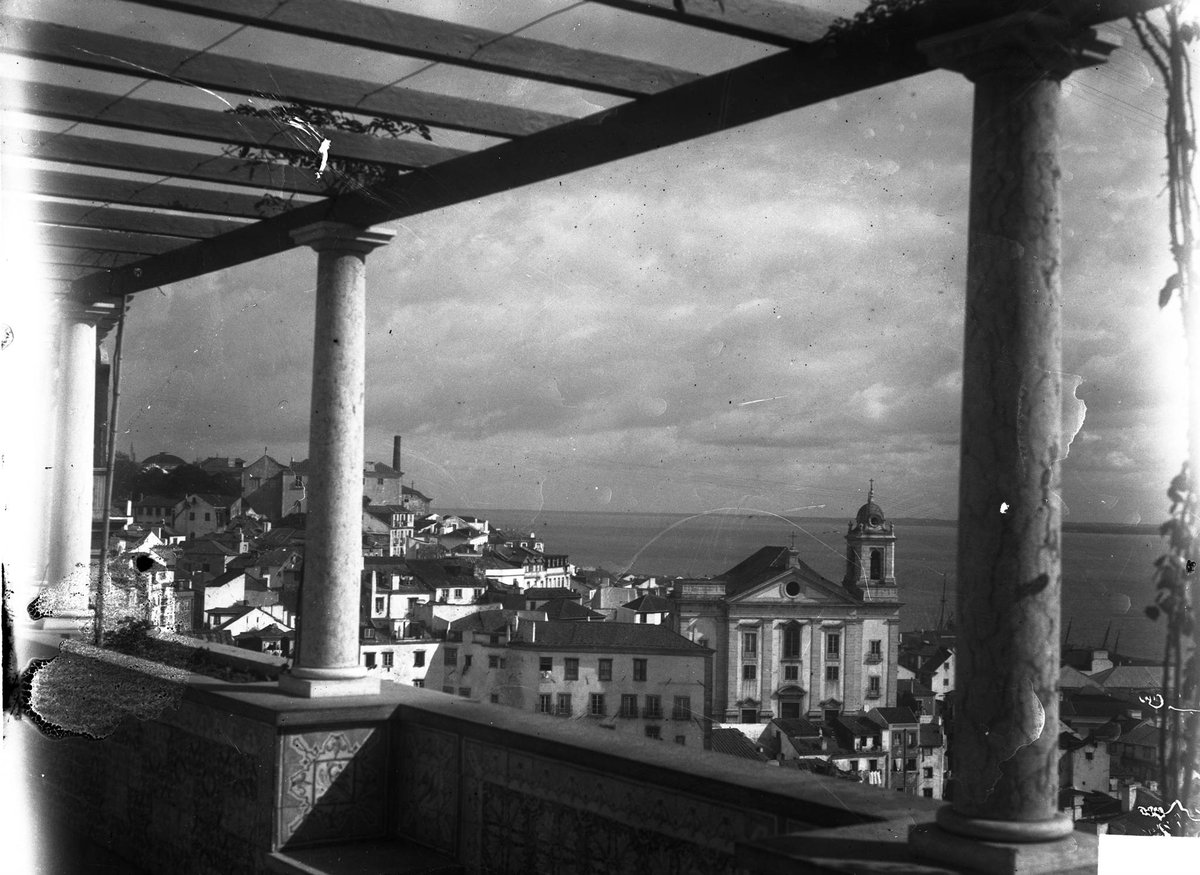
Welcome to an exploration of two of Lisbon's most cherished landmarks - Jardim Júlio de Castilho and Miradouro de Santa Luzia. Nestled in the historic Alfama district, these sites offer a unique blend of history, culture, and scenic beauty. The Miradouro de Santa Luzia, a scenic viewpoint, provides breathtaking panoramic views of the Tagus River and the red-tiled roofs of Lisbon (Visit Lisbon). Adjacent to it, the Jardim Júlio de Castilho is a lush garden named after a notable Portuguese historian, offering a peaceful retreat adorned with traditional azulejos and vibrant bougainvillea (Júlio de Castilho). This guide will delve into their rich historical backgrounds, architectural significance, and cultural importance, while also providing practical visitor information to ensure a memorable visit.

Ultimate Guide to Visiting Jardim Júlio de Castilho and Miradouro de Santa Luzia in Lisbon
Introduction
Welcome to an exploration of two of Lisbon's most cherished landmarks - Jardim Júlio de Castilho and Miradouro de Santa Luzia. This ultimate guide will delve into their rich historical backgrounds, architectural significance, and cultural importance. You'll also find practical visitor information, including visiting hours, ticket prices, and travel tips to make the most of your visit to these iconic sites.
Historical Background
The Jardim Júlio de Castilho and Miradouro de Santa Luzia are two interconnected landmarks in Lisbon, Portugal, each with a rich historical tapestry. The Miradouro de Santa Luzia, a scenic viewpoint, is named after the adjacent Church of Santa Luzia, which dates back to the 12th century. This church was built shortly after the Christian reconquest of Lisbon from the Moors in 1147, a pivotal event in Portuguese history (Lisbon History).
The garden, Jardim Júlio de Castilho, is named after Júlio de Castilho, a notable Portuguese historian and writer from the 19th century. His works focused on the history and culture of Lisbon, making him a fitting namesake for a garden that offers panoramic views of the city's historical quarters (Júlio de Castilho).
Architectural Significance
The Miradouro de Santa Luzia is renowned for its azulejos, traditional Portuguese blue and white tiles that depict historical scenes. One of the most notable azulejos illustrates the Praça do Comércio before the 1755 earthquake, providing a visual connection to Lisbon's past (Azulejos). The garden itself is adorned with pergolas, bougainvillea, and a variety of other flora, creating a serene environment that contrasts with the bustling city below.
Cultural Importance
Both the garden and the viewpoint are integral to Lisbon's cultural landscape. They serve as popular spots for both locals and tourists to relax and enjoy the city's beauty. The Miradouro de Santa Luzia, in particular, is a favored location for artists and photographers, who are drawn to its stunning views of the Alfama district and the Tagus River (Alfama District).
Visitor Information
Visiting Hours
The garden and viewpoint are open daily from 8 AM to 8 PM. It's recommended to visit early in the morning or late in the afternoon for the best light and fewer crowds.
Tickets
Entry to both the garden and viewpoint is free, making it an accessible attraction for all.
Travel Tips
The site is easily accessible by public transport, with several bus and tram routes stopping nearby. For those driving, parking may be limited, so consider using public transport.
Accessibility
The garden and viewpoint are partially accessible to those with mobility issues, though some areas may be challenging due to stairs and uneven pathways.
Special Events and Tours
Guided Tours
Several companies offer guided tours that include the Miradouro de Santa Luzia and the Alfama district. These tours provide deeper insights into the area's history and significance.
Photographic Spots
The viewpoint is a fantastic spot for photography, especially during sunrise and sunset. The azulejos and panoramic views offer unique photo opportunities.
FAQ
Q: What are the visiting hours for Miradouro de Santa Luzia?
A: The Miradouro de Santa Luzia is open daily from 8 AM to 8 PM.
Q: Is there an entry fee for Jardim Júlio de Castilho?
A: No, entry to both Jardim Júlio de Castilho and Miradouro de Santa Luzia is free.
Q: How can I get to Jardim Júlio de Castilho and Miradouro de Santa Luzia?
A: The site is easily accessible by public transport, with several bus and tram routes stopping nearby.
Tickets & tours.
These are guided options from our partners — same price as booking direct.
Prices are indicative — final pricing and availability are confirmed at checkout. Audiala may earn a commission from bookings made through these links.
Listen to the full story in the app
The whole Miradouro De Santa Luzia,
told well.
Audio guides for 1,100+ cities across 96 countries. History, stories, and local insight — offline ready.
Verified, and shown.
Researched and written by the Audiala editorial team from historical records, architectural archives, and local expertise.
Researched from Wikidata, Wikipedia & official sources · fact-checked · How we make our guides →