Introduction
Jardim Dr. Mário Soares, nestled in the heart of Lisbon’s Alvalade district, stands as one of the city’s largest and most cherished urban parks. Spanning approximately 11 to 13 hectares, this green sanctuary offers a harmonious blend of botanical diversity, historical monuments, and modern recreational amenities. Originally known as Jardim do Campo Grande, the park’s evolution mirrors Lisbon’s transformation and pays homage to Portugal’s democratic values, especially after its 2017 renaming in honor of Dr. Mário Soares, a pivotal figure in the nation’s contemporary history. Today, it serves as an inclusive retreat for families, tourists, students, and nature enthusiasts, reflecting the vibrance and diversity of Lisbon itself (Monumentos SIPA, Lisbon City Council, Wikipedia).
Historical Background
Origins and Early Development
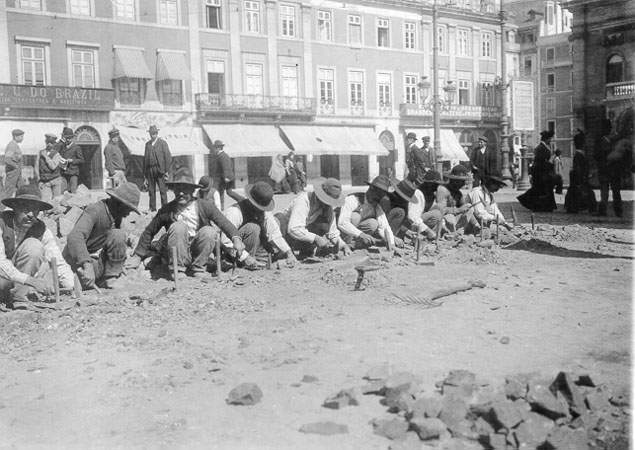
Jardim Dr. Mário Soares traces its roots to the early 19th century when the area functioned as open fields for fairs, military exercises, and social gatherings. In the mid-1800s, urban expansion and Enlightenment ideals prompted its transformation into a formal public garden, reflecting growing civic pride and a commitment to public health (Monumentos SIPA).
19th and 20th Century Evolution
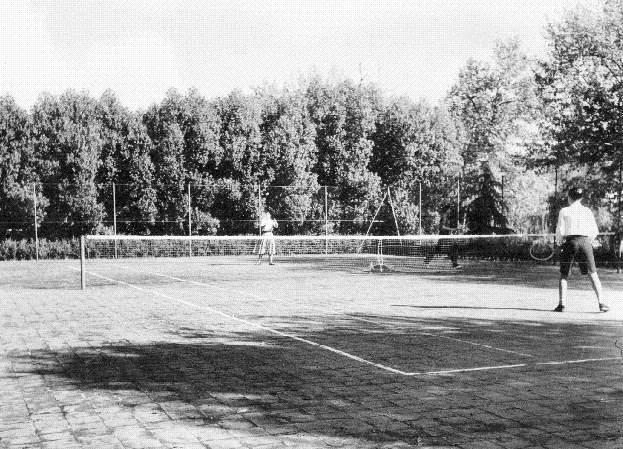
Throughout the late 19th and 20th centuries, the garden underwent significant enhancements—tree-lined avenues, ornamental flower beds, statues, sports courts, and children’s play areas were introduced. The addition of Art Nouveau kiosks and a 19th-century bandstand enriched its architectural landscape and social utility.
Renaming and Modern Dedication
In 2017, the park was renamed after Dr. Mário Soares to honor his role in Portugal’s democratic transition. This act underscored the park’s symbolic status as a space for civic celebration and reflection (Lisbon City Council).
Park Layout and Key Features
Spatial Organization
Jardim Dr. Mário Soares stretches in a linear form, roughly 1,200 meters long and 200 meters wide, divided by Avenida do Brasil into two main zones (Wikipedia, Portugal All Over):
- Northern Zone: Open lawns, sports courts, statues, and recreational facilities.
- Southern Zone: Mature trees, children’s playgrounds, and tranquil walking paths.
Wide, paved paths make the park highly accessible for pedestrians, joggers, and cyclists (Guia da Cidade).
Facilities and Attractions
- Sports Facilities: Public table tennis, padel courts, and Go-Fit gym with pool.
- Children’s Playgrounds: Shaded play structures for young visitors.
- Monuments: Statues of Afonso Henriques and Dom João I, crafted by Leopoldo de Almeida.
- Cafés and Kiosks: Restored Art Nouveau kiosks and nearby restaurants for refreshments.
- Central Lake: A picturesque lake home to ducks, swans, and local birdlife.
- Rest Areas: Benches, lawns, and shaded spots for relaxation.
Botanical and Ecological Diversity
Jardim Dr. Mário Soares boasts a rich collection of native and exotic species, including Canary Island palms, eucalyptus, jacarandas, and pines. Informative placards identify many specimens, making the park an educational resource. The diverse flora supports urban wildlife, especially birds such as goldfinches and sparrows, and the central lake attracts waterfowl (Wikipedia, thecookandthewriter.com).
Renovations have prioritized sustainable practices, emphasizing native species and water-efficient landscaping (ericeirafamilyadventures.com).
Visiting Information
Opening Hours
- Standard Hours: Daily from 6:00 AM to 10:00 PM
- Some Sections: Open 24/7, though most facilities operate within standard hours (urtrips.com)
Tickets and Admission
- Entry: Free; no tickets required
Getting There
- Metro: Campo Grande (Yellow & Green lines)
- Bus: Lines 701, 723, 729, 742, and others
- Car: Limited street parking nearby; public transport recommended
Accessibility
- Wheelchair-accessible paths and ramps
- Accessible restrooms near main entrances
- Flat terrain suitable for strollers and mobility-impaired visitors
Activities and Experiences
Recreation
- Walking, Jogging, Cycling: Extensive loops and interior paths
- Picnicking: Spacious lawns and shaded areas
- Sports: Padel courts, table tennis, and gym facilities
- Children’s Play: Multiple play areas with modern equipment
Events and Community Life
Seasonal concerts, cultural festivals, and community events occur throughout the year. While regular guided tours are rare, local tour companies occasionally include the park in their itineraries. Be sure to consult Visit Lisboa or the Lisbon City Council for current schedules.
Dining
Enjoy snacks or meals at cafés and kiosks within the park or surrounding streets. Picnics are welcomed.
Nearby Attractions
- Museu Bordalo Pinheiro: Portuguese ceramics and art
- Museu Nacional do Traje: Portuguese costume history
- University of Lisbon: Adds vibrancy and youthful energy
- Campo Pequeno: Historic bullring and shopping center
Environmental and Social Impact
Jardim Dr. Mário Soares functions as a critical “green lung” within Lisbon, improving air quality, supporting biodiversity, and offering a space for recreation and relaxation. Its community value is reflected in its daily use by families, students, athletes, and tourists. Ongoing conservation ensures ecological sustainability and maintains its status as a democratic, inclusive urban space (thecookandthewriter.com, ericeirafamilyadventures.com).
Visitor Tips
- Best Visiting Months: June and September for comfortable weather (beelovedcity.com)
- Bring: Comfortable shoes, picnic blanket, reusable water bottle, sun protection
- Pets: Allowed on leash; owners must clean up after them
- Safety: The park is generally safe, with good lighting and regular security patrols
Frequently Asked Questions (FAQ)
Q: What are the park’s opening hours?
A: Most of the park is open from 6:00 AM to 10:00 PM, with some sections accessible 24/7.
Q: Is there an entrance fee?
A: No, entry is free for all.
Q: Are pets allowed?
A: Yes, leashed pets are welcome.
Q: Is the park accessible for wheelchair users?
A: Yes, there are paved paths and accessible facilities.
Q: Are guided tours available?
A: Occasionally, mainly through local tour companies or special events.
Q: Is there parking nearby?
A: Limited street parking is available, but public transit is recommended.
Q: Are there food and drink options?
A: Yes, within and around the park.
Comparative Perspective
Compared to Lisbon’s other major parks—such as Parque Eduardo VII or Monsanto Forest Park—Jardim Dr. Mário Soares stands out for its linear layout, integration with local neighborhoods, and community-centered design (lisbonlux.com, lostinlisbon.com).
Plan Your Visit
Explore Jardim Dr. Mário Soares for a unique blend of history, culture, recreation, and nature. For up-to-date event listings, guided tour information, and practical tips, visit Visit Lisboa, Wikipedia, or download the Audiala app for offline access to maps, guides, and audio tours.
Visuals and Media
Enhance your planning with virtual tours and high-quality images of the park’s gardens, monuments, and lake. Use descriptive alt tags for accessibility (e.g., "Central lake at Jardim Dr. Mário Soares with reflections," "Art Nouveau café kiosk," "Statue of Dom Afonso Henriques").
Summary Table: Key Visitor Information
| Feature | Details |
|---|---|
| Opening Hours | 6:00 AM–10:00 PM (some sections 24/7) |
| Entrance Fee | Free |
| Nearest Metro Station | Campo Grande (Yellow & Green lines) |
| Main Facilities | Walking/jogging paths, lake, playgrounds, sports courts, cafés |
| Accessibility | Wheelchair/stroller friendly, accessible restrooms |
| Notable Monuments | Statues of Afonso Henriques & Dom João I |
| Best Visiting Months | June, September |
| Nearby Attractions | Museums, university, Campo Pequeno |
Listen to the full story in the app
Your Personal Curator, in Your Pocket.
Audio guides for 1,100+ cities across 96 countries. History, stories, and local insight — offline ready.
Audiala App
Available on iOS & Android
Join 50k+ Curators
Sources
-
verified
Visiting Jardim Dr
Mário Soares: History, Hours, Tickets & Lisbon’s Historic Urban Park, 2023, Monumentos SIPA
-
verified
Jardim Dr
Mário Soares Renaming Announcement, 2017, Lisbon City Council
-
verified
Jardim Dr
Mário Soares Wikipedia Entry, 2024
-
verified
Jardim Dr
Mário Soares Visitor Guide, 2024, Portugal All Over
-
verified
Jardim Dr
Mário Soares Park Review, 2024, We Heart Lisbon
-
verified
Jardim Dr
Mário Soares Environmental and Social Impact, 2023, The Cook and The Writer
- verified
- verified
- verified
Last reviewed: