Plan and listen to Jardim Botânico Da Ajuda with Audiala.
Audio guide in your pocket, itinerary in your browser. Built for the way you actually visit.
Introduction
Nestled in the historic Ajuda district of Lisbon, Portugal, the Jardim Botânico da Ajuda is a botanical haven that seamlessly blends natural beauty with a rich royal legacy. Established in 1768, this botanical garden stands as Portugal's oldest, originally conceived under the reign of King José I with the influential support of the Marquis of Pombal. The garden's creation followed the catastrophic Lisbon earthquake of 1755, offering the royal family a serene refuge and a center for botanical exploration and scientific study (Jardim Botânico da Ajuda). Initially designed in the elegant Italian style, the garden evolved significantly over the centuries, incorporating elements of the English landscape style and becoming a pivotal center for botanical research and education. Visitors today are met with a meticulously curated landscape that showcases a diverse collection of flora from around the world, carefully classified and maintained to reflect both historical and contemporary botanical knowledge (University of Coimbra). This guide aims to provide a comprehensive overview of the Jardim Botânico da Ajuda, including its history, visitor information, travel tips, and nearby attractions, ensuring an enriching experience for every visitor.
A Royal History - From Exotic Garden to Botanical Treasure
The Jardim Botânico da Ajuda boasts a history as rich and vibrant as the flora it cultivates. Its story is deeply intertwined with the Portuguese royal family and their passion for botanical exploration and scientific advancement.
Birth of a Royal Garden (1768)
The garden's genesis can be traced back to 1768, during the reign of King José I and his influential Prime Minister, the Marquis of Pombal. The devastating Lisbon earthquake of 1755 had ravaged the city, and the royal family, seeking refuge in the Ajuda area, decided to create a haven for both pleasure and scientific pursuit.
This initial garden, known as the "Royal Garden of Ajuda," was designed in the Italian style, reflecting the prevailing European garden aesthetic of the time. It featured geometric layouts, ornate fountains, and a focus on symmetry and order. However, the garden's purpose extended beyond mere aesthetics.
A Legacy of Botanical Exploration
Portugal's global explorations during the Age of Discovery brought a wealth of new plant species to Lisbon. The Royal Garden of Ajuda became a living laboratory for studying and cultivating these exotic treasures. Seeds and specimens arrived from Brazil, India, and other corners of the Portuguese Empire, enriching the garden's collection and contributing to the burgeoning field of botany.
Transformation and Expansion (1790s)
The late 18th century saw a shift in botanical thinking, with a growing emphasis on scientific classification and the study of plants in their natural habitats. This shift was reflected in the garden's evolution. Under the guidance of renowned botanist Dom José Correia de Serra, the garden underwent a significant transformation in the 1790s.
Correia de Serra introduced the Linnaean system of plant classification, organizing the collection according to scientific principles. He also expanded the garden, incorporating elements of the English landscape style, which emphasized more naturalistic plantings and winding paths. This blend of Italianate structure and English naturalism created a unique and captivating landscape.
A Center for Scientific Learning
Throughout the 19th century, the garden flourished as a center for botanical research and education. It played a crucial role in training generations of botanists and gardeners, contributing significantly to Portugal's agricultural development. The garden's herbarium, established in 1836, became a repository of invaluable plant specimens, further solidifying its scientific importance.
Challenges and Resilience
The garden faced periods of neglect and financial hardship throughout its history, particularly during times of political instability in Portugal. However, it always managed to persevere, thanks to the dedication of its curators and the enduring fascination with its botanical treasures.
A Modern Botanical Garden (1910)
In 1910, the garden was officially designated as the "Jardim Botânico da Ajuda" and placed under the stewardship of the Instituto Superior de Agronomia (ISA), ensuring its continued preservation and scientific relevance.
The Garden Today - A Living Legacy
Today, the Jardim Botânico da Ajuda stands as a testament to centuries of botanical passion and scientific inquiry. It remains a place of tranquility and beauty, offering visitors a glimpse into Portugal's rich botanical heritage and the enduring legacy of its royal past.
Visitor Information
Visiting Hours
The Jardim Botânico da Ajuda is open daily from 9:00 AM to 7:00 PM. During the winter months, the closing time is adjusted to 6:00 PM. It's advisable to check the official website for any changes in visiting hours.
Tickets
Ticket prices are as follows:
- Adults: €2
- Students and Seniors: €1
- Children under 12: Free
Best Times to Visit
The garden is most vibrant during the spring and summer months when the flowers are in full bloom. Early mornings or late afternoons are ideal for a peaceful visit.
Travel Tips
How to Get There
The Jardim Botânico da Ajuda is located in the Ajuda district of Lisbon. It is easily accessible by public transport. You can take bus numbers 760, 742, or 732. The nearest tram stop is "Belém," which is a short walk from the garden.
Nearby Transportation Options
There are several nearby transportation options, including taxis and ride-sharing services. Parking is available but limited, so public transport is recommended.
Nearby Attractions
While visiting the Jardim Botânico da Ajuda, consider exploring nearby attractions such as:
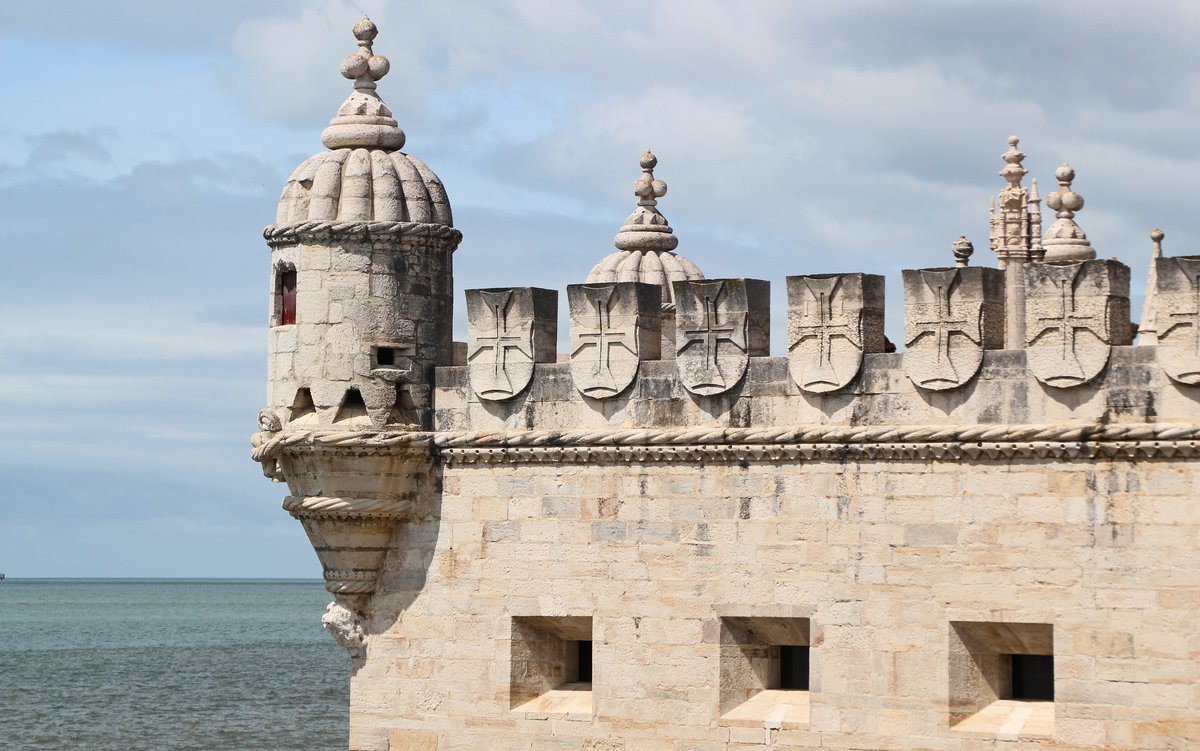
- Belém Tower: A UNESCO World Heritage site offering stunning views of the Tagus River.
- Jerónimos Monastery: A masterpiece of Manueline architecture and another UNESCO World Heritage site.
- National Coach Museum: Home to a unique collection of historical carriages.
Special Events
The garden hosts various events throughout the year, including botanical workshops, guided tours, and seasonal festivals. Check the official website for the latest updates on upcoming events.
Guided Tours and Photographic Spots
Guided Tours
Guided tours are available and provide in-depth knowledge about the garden's history, plant species, and conservation efforts. These tours can be booked in advance through the official website.
Best Spots for Photography
The garden offers numerous picturesque spots, including the central fountain, the geometrically laid-out flower beds, and the scenic views from the upper terrace.
FAQ
What are the opening hours for Jardim Botânico da Ajuda?
The garden is open daily from 9:00 AM to 7:00 PM, with winter hours until 6:00 PM.
How much are tickets for Jardim Botânico da Ajuda?
Ticket prices are €2 for adults, €1 for students and seniors, and free for children under 12.
Is the garden accessible for wheelchair users?
The garden is partially accessible, with ramps and paved pathways in some areas.
Tickets & tours.
These are guided options from our partners — same price as booking direct.
Prices are indicative — final pricing and availability are confirmed at checkout. Audiala may earn a commission from bookings made through these links.
Listen to the full story in the app
The whole Jardim Botânico Da Ajuda,
told well.
Audio guides for 1,100+ cities across 96 countries. History, stories, and local insight — offline ready.

Verified, and shown.
Researched and written by the Audiala editorial team from historical records, architectural archives, and local expertise.
Researched from Wikidata, Wikipedia & official sources · fact-checked · How we make our guides →