Plan and listen to Chiado Museum with Audiala.
Audio guide in your pocket, itinerary in your browser. Built for the way you actually visit.
Introduction: Discover the Chiado Museum’s Place in Lisbon’s Cultural Landscape
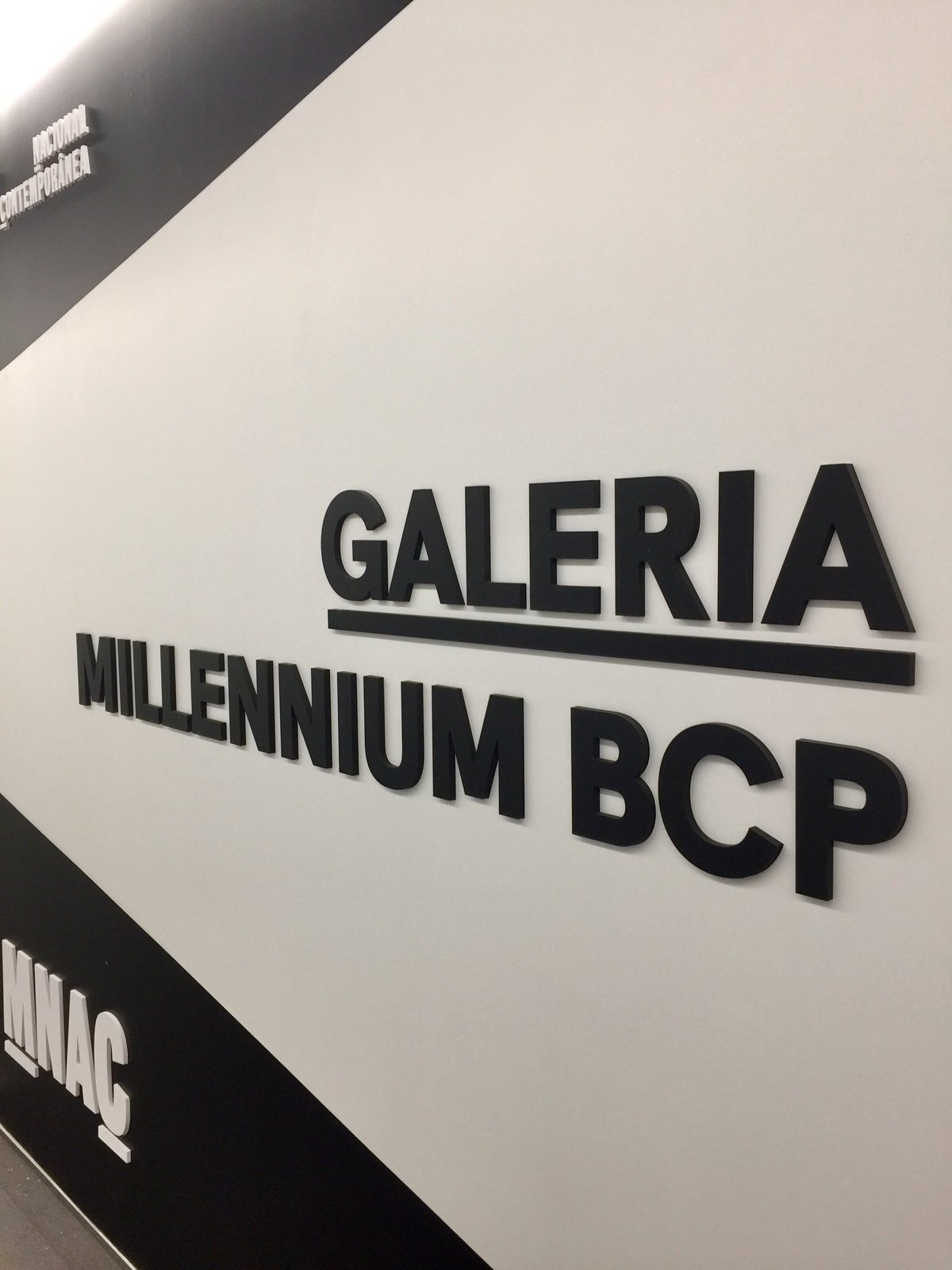
Located in Lisbon’s iconic Chiado district, the National Museum of Contemporary Art – Museu do Chiado (MNAC) is a cornerstone of Portugal’s artistic narrative. Founded in 1911 and housed in the historic Convento de São Francisco, the museum has evolved through Lisbon’s turbulent history—including the 1755 earthquake and the 1988 Chiado fire—emerging as a vibrant testament to the city’s resilience and creativity. Today, the MNAC offers visitors an immersive journey through Portuguese art from the Romantic era to the present, featuring masterworks by Columbano Bordalo Pinheiro, Amadeo de Souza-Cardoso, Almada Negreiros, Paula Rego, and other celebrated figures. Its setting in Chiado, a district renowned for its intellectual and artistic legacy, makes the museum an essential stop for both art lovers and cultural explorers. This detailed guide covers Chiado Museum visiting hours, ticketing, accessibility, travel tips, and nearby attractions to help you make the most of your visit (Museu Nacional de Arte Contemporânea – História, Wikipedia – National Museum of Contemporary Art of Chiado, Lisbon Portugal Tourism).


Historical and Cultural Context
Origins and Evolution
The MNAC was inaugurated in 1911 as part of a national reorganization that split the former Museu Nacional de Belas-Artes into two branches: one for ancient art and the other, MNAC, for art produced after 1850 (Museu Nacional de Arte Contemporânea – História). This pioneering initiative reflected Enlightenment ideals of public education and positioned Portugal at the forefront of contemporary art curation in Europe. The museum’s home, the Convento de São Francisco da Cidade, itself is a symbol of Lisbon’s resilience, having survived and adapted through centuries of change, including the 1755 earthquake and, later, the 1988 fire.
Architectural Transformation
After the 1988 Chiado fire, the museum underwent a transformative restoration and expansion led by architect Jean-Michel Wilmotte. The design carefully balanced historic preservation with modern innovation, adding vertical extensions, suspended walkways, and new gallery spaces. In 2015, further expansion integrated adjacent buildings, creating the Capelo Wing and boosting exhibition capacity (Museu Nacional de Arte Contemporânea – História, Lisboacool).
Artistic Collection & Representation
The MNAC boasts Portugal’s most comprehensive public collection of painting and sculpture from 1850 to 1950, alongside significant holdings of photography, drawing, engraving, installation, and media art (Wikipedia – National Museum of Contemporary Art of Chiado, Visit Portugal). Visitors can trace the evolution from Romanticism and Naturalism (e.g., Columbano Bordalo Pinheiro, José Malhoa) through Modernism (Amadeo de Souza-Cardoso, Almada Negreiros) to postwar and contemporary artists like Júlio Pomar and Paula Rego. Select international works, including French sculpture by Auguste Rodin, provide broader context.
The museum continually develops its collection, filling gaps in late 20th-century representation and regularly mounting temporary exhibitions to highlight underrepresented artists.
Role in Portuguese Society
The MNAC is more than a repository: it is a living institution that reflects and shapes Portuguese identity. During the COVID-19 pandemic, it innovated with online educational projects, earning the APOM 2022 Award for cultural mediation. Its location in Chiado, a traditional haunt for intellectuals, writers, and artists, situates the museum at the heart of Lisbon’s creative pulse (The 500 Hidden Secrets – Modern and Contemporary Art Museums).
Visitor Information
Chiado Museum Visiting Hours
- Tuesday to Sunday: 10:00 am – 6:00 pm
- Closed: Mondays, January 1, May 1, December 25
Hours may vary on holidays or for special events. Always check the official website before your visit.
Tickets & Admission
- Standard Admission: €8 (as of 2025)
- Discounted Admission: Available for students, seniors, and groups
- Free Entry: With the Lisboa Card and on designated free days (see the official website for details)
- Temporary Exhibitions: Some may require separate tickets
- Tickets: Purchase online or at the museum entrance; advance booking is recommended during peak periods (Lisbon Portugal Tourism, Lisbon Tourism)
Accessibility
The museum is wheelchair accessible, with ramps, elevators, and accessible restrooms. The surrounding Chiado area, however, features cobblestone streets and hills, which may present challenges for some visitors (VisitUS).
Getting There & Nearby Attractions
- Address: Rua Serpa Pinto, 4-6, 1200-444 Lisbon
- Metro: Baixa-Chiado (Blue and Green lines), Largo do Chiado exit
- Tram 28: Stops nearby on Rua Vítor Cordon
- Parking: Limited; public transport is recommended
After your museum visit, explore these nearby landmarks:
- Carmo Convent Ruins
- Santa Justa Elevator
- Bertrand Bookstore (world’s oldest), A Brasileira café
- Bairro Alto and the Chiado district’s theaters, galleries, and boutiques (Lisbon Portugal Tourism, daGama Travel)
Exhibitions and Programs
Permanent Collection
The MNAC’s permanent galleries present a chronological and thematic overview of Portuguese art, from Romantic and Naturalist paintings to Modernist and contemporary works. Highlights include psychological portraits by Columbano Bordalo Pinheiro, Orpheu movement pieces by Almada Negreiros, and narrative paintings by Paula Rego.
Temporary Exhibitions
The museum regularly hosts major temporary exhibitions, retrospectives, and collaborative projects with international institutions. Past shows have included “The Other Life of Animals,” “Women Artists in Portuguese Art,” and “Media Art Now.” Educational programs, guided tours, and artist talks deepen visitor engagement (Wikipedia – National Museum of Contemporary Art of Chiado).
Facilities
- Multilingual audio guides
- Museum shop with books, prints, and Portuguese design items
- Outdoor sculpture garden and tranquil terraces
- Restrooms and cloakrooms
Practical Tips for Visiting
- Plan Ahead: Check the museum’s website for current exhibitions, closures, and ticketing.
- Visitor Flow: Mornings and late afternoons are quieter. Weekends and holidays are busier.
- Time Needed: Allocate 1–2 hours for a comprehensive visit.
- Photography: Allowed without flash or tripods; check for restrictions in special exhibitions.
- Language: Exhibits are labeled in Portuguese and English. English-language guided tours may require advance booking.
- Dining: No on-site café, but Chiado’s famed cafés and restaurants are steps away.
- Dress: Wear comfortable shoes for Lisbon’s cobblestones and hilly terrain.
- Safety: Lisbon is safe, but stay vigilant with belongings in crowded areas (VisitUS).
Frequently Asked Questions (FAQ)
Q: What are the Chiado Museum visiting hours?
A: Open Tuesday to Sunday, 10:00 am–6:00 pm. Closed on Mondays and select holidays.
Q: How much are tickets to the Chiado Museum?
A: €8 standard admission; discounts for students/seniors; free with Lisboa Card and on select days.
Q: Is the museum wheelchair accessible?
A: Yes—ramps, elevators, and accessible restrooms are available.
Q: Can I purchase tickets online?
A: Yes, via the official website.
Q: Are guided tours available in English?
A: Occasionally; advance booking is recommended for English-language tours.
Q: What’s the best way to reach the museum?
A: Metro (Baixa-Chiado station), Tram 28, or by foot from central Lisbon.
Q: What else is there to do nearby?
A: Explore the Carmo Convent, Santa Justa Elevator, Bertrand Bookstore, and A Brasileira café.
Listen to the full story in the app
The whole Chiado Museum,
told well.
Audio guides for 1,100+ cities across 96 countries. History, stories, and local insight — offline ready.
Verified, and shown.
Researched and written by the Audiala editorial team from historical records, architectural archives, and local expertise.
Guide to Museu do Chiado
National Museum of Contemporary Art – Museu do Chiado
Museu Chiado – The Museum That Spans The History Of Art In Portugal
20 Must-Sees in Lisbon for First Timers
Researched from Wikidata, Wikipedia & official sources · fact-checked · How we make our guides →