Plan and listen to Alto De São João Cemetery with Audiala.
Audio guide in your pocket, itinerary in your browser. Built for the way you actually visit.
Introduction
Alto de São João Cemetery, perched on a hilltop in Lisbon, is much more than a burial ground—it is a living museum of Portuguese history, architecture, and collective memory. Established in 1833 during a devastating cholera epidemic, it marked a turning point in Lisbon’s burial practices, shifting away from traditional churchyards to more modern, hygienic, and secular cemeteries inspired by European models such as Paris’s Père-Lachaise (Lisboa Secreta). Spanning about 22 hectares, it is the largest cemetery in Lisbon and houses a wide array of architectural styles and notable memorials.
Visitors to Alto de São João can explore grand mausoleums, artistic tombs, and symbolic sculptures, reflecting both the city’s social fabric and artistic evolution. As the resting place of key political, artistic, and intellectual figures, it remains a vital part of Lisbon’s urban landscape. This guide provides comprehensive information on the cemetery’s history, visiting hours, ticket policies, accessibility, guided tours, nearby attractions, and practical tips to ensure a respectful and enriching visit.
Alto de São João Cemetery was founded in 1833 as Lisbon grappled with a deadly cholera outbreak. The need for new burial grounds outside the city’s core led to the establishment of this secular cemetery, reflecting broader trends in 19th-century urban planning and public health (Lisboa Secreta). The site, chosen for its elevation and drainage, was modeled after landscaped cemeteries like Père-Lachaise, combining utility with beauty.
Over time, Alto de São João expanded to accommodate victims of further epidemics, wars, and the city’s growing population. Its grid layout, tree-lined avenues, and diverse architectural styles chronicle Lisbon’s transformation and the evolving values of its citizens.

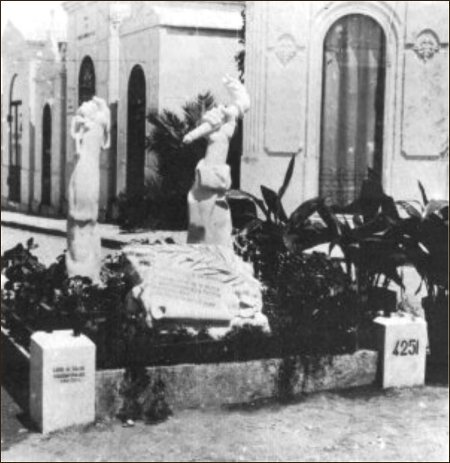
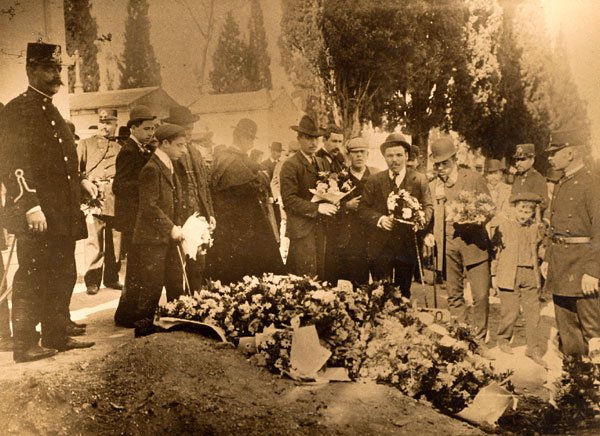
Architectural Highlights and Symbolism
The cemetery stands out for its eclectic funerary architecture. From neoclassical and neo-Manueline to art nouveau and modernist mausoleums, the site is an “open-air museum” of funerary art. Materials such as marble, limestone, granite, wrought iron, stained glass, and ceramics are prevalent, often adorned with sculptural angels, allegorical figures, or Masonic symbols—reflecting the philosophical and spiritual beliefs of those interred.
Symbolism abounds: angels and cherubs denote guardianship, broken columns represent lives cut short, and urns or drapery evoke classical mourning. Intellectual and artistic achievements are celebrated through motifs such as laurel wreaths and books. The cemetery’s mature trees, including cypress, jacaranda, eucalyptus, and carob, create a tranquil, shaded environment, especially beautiful in spring when the jacarandas bloom.
Notable Burials and Memorials
Alto de São João Cemetery is the final resting place for many of Portugal’s most prominent figures:
- Teófilo Braga: Second President of the Portuguese Republic, writer, and intellectual.
- Sidónio Pais: President during World War I, remembered for his significant yet turbulent role.
- Admiral Cândido dos Reis: Republican leader and namesake of a major Lisbon avenue.
- Ivone Silva: Beloved actress and cultural icon.
- António Egas Moniz: Nobel laureate in Medicine.
- Almada Negreiros: Modernist artist and writer.
- Natália Correia: Poet and advocate for women’s rights.
- José Dias Coelho: Anti-fascist sculptor and activist.
- Ana de Castro Osório and Adelaide Cabete: Leading feminists and pacifists.
There are also dedicated sections for victims of political repression, the Jewish community (including Holocaust survivors), and collective graves such as the ossuary for cholera epidemic victims. Monuments commemorate soldiers from World War I, republican heroes, and benefactors of Lisbon’s charitable organizations.
The Crematorium: National First
Alto de São João is home to Portugal’s first crematorium, inaugurated in 1925. Its unique architecture features symbolic burning skulls and represents Lisbon’s evolving funerary customs. Though closed in 1936 due to religious and political pressures, it reopened in 1985 following advocacy from the city’s Hindu community. It remains operational and culturally significant, with plans for a centenary commemorative book in 2025.
Visiting Hours, Tickets & Accessibility
Visiting Hours:
- Winter (Nov–Mar): 9:00 AM – 5:00 PM
- Summer (Apr–Oct): 9:00 AM – 6:00 PM
- Extended hours (e.g., All Saints’ Day): 8:00 AM – 8:00 PM
Tickets:
Admission is free. Guided tours and special event participation may require advance booking or registration, but are typically free as well (Lisboa Secreta, Lisbon City Council).
Accessibility:
Main pathways are wheelchair accessible; some historic areas have uneven terrain. Ramps are available near key points like the central chapel. For additional assistance, visitors may contact the cemetery’s administration in advance.
Guided Tours & Events
Guided Tours:
Offered during special events such as the annual Cultural Week in Cemeteries and by arrangement with local historical societies. These tours explore notable burials, funerary art, and the cemetery’s history. Maps for self-guided exploration are available at the entrance.
Cultural Events:
Highlights include the Cultural Week in Cemeteries (early October), featuring workshops, lectures, musical performances, and guided tours (Lisboa Secreta). Annual commemorations on All Saints’ Day and the Carnation Revolution anniversary bring additional visitors.
Getting There and Nearby Attractions
Location:
Rua António José da Silva, Penha de França district, northeast of central Lisbon.
Public Transport:
- Metro: Arroios (Green Line), ~15-minute walk
- Bus: Lines 718, 735, 742 (stop: Cemitério Alto de São João)
- Limited street parking is available but scarce on weekdays.
Nearby Attractions:
- Museu da Água
- Santa Apolónia train station
- Calouste Gulbenkian Museum
- Historic neighborhoods: Penha de França, Anjos, Arroios
- Other cemeteries: Prazeres Cemetery, British Cemetery
Visitor Facilities & Experience
On-site Amenities:
- Restrooms near the main entrance
- Drinking water: Limited fountains—bring your own, especially in summer
- No cafés inside, but local snack bars and coffee shops are nearby
Navigation:
The cemetery’s grid layout makes navigation straightforward. Visitors can obtain or download a map. Informational boards provide historical context (primarily in Portuguese; some English support during events).
Etiquette:
- Behave respectfully—avoid loud conversations, music, or disruptive activity
- Photography is allowed for personal use; avoid photographing mourners or recent graves
- Dress modestly and do not picnic; pets are not allowed except certified assistance animals
Safety:
The cemetery is safe during opening hours, with staff present. Emergency numbers are posted at the entrance; the national emergency number is 112.
Best Times to Visit & Travel Tips
- Seasons: Spring (March–June) and autumn (September–November) offer pleasant weather and fewer crowds.
- Weekdays: Quieter than weekends and holidays.
- Shoes: Wear comfortable footwear due to the large area and uneven paths.
- Preparation: Bring water, sun protection, and a map; check for special event dates to enhance your visit.
Frequently Asked Questions (FAQ)
Q: What are the visiting hours?
A: Open daily, typically 9:00 AM–5:00 PM (winter) and until 6:00 PM (summer). Extended hours on major holidays.
Q: Is there an entrance fee?
A: No, entry is free.
Q: Are guided tours available?
A: Yes, particularly during special events or by arrangement.
Q: Is the cemetery accessible for people with disabilities?
A: Main avenues are accessible; some older sections may be uneven. Additional assistance can be arranged.
Q: Can I take photographs?
A: Yes, but respect the privacy of mourners and active ceremonies.
Q: Which public transport lines serve the cemetery?
A: Bus lines 718, 735, 742; Metro: Arroios station.
Listen to the full story in the app
The whole Alto De São João Cemetery,
told well.
Audio guides for 1,100+ cities across 96 countries. History, stories, and local insight — offline ready.
Verified, and shown.
Researched and written by the Audiala editorial team from historical records, architectural archives, and local expertise.
Researched from Wikidata, Wikipedia & official sources · fact-checked · How we make our guides →