Plan and listen to Águas Livres Aqueduct with Audiala.
Audio guide in your pocket, itinerary in your browser. Built for the way you actually visit.
Introduction
Jardim do Aqueduto das Águas Livres, or the Garden of the Aqueduct of Free Waters, is a remarkable historical site nestled in the heart of Lisbon, Portugal. This garden, which surrounds the iconic Águas Livres Aqueduct, offers a unique blend of natural beauty, engineering marvel, and cultural significance. The aqueduct, built in the 18th century under the visionary leadership of King John V, was designed to address the critical water shortages faced by Lisbon's growing population. Spanning over 10 miles (16 kilometers) with arches reaching heights of up to 213 feet (65 meters), this architectural feat not only provided a vital water supply but also showcased the grandeur of Portuguese engineering (source) (source).
In the 20th century, the area around the aqueduct was transformed into a verdant park, creating the Jardim do Aqueduto das Águas Livres. Today, it stands as a tranquil urban oasis and a vibrant cultural hub, attracting both locals and tourists. Visitors can explore the serene garden, marvel at the historic aqueduct, and immerse themselves in the rich history of Lisbon's water supply system at the Museu da Água (source). With its picturesque landscapes, panoramic city views, and a variety of events and activities, the garden offers a memorable experience for all. This comprehensive guide provides essential information on the history, significance, visitor tips, and everything tourists need to know for an unforgettable visit to Jardim do Aqueduto das Águas Livres.

Exploring Jardim do Aqueduto das Águas Livres - History, Visitor Information, and Cultural Significance
Jardim do Aqueduto das Águas Livres, or the Garden of the Aqueduct of Free Waters, is more than just a green space in Lisbon. It's a living testament to the city's fascinating history and a symbol of its enduring ingenuity. This article delves into the rich history, visitor information, and cultural significance of this iconic site.
The Vision of a King - Birth of the Aqueduct
By the 18th century, Lisbon's growing population was facing severe water shortages. King John V, recognizing the urgency, envisioned a solution as ambitious as it was necessary - a monumental aqueduct to bring fresh water from the springs of Caneças, located over 11 miles (18 kilometers) away. Construction began in 1731 under King John's successor, King John V, and spanned decades, finally concluding in 1748. The result was a masterpiece of engineering, the Aqueduto das Águas Livres, a marvel that still stands today as a UNESCO World Heritage Site.
A Triumph of Engineering and Aesthetics
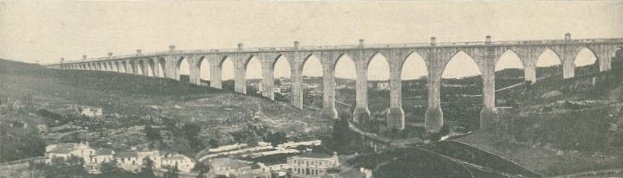
The aqueduct, stretching over 10 miles (16 kilometers) across the city, is a testament to the skill of its architects and builders. The most iconic section, the one that graces the garden, is a series of 35 arches, some reaching heights of 213 feet (65 meters). These arches, built from sturdy limestone blocks, were not just functional but also aesthetically pleasing, showcasing the architectural grandeur of the era.
From Waterway to Garden Oasis
The aqueduct served its purpose diligently, quenching Lisbon's thirst for over two centuries. However, with the advent of modern plumbing, its role as a primary water source diminished. Yet, its legacy lived on. In the 20th century, the area surrounding the aqueduct underwent a transformation. What was once open land became a verdant park, the Jardim do Aqueduto das Águas Livres. This transformation breathed new life into the historical structure, turning it into the centerpiece of a tranquil urban oasis.
A Place for Recreation and Reflection
Today, the garden stands as a popular destination for both locals and tourists. It offers a serene escape from the bustling city, a place to stroll beneath the imposing arches, marvel at the architectural prowess, and enjoy panoramic views of Lisbon.
More Than Just a Park - A Cultural Hub
The Jardim do Aqueduto das Águas Livres is not just a park; it's a vibrant cultural space. The Museu da Água (Water Museum), housed within one of the aqueduct's buildings, offers a fascinating glimpse into the history of water supply in Lisbon, showcasing the workings of the aqueduct and its impact on the city's development. The garden also hosts various events throughout the year, from open-air concerts and theater performances to markets and exhibitions. These events add to the garden's vibrancy, making it a dynamic space where history, culture, and recreation intertwine.
Visitor Information - Hours, Tickets, and Accessibility
For those planning a visit, the Jardim do Aqueduto das Águas Livres is generally open from 9:00 AM to 6:00 PM daily, although hours may vary depending on the season and events. There is no admission fee for the garden itself, but tickets are required for entry to the Museu da Água. Tickets can be purchased on-site or online through the museum's official website.
The garden is wheelchair accessible, with pathways designed to accommodate all visitors. Guided tours are available and can be booked in advance, providing a detailed exploration of the aqueduct's history and significance.
Nearby Attractions and Travel Tips
Located in the heart of Lisbon, the garden is easily accessible by public transportation. Nearby attractions include the Lisbon Zoo, the historic neighborhood of Campo de Ourique, and the stunning Eduardo VII Park. Visitors are encouraged to wear comfortable walking shoes and bring water, especially during the summer months.
A Symbol of Resilience
The Jardim do Aqueduto das Águas Livres holds a special place in the hearts of Lisbon's residents. It survived the devastating 1755 earthquake, a testament to the strength of its construction and a symbol of the city's resilience.
Frequently Asked Questions (FAQ)
What are the visiting hours for Jardim do Aqueduto das Águas Livres? The garden is generally open from 9:00 AM to 6:00 PM daily, though hours may vary.
Are there guided tours available at Jardim do Aqueduto das Águas Livres? Yes, guided tours are available and can be booked in advance.
How much do tickets cost for the Museu da Água? Ticket prices vary, and they can be purchased on-site or online through the museum's official website.
Is the garden accessible for visitors with disabilities? Yes, the garden is wheelchair accessible with pathways designed to accommodate all visitors.
Discover More
For more information and updates on events, follow the Jardim do Aqueduto das Águas Livres on social media or visit their official website. Download the Audiala mobile app for more travel tips and guides on Lisbon's historical sites.
Listen to the full story in the app
The whole Águas Livres Aqueduct,
told well.
Audio guides for 1,100+ cities across 96 countries. History, stories, and local insight — offline ready.
Verified, and shown.
Researched and written by the Audiala editorial team from historical records, architectural archives, and local expertise.
Researched from Wikidata, Wikipedia & official sources · fact-checked · How we make our guides →