Ancient Foundations
sailing
c. 1200 BCE
Phoenicians Drop Anchor
Traders from the eastern Mediterranean found a sheltered harbor they call Alis Ubbo. The Tagus estuary offers calm waters and defensible hills. Within decades the smell of drying fish and melting bronze fills the air along what will become the Alfama slopes. Lisbon's life as a port begins here.
castle
138 BCE
Romans Claim Olisipo
After fierce resistance the city falls to Roman legions and is renamed Felicitas Julia Olisipo. It becomes an important Atlantic outpost famous for its garum sauce factories. The governors build temples and a theatre whose ruins still surface during metro excavations. Lisbon learns bureaucracy and aqueducts.
Moorish Al-Ushbuna
castle
711
Moorish Conquest
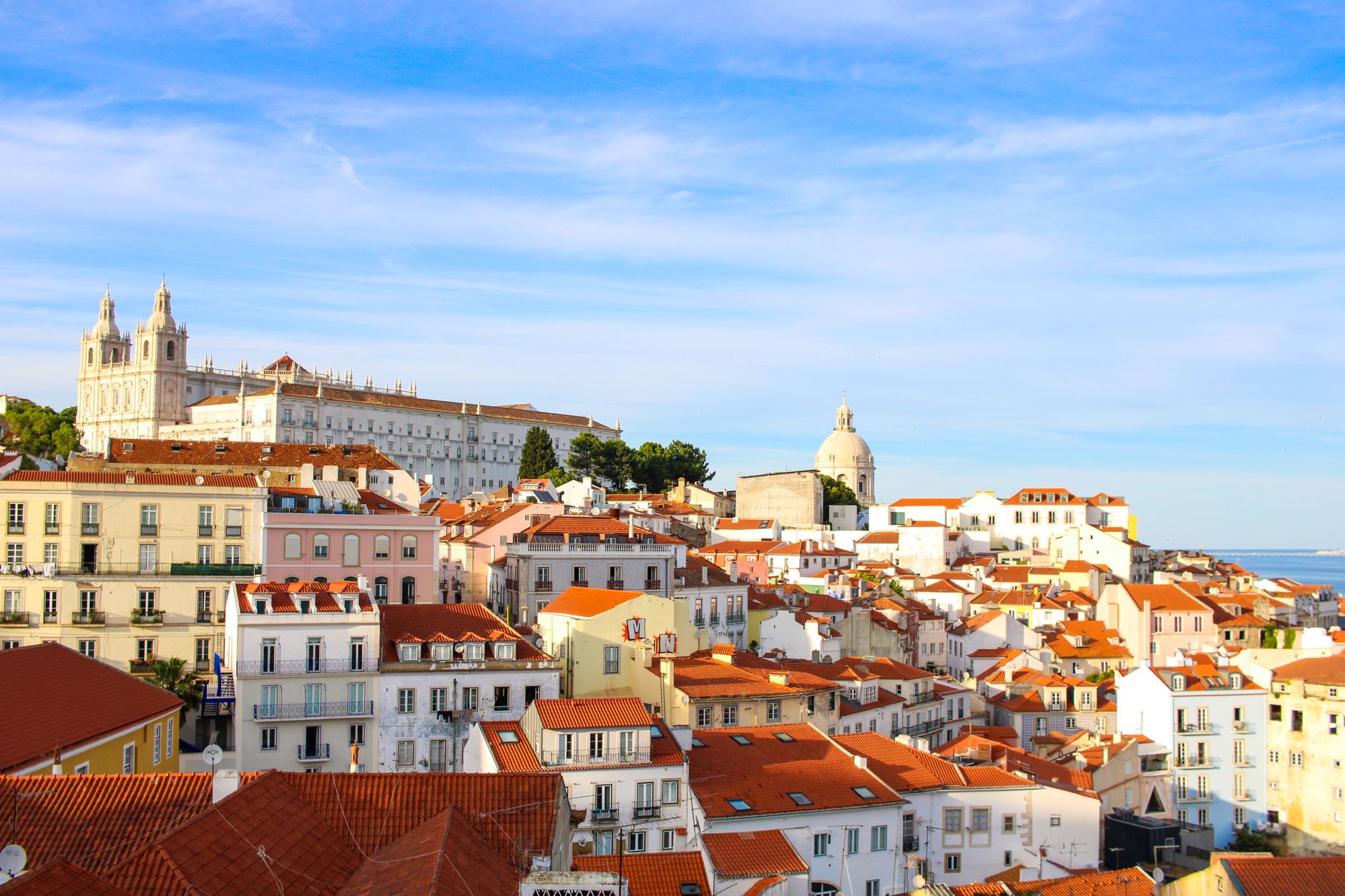
Islamic forces sweep across the peninsula and rename the city Al-Ushbuna. They strengthen the hilltop fortress that will later become Castelo de São Jorge. For over four centuries the call to prayer drifts across rooftops while merchants trade silk and silver. The streets narrow into the labyrinth still walked today.
Christian Reconquista
swords
1147
Afonso Henriques Takes Lisbon
Crusaders from northern Europe join Portuguese forces in a brutal four-month siege. On 25 October the Moorish defenders surrender. King Afonso Henriques rides through the smoking gates and claims the city for the young kingdom. The transition from Al-Ushbuna to Lisboa is complete, yet the castle stones remain the same.
gavel
1255
Lisbon Becomes Capital
The royal court moves permanently from Coimbra to the banks of the Tagus. The city suddenly swells with administrators, bishops and foreign merchants. Its position facing the Atlantic proves decisive. From this hill-ringed harbor Portugal will soon look outward rather than inward.
Age of Discovery
sailing
1498
Vasco da Gama Returns
After two years at sea, four ships drop anchor at Restelo. Their holds carry pepper, cloves and tales of a sea route to India. King Manuel I walks the quayside amid cheering crowds and the heavy scent of spice. Lisbon transforms overnight into Europe's wealthiest port.
church
1502
Jerónimos Monastery Founded
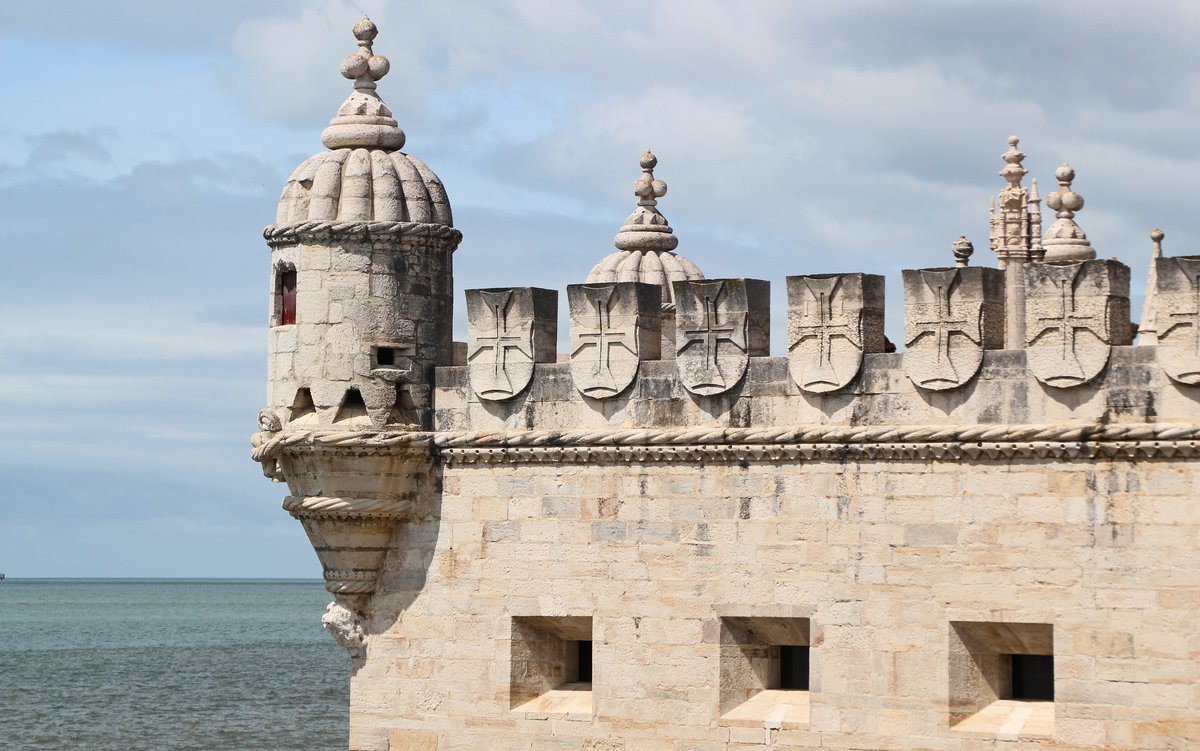
Manuel I orders construction of a vast monastery in Belém using the fortune from da Gama's voyage. Golden limestone carved with ropes, corals and exotic leaves rises beside the river. Monks pray for sailors while the smell of freshly cut stone drifts across the water. The building still hums with imperial memory.
person
1521
Birth of Luís de Camões
The poet who will immortalise Portugal's maritime epic is born in Lisbon. Camões loses an eye at Ceuta, survives shipwreck, and writes most of Os Lusíadas while exiled. He returns to die in the city whose glory he both celebrated and mourned. His words still echo louder than most monuments.
Habsburg Rule
gavel
1580
Iberian Union Begins
Spanish Habsburg troops occupy Lisbon after the disastrous Battle of Alcácer Quibir. For sixty years the Portuguese crown sits in Madrid. The Tagus sees fewer caravels and more Castilian officials. Resentment simmers in the narrow streets behind the palace.
swords
1640
Restoration of Independence
On 1 December Lisbon crowds storm the royal palace and hurl a Spanish governor's head from a window. The Duke of Braganza is proclaimed King João IV. Church bells ring for days. Portugal regains its throne but never quite regains its former empire.
Absolutist Baroque
science
1731
Águas Livres Aqueduct Construction
King João V begins work on an audacious 58-kilometre aqueduct to bring fresh water to a thirsty city. The most dramatic section crosses the Alcântara valley on 35 arches, some rising 65 metres. Completed decades later, it survives what nothing else will. Locals still call it the greatest engineering boast of the absolutist age.
local_fire_department
1755
All Saints' Day Earthquake
At 9:40 a.m. on 1 November the ground convulses. Churches collapse mid-mass, candles ignite the ruins, and a 20-metre tsunami sweeps the lower town. Between 20,000 and 60,000 die. The smell of smoke hangs over the city for weeks. Lisbon becomes Europe's first laboratory for earthquake engineering.
Pombaline Reconstruction
factory
1758
Pombal Rebuilds Baixa
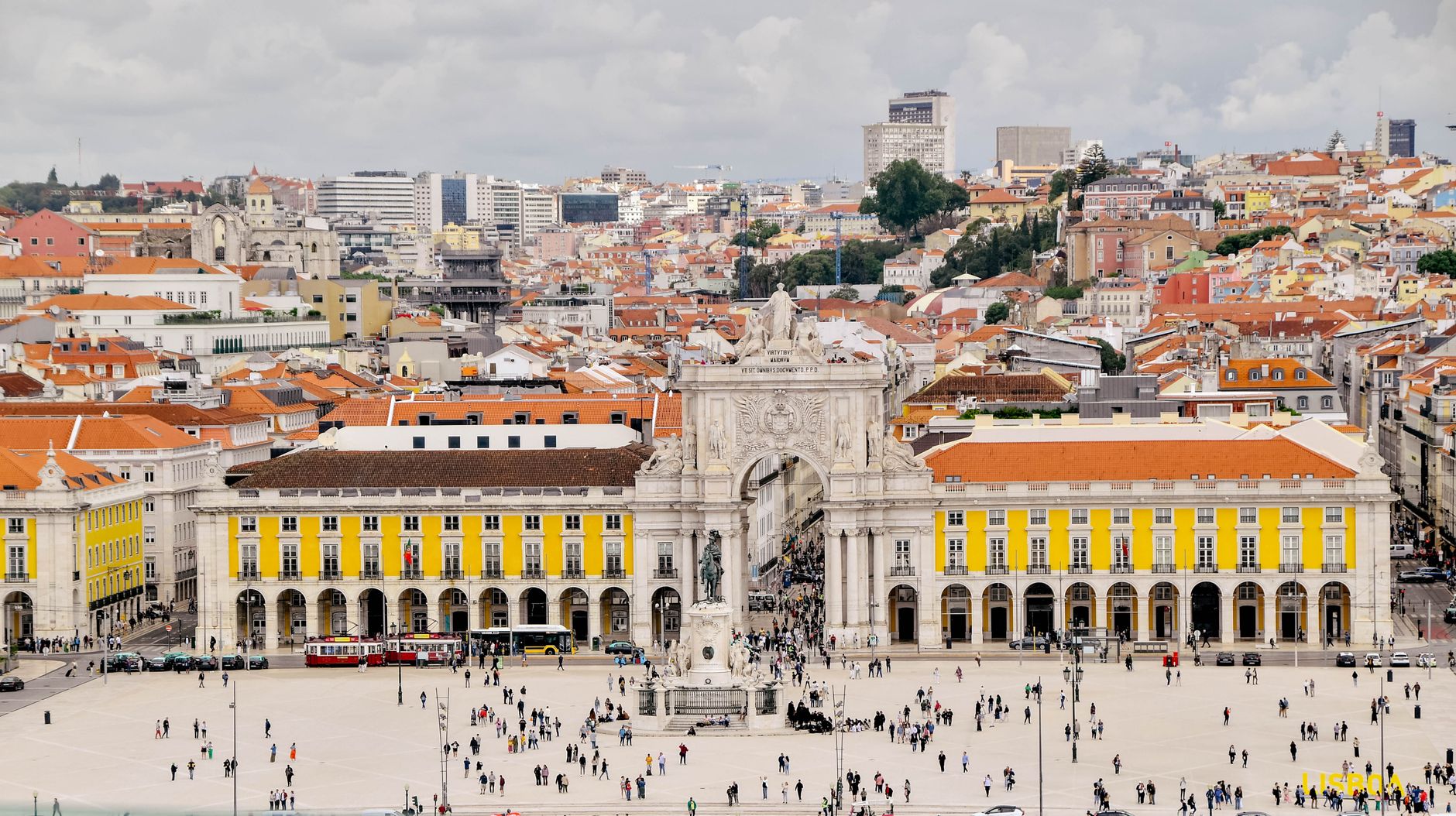
The Marquis of Pombal orders a grid of wide streets and uniform buildings using a revolutionary wooden cage system. No twisting medieval lanes here. The new Praça do Comércio opens directly to the river like a stage set for empire. Walk it at dusk and you can still feel the Enlightenment's cold, rational confidence.
Liberal Monarchy
gavel
1820
Liberal Revolution
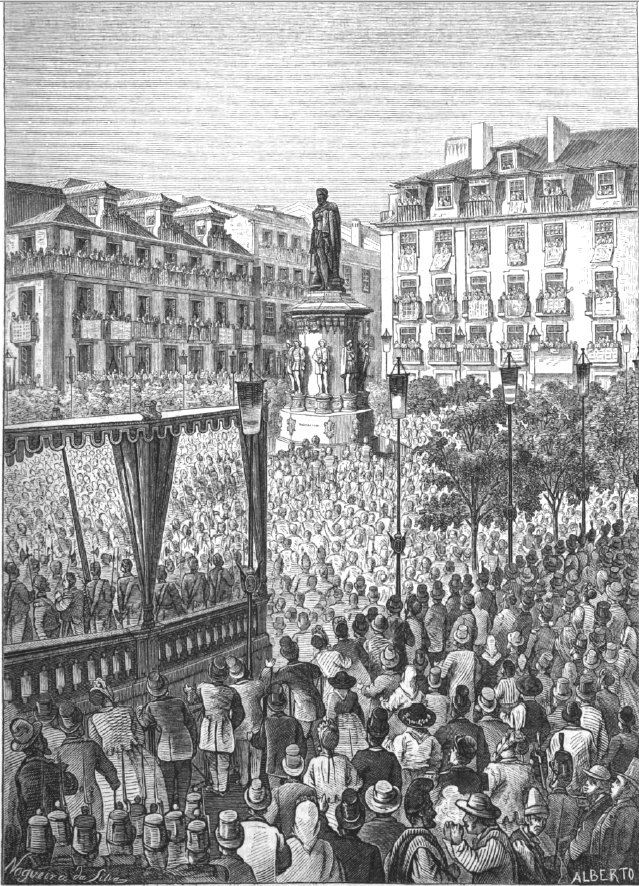
Porto troops march on Lisbon demanding a constitution. The royal family, recently returned from Brazil, watches its power crumble. Liberals burn feudal records in Rossio Square. The 19th century arrives late but violently. Portugal will spend the next century arguing about what kind of country it wants to be.
person
1888
Fernando Pessoa is Born
In a narrow street near the waterfront, the man who would become many men enters the world. Pessoa grows up between Lisbon and Durban, then returns to spend his days writing at café tables in Chiado. He creates heteronyms who argue with each other about the soul of Portugal. The city still feels like one of his unfinished poems.
First Republic
gavel
1910
Republic Proclaimed
On 5 October revolutionaries force King Manuel II to flee from the Necessidades Palace. A republic is declared from the balcony of Lisbon City Hall. Church and state separate overnight. The next decades bring more coups than stability, yet the blue and white flag still flies over the same earthquake-proof buildings.
music_note
1920
Amália Rodrigues Born
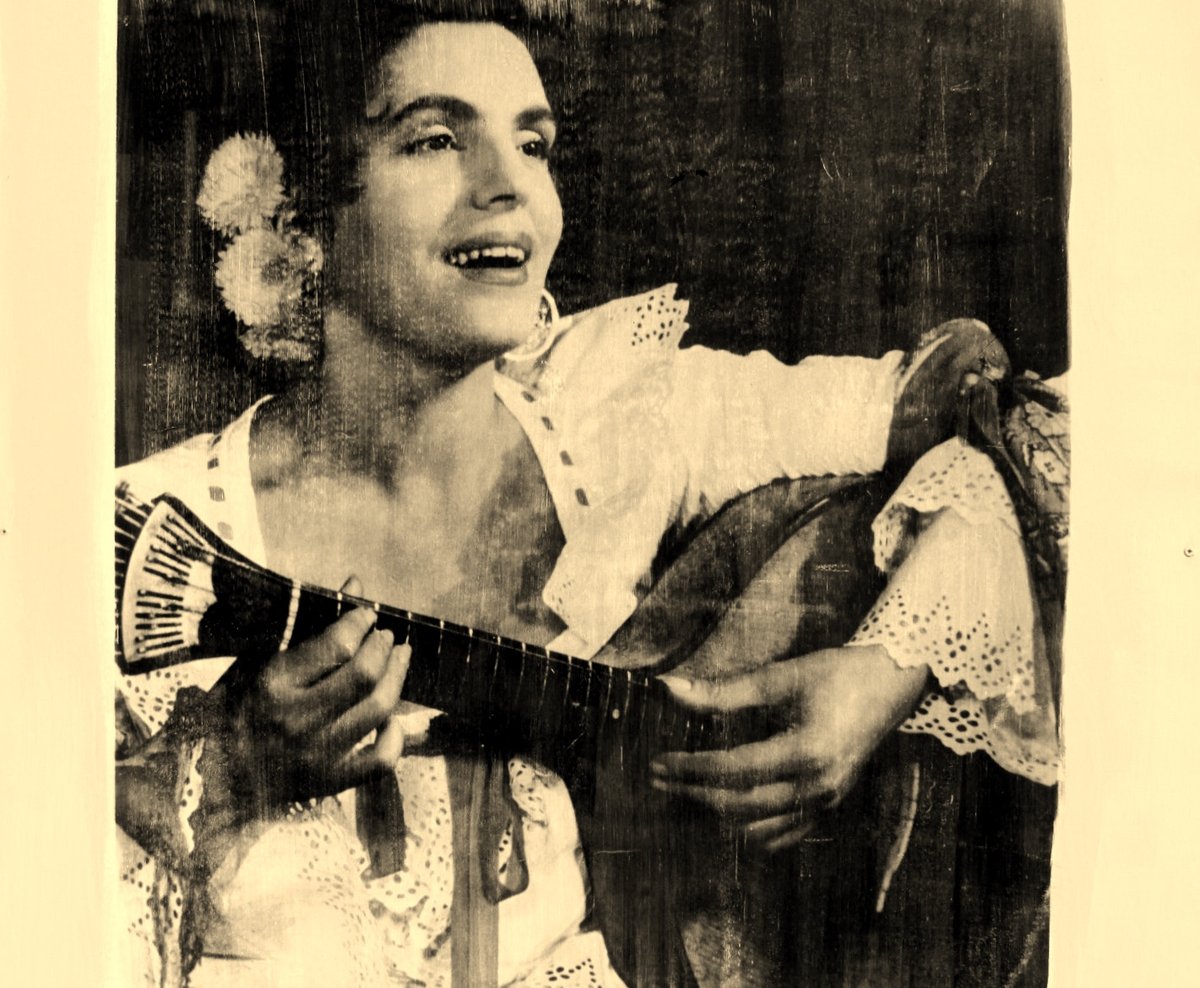
In the working-class district of Pena, a girl who will become the voice of Lisbon is born. Amália carries the melancholy of fado from Alfama taverns to the world's concert halls. When she sings, even those who don't understand Portuguese feel the weight of lost empire and Atlantic rain. Her recordings still drift from open windows on warm nights.
Modern Democracy
gavel
1974
Carnation Revolution
On 25 April young officers overthrow the dictatorship. Soldiers place red carnations in their rifle barrels while Lisbon crowds cheer. Tanks stop at Rossio and the dictatorship ends almost bloodlessly. The event is so Lisbon: poetic, theatrical, and slightly chaotic. Portugal steps blinking into democracy.
public
1986
Portugal Joins the European Union
After years of negotiation Lisbon becomes part of the European project. Funds flow in, bridges are built, and the city slowly modernises. Old factories along the Tagus find new lives as cultural spaces. The smell of cod and chestnuts still rises from the streets, but now it mingles with the scent of espresso from Italian machines.
music_note
1999
Amália Rodrigues Dies
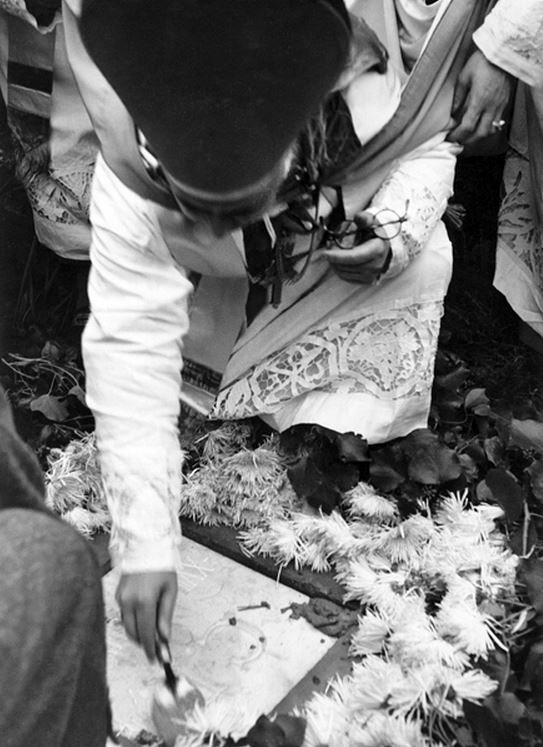
When the Queen of Fado passes, three days of national mourning are declared. Hundreds of thousands line the streets as her coffin travels from the Estrela Basilica to the National Pantheon. Fado houses fall silent. The city realises it has lost the voice that expressed its sadness better than it ever could itself.